
Latest News
UN launches $23 million project to support returnees, displaced families in northern Afghanistan
The project will be rolled out over 24 months in 11 communities across Kunduz and Baghlan and will focus on housing reconstruction, access to basic services, and other critical needs

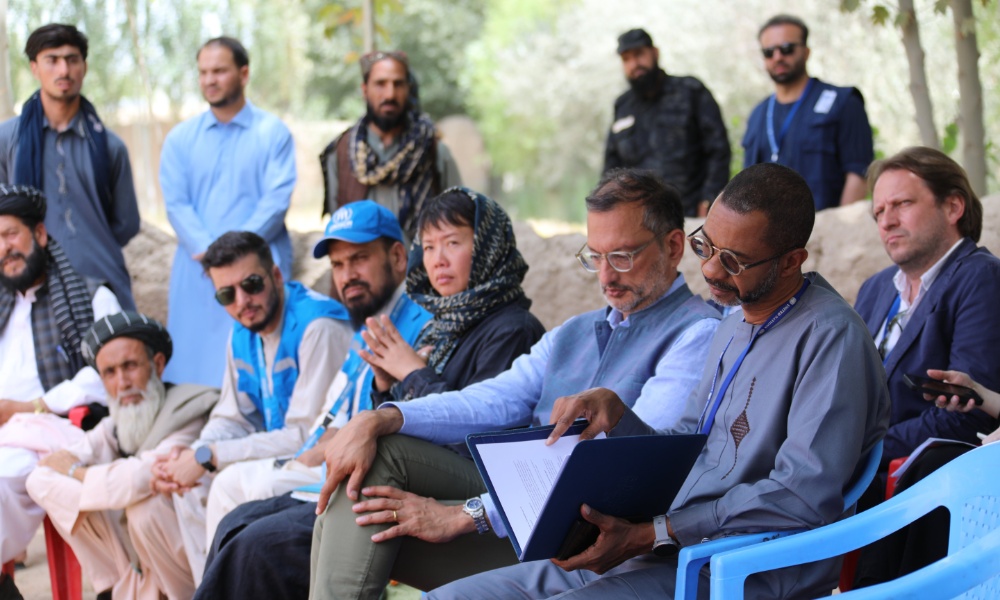
The United Nations has launched a major new initiative to support return refugees and communities impacted by displacement in Afghanistan’s Kunduz and Baghlan provinces.
The project aims to improve the lives of returnees, internally displaced persons (IDPs), and host communities through infrastructure development, livelihood support, and community-led planning.
The $23.01 million initiative is being implemented jointly by the International Organization for Migration (IOM), UN Development Programme (UNDP), UN-Habitat, and the UN High Commissioner for Refugees (UNHCR), with funding from the UN Special Trust Fund for Afghanistan (STFA) and additional contributions from the implementing agencies.
Indrika Ratwatte, the Deputy Special Representative of the UN Secretary-General for Afghanistan and the Resident and Humanitarian Coordinator, formally launched the project during a ceremony attended by UN agency representatives, civil society organizations, and community leaders.
“This joint initiative is essential for ensuring the sustainable reintegration of returnees and meeting the recovery needs of people across the country,” said Ratwatte. “Led by the United Nations and its partners, it is designed to bring real, lasting improvements to the lives of returnees and the communities that welcome them.”
The project will be rolled out over 24 months in 11 communities across Kunduz and Baghlan and will focus on housing reconstruction, access to basic services, disaster-resilient infrastructure, and economic resilience, while also promoting social cohesion through participatory governance.
“We are grateful for introducing durable solutions that will change lives,” said Habibullah Khan, a project beneficiary from Kunduz.
In addition to infrastructure and economic support, the project will address protection issues by offering mine risk education, legal aid on housing, land, and property (HLP) rights, and identity documentation services.
The initiative comes at a critical time, as hundreds of thousands of Afghan returnees, particularly from Pakistan and Iran, continue to place mounting pressure on already strained host communities across northern Afghanistan. The region is also grappling with internal displacement due to conflict, natural disasters, and economic hardship.
“Returnees bring valuable skills, experiences, and networks that can contribute significantly to rebuilding the economy,” Ratwatte noted.
“By supporting housing construction, job creation, and long-term employment opportunities, the project fosters reintegration that enables returnees to become drivers of positive change in their communities.”




Latest News
Kyrgyz President calls for continued regional support for Afghanistan
Japarov also underscored the importance of continued humanitarian assistance, urging regional countries to uphold their commitments to supporting Afghanistan.
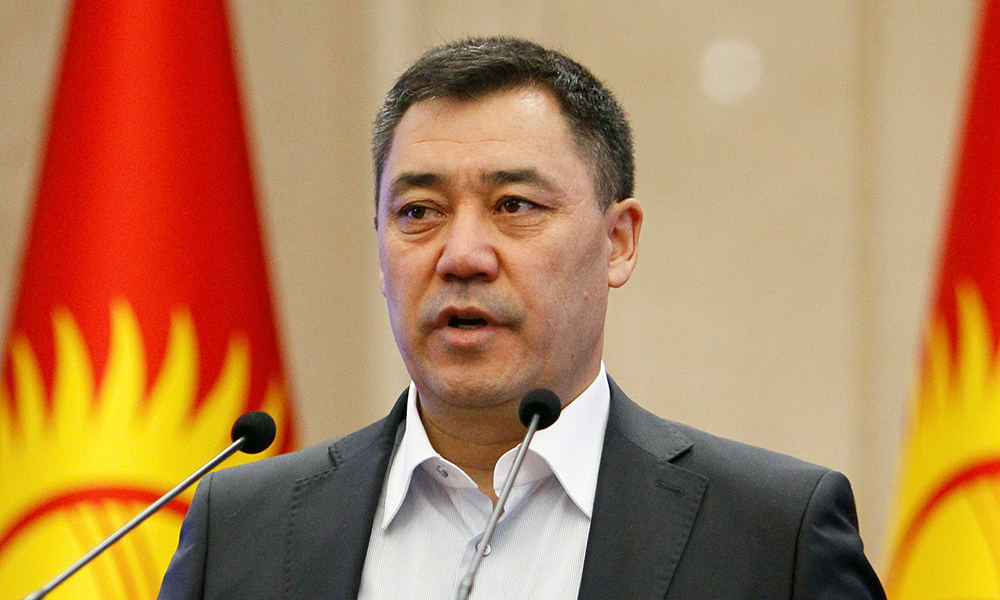
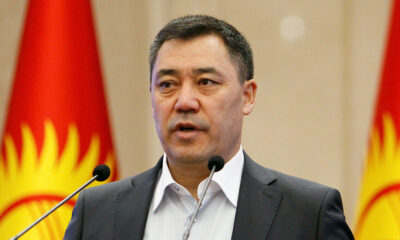
Kyrgyz President Sadyr Japarov has called on regional countries to maintain their support for Afghanistan, stressing that a stable and peaceful Afghanistan would benefit the entire region.
Speaking at a consultative meeting of the leaders of Central Asian countries and Azerbaijan, Japarov highlighted the importance of continued assistance to the Afghan people and stronger regional cooperation to address shared security challenges.
He emphasized the need to enhance cooperation among regional countries to combat terrorism, drug trafficking and organized crime.
Japarov also underscored the importance of continued humanitarian assistance, urging regional countries to uphold their commitments to supporting Afghanistan.
Latest News
Afghanistan, Iran seek to expand trade and transit through western border crossings
The Herat governor called for greater attention to expanding trade and transit through Herat, Farah and Nimroz provinces.
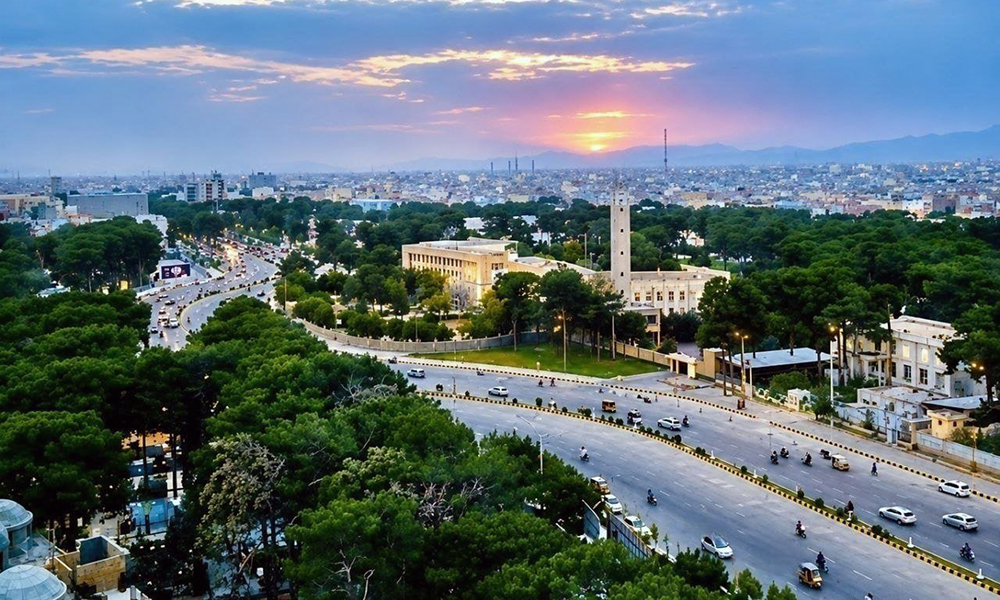
Herat Governor Maulana Islam Jar has met with an Iranian delegation led by Mohammad Mohsen Zanganeh, a member of Iran’s Islamic Consultative Assembly, to discuss expanding bilateral trade, strengthening economic ties and facilitating cross-border transit.
According to a statement from the Herat Governor’s Press Office, the meeting was also attended by Farah Governor Mohammad Hafiz Mujahid and Nimroz Governor Abdul Manan Mahmoud.
Officials from both countries discussed ways to increase commercial exchanges and improve the use of western border crossings to facilitate the movement of goods between Afghanistan and Iran.
Welcoming the Iranian delegation, Islam Jar said Afghanistan had made progress in the economic, industrial and commercial sectors, while major infrastructure projects were also underway.
He also highlighted the Islamic Emirate’s efforts to combat drug cultivation and trafficking, saying progress had been made in this area.
The Herat governor called for greater attention to expanding trade and transit through Herat, Farah and Nimroz provinces, stressing that increased commercial activity could benefit both countries.
According to the statement, Islam Jar said the Islam Qala, Abu Nasr Farahi and Nimroz border crossings were ready to operate around the clock to facilitate trade and transit.
Meanwhile, Zanganeh thanked the Afghan people for their hospitality and said Afghanistan had made considerable progress over the past five years.
He expressed support for expanding trade and transit cooperation and increasing the movement of goods through the three western border crossings, pledging to work towards advancing these objectives.
The meeting reflects ongoing efforts by Afghanistan and Iran to strengthen economic cooperation, improve cross-border transportation and expand regional trade connectivity.
Latest News
US senator cites Afghanistan visits in Pentagon ‘cover-up’ allegations over Iran war
“The reason was made up,” Murphy said, arguing that the decision was not about safety but a “cover-up.”
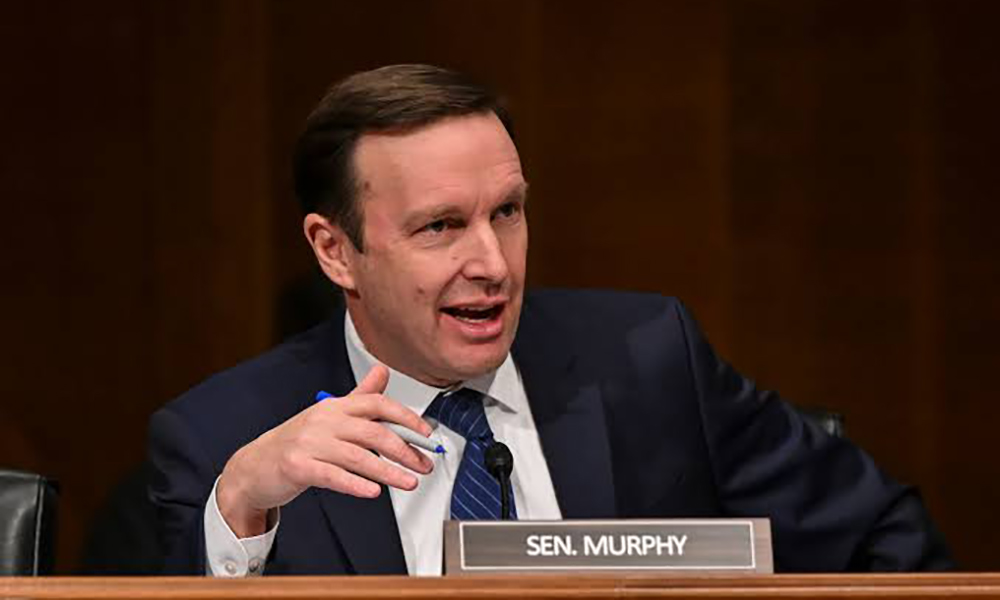
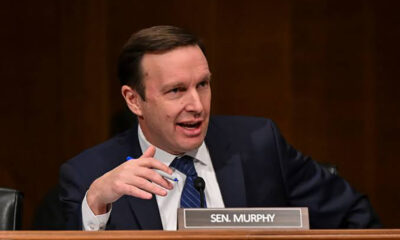
US Democratic Senator Chris Murphy has accused the Pentagon of attempting to conceal the costs and damage associated with the war on Iran after he was denied access to US military facilities in the region.
Speaking to CNN, Murphy rejected officials’ explanation that the visit was blocked for security reasons, pointing to his previous visits to US military positions in Iraq and Afghanistan during active fighting.
“The reason was made up,” Murphy said, arguing that the decision was not about safety but a “cover-up.”
Murphy also said that US Defense Department officials in the region refused to brief him at the US embassy. However, he said the State Department allowed him to inspect damage to the diplomatic mission, which he described as extensive.
“The attack on the US embassy happened at night. Had it happened during the day, there would have been lots of Americans killed,” Murphy said.
The senator’s remarks have raised questions about transparency surrounding the financial costs and reported damage linked to the conflict.


US imposes sanctions on ICC amid dispute over international prosecutions

Former ICC judge Navi Pillay wins 2026 Nobel Peace Prize

Bangladesh reach 317/8 on Day One against Afghanistan in Test match

Kyrgyz President calls for continued regional support for Afghanistan

Afghanistan, Iran seek to expand trade and transit through western border crossings

EU and FAO launch €5m programme to strengthen Afghanistan’s agrifood sector

Omar Zawak, Toofan Herat secure victories in Afghanistan Champions League

Houthi advance in Yemen puts U.S. in a new bind

Cricket Bonanza: Afghanistan set for packed international schedule

Afghanistan Champions League Season 6 kicks off today: Abu Muslim Farah face Sarsabz Yashlar

Tahawol: CSTO meeting on Afghanistan reviewed

Saar: Guterres’s talks with Pakistani officials on Afghanistan discussed

Tahawol: Consequences of US war in Afghanistan reviewed

Saar: Expulsion of Afghan refugees from Pakistan discussed

Tahawol: Discussion on outcome of Moscow Format meeting
-
 Sport5 days ago
Cricket Bonanza: Afghanistan set for packed international schedule
-

 Sport5 days ago
Afghanistan U19 to face Bangladesh, Oman in Youth ODIs
-
 Regional5 days ago
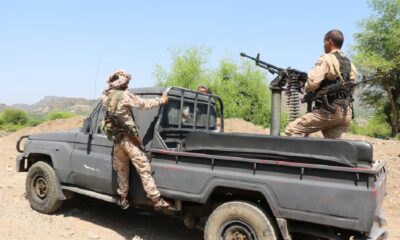
Yemeni government launches offensive to seize all areas from Iran-backed Houthis
-

 Latest News4 days ago
Ariana Afghan Airlines ends 15-year control of ticketing and operational systems by Pakistani firm
-
 World4 days ago
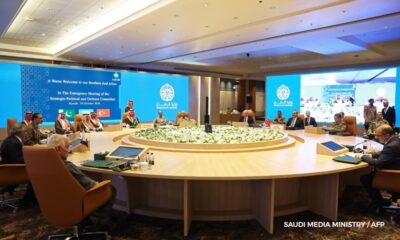
▶️Saudi Arabia, Turkey, Pakistan activate Mecca defense pact
-

 Sport4 days ago
ACL: Abu Muslim Farah maintain momentum with 2-0 win over Arman FC
-
 World5 days ago
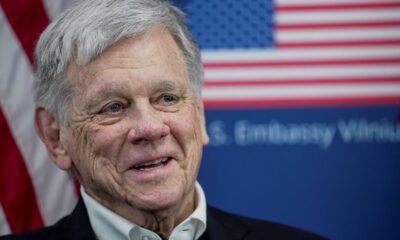
Trump picks John Coale as special presidential envoy for hostage affairs
-
 Latest News4 days ago
IEA rejects ICC arrest warrants, says Afghanistan does not recognize court