
Latest News
World Bank says 26 poorest nations in worst financial shape since 2006
Most of the countries in the study are in sub-Saharan Africa, from Ethiopia to Chad and Congo, but the list also includes Afghanistan and Yemen, read the report.

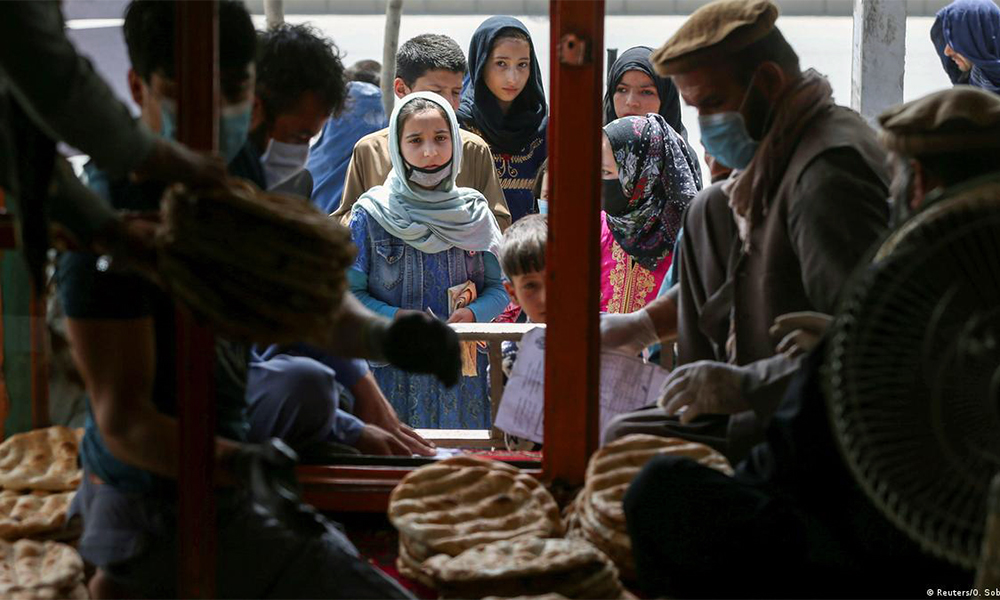
The world’s 26 poorest countries, home to 40% of the most poverty-stricken people, are more in debt than at any time since 2006 and increasingly vulnerable to natural disasters and other shocks, a new World Bank report showed on Sunday.
The report finds that these economies are poorer today on average than they were on the eve of the COVID-19 pandemic, even as the rest of the world has largely recovered from COVID and resumed its growth trajectory, Reuters reported.
Released a week before World Bank and International Monetary Fund annual meetings get underway in Washington, the report confirms a major setback to efforts to eradicate extreme poverty and underscores the World Bank’s efforts this year to raise $100 billion to replenish its financing fund for the world’s poorest countries, the International Development Association (IDA).
The 26 poorest economies studied, which have annual per-capita incomes of less than $1,145, are increasingly reliant on IDA grants and near-zero interest rate loans as market financing has largely dried up, the World Bank said. Their average debt-to-GDP ratio of 72% is at an 18-year high and half of the group are either in debt distress or at high risk of it.
Most of the countries in the study are in sub-Saharan Africa, from Ethiopia to Chad and Congo, but the list also includes Afghanistan and Yemen, read the report.
Two-thirds of the 26 poorest countries are either in armed conflicts or have difficulty maintaining order because of institutional and social fragility, which inhibit foreign investment, and nearly all export commodities, exposing them to frequent boom-and-bust cycles, the report said.
“At a time when much of the world simply backed away from the poorest countries, IDA has been their lifeline,” World Bank chief economist Indermit Gill said in a statement. “Over the past five years, it has poured most of its financial resources into the 26 low-income economies, keeping them afloat through the historic setbacks they suffered.”
IDA normally is replenished every three years with contributions from World Bank shareholding countries. It raised a record $93 billion in 2021 and World Bank President Ajay Banga is aiming to exceed that with more than $100 billion in pledges by Dec. 6.
Natural disasters have also taken a greater toll on these countries over the past decade. Between 2011 and 2023, natural disasters were associated with average annual losses of 2% of GDP, five times the average among lower-middle-income countries, pointing to the need for much higher investment, the World Bank said.
The report also recommended that these economies, which have large informal sectors operating outside their tax systems, do more to help themselves. This includes improving tax collections by simplifying taxpayer registration and tax administration and improving the efficiency of public spending.












Kazakhstan’s Foreign Minister Mukhtar Tileuberdi has called for pragmatic and coordinated international engagement with Afghanistan, saying the country’s long-term stability is closely linked to the security and sustainable development of Central Asia.
Speaking during the general debate of the 81st session of the United Nations General Assembly in New York on Friday, Tileuberdi said humanitarian assistance to Afghanistan remains essential but alone cannot break the cycle of poverty, displacement and dependency.
He said Kazakhstan supports a “pragmatic, coordinated and step-by-step” approach to international engagement with Afghanistan, with the United Nations playing a central role.
Tileuberdi also said Kazakhstan is working with the UN to operationalize the United Nations Regional Centre for the Sustainable Development Goals for Central Asia and Afghanistan in Almaty.
He said the success of the centre should be measured by the results and assistance it delivers to the region.


Abu Muslim Farah defeat Khurasan Faryab 2-0 in ACL season six

Saar: Concerns over Pakistan’s political crisis discussed

Afghanistan Champions League: Omar Zawak Herat beat Toofan Herat 1-0

Blast in Pakistan’s Dera Ismail Khan kills 11, injures 30

Ariana Afghan Airlines increases Kabul-Delhi cargo flights

Saudi energy group signs major Afghanistan deals covering gas exploration and pipeline plans

Trump floats idea of renaming Atlantic or Pacific Ocean

US hits Egyptian bank branches with Iran sanctions as war marks six months

Nepal flood rescue mission enters critical phase as thousands remain missing

Iranian clubs to face Gulf opponents at neutral venues in Asian Champions League Elite
Saar: Concerns over Pakistan’s political crisis discussed

Exclusive interview with Abdul Latif Mansoor, Minister of MRRD

Tawsia: Overview of Afghanistan’s iron mines

Tahawol: Discussion on fresh Pakistani airstrikes on Afghanistan

Saar: Calls for international support for Afghanistan discussed
-

 World5 days ago
CNN, MS NOW and Politico sue Trump, challenging White House ban
-

 Latest News3 days ago
Ariana Afghan Airlines ranks seventh among 45 Central Asian airlines
-

 Latest News4 days ago
UN reiterates call for respect for international law after Kunar airstrikes
-

 Regional3 days ago
US and Iran hold first talks since June after Trump’s ‘annihilation’ threat
-

 Latest News3 days ago
Silk Road highway in Wakhan corridor now reaches the China border
-

 Latest News4 days ago
Afghan Official: Pakistan’s airstrikes will not go unanswered
-

 Sport4 days ago
Afghan boxing referee heads to China for international festival
-
 Regional5 days ago
G7 foreign ministers call on Iran to stop arming Houthis