
Latest News
Islamic Emirate committed to fighting ISIS in Afghanistan: Haqqani

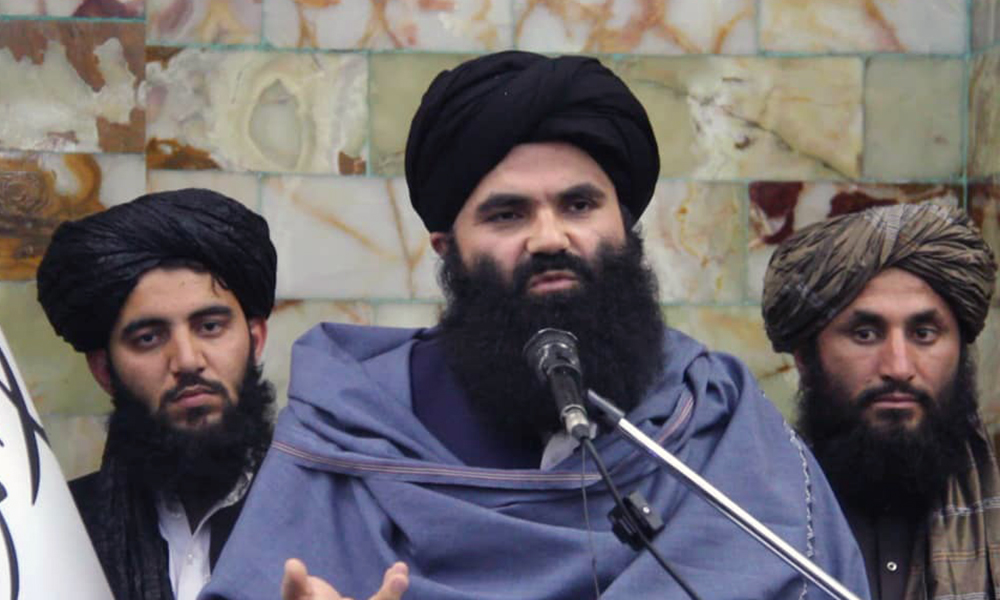
In an interview with an Indian news channel on Friday, July 29, Afghanistan’s acting Interior Minister Sirajuddin Haqqani said that the al-Qaeda network does not have a military presence in Afghanistan and that the Islamic Emirate of Afghanistan (IEA) is bound by its commitments to the international community to fight ISIS.
Haqqani added that al-Qaeda does not have a military force in Afghanistan and that the network is no longer a threat to the security of the region and the world.
“As we have promised to the world also the Islamic world is in arms against the ISIS to control and throw it out; many steps have been taken with regard to al-Qaeda, it has no presence in Afghanistan and is no more a threat and the world is required not to feel threatened about the already dead outfit some Western forces which are trying to destabilize the country are being taken care of by the Islamic Emirate of Afghanistan to control and contain these forces,” said Haqqani.
“We have repeatedly said that the Treaty of Doha which was signed will be implemented in letter and spirit and our message to the world is that no such terror outfit will make Afghanistan its Center of Terror operation; our security agencies are competing to prevent and to nip such attempts in the bud and we are firmly united against such forces,” he added.
Haqqani describes India’s concern about the presence of Jaish-e-Mohammed (JEM) and Lashkar-e-Taiba (LeT) groups in Afghanistan as baseless and emphasized that the Islamic Emirate is ready to provide security to diplomatic missions of foreign countries, including India.
“India’s concern about the presence of Jaish-e-Mohammed and Lashkar-e-Taiba in Afghanistan is baseless, we want to have very close relations with India, such fear is baseless and undesirable,” said Haqqani.
Previously, several high-ranking officials of the Islamic Emirate have made assurances in interviews with the Indian media that they will ensure the security of diplomatic missions and political officials of this country, and New Delhi can continue its construction activities and complete unfinished projects with peace of mind.


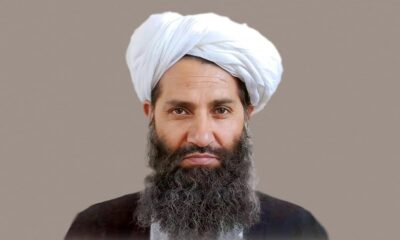


Islamic Emirate leader Sheikh Hibatullah Akhundzada has urged Kabul University graduates to uphold Islamic values and Sharia laws under all circumstances and not abandon their religion.
A Ministry of Higher Education official read out Akhundzada’s message on Wednesday at a graduation ceremony for around 2,500 students from Kabul University.
In his message, Akhundzada called on graduates to respect their parents and teachers and to uphold piety, sincerity, honesty and trustworthiness in their daily lives.
He also urged university teachers to provide students with proper religious, intellectual, moral, academic and professional education, promote unity and focus on their moral development.
According to the Ministry of Higher Education, around 2,500 students graduated in 2026 from 80 departments across 22 faculties of Kabul University.
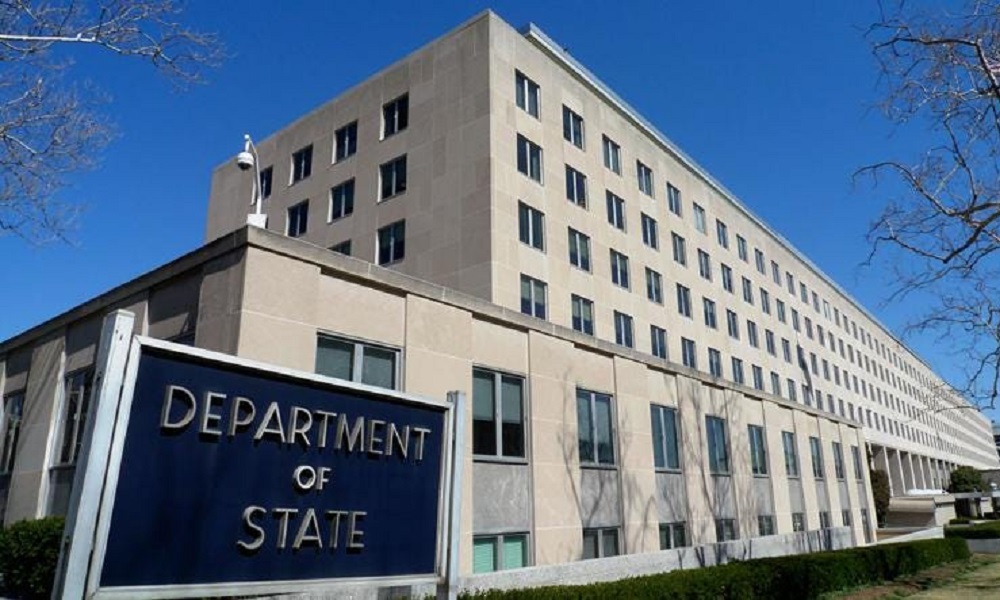
The U.S. Department of State says Afghanistan’s ministries and other public-sector institutions failed to meet any of the minimum requirements for fiscal transparency during the review period.
In its 2026 Fiscal Transparency Report, released Tuesday, the State Department said no Afghan entity had published an executive budget proposal or an end-of-year report within a reasonable timeframe.
The report said that in the absence of a publicly available budget, there was no confirmation of government expenditures made to support public services. It also said Afghan institutions had not published timely information on public-sector debt obligations.
According to the report, publicly available revenue and expenditure figures did not correspond to actual revenues and expenditures, based on information gathered through contacts and the government’s inability to service public-sector debts.
However, some state-owned enterprises independently published information on their revenues and expenditures.
The State Department also said an entity calling itself the Supreme Audit Office, which announced that it would begin operating in 2022, had not clarified the legal basis for its activities and did not publish any audits or audit findings during the review period.
The report further noted that the IEA did not make public the budgets of their “military” and intelligence services.
The U.S. State Department recommended that Afghan ministries and public institutions improve fiscal transparency by publishing reliable budget documents on time, following internationally accepted budgeting principles, strengthening oversight of off-budget accounts, and making information on public-sector debt publicly available.
It also called for clearer laws governing natural-resource extraction and public procurement, as well as ensuring that any supreme audit institution operates independently and meets international standards.
Meanwhile, the Islamic Emirate’s spokesperson, Zabihullah Mujahid, said Afghanistan’s budget does not belong to any other country, and therefore there is no obligation to provide information to others about how it is spent.
Latest News
FAO warns water shortages and heat put Afghanistan’s agriculture under pressure
FAO assessed current conditions and prospects using climate forecasts, remote-sensing data and consultations with farming communities across all 34 provinces.
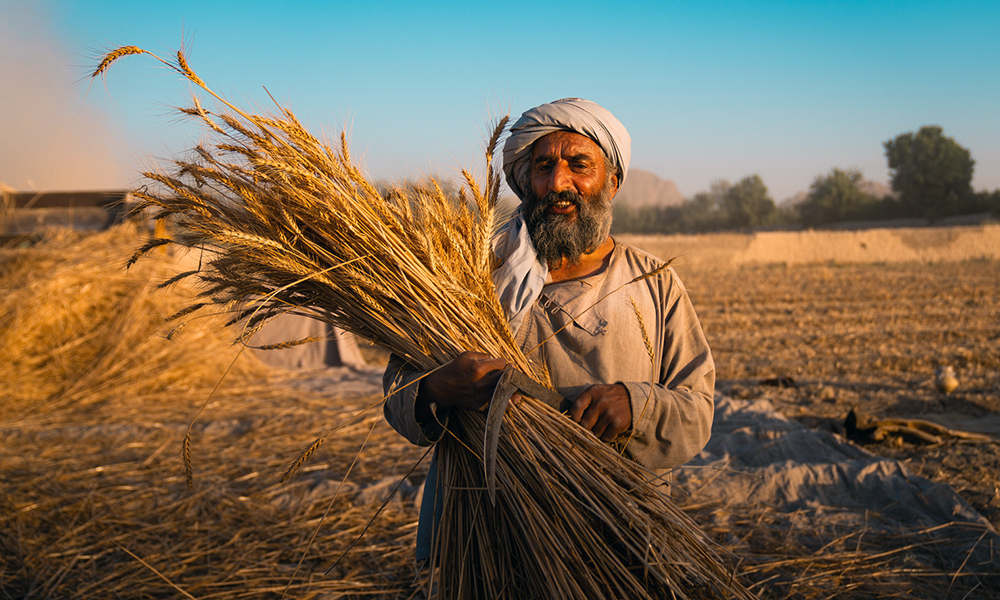
The Food and Agriculture Organization of the United Nations (FAO) has warned that water shortages and above-average temperatures are placing increasing pressure on summer crops and grazing across Afghanistan.
In its August 2026 outlook for Afghanistan’s 2026/27 agricultural season, FAO assessed current conditions and prospects using climate forecasts, remote-sensing data and consultations with farming communities across all 34 provinces.
The agency said persistent water shortages, combined with high temperatures, are affecting agricultural conditions during the summer season and increasing pressure on crops and livestock.
FAO also warned that persistently high fertilizer prices could limit farmers’ ability to invest in the upcoming winter wheat season, potentially affecting production prospects.
Looking ahead, the report says a strengthening El Niño and the possible development of a positive Indian Ocean Dipole could bring above-average precipitation during winter and spring.
Such conditions could improve water availability and boost prospects for agricultural production, but FAO cautioned that heavier rainfall could also increase the risk of floods, landslides, crop damage and livestock losses.
The agency said the latest outlook highlights the need for continued monitoring, anticipatory action and timely, practical climate and agricultural advisories to help farmers and livestock owners prepare for changing conditions.


Tahawol: Afghanistan’s future in the global press discussed

Saar: The Islamic Emirate’s five-year rule discussed

Shamshad Eagles beat Speenghar Warriors by six wickets

Kabul Premier League: Abasin Defenders thrash Band-e Amir Stars by 163 runs

Islamic Emirate leader urges Kabul University graduates to uphold Islamic values

Pakistan’s governance system has ‘collapsed’: Mohsin Naqvi

Spain sweep FIFA World Cup player awards after historic triumph

Iran, Afghanistan and Tajikistan discuss expanding regional transit cooperation

Afghan health minister, Gavi discuss expanding routine immunization

Afghanistan temporarily eases fuel import standards to help curb rising prices
Tahawol: Afghanistan’s future in the global press discussed
Saar: The Islamic Emirate’s five-year rule discussed

Tahawol: Hamid Karzai’s call for Afghan reconciliation discussed

Saar: Preparations for IEA’s fifth anniversary discussed

Tahawol: Iran’s acknowledgment of Afghanistan’s cooperation discussed
-

 Sport4 days ago
Afghanistan secure direct qualification for 2027 Men’s ODI World Cup
-
 Regional5 days ago
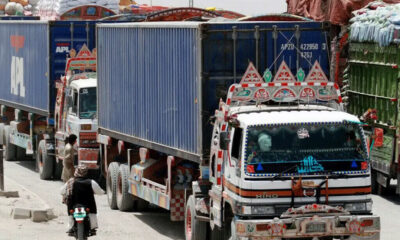
Goods transporters to go on strike from Saturday after talks with Pakistan govt fail
-
 Latest News4 days ago
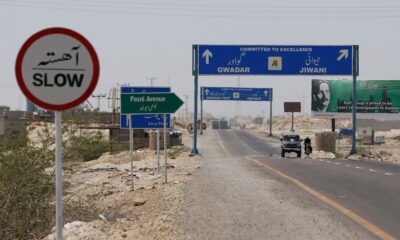
Pakistan-backed armed groups in Balochistan using former Afghan government forces: report
-

 Sport5 days ago
Rashid Khan takes six as Afghanistan thrash Ireland by 92 runs
-

 World5 days ago
US Senate passes Russia sanctions championed by Graham; US House next
-
 Sport3 days ago
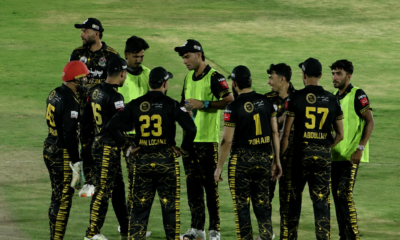
Abasin Defenders stun Kabul Zalmi in Kabul Premier League
-

 Latest News5 days ago
Moldova president criticizes visa approval for IEA delegation
-
 Regional4 days ago
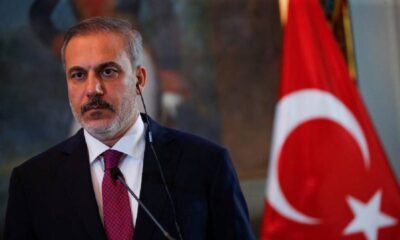
Turkey, Pakistan, Saudi Arabia defence pact technically same as NATO’s Article 5, Turkish minister says