
Latest News
Electoral Reforms Commission A Counselor Institution

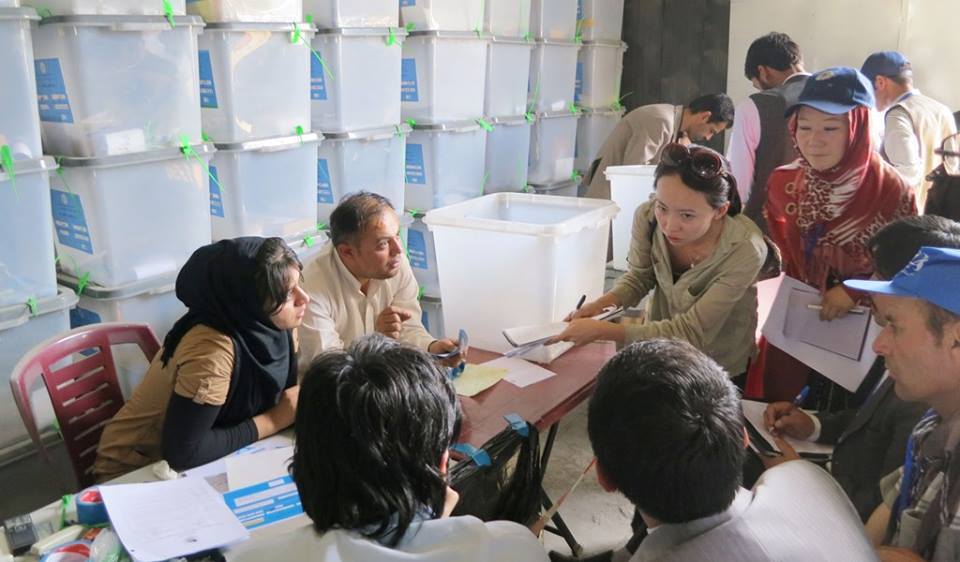

Head of the Electoral Reforms Commission has said that they are waiting for President Ghani’s order to begin work on election laws, procedures and staffs of the Independent Election Commission (IEC).
The head and members of the electoral reforms commission have been chosen after months of bargaining between the National Unity Government. But it is still unclear when the commission should be start working.
Head of electoral reforms commission, Shah Sultan Akefi stressed that the institution duties are as follows:
1- Reviewing election laws, functions and authorities of the Independent Electoral Complaint Commission (IECC) and the Independent Election Commission (IEC) which includes reforms in the system and submitting proposals to the leaders of NUG.
2- Studying the structures of electoral institutions and capacity of electoral commissions and submitting proposals to the leaders of NUG.
“In technical and professional terms, the commission shall independently present adjustments and reforms and then be processed based on the constitution,” Shah Sultan Akefi, head of electoral reforms commission said.
Meanwhile, some of electoral observing institution are said to consider the electoral reforms commission inefficient. They are said to believe that most of the members of the commission are those in line with the Chief of Executive Officer (CEO) Abdullah Abdullah that will cause political reforms not reforms needed to be made.
President Ghani and Chief Executive Officer Abdullah, in the September 2014 agreement, agreed to electoral reforms “to ensure that future elections are credible.”
The details of these reforms, when they should take place and who should design them are, however, proving contentious.
The National Unity Government agreement is quite clear that “to ensure that future elections are fully credible, the electoral system (laws and institutions) requires fundamental changes” and “that the objective is to implement electoral reform before the 2015 parliamentary elections.”

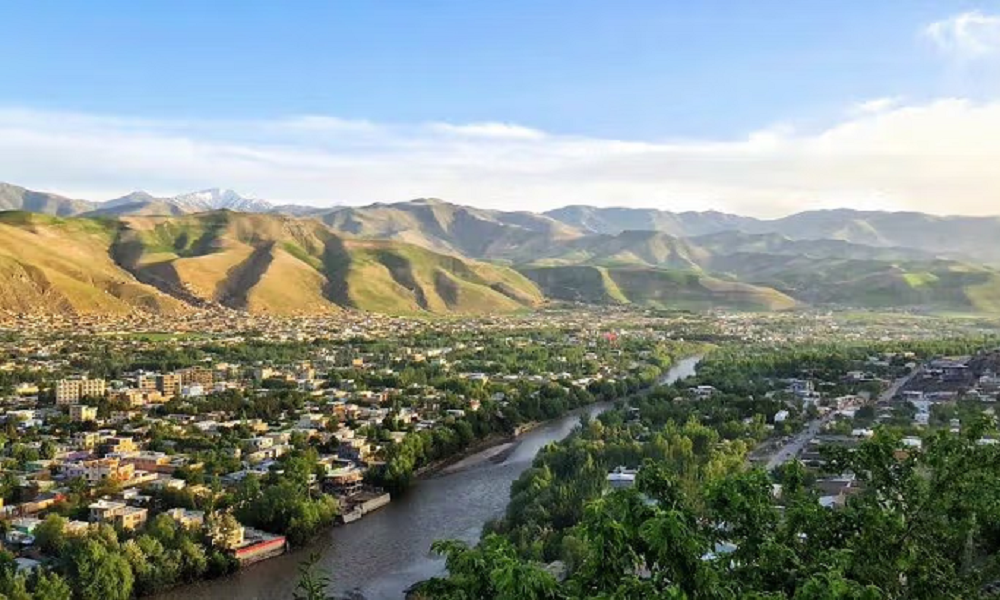
A strong earthquake measuring 5.8 on the Richter scale struck parts of Afghanistan on Friday night, according to the United States Geological Survey (USGS).
The epicenter was reported in Jurm district of Badakhshan province, with a depth of 186 kilometers.
There have been no immediate reports of casualties or damage.
Latest News
China says Afghanistan–Pakistan peace talks show progress
China has positioned itself as a facilitator, aiming to create conditions for dialogue and provide a platform for negotiations.
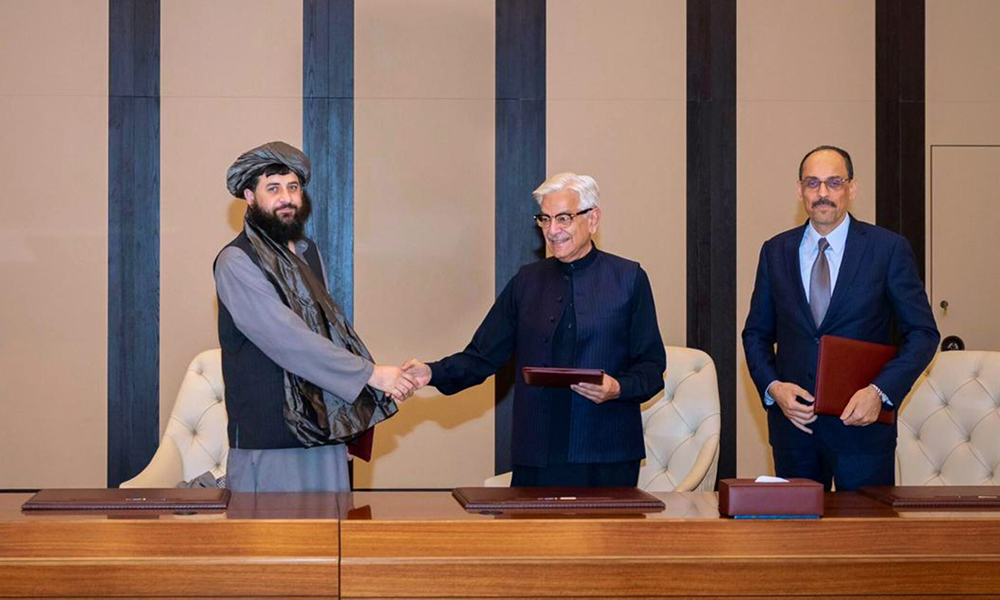
Negotiations between Afghanistan and Pakistan are making steady progress, China said on Friday, as efforts continue to ease tensions in their most serious conflict since the return of the Islamic Emirate of Afghanistan in 2021.
Speaking at a regular press briefing, Chinese foreign ministry spokesperson Mao Ning said both sides had welcomed Beijing’s mediation and were willing to resume dialogue. “This is a positive development,” she said, noting that China remains in close communication with both governments.
Beijing— which shares a border with both countries—has stepped up diplomatic engagement in recent months, including calls with foreign ministers and a visit by a special envoy in March. Previous rounds of talks have reportedly taken place in Urumqi, though officials did not confirm the latest venue.
China has positioned itself as a facilitator, aiming to create conditions for dialogue and provide a platform for negotiations. Mao said further details would be released jointly by the three countries “in due course.”
Clashes between Afghan and Pakistani forces since October have killed dozens on both sides, with Afghan civilians bearing the brunt of the violence. Islamabad has accused Kabul of harboring militants responsible for cross-border attacks—an allegation Afghan authorities deny, calling militancy a domestic issue for Pakistan.
The renewed diplomatic push signals cautious optimism that tensions between the neighbors could ease through sustained dialogue under Chinese mediation.
Latest News
Afghan doctors urged to support Iranian health institutions amid US and Israeli attacks
This appeal aims to emphasize the protection of healthcare facilities and the safeguarding of human health during times of war and crisis.
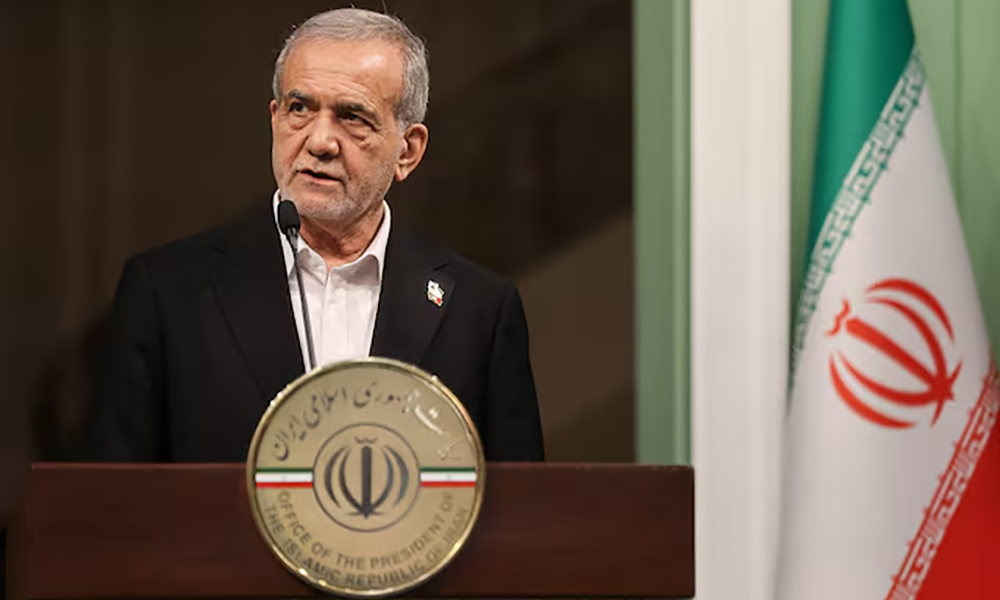
The Embassy of Iran in Afghanistan, citing Masoud Pezeshkian, President of Iran, has called on doctors worldwide to respond to recent attacks on hospitals, pharmaceutical companies, and medical research institutions in Iran by U.S. and Israeli forces.
The embassy specifically urged Afghan doctors and healthcare staff to support Pezeshkian’s appeal and, in coordination with international organizations, raise the voice of the medical community against what has been described as a blatant attack on humanity.
This appeal aims to emphasize the protection of healthcare facilities and the safeguarding of human health during times of war and crisis.
So far, the Islamic Emirate of Afghanistan has not issued any official response regarding this appeal.


5.8-magnitude earthquake shakes parts of Afghanistan

Tawsia: This week’s key economic developments in Afghanistan discussed

Iran claims it shot down US F-35 jet

Tripartite agreement to launch new Russia–Turkmenistan–Afghanistan transit corridor

China says Afghanistan–Pakistan peace talks show progress

Prominent Muslim scholar issues fatwa calling for Afghanistan-Pakistan ceasefire

IEA Supreme Leader issues Eid-ul-Fitr message urging unity and support for Islamic system

14 Pakistani soldiers killed after military post falls along Durand line: MoD

Afghanistan steps in to replace Iran in supplying fruits and vegetables to Russia

Afghan airstrikes target Pakistani military sites in retaliation for air attacks
Tawsia: This week’s key economic developments in Afghanistan discussed

Tahawol: Start of talks between Kabul-Islamabad in China discussed

Saar: Ongoing US and Israeli attacks on Iran discussed

Tahawol: Ongoing US–Israeli war with Iran discussed

Saar: Afghanistan-Pakistan talks in China discussed
-
 Latest News5 days ago
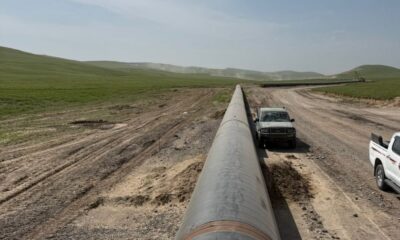
TAPI gas pipeline advances 25 km in Afghanistan
-
 Business5 days ago
Afghanistan opens doors to agribusiness investments amid rising opportunities
-
 Latest News3 days ago
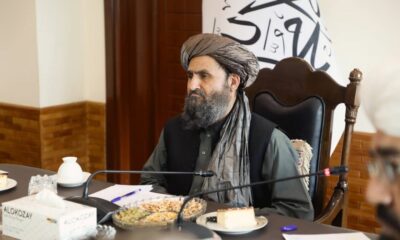
Baradar approves 17 projects worth over one billion AFN
-
 Latest News5 days ago
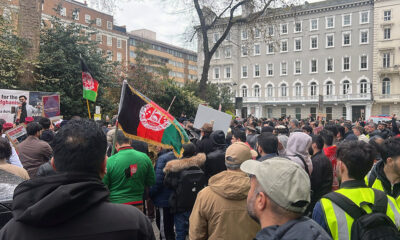
Afghan diaspora protests in London and Oslo over Pakistan strikes
-
 Business4 days ago
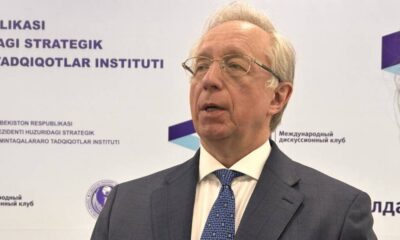
Russia backs Uzbekistan–Afghanistan trade hub, praises regional economic cooperation
-
 Sport4 days ago
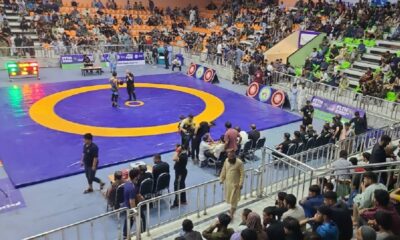
ATN secures broadcast rights for inaugural Afghanistan Wrestling Premier League
-

 International Sports5 days ago
Amnesty International raises alarm over deportations, protests ahead of FIFA World Cup
-

 Sport3 days ago
ATN to broadcast second season of Ariana Snooker Championship