
Latest News
UN urges civilians protection, reduced violence ahead of intra-Afghan talks

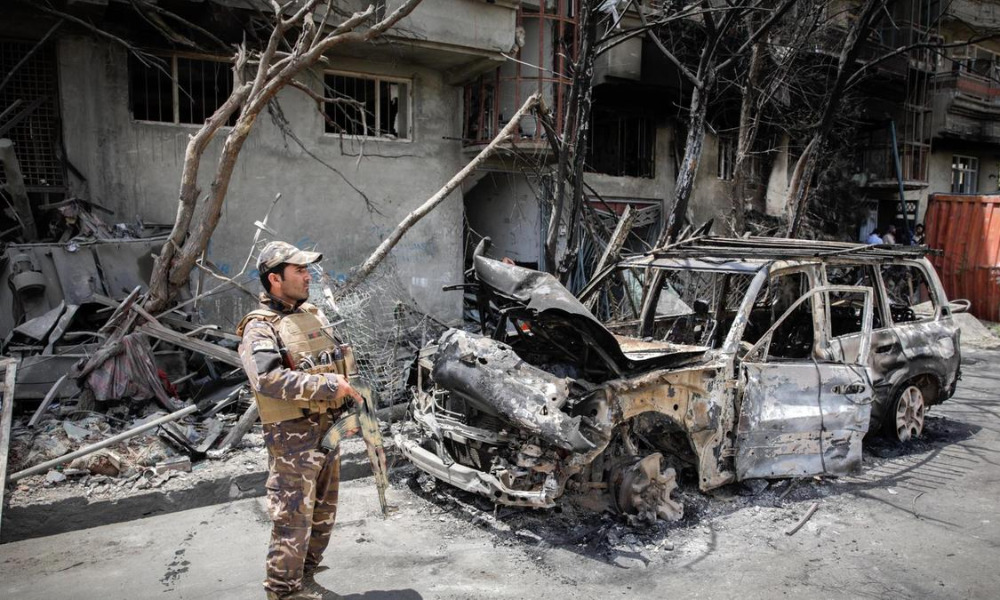
The UN Assistance Mission in Afghanistan (UNAMA) urges parties to redouble efforts at protecting civilians from harm and de-escalating the conflict in order to save lives and create a conducive environment for the upcoming intra-Afghan talks in Doha, the capital of Qatar.
The peace talks between the Afghan government and the Taliban are expected to start this month.
In a statement released on Thursday, the UNAMA said that it is particularly concerned by a recent spate of violent incidents in which members of Afghanistan’s civil society have been targeted.
“Deliberate attacks against religious leaders, healthcare workers, members of the judiciary, civil society activists, non-governmental organizations (NGOs) and journalists are both shocking and criminal,” UNAMA said it seeks to the authorities to bring the perpetrators to account, emphasizing its determination to continue support to Afghanistan’s flourishing civil society sector.
“It’s taken enormous work and some brave decisions for Afghans to reach the point of being on the eve of unprecedented intra-Afghan negotiations,” said Deborah Lyons, the Secretary-General’s Special Representative for Afghanistan. “I encourage parties to lay the necessary foundation for the talks by showing their commitment to peace through immediate and concrete actions to protect civilians and reduce violence.”
“It’s taken enormous work and some brave decisions for Afghans to reach the point of being on the eve of unprecedented intra-Afghan negotiations.” – UN envoy @DeborahLyonsUN urging de-escalation of #Afghanistan conflict ahead of Doha talks. More: https://t.co/15EaAZweg2 pic.twitter.com/AS7iqh5JTO
— UNAMA News (@UNAMAnews) July 2, 2020
“There are spoilers who do not wish to see an end to war,” said Lyons, who is also head of UNAMA. “No matter what tactics they employ to de-rail the peace process, they cannot be allowed to succeed.”
In the first six months of 2020, preliminary figures indicate more than 800 civilians were killed and injured in deliberate attacks against civilians. UNAMA attributed responsibility for approximately half of these civilian casualties to the Taliban.
UNAMA remains particularly concerned by the deliberate targeting of religious leaders, with 18 incidents verified this year (six in June); healthcare personnel, with 13 incidents verified this year (two in June); judiciary members, with 11 incidents verified this year (three in June); civil society activists, with six incidents verified this year; NGOs, with five incidents verified this year (one in June); and journalists, with three incidents verified this year.
June incidents that require further verification include that of 22 June in Kabul, when armed men on a motorbike opened fire on a vehicle, killing all five passengers inside, including one prosecutor, working in the Bagram detention facility; and the 27 June incident also in the capital, when an Afghanistan Independent Human Rights Commission staff member and driver were killed by an IED when they were traveling to work.
The United Nations reiterates that attacks deliberately targeting Afghanistan’s civilian population are serious violations of international humanitarian law that may amount to war crimes.
UNAMA draws attention to the continued harm to civilians from the use of indirect fire during ground engagements in civilian-populated areas that have caused roughly 25 percent of civilian casualties in the second quarter of 2020. On 29 June, in Sangin district, Helmand province, dozens of civilian casualties resulted from mortars fired by the Afghan National Army in response to Taliban fire when the mortars missed the intended target and landed in a busy marketplace, according to UNAMA’s preliminary findings.
“Verification of civilian harm remains ongoing and UNAMA will provide updated civilian casualty figures in its midyear protection of civilians report in July,” the organization said.
In addition, there has been a recent increase in civilian casualties from the Taliban’s use of pressure-plate IEDs; in the week following the Eid ceasefire, these victim-activated devices were the leading cause of civilian casualties.
The Mission’s continued call for an end to violence is also immediately linked to the need for all parties to provide the necessary focus and resources to combating the COVID-19 pandemic, a serious threat to everyone in Afghanistan.




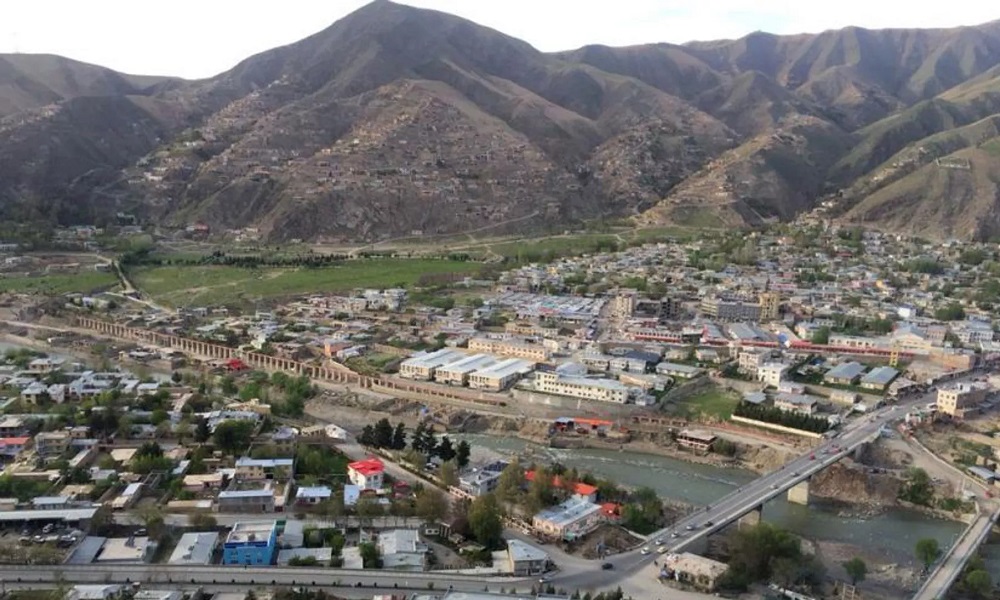
Two people have been killed amid protests against a poppy eradication campaign in northeastern Badakhshan province, local officials said.
Authorities said counter-narcotics forces were deployed on Friday to Atan Jalo area of Argo district to destroy poppy fields. Clashes erupted after a number of farmers and residents reportedly attempted to block the operation.
Officials said a child was killed during Friday’s unrest, while another person died on Saturday as protests and tensions continued in the area.
According to local authorities, demonstrators also temporarily blocked the Kishm–Faizabad highway, disrupting traffic for several hours before it was reopened following coordinated efforts by security officials, religious scholars, and community elders.
Officials blamed “drug traffickers and criminal groups” for inciting the unrest and said security forces have since regained control of the area.
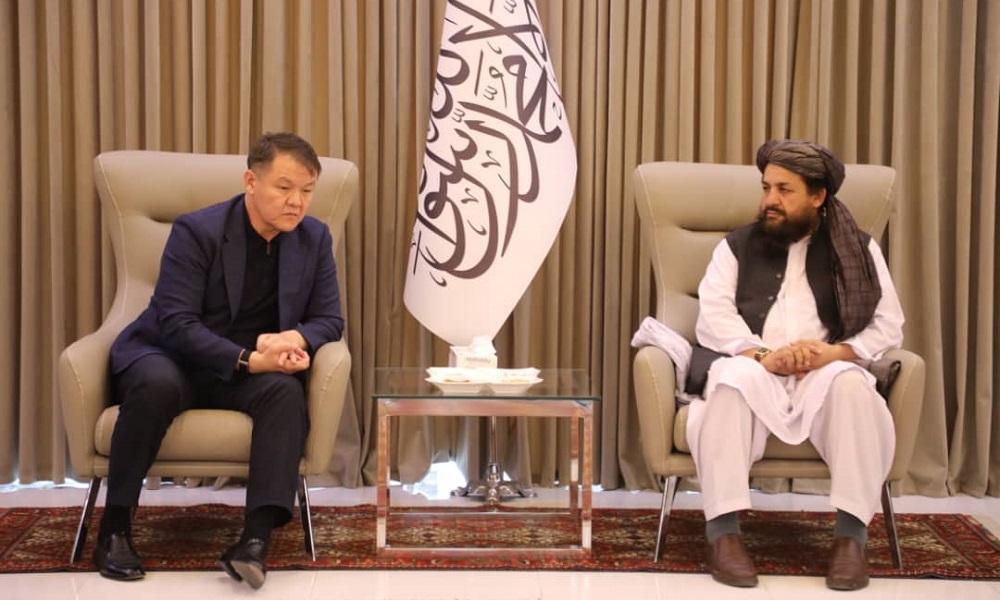
A high-ranking Uzbek delegation comprising government officials and private sector representatives from the Republic of Karakalpakstan arrived in Kabul on Saturday to discuss the expansion of trade and economic cooperation with Afghanistan.
The delegation is headed by Amanbay Orinbayev, Chairman of the Supreme Council of Karakalpakstan.
According to a statement from the Ministry of Industry and Commerce, the delegation is expected to hold talks with Nooruddin Azizi, the Minister of Industry and Commerce, focusing on strengthening bilateral trade and economic relations.
The ministry said the visiting delegation will also participate in trade connectivity meetings and business-to-business sessions aimed at enhancing commercial cooperation between the two sides.
As part of the visit, the Uzbek delegation is also scheduled to travel to Balkh province, where members will attend additional trade meetings and inaugurate an exhibition showcasing Uzbekistan’s domestic products.


Two killed in protests against poppy field destruction in Badakhshan

High-ranking Uzbek delegation arrives in Kabul to boost trade ties

Karzai: Pakistan seeking to legitimize Durand Line, authorities must clarify

Los Angeles to welcome the world with historic FIFA World Cup 2026 opening event

SAARC failure pushes Pakistan toward trilateral ties with Afghanistan, China, Bangladesh: Dar

Bayat Power extends gas supply deal with Afghan Gas

Etihad Airways to expand Kabul–Abu Dhabi flights to daily service amid surging demand

Afghanistan’s new cricket head coach Richard Pybus arrives in Kabul

Afghanistan moves toward self-sufficiency in car battery production

Germany to launch online visa system for Afghan study and work applicants in Pakistan

Tawsia: Discussion on Afghanistan’s economic path and position

Tahawol: Pressure on Afghan refugees from Tajikistan to Europe discussed

Saar: Ongoing criticism of Pakistan’s Afghanistan policy discussed

Tahawol: Diplomatic turn in Iran–US confrontation discussed

Saar: Expanding interaction between countries and IEA discussed
-
 Business1 day ago
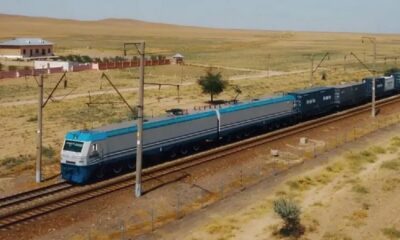
New Afghanistan-China transport corridor launched via Turkmenistan
-
 Latest News4 days ago
Pakistan’s Achakzai pushes for Afghanistan dialogue amid economic strain
-
 Business3 days ago
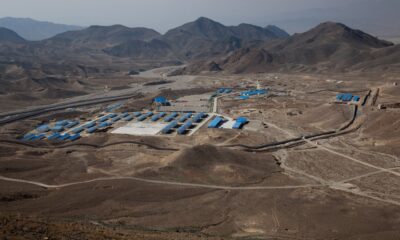
Afghanistan presses Chinese contractor over delays in Mes Aynak copper project
-
 Business3 days ago
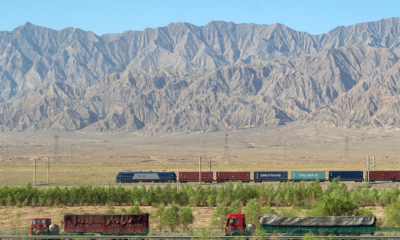
Uzbekistan launches new cargo corridor linking China and Afghanistan
-
 Latest News4 days ago
Food prices surge 20% in Afghanistan as Hormuz crisis disrupts supply routes
-
 Latest News5 days ago
Austrian interior minister heads to Uzbekistan to finalize Afghan deportation deal
-

 Sport5 days ago
All eyes on Jeddah as AFC U-17 Asian Cup 2026 kicks off
-

 International Sports4 days ago
Mumbai Indians pull off record chase as IPL action continues