
Latest News
Islamic Emirate declines to attend Tehran meeting on Afghanistan


Latest News
Afghanistan rejects UN report showing fourfold rise in poppy cultivation
According to the latest report by the United Nations Office on Drugs and Crime (UNODC), opium poppy cultivation in Afghanistan reached an estimated 43,300 hectares this year, up more than fourfold from 2025.
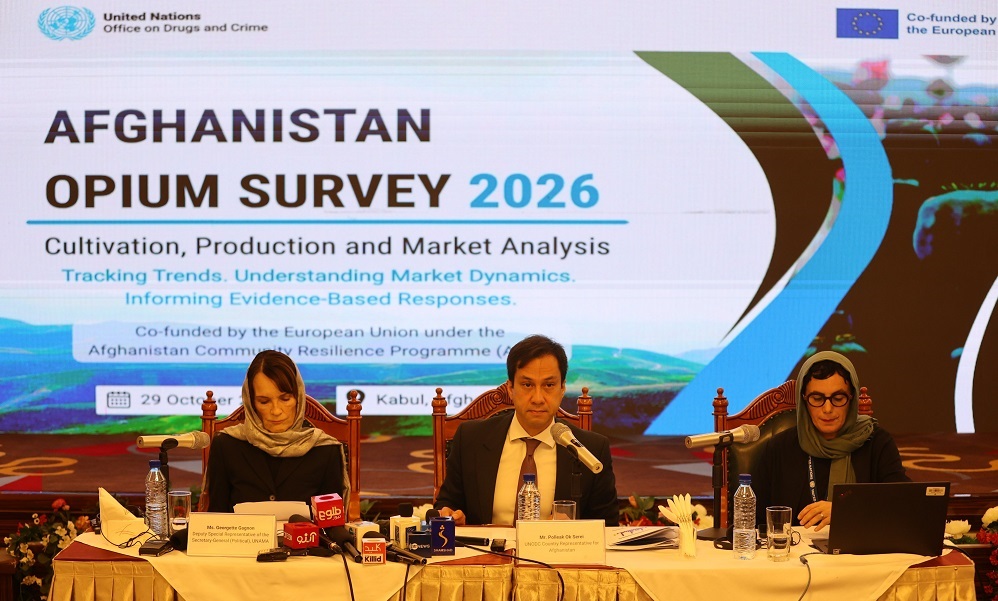
Afghanistan’s Ministry of Interior has rejected a United Nations report estimating that opium poppy cultivation in the country more than quadrupled in 2026, arguing that the findings contradict its official data and field evidence.
Abdul Mateen Qani, the ministry’s spokesperson, said the UN report had failed to accurately reflect conditions on the ground and overlooked the Islamic Emirate’s efforts to eradicate narcotics-producing crops.
According to the latest report by the United Nations Office on Drugs and Crime (UNODC), opium poppy cultivation in Afghanistan reached an estimated 43,300 hectares this year, up more than fourfold from 2025. Opium production also increased from around 300 metric tons to approximately 1,500 metric tons.
Despite the sharp rise, cultivation remains well below the 2021 level, when about 177,000 hectares of land were used to grow opium poppies.
The report also noted that IEA forces cleared more than 26,000 hectares of land in poppy-growing provinces of narcotics-producing plants this year.
The Interior Ministry said in a statement that satellite imagery and estimates alone cannot provide a sufficient basis for definitive conclusions unless eradication operations and field evidence are also taken into account. It also questioned the use of unofficial information in calculating cultivation and production figures.
The ministry called on the UNODC to ensure that its assessments accurately reflect conditions on the ground, while emphasizing that sustained efforts to combat narcotics require more than law enforcement.
It said support for farmers, the development of alternative livelihoods, the expansion of legal agriculture and treatment for people with drug addiction were also essential to tackling the problem.
The ministry urged international organizations to support Afghanistan’s anti-narcotics efforts through what it described as accurate assessments and practical cooperation.
Latest News
Afghanistan seeks stronger standards cooperation with Turkey and regional partners
In talks with Uzbekistan’s Agency for Technical Regulation and Standardization, the Afghan delegation explored potential areas for technical cooperation.
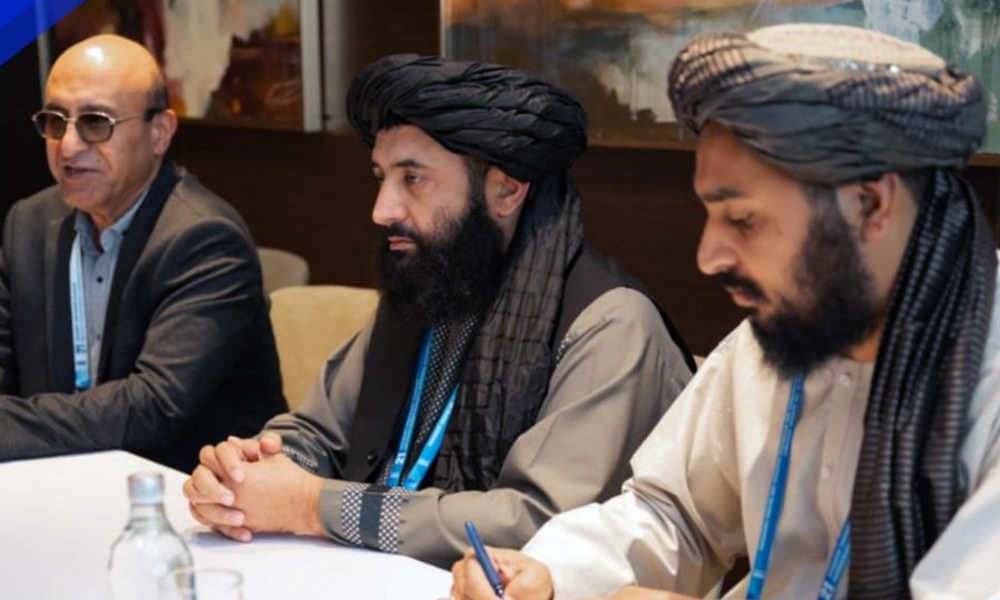
Afghanistan’s Standard and Quality Authority (ASQA) has held talks with counterparts from Turkey, Uzbekistan, Saudi Arabia and Kazakhstan to expand technical cooperation and strengthen the country’s standards and quality infrastructure.
The meetings took place on the sidelines of the General Assembly of the Standards and Metrology Institute for Islamic Countries (SMIIC), according to ASQA.
The Afghan delegation, led by ASQA Technical Deputy Mohammad Asif Qanit and Chief of Staff Wahid Ahmad Badri, met with representatives of the Turkish Standards Institution (TSE) to discuss employee training, quality certification, technical standards, laboratory services and bilateral cooperation.
The two sides also discussed a United Nations Development Programme initiative supported by Turkey, which focuses on building technical capacity and creating employment opportunities for Afghans.
Turkish officials expressed their willingness to maintain engagement with their Afghan counterparts and invited the delegation to visit the institution in Turkey, including its laboratories and operational facilities, ASQA said.
In talks with Uzbekistan’s Agency for Technical Regulation and Standardization, the Afghan delegation explored potential areas for technical cooperation.
Separate discussions with the Saudi Standards, Metrology and Quality Organization (SASO) focused on strengthening bilateral relations and expanding cooperation through diplomatic channels.
Representatives of Kazakhstan’s Institute of Standardization and Metrology (KazStandard) also met with the Afghan delegation and expressed readiness to provide technical assistance.
ASQA said the meetings form part of its efforts to broaden engagement with regional and international standards organizations, improve technical expertise and advance Afghanistan’s standards and quality sector.
The authority added that stronger international partnerships could help develop laboratory services, improve quality certification and support the implementation of technical standards across Afghanistan.
Latest News
Afghan woman charged in Nevada over alleged illegal voting in US election
Both individuals face one count of voting by an alien. If convicted, each could face up to one year in prison, a fine of up to $100,000, or both.
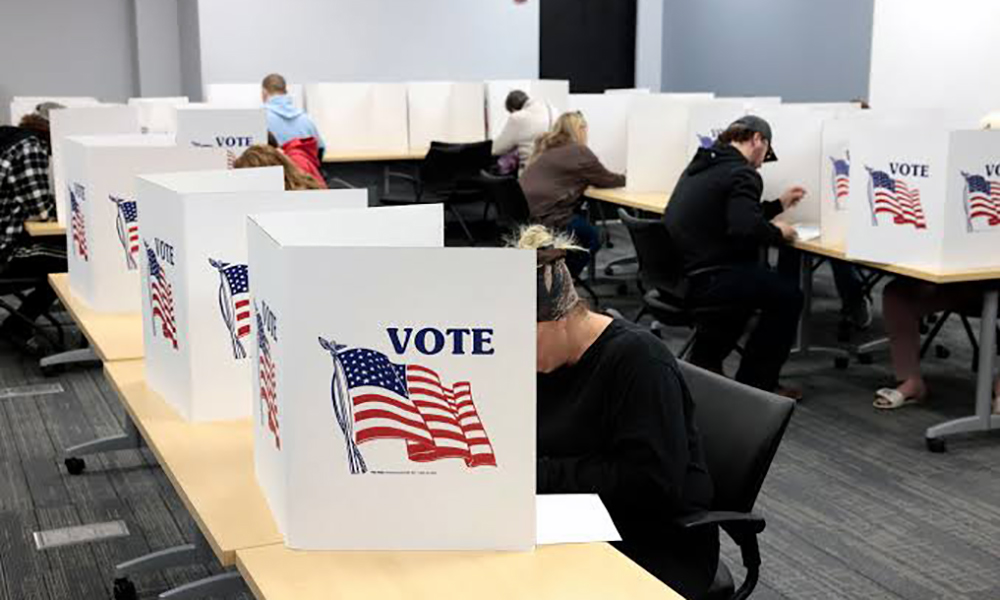
A woman from Afghanistan and a man from Sudan have been charged with allegedly voting illegally in the 2024 US federal election, according to the US Attorney’s Office for the District of Nevada.
In a statement released on October 28, 2026, prosecutors identified the Afghan national as Khalida Safi, a lawful permanent resident of the United States. She is accused of voting in the November 5, 2024 election, which included contests for president, vice president and members of Congress.
In a separate case, Moneir Elzobier Ali Yousif, a Sudanese national and lawful permanent resident, is accused of voting in an election held on October 29, 2024.
Both individuals face one count of voting by an alien. If convicted, each could face up to one year in prison, a fine of up to $100,000, or both.
The Federal Bureau of Investigation (FBI) and Homeland Security Investigations (HSI) investigated the cases.
Authorities said initial court appearances had not yet been scheduled as of the announcement.

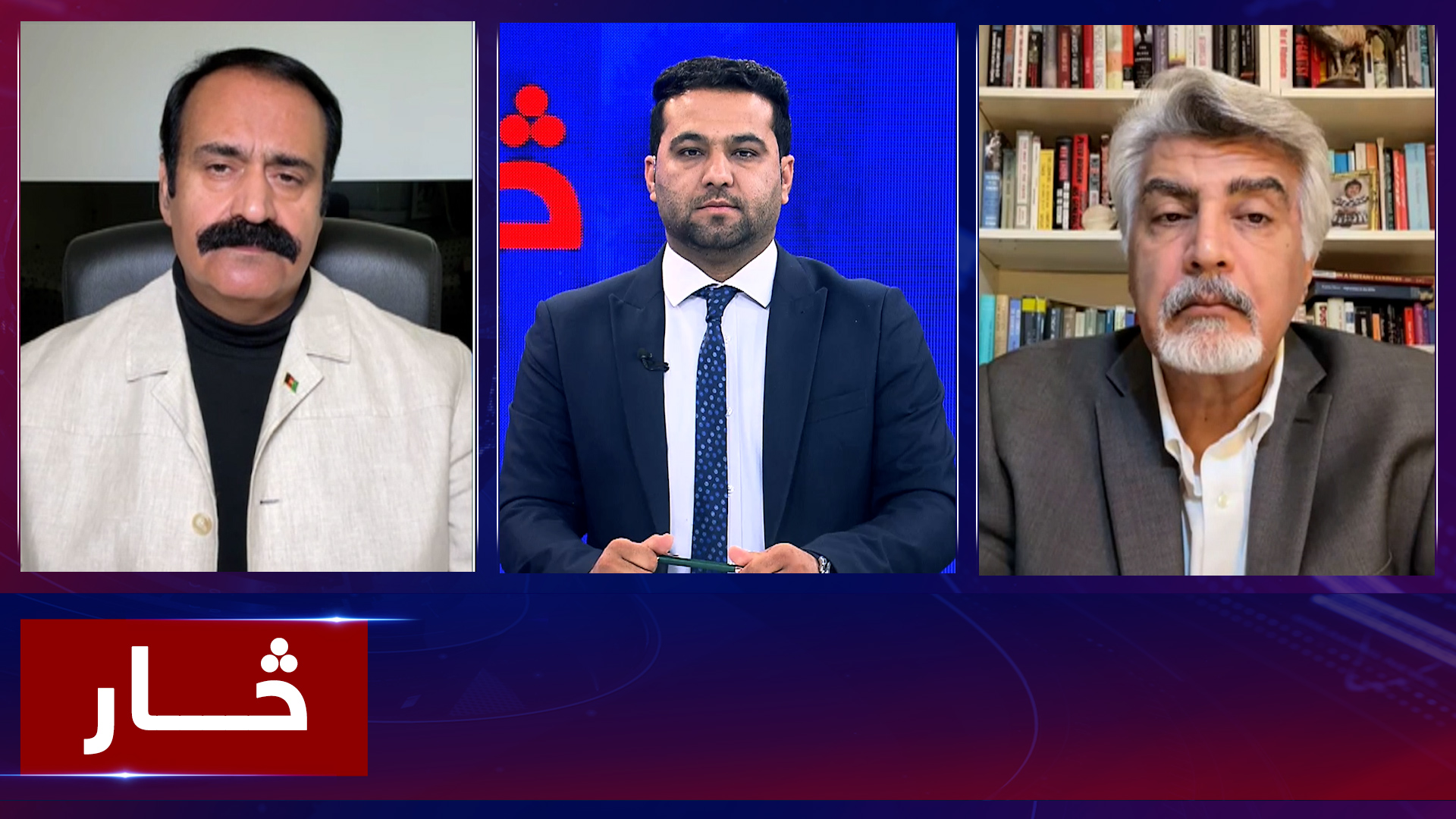
Saar: Regional coalition against Israel-US discussed
Afghanistan rejects UN report showing fourfold rise in poppy cultivation
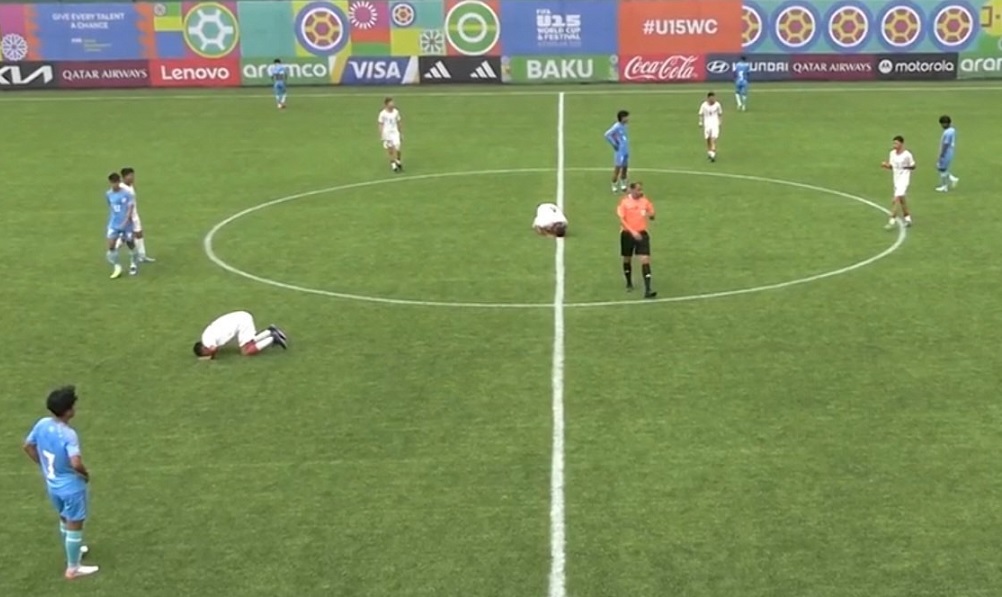
Afghanistan beat India 2-1 at FIFA U-15 World Cup & Festival
Afghanistan seeks stronger standards cooperation with Turkey and regional partners
Afghan woman charged in Nevada over alleged illegal voting in US election

Cricket Bonanza: Afghanistan set for packed international schedule

ACB announces Afghanistan squads for Bangladesh, Zimbabwe series

Afghanistan to face Pakistan, India and Australia at 2027 Cricket World Cup

Four members of one family killed in Helmand in Pakistan airstrike

US imposes sanctions on 13 tied to Iran weapons procurement
Saar: Regional coalition against Israel-US discussed
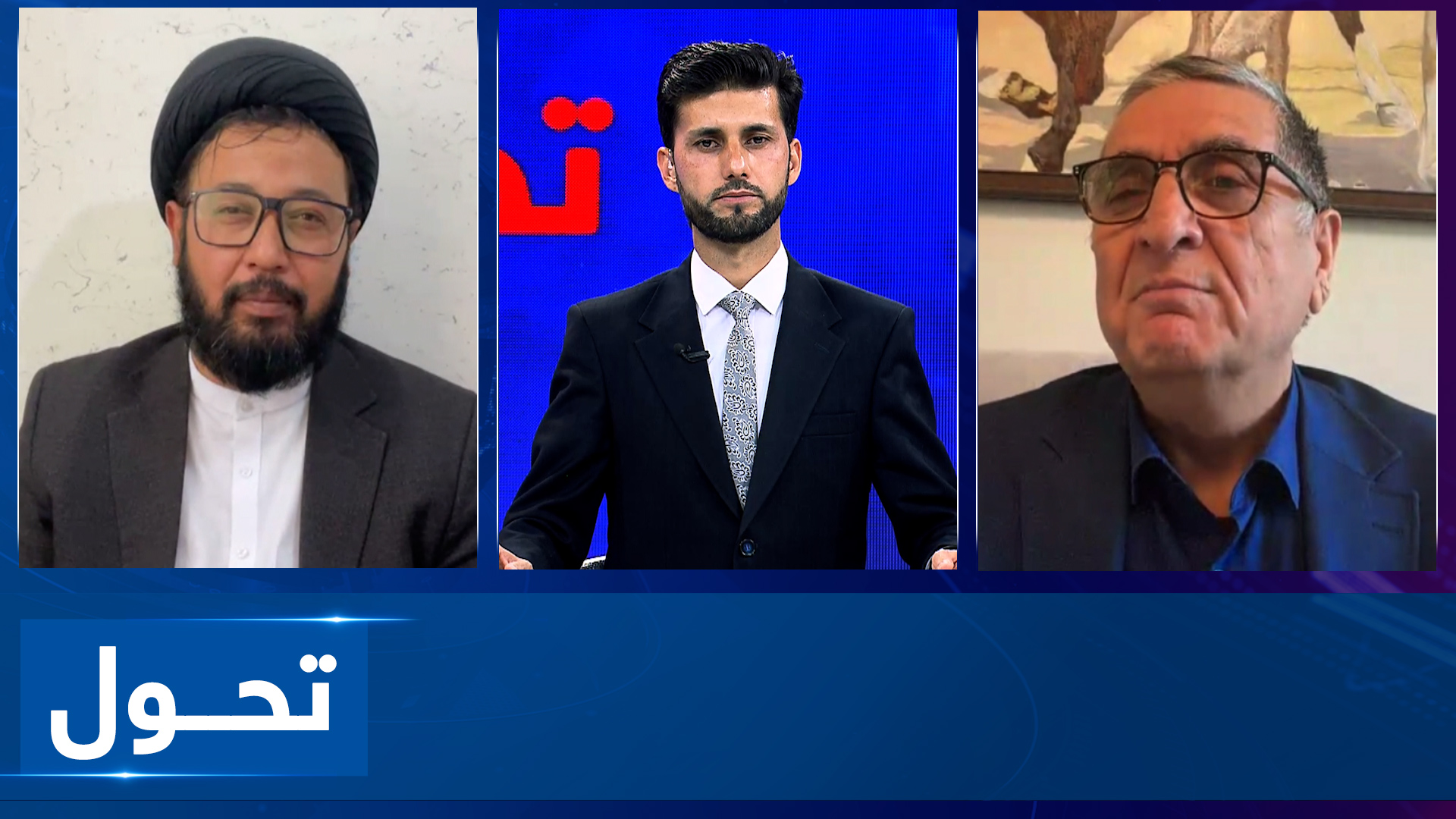
Tahawol: Interest in joining pro-Russian forces discussed
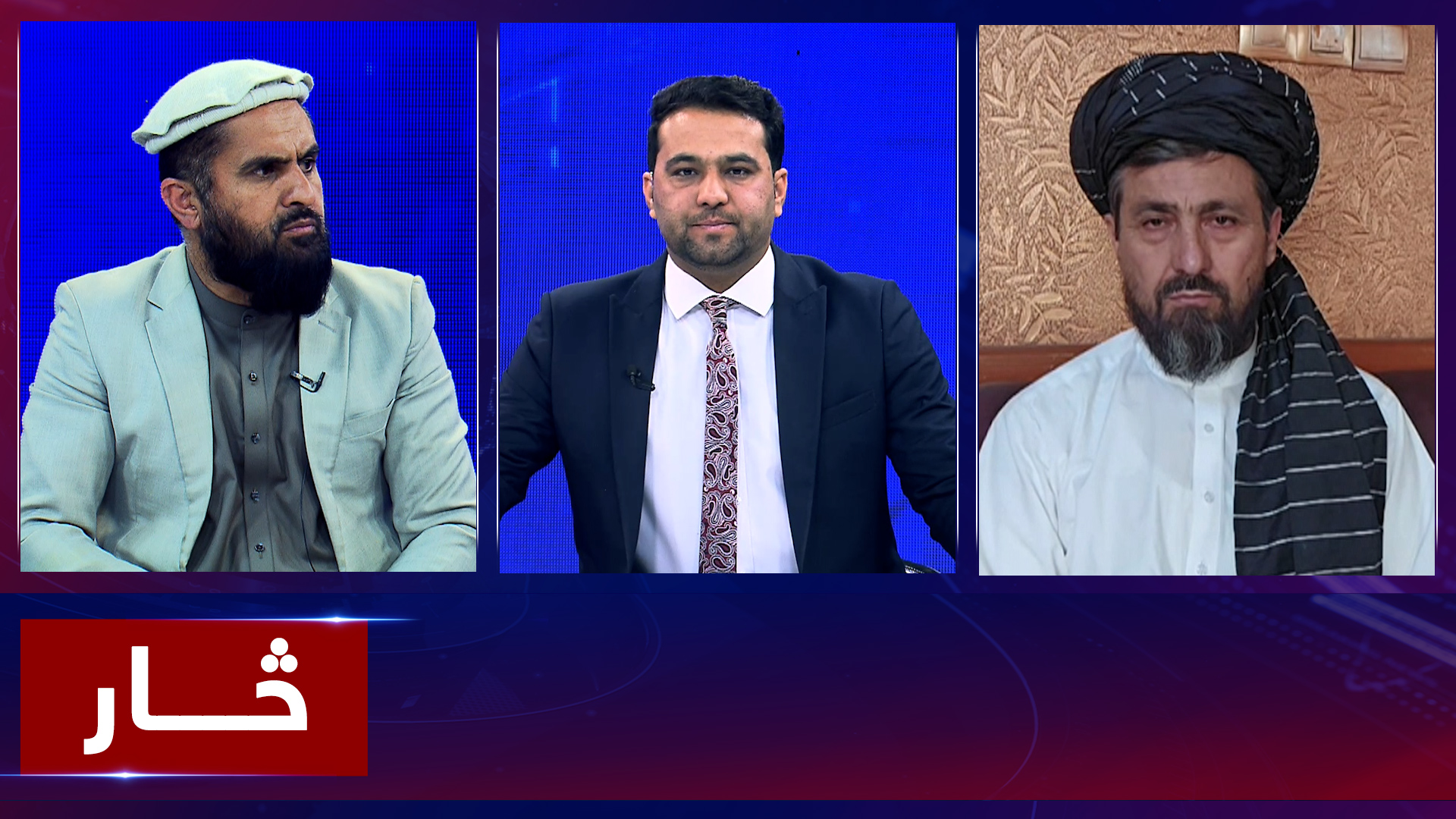
Saar: Refugee returns to Afghanistan ahead of winter discussed
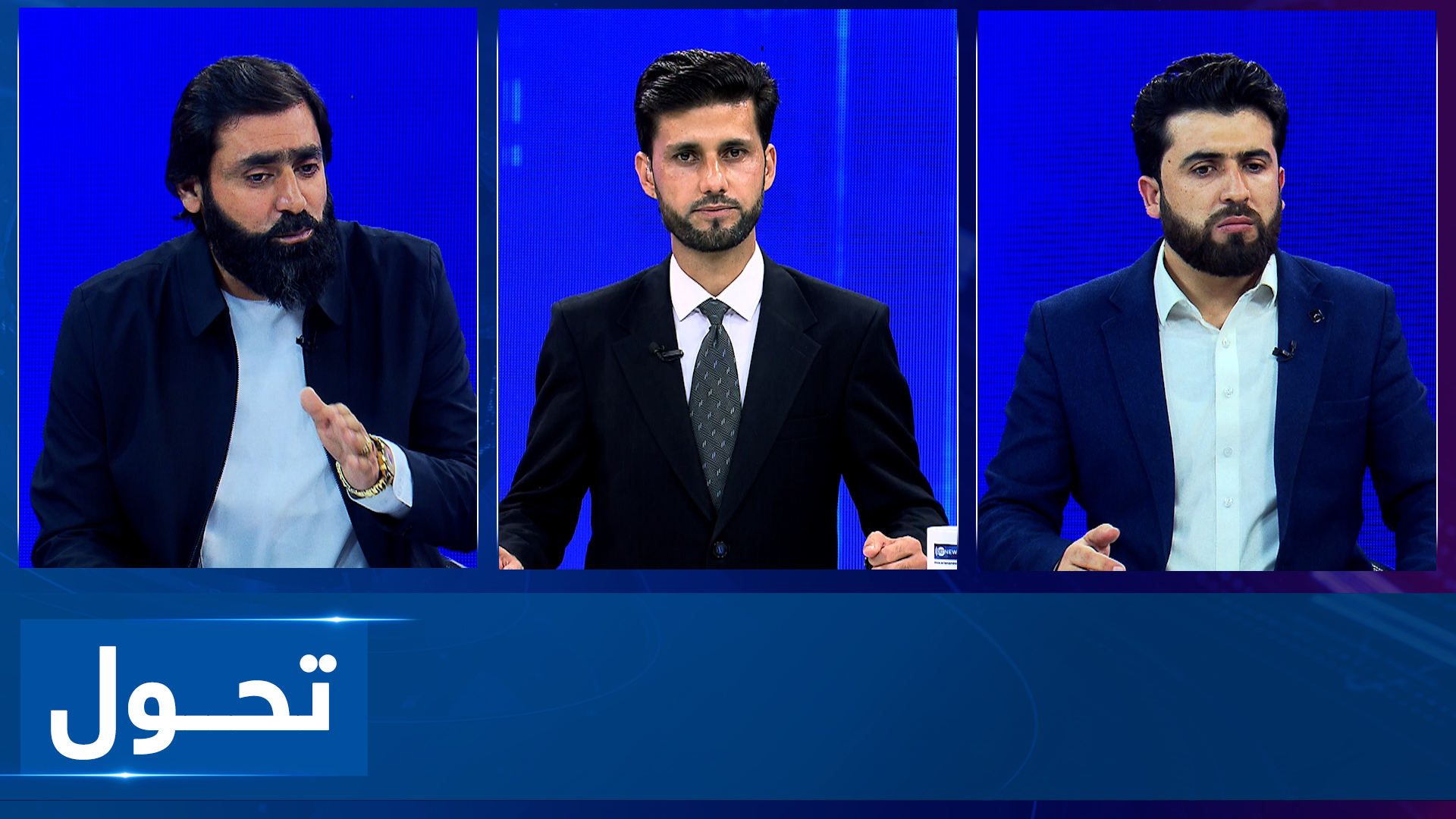
Tahawol: Emphasis on security cooperation at Tehran talks discussed
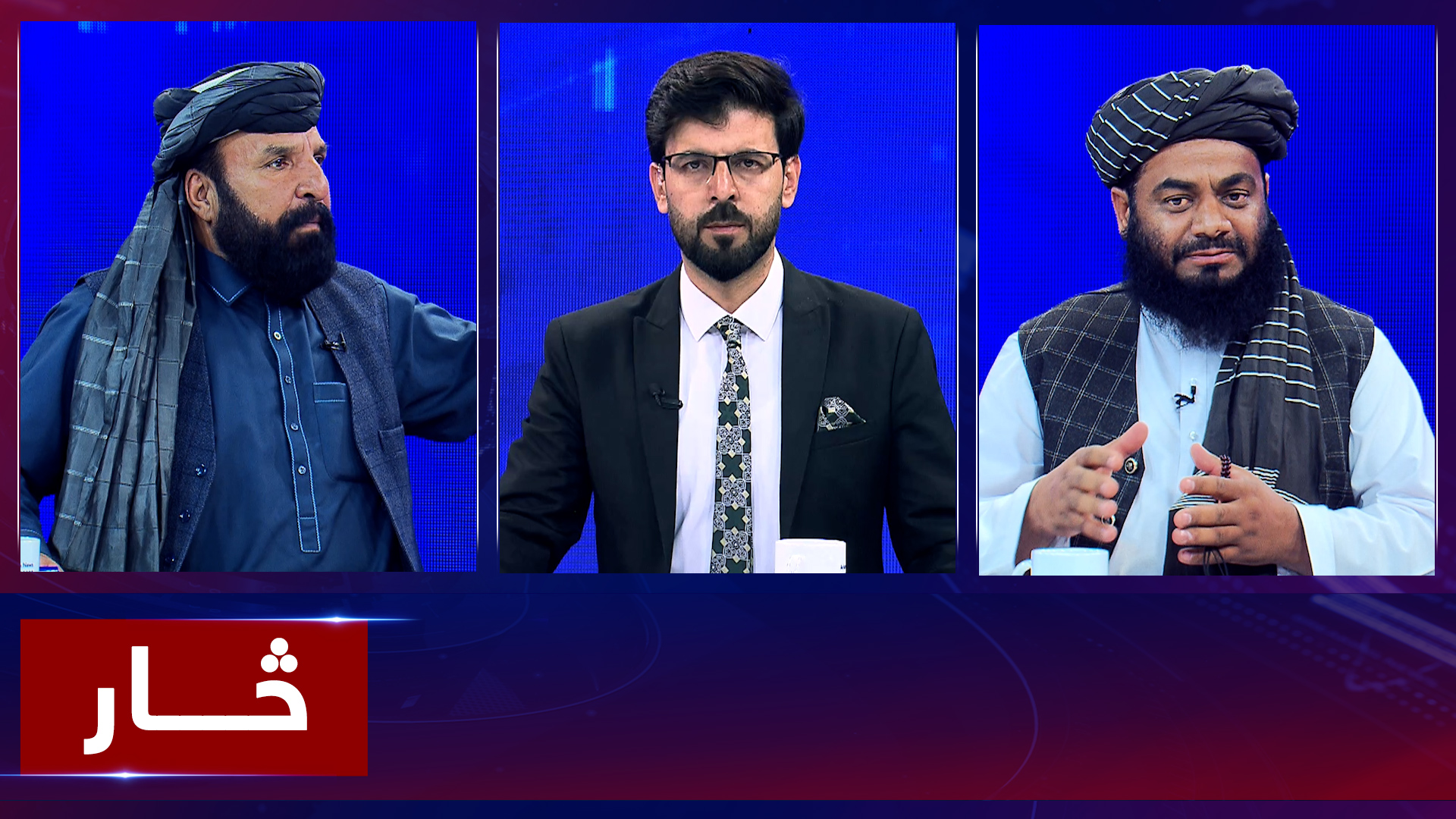
Saar: Pakistan threatening strikes on Afghanistan
-
 Sport4 days ago
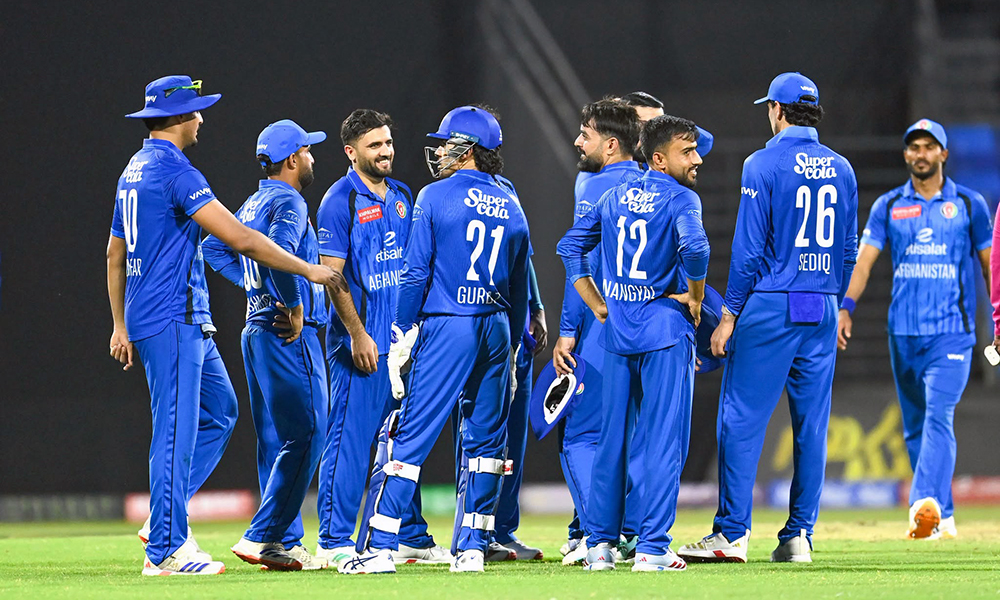
Afghanistan rise above England to match their highest-ever ODI ranking
-
 Business5 days ago
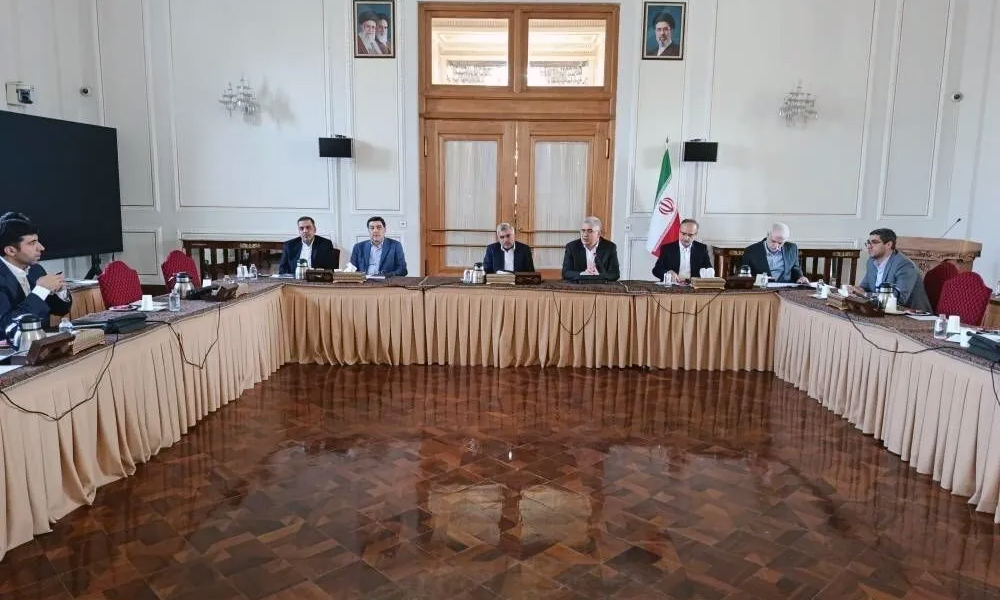
Iran moves to ease export barriers to Afghanistan, Pakistan and Iraq
-
 Latest News4 days ago
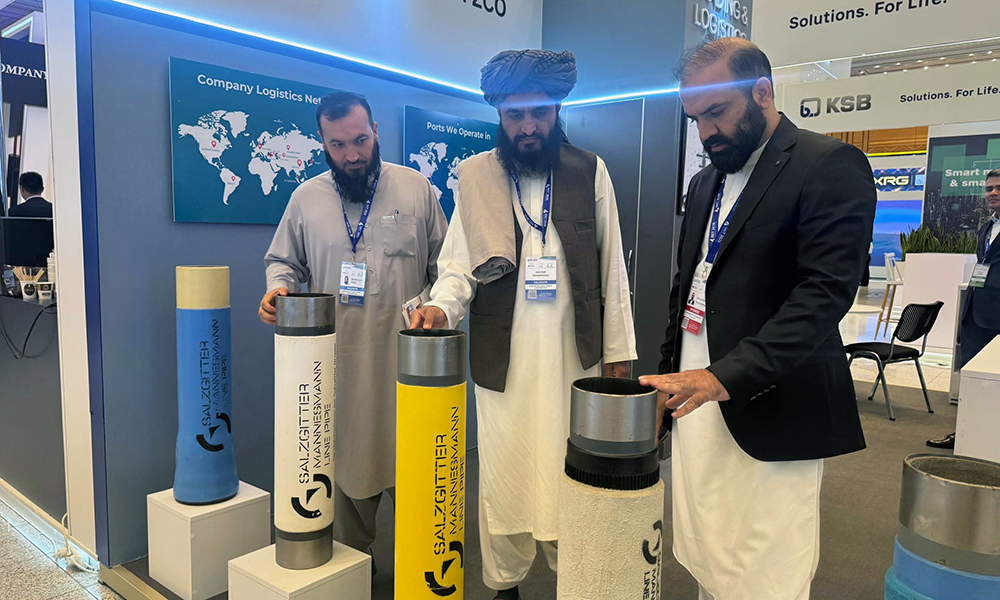
Afghanistan, Turkmenistan discuss Herat gas pipeline expansion and distribution networks
-
 Latest News4 days ago
Balkhi: 1,119 Afghan civilians killed or injured in Pakistani attacks since 2022
-
 International Sports4 days ago
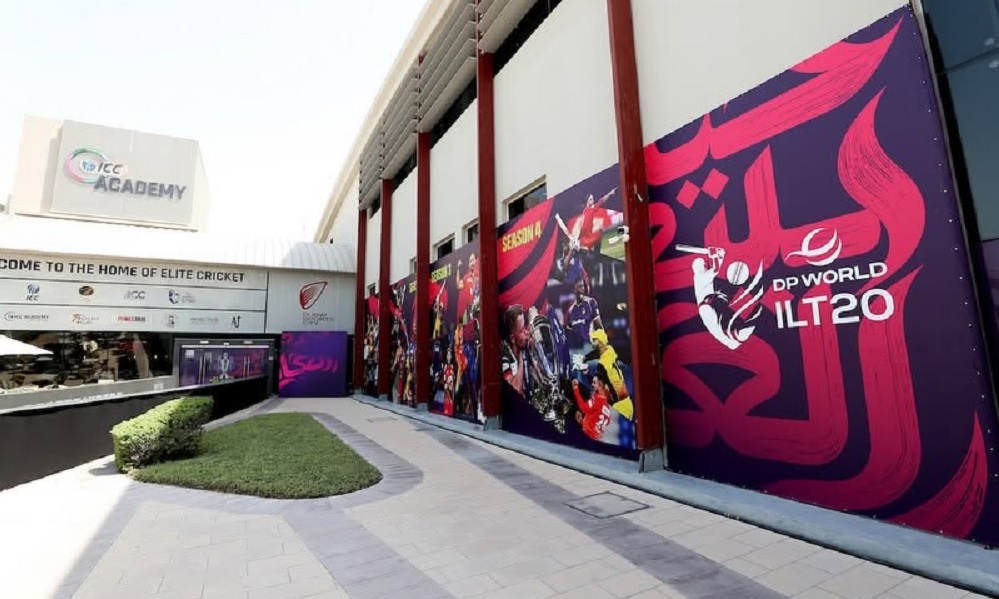
ATN secures exclusive rights to broadcast ILT20 Season 5 in Afghanistan
-
 Regional3 days ago
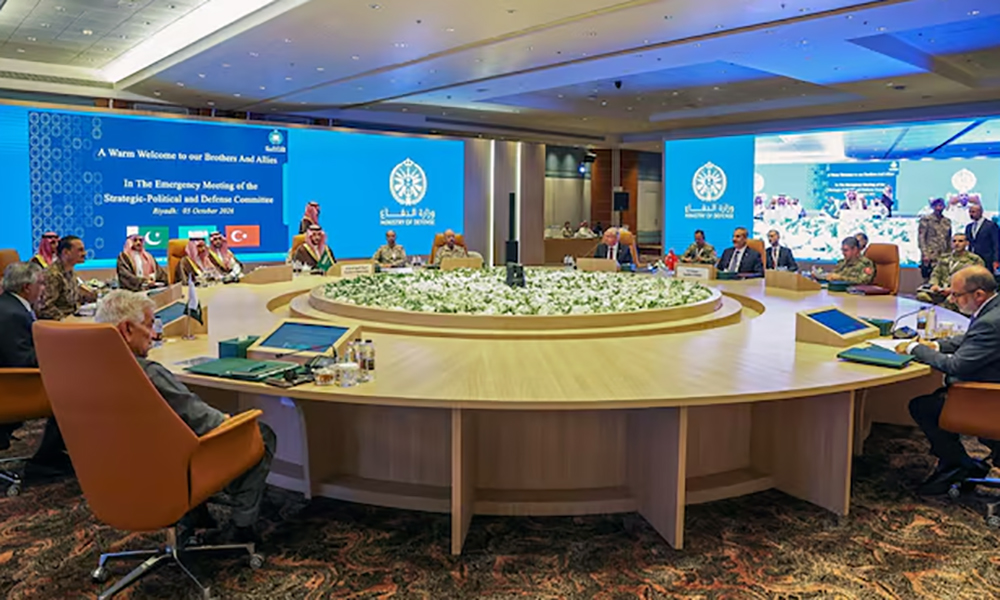
Officials from Mecca pact countries to meet Iranian officials in Tehran
-
 World4 days ago
Four ways US foreign policy could change if Democrats win in November
-
 Sport3 days ago
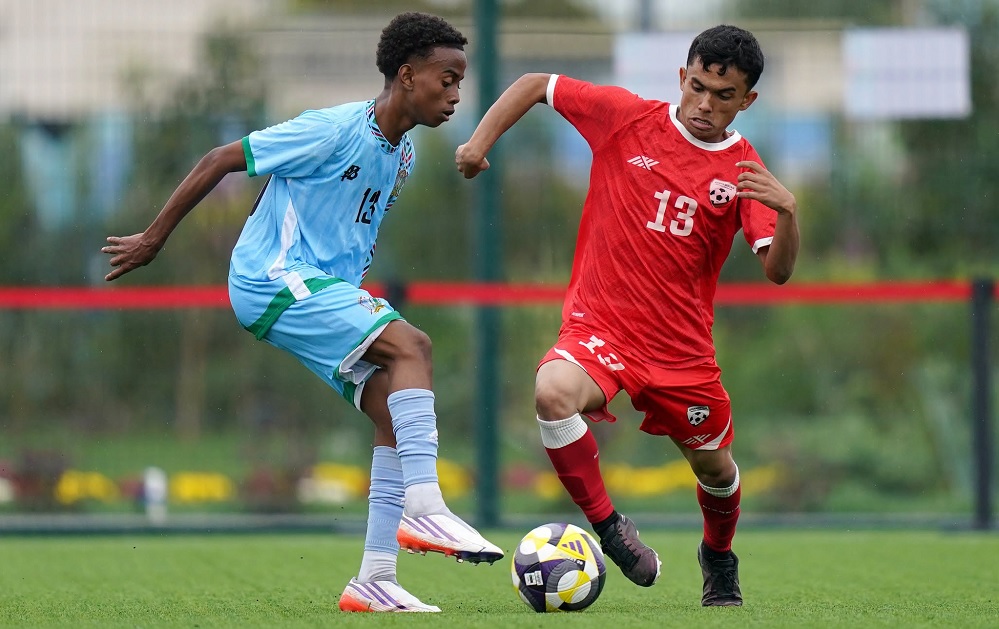
Afghanistan advance to Tier C at FIFA U-15 World Cup and Festival