
Latest News
Iran rerouting more oil to China through Indonesia to dodge US sanctions
Tehran has not confirmed allegations that it uses ship-to-ship transfers or regional intermediaries to mask the origin of its oil.

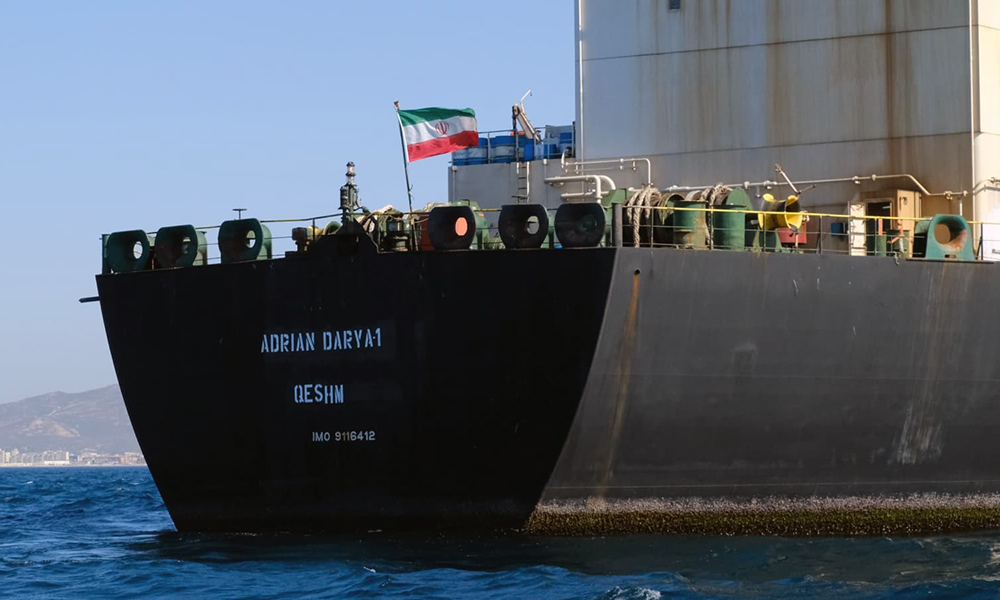
Iran is increasingly using Indonesian waters to move crude oil to China, a shift analysts view as part of Tehran’s efforts to bypass U.S. sanctions targeting its energy exports.
According to a Reuters report, Chinese buyers of Iranian crude are now favoring shipments trans-shipped off Indonesia, replacing Malaysia as the previous hub where Iranian oil was often rebranded before heading to Chinese ports.
Chinese customs figures cited by Reuters show a sharp spike in reported crude imports from Indonesia—from under 100,000 metric tons (mt) in 2024 to 9.81 million mt, or about 235,570 barrels per day (bpd), in the period through October. Over the same timeframe, China’s imports from Malaysia have plunged, falling by nearly half since July after peaking at 8.5 million mt in March.
Reuters reiterated earlier findings that much of China’s reported imports from several South Asian countries are believed to be Iranian oil in disguise. The shift toward Indonesia, the report says, reflects heightened scrutiny from banks over cargoes labeled as Malaysian.
Tehran has not confirmed allegations that it uses ship-to-ship transfers or regional intermediaries to mask the origin of its oil. Still, Iran’s export volumes have risen steadily in recent years, and industry experts say a large portion likely flows to private Chinese refineries—despite China officially reporting no imports of Iranian crude since 2022.
Data from energy analytics firm Kpler indicates China brought in an average of 1.37 million bpd of Iranian crude during the first ten months of this year.






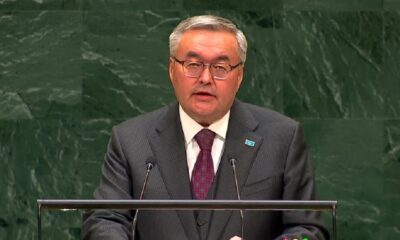




Kazakhstan’s Foreign Minister Mukhtar Tileuberdi has called for pragmatic and coordinated international engagement with Afghanistan, saying the country’s long-term stability is closely linked to the security and sustainable development of Central Asia.
Speaking during the general debate of the 81st session of the United Nations General Assembly in New York on Friday, Tileuberdi said humanitarian assistance to Afghanistan remains essential but alone cannot break the cycle of poverty, displacement and dependency.
He said Kazakhstan supports a “pragmatic, coordinated and step-by-step” approach to international engagement with Afghanistan, with the United Nations playing a central role.
Tileuberdi also said Kazakhstan is working with the UN to operationalize the United Nations Regional Centre for the Sustainable Development Goals for Central Asia and Afghanistan in Almaty.
He said the success of the centre should be measured by the results and assistance it delivers to the region.


Afghanistan Champions League: Omar Zawak Herat beat Toofan Herat 1-0

Blast in Pakistan’s Dera Ismail Khan kills 11, injures 30

Ariana Afghan Airlines increases Kabul-Delhi cargo flights

Khalilzad questions Pakistan’s commitment to Afghan welfare

India, UN envoy discuss Afghanistan’s humanitarian needs

Saudi energy group signs major Afghanistan deals covering gas exploration and pipeline plans

Trump floats idea of renaming Atlantic or Pacific Ocean

US hits Egyptian bank branches with Iran sanctions as war marks six months

Nepal flood rescue mission enters critical phase as thousands remain missing

Iranian clubs to face Gulf opponents at neutral venues in Asian Champions League Elite

Exclusive interview with Abdul Latif Mansoor, Minister of MRRD

Tawsia: Overview of Afghanistan’s iron mines

Tahawol: Discussion on fresh Pakistani airstrikes on Afghanistan

Saar: Calls for international support for Afghanistan discussed

Tahawol: Opening of the 81st UN General Assembly Session
-

 World4 days ago
CNN, MS NOW and Politico sue Trump, challenging White House ban
-

 Latest News3 days ago
Ariana Afghan Airlines ranks seventh among 45 Central Asian airlines
-

 Latest News4 days ago
UN reiterates call for respect for international law after Kunar airstrikes
-

 Latest News5 days ago
Khalilzad condemns Pakistan airstrikes, says current strategy is not working
-

 Regional3 days ago
US and Iran hold first talks since June after Trump’s ‘annihilation’ threat
-

 Latest News3 days ago
Silk Road highway in Wakhan corridor now reaches the China border
-

 Latest News4 days ago
Afghan Official: Pakistan’s airstrikes will not go unanswered
-

 Regional4 days ago
G7 foreign ministers call on Iran to stop arming Houthis