
Latest News
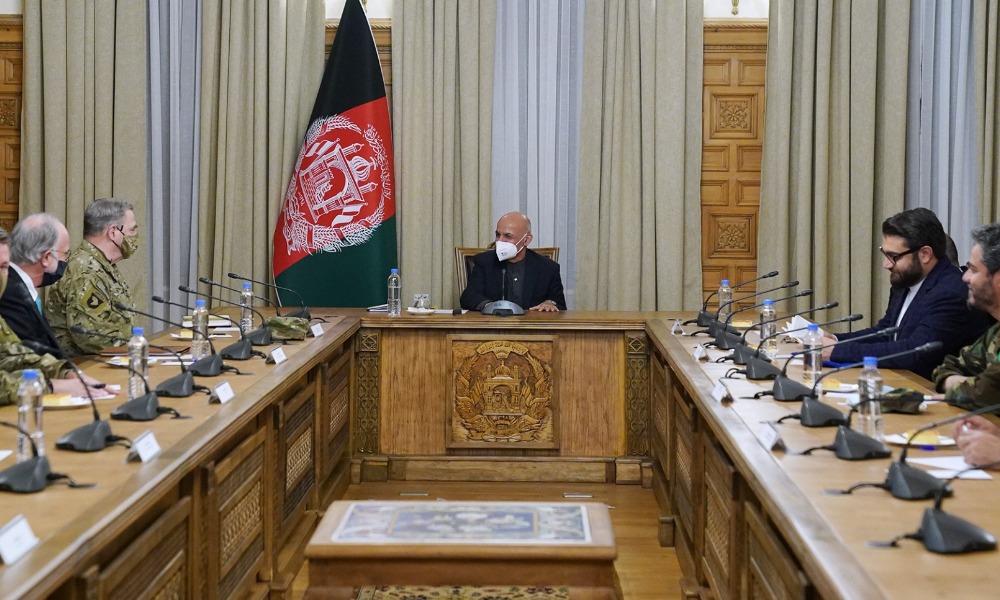
Ghani meets with US army chief, discusses increase in violence







Latest News
Pakistan-backed armed groups in Balochistan using former Afghan government forces: report
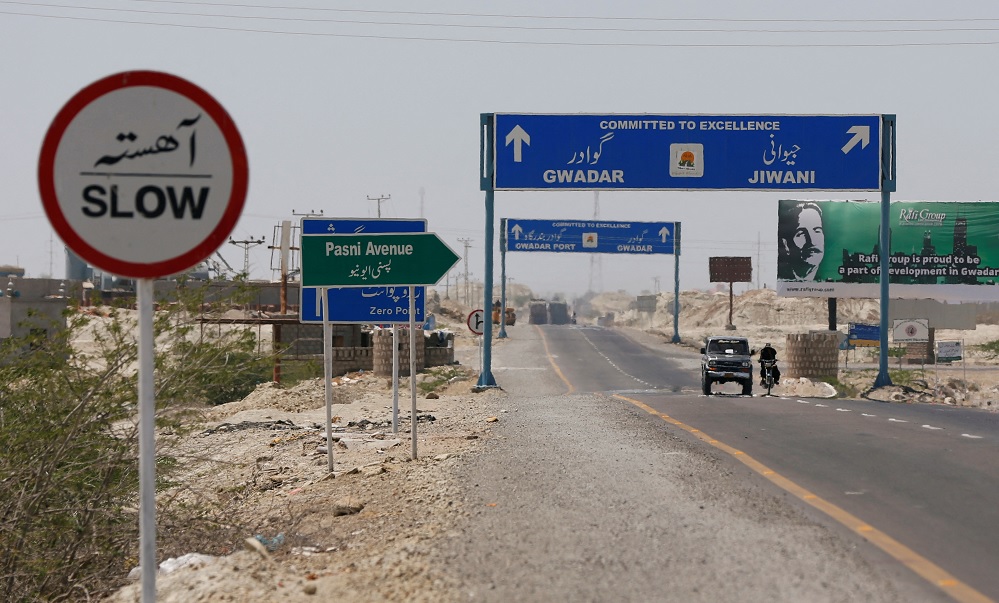
According to an investigative report by Parrhesia News, Pakistan’s security agencies are using state-backed armed groups in Balochistan to pursue security objectives and counter Baloch armed opposition, with some former members of Afghanistan’s security forces also recruited into these groups.
The report, published on August 6, claims that groups known as “Lashkars” operate in Balochistan with the support of Pakistan’s security agencies and play a role in security and counterinsurgency operations alongside the country’s army, border forces and intelligence agencies.
According to the investigation, these groups serve as proxies, allowing Pakistan to carry out some security and counterinsurgency operations through armed groups that are not formally part of the state structure.
Parrhesia News claims that some former members of Afghanistan’s security forces, who left the country after the fall of the republic in 2021, have also joined these groups. The report says their military training, combat experience and familiarity with border operations make them valuable to these networks.
The report says the use of former Afghan personnel allows Pakistan-backed armed groups to deploy experienced fighters in their operations without officially increasing the size of Pakistan’s security forces.
The outlet also claims that the former Afghan personnel are primarily motivated by financial needs and finding a way to make a living, and that they have no interest in participating in a potential conflict against Afghanistan.
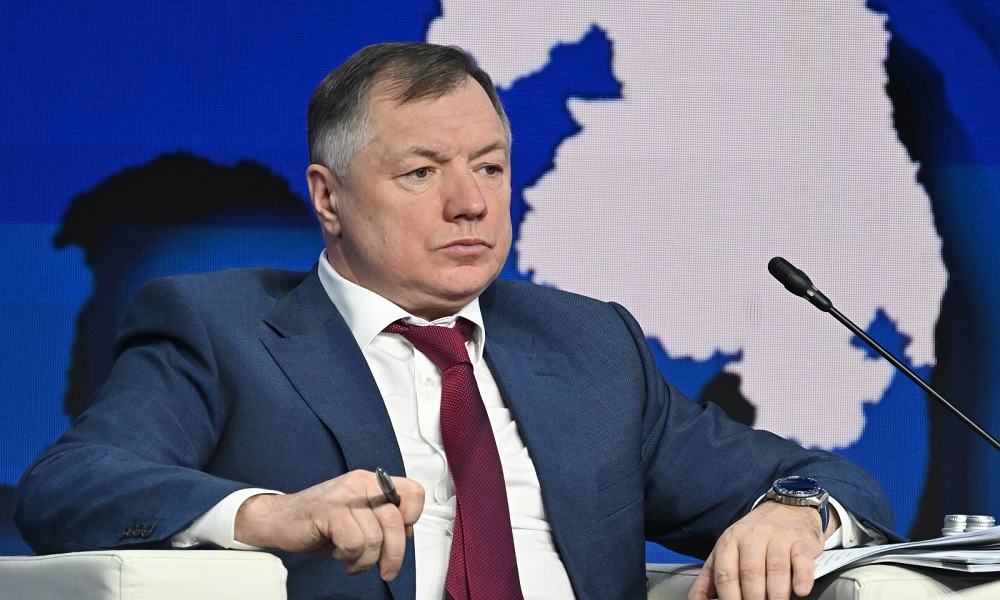
Russia should explore establishing a railway route to the Indian Ocean through Afghanistan to reduce risks associated with the Bosphorus and Strait of Hormuz, Russian Deputy Prime Minister Marat Khusnullin said.
Speaking in an interview with TASS, Khusnullin said alternative rail routes could pass through Turkmenistan, Iran, Afghanistan and Pakistan before reaching India.
“A rail link to the Indian Ocean should also be explored,” Khusnullin said. “Risks related to the Bosphorus and the Strait of Hormuz might require alternative routes: through Turkmenistan, Iran, Afghanistan, and Pakistan. Any options providing access to India are acceptable.”
The proposal comes amid concerns over the security and reliability of shipping through the Strait of Hormuz following the escalation of tensions involving the United States, Israel and Iran.
The Strait of Hormuz is a major global energy route, through which a significant share of the world’s oil and liquefied natural gas shipments passes.


Pakistan-backed armed groups in Balochistan using former Afghan government forces: report

Afghanistan secure direct qualification for 2027 Men’s ODI World Cup

Turkey, Pakistan, Saudi Arabia defence pact technically same as NATO’s Article 5, Turkish minister says

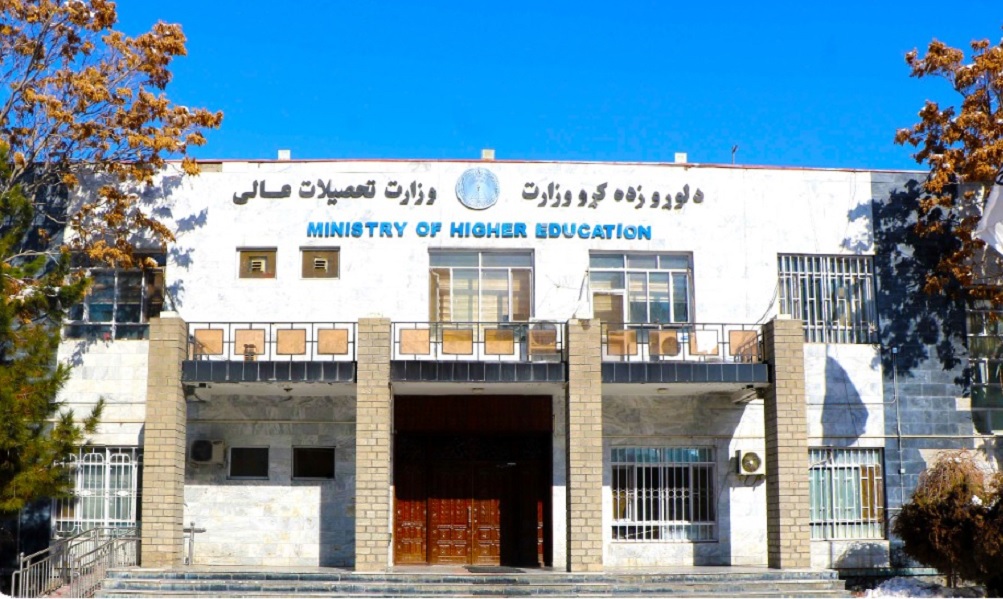
Afghanistan suspends 7 private universities for one year, revokes licenses of 2 others

Russia eyes railway route via Afghanistan as alternative to Strait of Hormuz

Pakistan’s governance system has ‘collapsed’: Mohsin Naqvi

India offers 1,000 online scholarships for Afghan students for 2026-27 academic year

Turkey spent over $120 million to prepare airport for Qatar-donated U.S. presidential aircraft

FIFA’s inaugural YouTube Creator Cup to stream live on Ariana Television and Ariana Sport YouTube channels

FIFA World Cup semi-final line-up confirmed

Tahawol: Escalating disputes over Iran war discussed

Saar: Turkey, Saudi Arabia and Pakistan defense pact reviewed

Tahawol: End of US sanctions waiver for Chabahar Port discussed

Saar: US warns of ISIL-K threat in Afghanistan discussed

Tahawol: Limited choices of small states in global politics discussed
-

 Sport5 days ago
Afghanistan aim to strengthen ODI ranking in Ireland series
-

 Latest News4 days ago
Khalilzad says Pakistan needs ‘reset’ amid economic crisis and rising instability
-

 Latest News4 days ago
First Afghanistan-Ireland ODI abandoned without a ball bowled
-

 Sport4 days ago
Afghanistan aim for winning start against Ireland
-

 Sport3 days ago
Afghanistan holds Russia to 3-3 draw, earns first point at Continental Futsal Championship
-

 Latest News4 days ago
Afghan boxer appears in Greek court over death of Scottish woman
-
 Business3 days ago
Uzbekistan’s Fergana region strengthens economic ties with Afghanistan
-
 Regional3 days ago
Iran threatens to hit Gulf states if US launches new strikes