
Latest News
More than 600,000 Afghans return home in past year

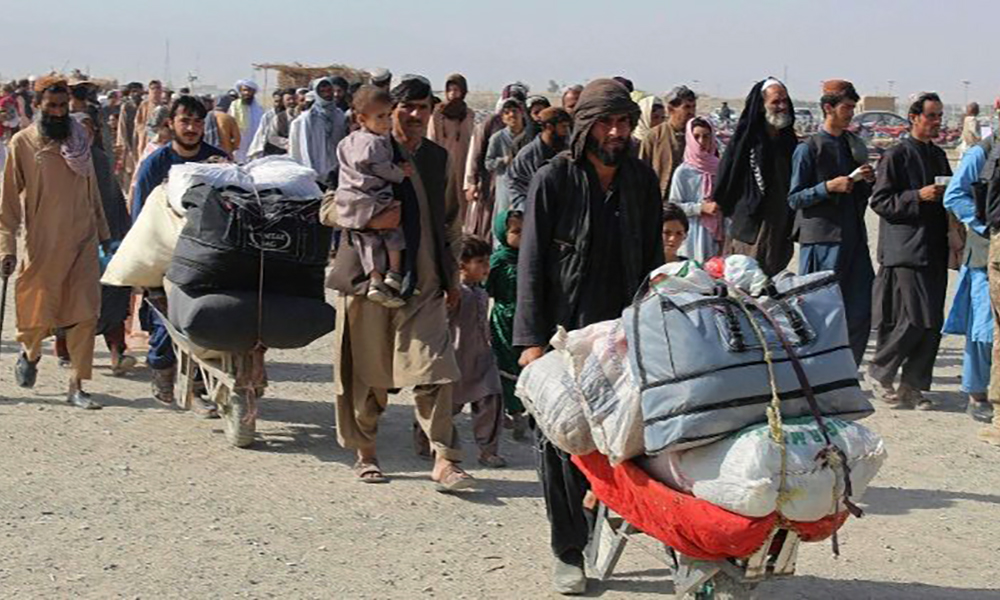
The Ministry of Refugees and Repatriation said Sunday that in the last year, more than 600,000 Afghans have returned to the country.
Mohammad Arsala Kharoti, Deputy Minister of Refugees and Repatriation Affairs said at a press conference, as part of the IEA’s accountability program: “622,800 Afghans returned to Afghanistan from Pakistan, Iran and other countries under the rule of the Islamic Emirate, and 116,868 returnees in the border provinces have received humanitarian aid.”
According to officials, 272,925 internally displaced families were identified in the past year, 78,421 families were transferred to their native provinces and 860,640 families received humanitarian aid.
In addition, education has been provided for 8,400 returnees and internally displaced persons, and 1,600 Afghans has been stopped from leaving the country illegally.
According to the ministry, the management of the transfer and distribution of humanitarian aid from China, Kyrgyzstan, Qatar and Pakistan, the distribution of aid to 7,000 flood victims in Helmand and Kandahar, the distribution of emergency aid to the victims of Jawzjan, Badakhshan, Badghis, Khost and Paktika, the transfer of 36,000 displaced families from Kabul, fair distribution of humanitarian aid from Al-Khidmat Institute in Paktika, collecting aid for 1,000 families in Panjshir, organizing vocational training courses and distributing equipment to 160 families, are some of the actions of this ministry in the past year.
Officials said due to the follow-up efforts of the leadership of this ministry, during the current year, 250 Afghan immigrants living in Pakistan and Iran were able to perform Hajj.
According to the officials, the necessary arrangements have been made with Pakistan, China, Iran and Turkey regarding the handling of the situation of Afghan immigrants, the provision of services and the establishment of an orphanage with a capacity of 20 thousand people, and in order to provide emergency services, distribute aid and create economic opportunities 47 memorandums of understanding have been signed with partner institutions and organizations.


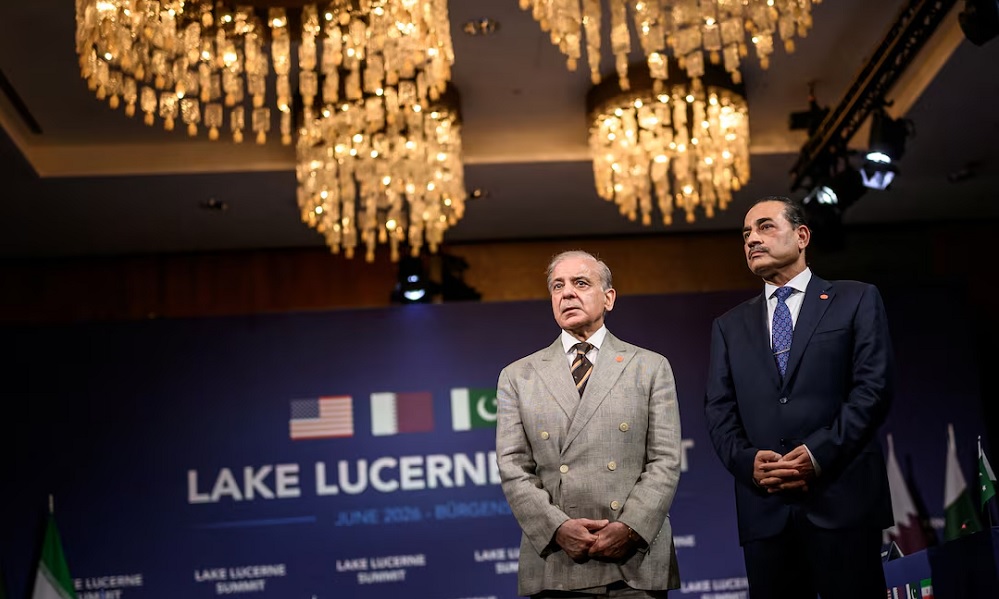
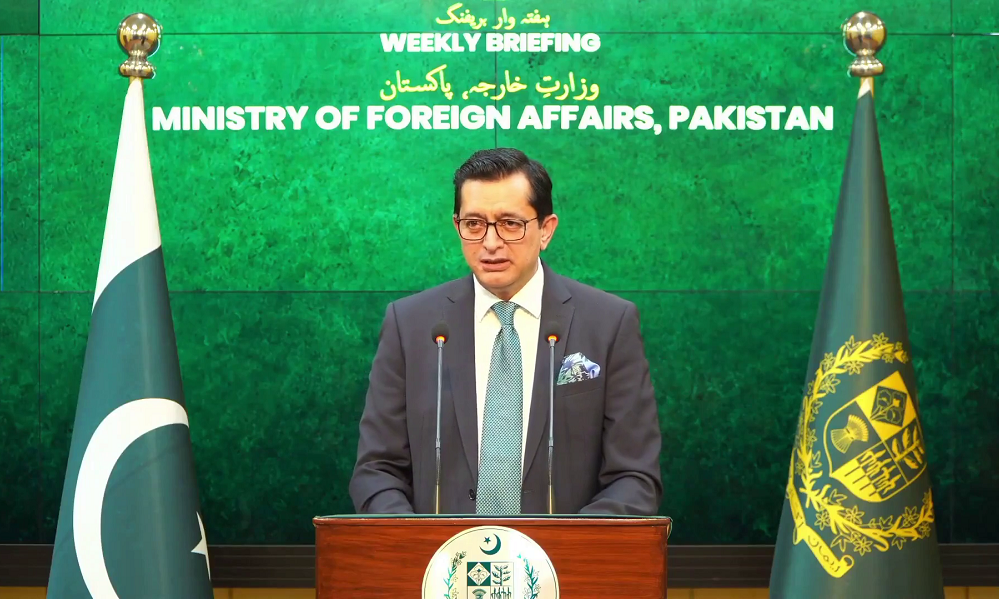
Pakistan’s Foreign Ministry says it is reviewing reports that the Trump administration plans to deport Afghans through Pakistan, adding that it is consulting relevant stakeholders to find a mutually acceptable way forward.
Foreign Ministry spokesperson Sajjad Haider Khan made the remarks at a press conference on Friday, saying Islamabad remained committed to close coordination with its allies and partners.
“We will continue to act in accordance with our international obligations and established protocols,” Khan said.
He added that the matter was under consideration and that all relevant aspects were being carefully examined in consultation with concerned stakeholders.

Pakistan-based Bank Alfalah has completed its exit from Afghanistan after 20 years of operations, transferring its local banking business to Ghaznfar Bank, the lender said in a notice to shareholders on Friday.
The bank said the transaction was completed on November 5 after the signing of final agreements, approval from the State Bank of Pakistan and Da Afghanistan Bank, and fulfilment of other required conditions.
The deal allows Bank Alfalah to sell and transfer its operations in Afghanistan to Ghaznfar Bank, following approval from the regulatory authorities in both countries.
“Bank Alfalah has accordingly ceased its banking operations in Afghanistan and will complete the closure of its Afghanistan branches in accordance with applicable regulatory requirements,” the notice said.
Bank Alfalah began operating in Kabul in 2005, offering both conventional and Islamic banking services.
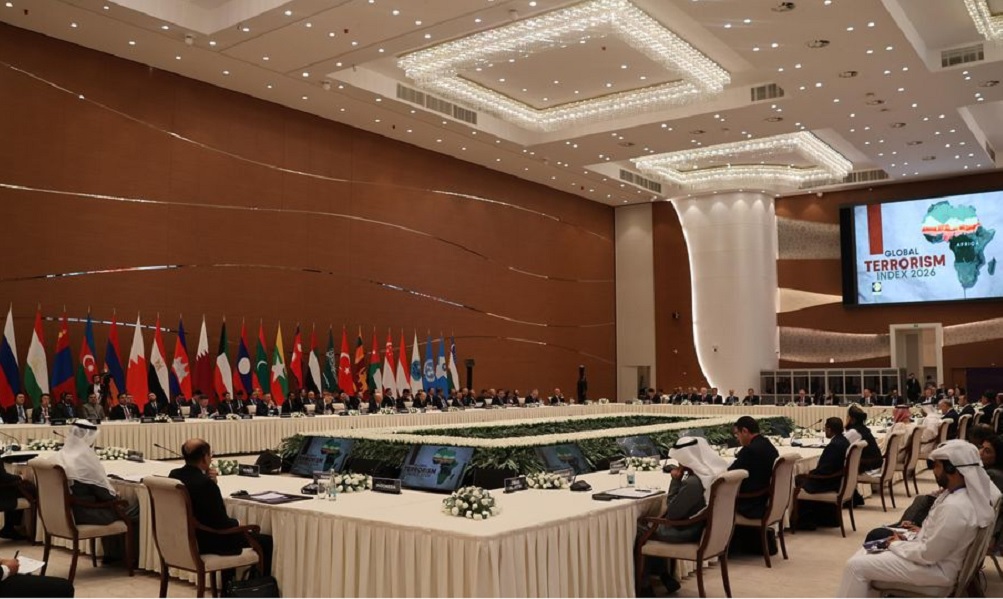
Abdul Haq Wasiq, head of Afghanistan’s General Directorate of Intelligence (GDI), has said that Daesh uses social media platforms, including Telegram and TikTok, to communicate, secure financial resources and promote ideological diversion.
Wasiq made the remarks at the First SCO Plus Expert Dialogue on Security Issues in Samarkand, Uzbekistan.
He said the Islamic Emirate of Afghanistan (IEA), based on its beliefs and convictions, is at the forefront of the fight against Daesh. However, he added that Afghanistan faces serious constraints in dismantling the technical capabilities of the group.
According to Wasiq, technology companies and operators of Telegram and TikTok do not cooperate with Afghanistan in efforts to counter Daesh activities, a situation he said allows the group greater room to operate around the world.
The intelligence chief added that Daesh causes significant civilian casualties each year through its activities in different countries.
The First SCO Plus Expert Dialogue on Security Issues was held in Samarkand on November 5 and 6. Representatives from 24 countries and five international organisations attended the event to discuss counterterrorism, extremism and emerging security threats.

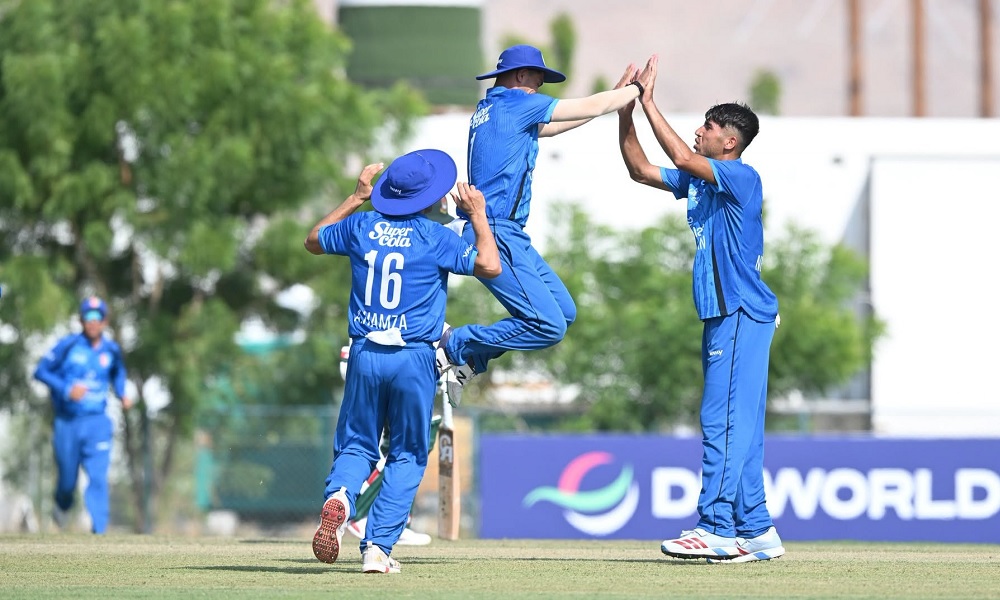
Afghanistan U-19 crush Malaysia by 10 wickets for second straight Asia Cup win
Pakistan reviews US plan to deport Afghans through its territory

Pakistan’s Bank Alfalah exits Afghanistan after 20 years
Daesh uses Telegram and TikTok for communication and funding: Afghan spy chief
UK-Afghanistan trade falls 16.7% to £70 million over 12 months

Afghanistan finish runners-up after 6-0 defeat to Brazil in futsal final

Trump says US will not attack Iran before midterm elections in November

Trump says US may strike Iran’s ‘Pickaxe Mountain’ nuclear facility

Afghan futsal coach: Brazil tournament is first step towards new goals and World Cup

WHO calls for greater mental health support in Afghanistan
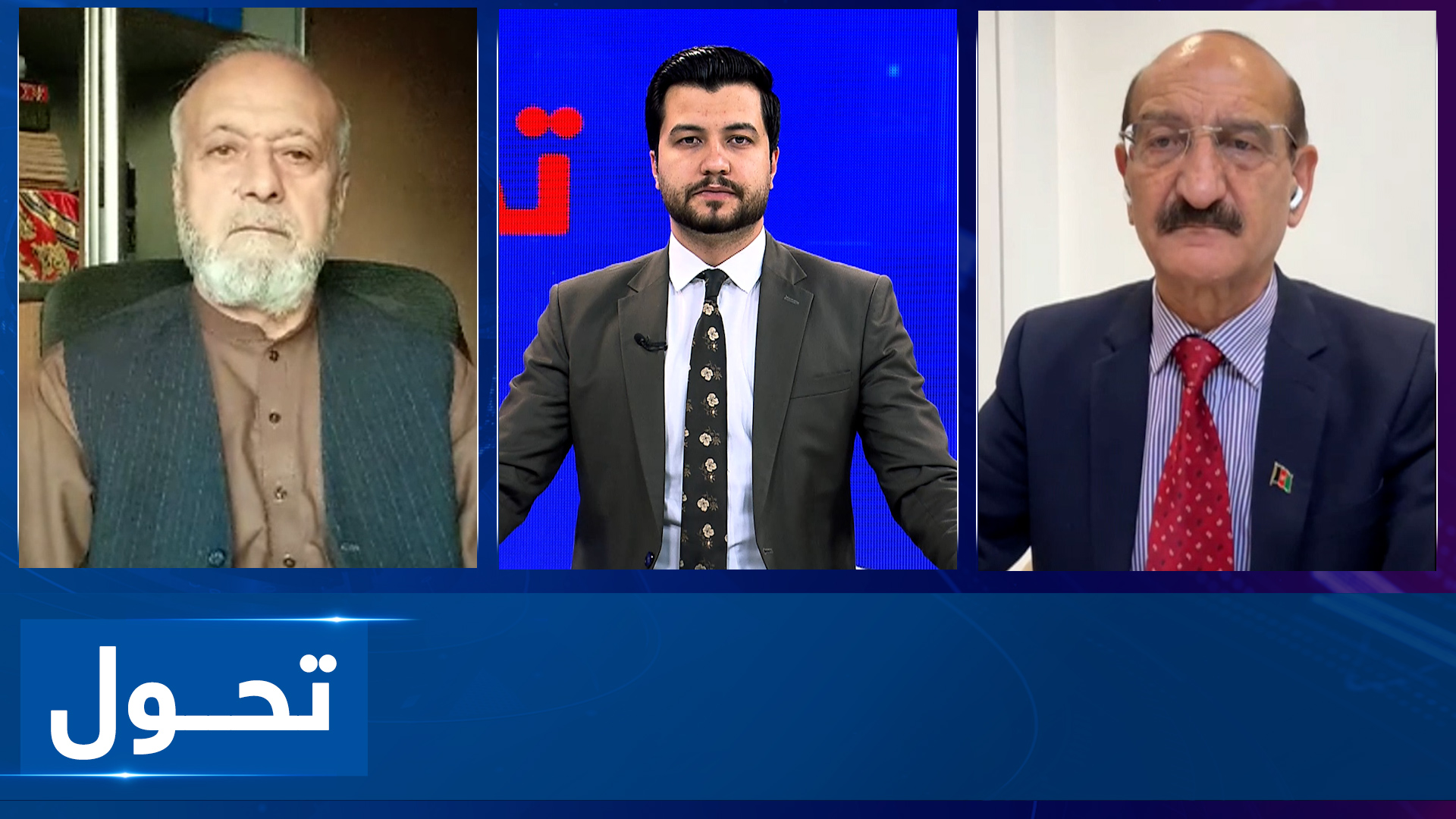
Tahawol: Calls for stronger joint action against terrorism discussed
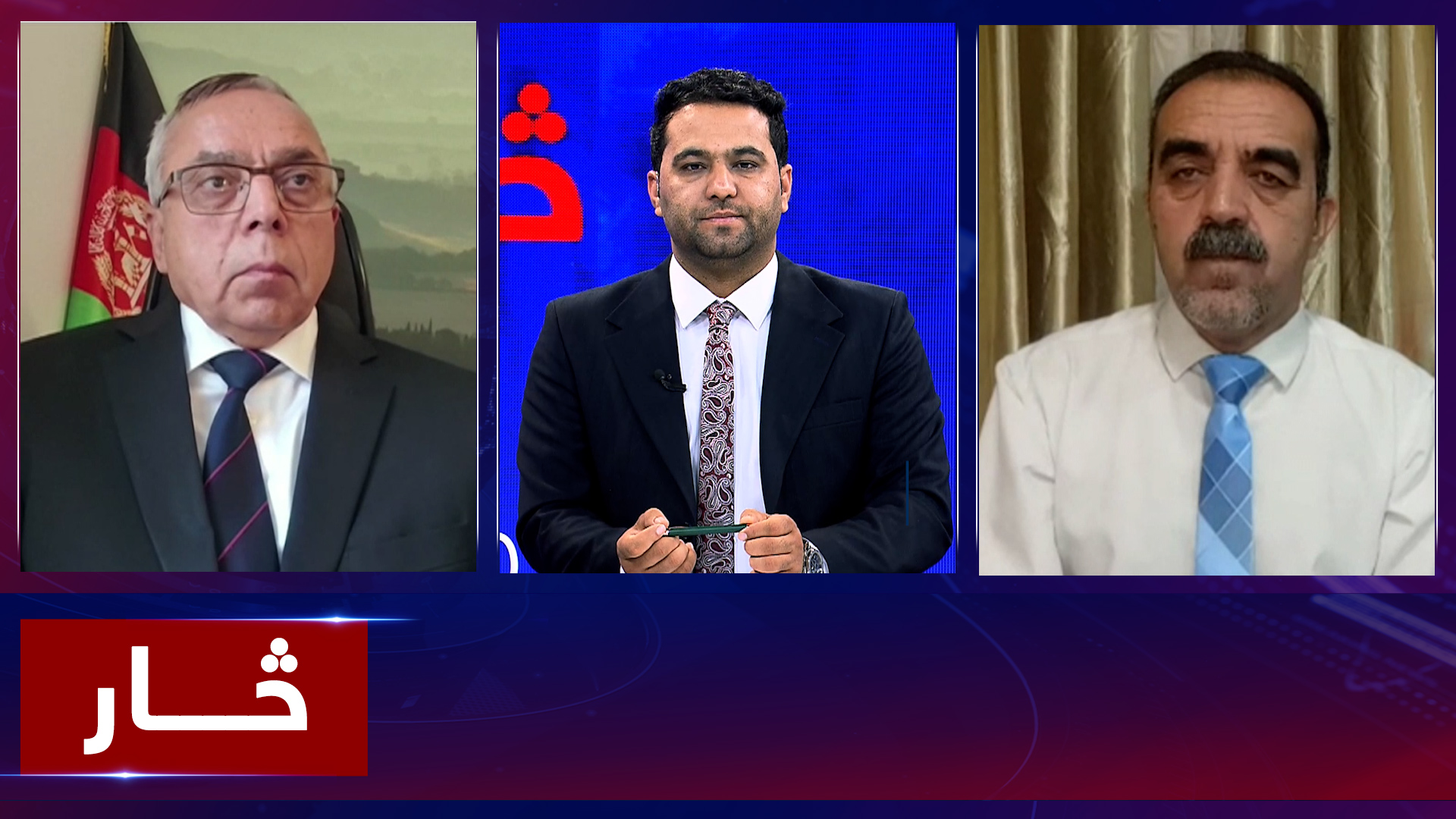
Saar: Impact of closing trade routes between Kabul-Pakistan discussed

El-Sayed’s historic victory opens a new chapter for Muslim Americans
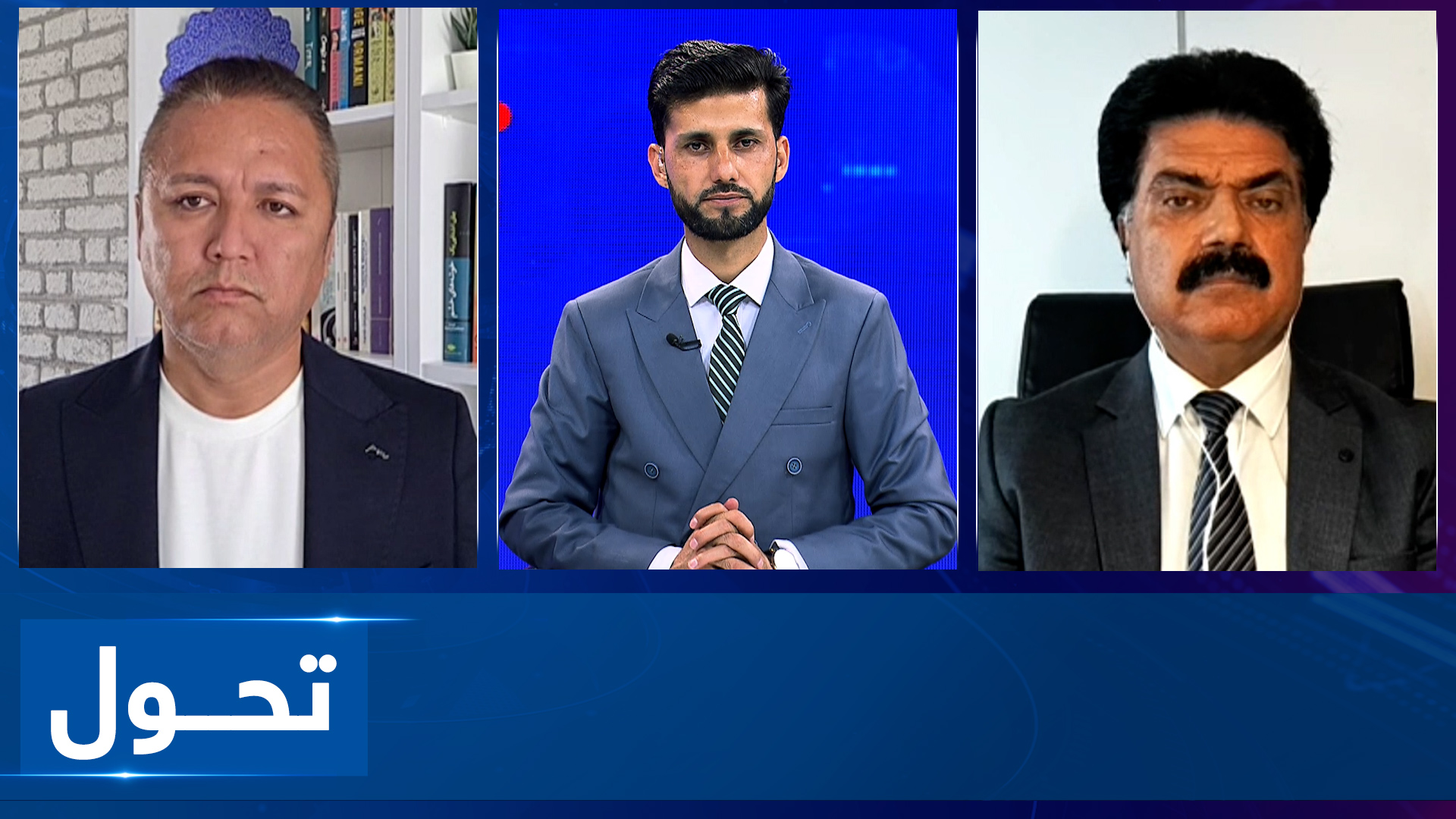
Tahawol: Russia’s Moscow Format for Afghan issues discussed
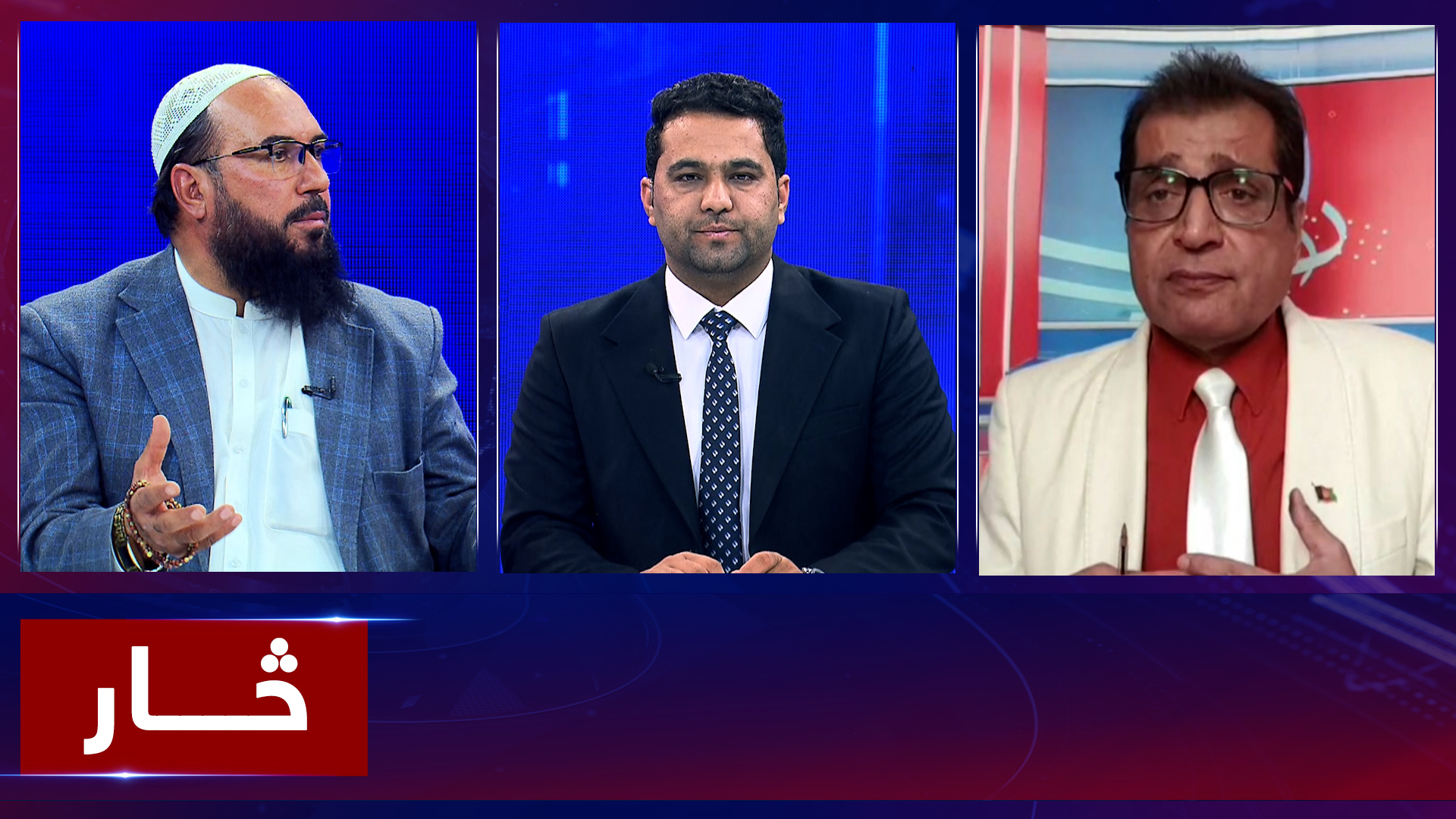
Saar: Afghanistan’s second invitation to Global Climate Summit discussed
-
 Sport5 days ago
Afghanistan futsal team thrash Panama 5-0 in flying start to Dakar Youth Olympics
-
 World4 days ago
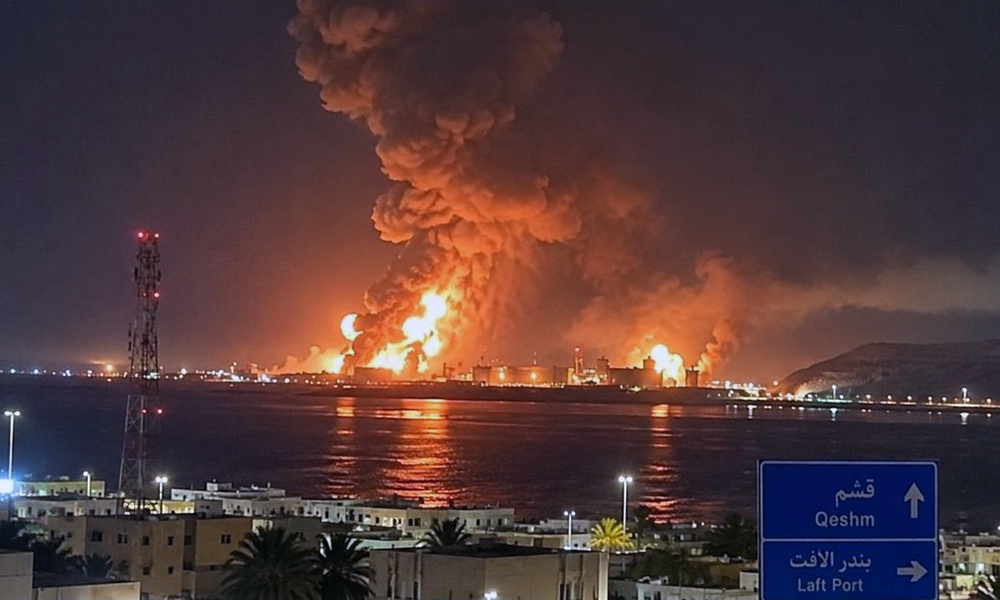
US carries out ‘defensive’ strikes on Iran’s Qeshm Island, officials say
-
 Sport5 days ago
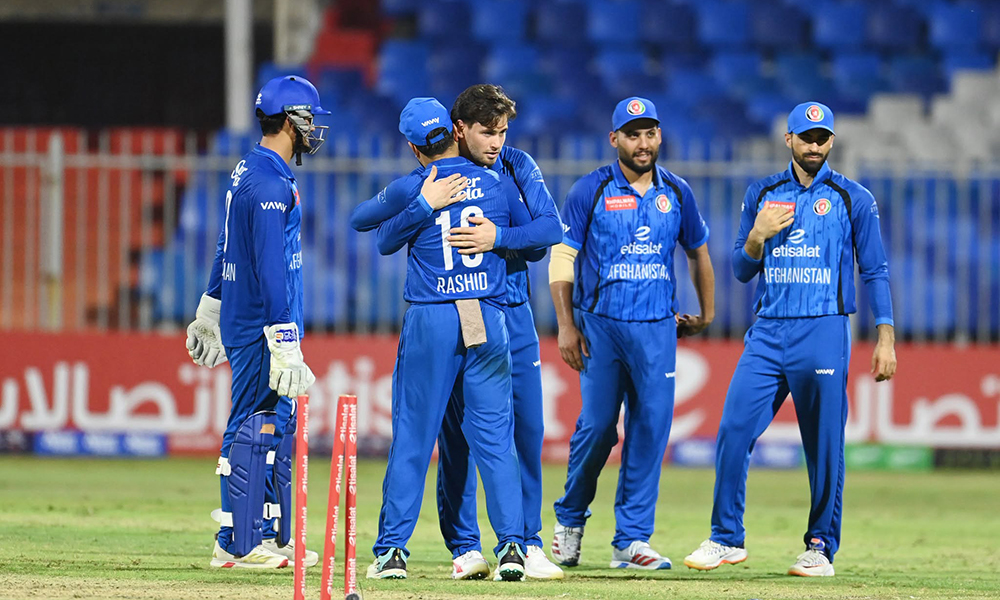
Afghanistan achieve their highest ICC Men’s ODI team ranking
-
 Sport2 days ago
Afghanistan suffer narrow defeat against Argentina at Dakar Youth Olympics
-
 Regional4 days ago
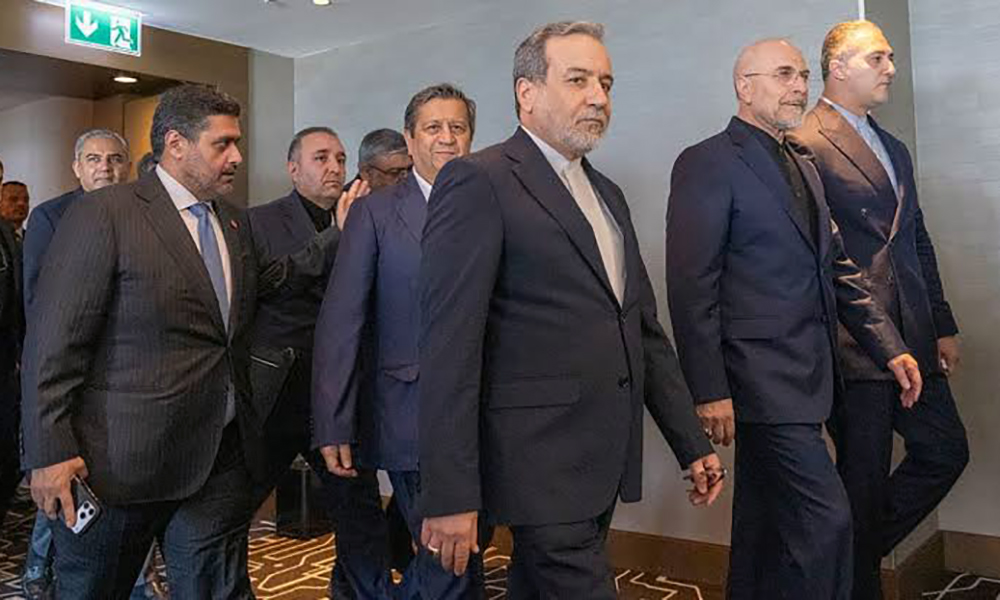
Iran says contacts over ending war continue after talks finish with no breakthrough
-
 Business5 days ago
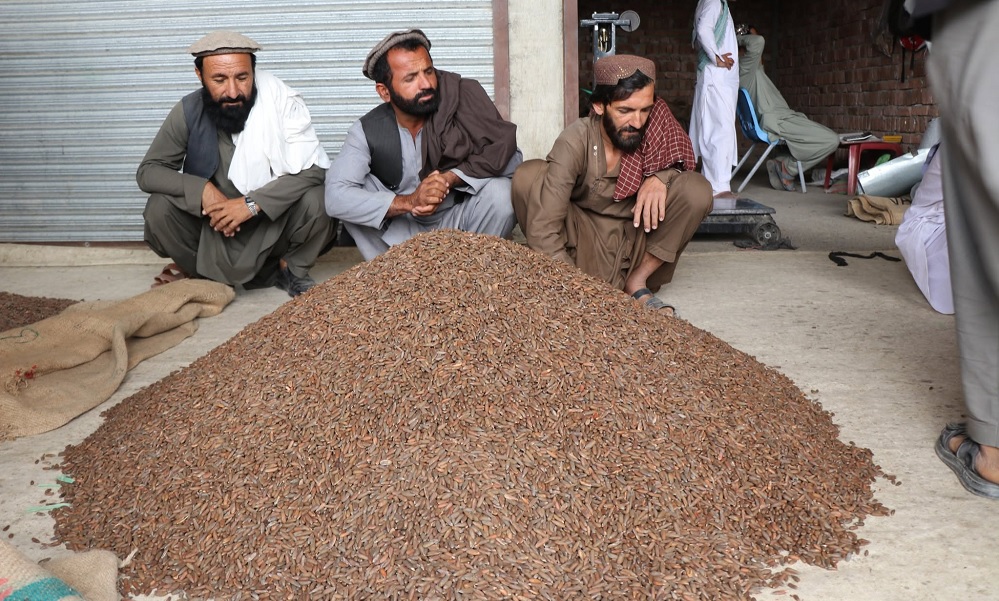
Afghanistan’s pine nut exports increase by 69 percent
-
 Latest News4 days ago
Iran plans new four-nation meeting on Afghanistan amid regional diplomatic efforts
-
 Latest News3 days ago
US judge temporarily blocks deportation of detained Afghans