
Latest News
Afghans need sustainable solutions to avoid catastrophe: NRC


The people of Afghanistan need sustainable solutions to avoid a catastrophe, the Norwegian Refugee Council’s country director in Afghanistan said in a statement on Monday.
“Two years since the change of authorities in Afghanistan a humanitarian tragedy is unfolding. The situation is driven by a devastating mix of food insecurity and climate change, funding cuts, operational restrictions, and the absence of effective diplomatic engagement,” Neil Turner said in the statement on the two-year mark of the Islamic Emirate’s takeover.
He said that an estimated 15.3 million Afghans are food insecure with acute malnutrition recorded above the emergency threshold in 25 out of 34 provinces adding that more than halfway through the year the humanitarian response plan targeting more than 21 million people is less than 25 percent funded.
“The Afghan people need long-term sustainable solutions to end the humanitarian crisis. This must include efforts to promote greater economic stability including a functioning banking sector and connection to the international financial system. Without progress on the economy, including the resumption of long-term development assistance, sustainable solutions will never be achieved,” Turner said.
NRC urged the authorities in Afghanistan to “uphold their obligations as duty bearers, towards all members of the population, including enabling unhindered and principled humanitarian access and education for women and girls.”
It called on the international community to “sustain humanitarian funding to stabilize the crisis and to step-up diplomatic engagement to find constructive ways forward for Afghanistan as peoples’ lives and futures depend on it.”



Latest News
World Bank warns Afghanistan faces mounting economic and water security challenges
The World Bank has lowered its FY2026 growth forecast by one percentage point compared with its Spring 2026 projection.
Afghanistan’s economy is expected to grow by three percent in the 2026 fiscal year, but rising population numbers, declining exports and weakening household purchasing power continue to undermine the country’s economic recovery, according to the World Bank’s latest Afghanistan Development Update.
The report says population growth of 6.6 percent, partly driven by the return of around one million Afghans between April and September 2026, is expected to result in a 3.3 percent decline in GDP per capita.
This would mark the third consecutive year of falling output per person.
Economic growth has remained heavily dependent on agriculture, which rebounded by around eight percent following the 2025 drought and accounted for almost 90 percent of overall growth.
However, services contracted by 1.5 percent, private investment fell by about 15 percent and real exports declined by 22 percent.
The World Bank has lowered its FY2026 growth forecast by one percentage point compared with its Spring 2026 projection.
It also expects inflation to average seven percent, almost double the previous year’s rate, as higher fuel prices and increased transport costs along alternative trade routes place pressure on the economy.
Households are facing growing financial difficulties, particularly unskilled workers and returning Afghans.
In September, casual labourers had 14 percent fewer days of work than a year earlier, while their weekly earnings bought 27 percent less wheat flour.
Purchasing power declined in 31 of the country’s 34 provinces.
Despite a favourable harvest, an estimated 15.9 million people continue to face acute food insecurity, while more than half of returnee households are unable to meet their basic needs through their income, according to figures cited in the report.
Trade and public finances
The report highlights the impact of continued trade disruptions following the closure of the crossings with Pakistan. While Afghanistan has managed to redirect imports through Central Asia and Iran, exports have struggled to recover.
Imports increased by 2.2 percent in the first half of FY2026, but the two alternative trade corridors now account for 97 percent of imports.
Exports, meanwhile, fell by 15.1 percent, with fresh fruit and vegetables losing almost 90 percent of their export volume.
Afghanistan’s current account deficit is projected to remain at 34.2 percent of GDP in FY2026, following 36.1 percent in FY2025.
In dollar terms, the deficit is expected to widen to approximately US$7.9 billion, while declining aid and remittances add to external pressures.
Domestic government revenue has remained relatively resilient, rising by 10.2 percent in the first half of FY2026. However, customs duties fell by 16.9 percent as trade disruptions affected revenue from border crossings.
The World Bank says fiscal space remains limited, with capital spending at around 1.3 percent of GDP, less than half the regional median.
Afghanistan also has no access to borrowing, while off-budget grants are expected to decline to around 10 percent of GDP.
The afghani (AFN) has remained broadly stable after appreciating by around 12 percent against the US dollar in FY2025.
However, the report says limited monetary policy instruments and weak bank lending restrict the financial sector’s ability to support investment and protect the economy against external shocks.
Water insecurity threatens economic recovery
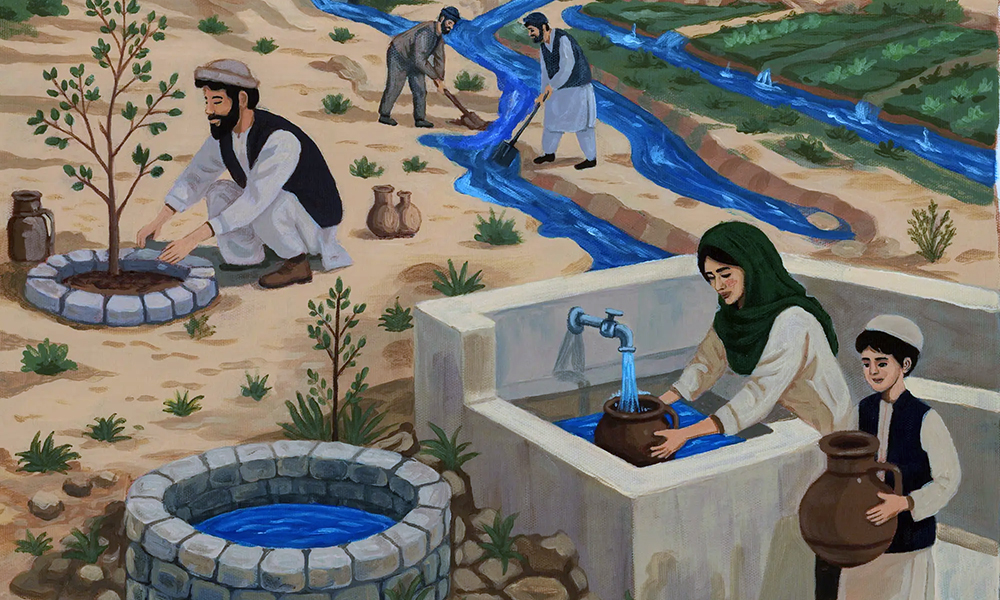
Alongside its assessment of economic conditions, the World Bank identifies water insecurity as a major threat to Afghanistan’s long-term recovery, warning that drought, population growth, depleted groundwater reserves, pollution and weak water management are placing increasing pressure on resources.
Afghanistan has lost approximately 4.9 billion cubic metres of freshwater reserves annually since 2003, with losses recorded in all 34 provinces.
In Kabul, groundwater extraction is estimated to be nearly four times higher than the natural rate of recharge, raising concerns about falling water tables and increasingly unreliable supplies.
The report says water shortages pose a direct threat to agriculture and rural livelihoods.
Agriculture accounts for 46 percent of employment and 95 percent of water withdrawals, making the sector particularly vulnerable to declining water availability.
Reduced river flows could also constrain hydropower generation, while unreliable water and electricity supplies disrupt businesses and other productive activities.
The World Bank estimates that drought reduced annual GDP per capita growth by 0.23 percentage points over the period from 1994 to 2024, highlighting the long-term economic consequences of water insecurity.
World Bank outlines priorities for water management
The report calls for a coordinated approach focused on improving access to water for households, strengthening agricultural water management and protecting natural resources.
Among its recommended priorities are restoring reliable water supply, sanitation and wastewater services, rehabilitating irrigation systems, improving water-use efficiency and strengthening local arrangements for water allocation and maintenance.
It also recommends protecting watersheds and aquifers, improving flood and drought preparedness, and strengthening water management at basin level.
In the near term, the report says priority should be given to restoring essential services, improving maintenance and conservation, and strengthening early-warning systems.
Longer-term measures should include rehabilitating canals and karezes, the traditional underground irrigation channels, upgrading irrigation infrastructure, protecting groundwater and strengthening local water-user institutions.
The World Bank says larger infrastructure projects should only proceed where financing, technical capacity and long-term operating arrangements are in place.
Modest growth expected over coming years
Looking ahead, the World Bank projects economic growth of 3.3 percent in FY2027 and 3.5 percent in FY2028.
However, it warns that this pace will be insufficient to quickly restore living standards, with GDP per capita expected to increase by only 0.6 to 0.8 percent annually and remain around seven percent below its FY2024 level by FY2028.
The report identifies further disruption to trade routes, a poor 2027 harvest, additional large-scale returns and reductions in aid as major risks.
Economic growth could fall to around 0.5 percent in FY2027 if the harvest fails, or to approximately 1.2 percent if trade corridors are disrupted again. A reopening of the crossings between Afghanistan and Pakistan is identified as the main upside risk.
The World Bank says securing trade routes, protecting agricultural production, improving water management and creating greater demand for labour will be essential to making economic growth more inclusive and improving living standards.
Latest News
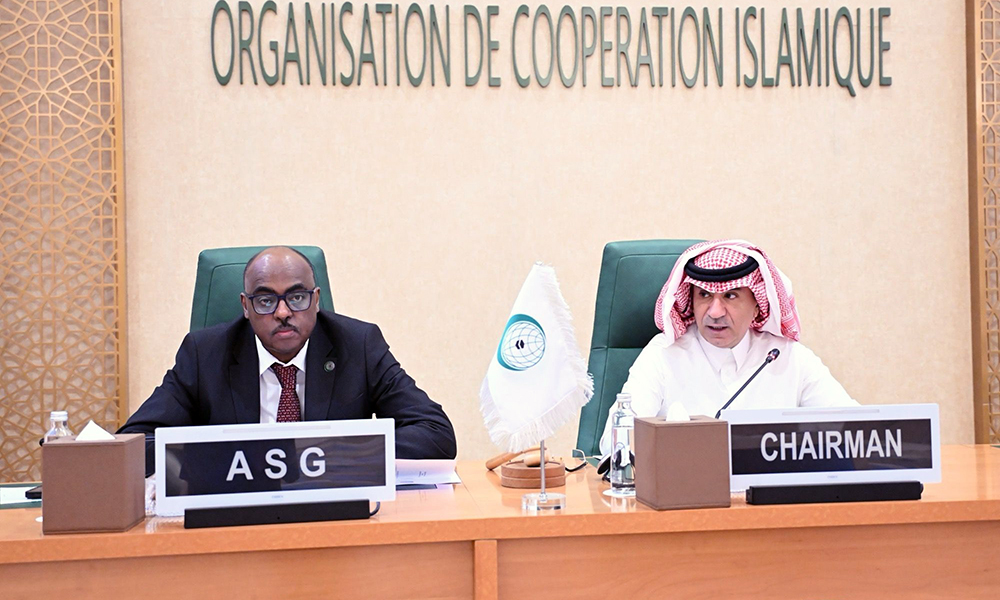
Mujahid welcomes OIC efforts to expand engagement with Afghanistan
“It is very important and valuable to establish engagement between Afghanistan and other countries. These relations are beneficial for the people of Afghanistan and the region,” Mujahid said.

Zabihullah Mujahid, spokesman for the Islamic Emirate of Afghanistan, has welcomed efforts by the Organisation of Islamic Cooperation (OIC) to strengthen political and diplomatic engagement with Afghanistan, saying closer relations would benefit both the Afghan people and the wider region.
Reacting to discussions by the OIC Ministerial Contact Group on Afghanistan, Mujahid said expanding ties with the international community was important and should be based on a positive assessment of the situation on the ground.
He said greater diplomatic engagement and cooperation would serve the interests of Afghanistan and neighbouring countries, urging governments and international organizations to support efforts to strengthen relations with Kabul.
“It is very important and valuable to establish engagement between Afghanistan and other countries. These relations are beneficial for the people of Afghanistan and the region,” Mujahid said.
His remarks follow a preparatory technical meeting of the OIC Ministerial Contact Group on Afghanistan, held in Jeddah on November 22, where participants discussed a roadmap for structured and phased engagement with Afghanistan’s authorities.
The meeting also reviewed the OIC’s position on Afghanistan’s political and humanitarian situation and explored ways to promote direct and constructive dialogue on issues of mutual interest.
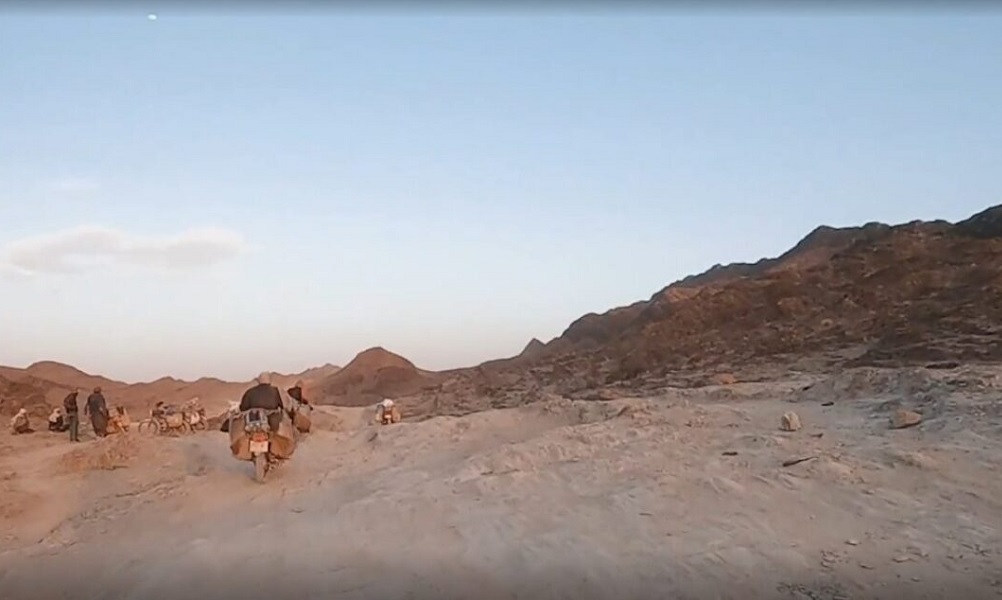
Three Afghan migrants, including a woman and a child, have been killed in a shooting by Iranian forces in Iran’s southeastern Sistan and Baluchestan province, according to the human rights organization Haalvsh.
The incident took place on Friday, November 20, in the Kalleh-Gan area of Saravan. Haalvsh said all three victims were shot in the head.
Citing local sources and eyewitnesses, the organization reported that the bodies were covered with a pile of stones after the shooting. Other Afghan migrants passing through the area later discovered the bodies.
The identities of the victims have not yet been established.

World Bank warns Afghanistan faces mounting economic and water security challenges

Mujahid welcomes OIC efforts to expand engagement with Afghanistan
Three Afghan migrants, including woman and child, killed in Iran border shooting

Saar: Pakistan FM’s remarks on Afghanistan
COP31 climate talks collapse as EU and others reject deal

US sanctions and blockade measures disrupt Iran’s trade with Afghanistan and regional neighbors
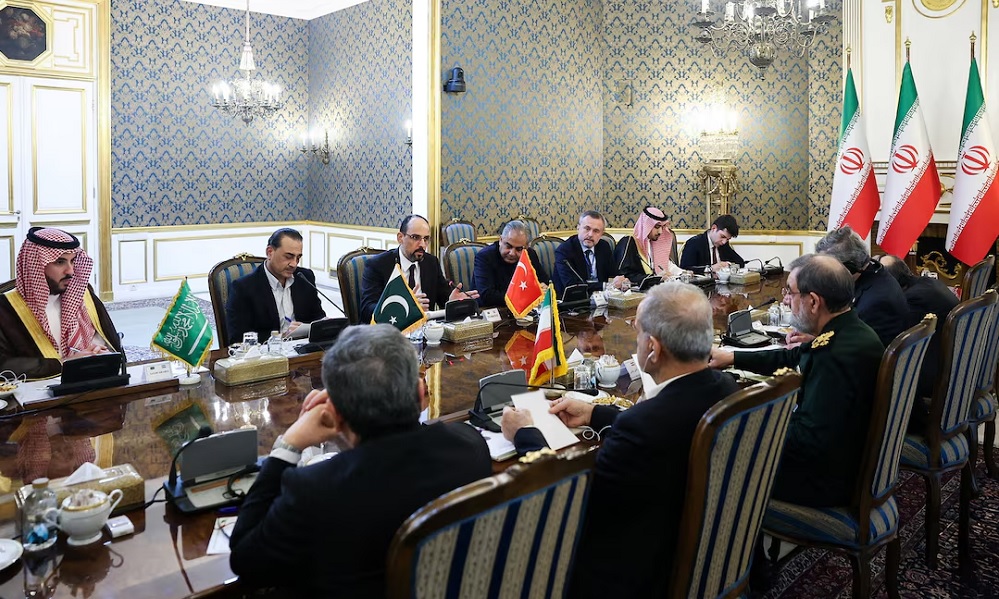
Saudi defence pact countries push for peace in Tehran as Houthis launch more attacks

England forward Kane crowned Ballon d’Or winner

Afghanistan to launch nationwide polio vaccination campaign

WFP report notes high food and fuel costs continue to pressure Afghan households
Saar: Pakistan FM’s remarks on Afghanistan

Tahawol: World Television Day discussed
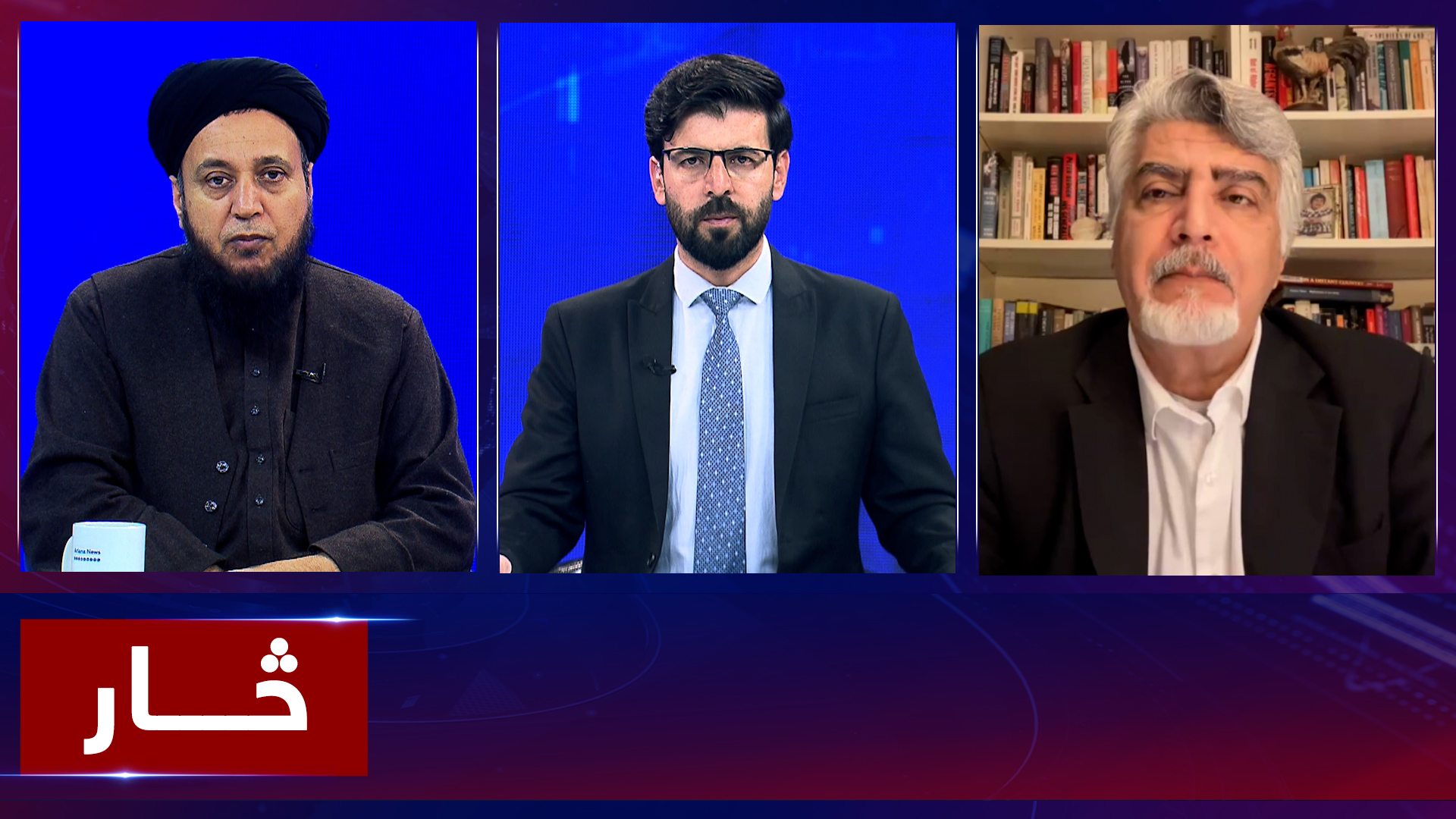
Saar: Efforts to resolve Afghanistan-Pakistan tensions in Moscow reviewed

Tawsia: Afghanistan’s key economic highlights of the week discussed
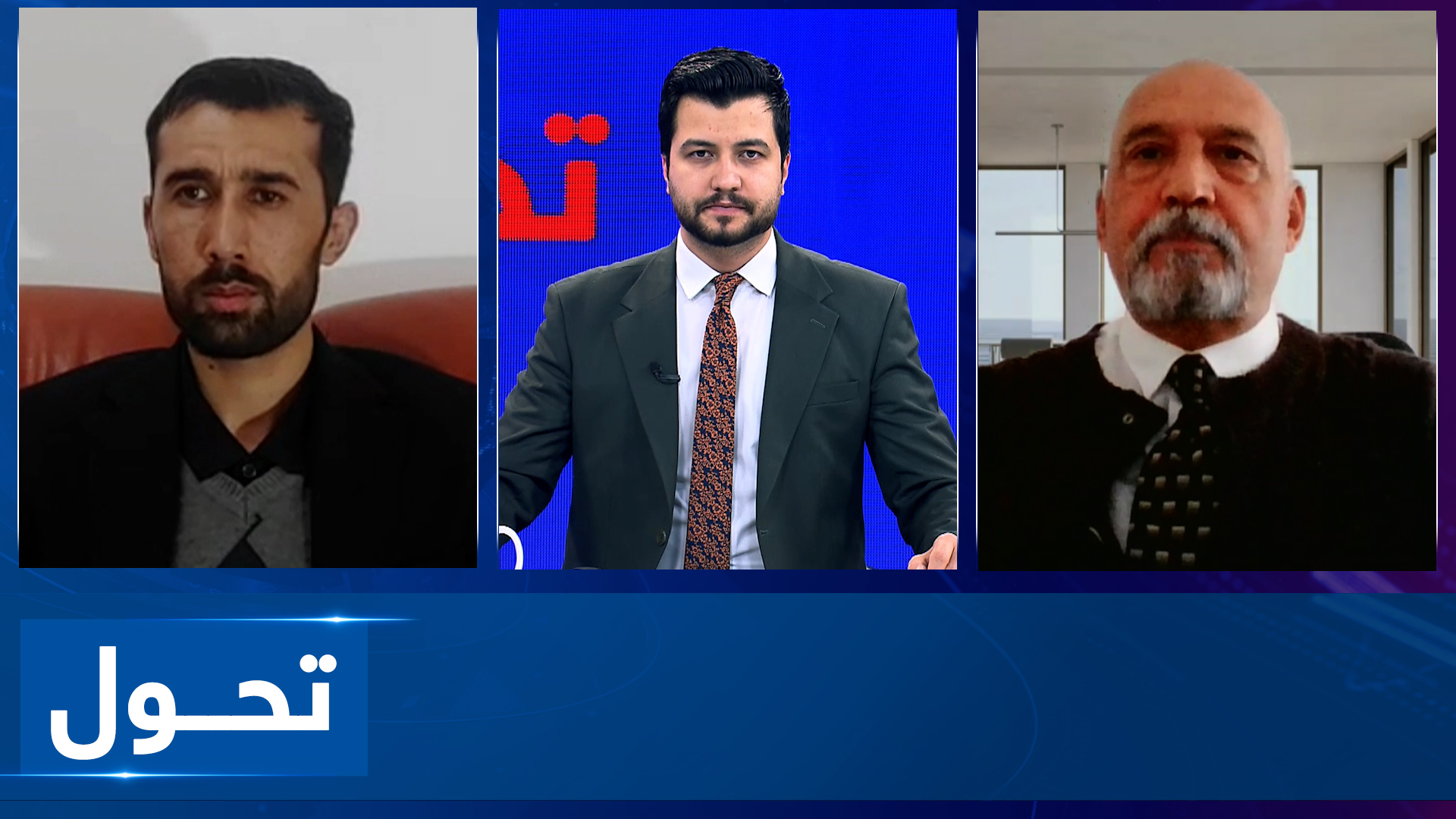
Tahawol: Kazakhstan’s call for practical international engagement with Afghanistan
-
 Sport5 days ago
ATN to broadcast AFC Awards honoring Asia’s football stars
-
 Latest News4 days ago
Two Afghan nationals convicted over sexual assault of 14-year-old girl on UK train
-
 Sport4 days ago
Afghanistan suffer 9-2 defeat to Iran in Beach Soccer Asian Cup opener
-
 Business4 days ago
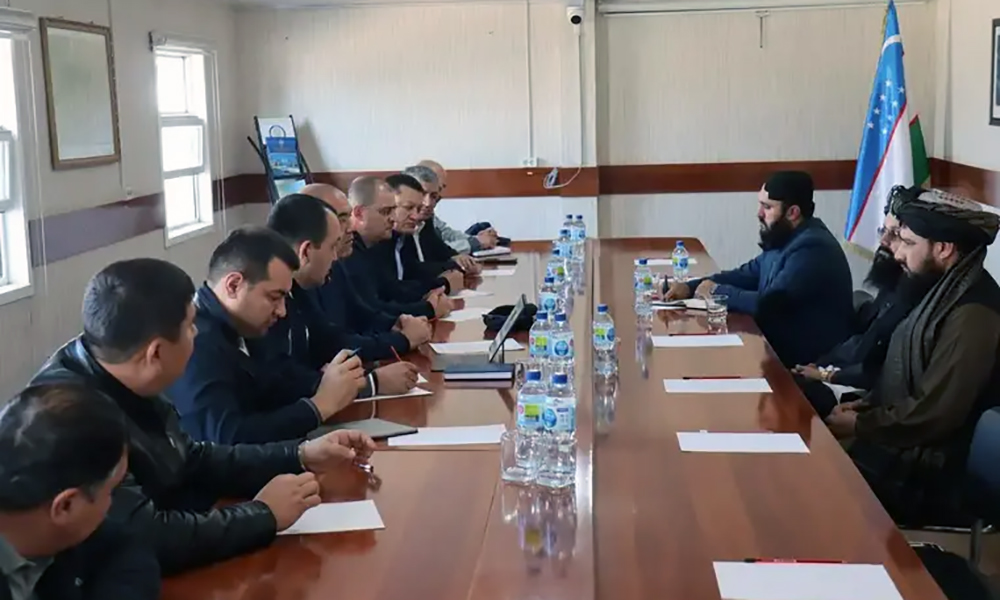
Afghanistan and Uzbekistan agree to expand railway cooperation and boost freight traffic
-
 Science & Technology4 days ago
North Korea shows off AI chatbot at IT exhibition
-
 Latest News4 days ago
Kazakhstan steps up efforts to support Afghanistan’s stability and economic recovery
-
 Latest News2 days ago
US judge questions Trump administration’s policies targeting refugees
-
 Latest News4 days ago
Sweden rejects asylum request of former Afghan ambassador, plans deportation to US: Le Monde