
World
Eastern Libya authorities say 2,000 dead in flood, thousands missing

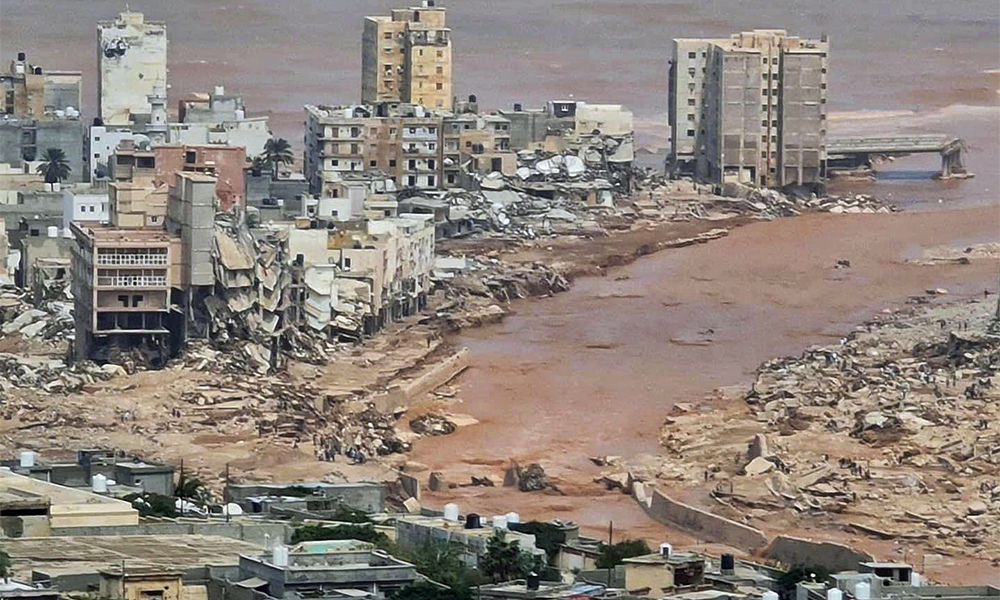
Authorities in eastern Libya said at least 2,000 people were killed and thousands more were missing after a massive flood ripped through the city of Derna following a heavy storm and rain, Reuters reported.
Ahmed Mismari, the spokesperson for the Libyan National Army (LNA) that controls eastern Libya, said in a televised news conference that the disaster came after dams above Derna had collapsed, “sweeping whole neighbourhoods with their residents into the sea”.
Mismari put the number of missing at 5,000-6,000.
Earlier on Monday, the head of the Red Crescent aid group in the region had said Derna’s death toll was at 150 and expected to hit 250. Reuters could not immediately verify either figure.
Libya is politically divided between east and west and public services have crumbled since a 2011 NATO-backed uprising that prompted years of conflict. The internationally recognised government in Tripoli does not control eastern areas, read the report.
In Tripoli, the three-person Presidential Council which functions as head of state in the divided country asked the international community to help. “We call on brotherly and friendly countries and international organisations to provide assistance,” it said.
Osama Hamad, the head of a parallel eastern-based administration, told local television that more than 2,000 were dead and thousands more missing.
After pummelling Greece last week, Storm Daniel swept in over the Mediterranean on Sunday, swamping roads and destroying buildings in Derna, and hitting other settlements along the coast, including Libya’s second biggest city of Benghazi.
Videos of Derna showed a wide torrent running through the city centre where a far narrower waterway had previously flowed. Ruined buildings stood on either side.
Eastern Libya’s Almostkbal TV broadcast footage that showed people stranded on the roofs of their vehicles calling for help and waters washing away cars.
“The missing are in the thousands, and the dead exceed 2,000,” Osama Hamad told al-Masar TV. “Entire neighbourhoods in Derna have disappeared, along with their residents … swept away by water.”
Mismari said seven members of the LNA had died in the flood.
Derna resident Saleh al-Obaidi said he had managed to flee with his family, though houses in a valley near the city had collapsed.
“People were asleep and woke up and found their homes surrounded by water,” he told Reuters.
Ahmed Mohamed, another resident, said: “We were asleep, and when we woke up, we found water besieging the house. We are inside and trying to get out.”
Witnesses said the water level had reached three metres (10 feet).
West of Derna, visuals showed a collapsed road between the port town of Sousse and Shahat, home to the Greek-founded and UNESCO-listed archaeological site Cyrene.
Libya’s eastern-based parliament declared three days of mourning. Abdulhamid al-Dbeibah, prime minister of the interim government in Tripoli, also declared three days of mourning in all the affected cities, calling them “disaster areas”.
Four major oil ports in Libya – Ras Lanuf, Zueitina, Brega and Es Sidra – were closed from Saturday evening for three days, two oil engineers told Reuters.
Search-and-rescue operations were ongoing, witnesses said. Authorities declared a state of extreme emergency, closing schools and stores and imposing a curfew.
In Tripoli, the interim government directed all state agencies to “immediately deal” with the damage and floods in eastern cities, but the administration has no sway in the east.
However, Dbeibah’s government works closely with the Central Bank of Libya, which disburses funds to government departments across the country.
The United Nations in Libya said it was following the storm closely and would “provide urgent relief assistance in support of response efforts at local and national levels”.
Qatar’s Emir Sheikh Tamim bin Hamad al-Thani instructed the government to send aid to the affected area in eastern Libya, Qatar’s state news agency reported.



World
Trump says further US attacks on Iran ‘highly unlikely’ as peace talks gain momentum
Although Trump played down the prospect of renewed attacks, he warned that US forces remained prepared to respond if circumstances changed.

US President Donald Trump has said further American military strikes against Iran are “highly unlikely”, signalling a possible shift towards de-escalation as diplomatic efforts to end the conflict gather momentum.
Speaking to reporters at the White House on Monday, Trump said Iran was effectively defeated militarily and suggested Washington was prepared to maintain the current situation while negotiations continued.
“Iran militarily is effectively over,” Trump said, adding that there was “positive momentum” behind efforts to reach an agreement.
“We’re just keeping it the status quo,” he said, explaining that the decision was largely being taken at the request of neighbouring countries.
Although Trump played down the prospect of renewed attacks, he warned that US forces remained prepared to respond if circumstances changed.
“We’re locked and loaded,” he said, while describing further strikes as “highly unlikely”.
The comments come amid growing pressure on the Trump administration to bring the conflict to an end, following bruising midterm election results for Republicans last week.
Several senior party figures, including Vice-President JD Vance, have pointed to the war as a factor behind the party’s poor performance.
Trump had previously indicated that US forces carried out what he described as limited strikes on an Iranian island near the strategically important Strait of Hormuz.
However, in a television interview broadcast on Sunday, he said he currently saw no reason to escalate the military campaign.
He also stopped short of formally declaring the war over, arguing that Washington still had to protect its Gulf allies from possible Iranian attacks.
The US naval blockade of Iranian ports, he suggested, was helping maintain security across the region.
Global oil prices fell further following Trump’s latest remarks, with Brent crude dropping more than 1% to around $91.50 a barrel, while US crude also declined.
Gulf diplomacy intensifies
Trump’s comments followed a meeting with Qatari Prime Minister Sheikh Mohammed bin Abdul Rahman Al Thani at the White House on Monday.
The US president described their discussions as excellent, while the Qatari leader said he had held positive talks with Trump and Vance on reaching an agreement and restoring regional peace.
Diplomatic efforts to end the conflict have largely been conducted through intermediaries since the war erupted following joint US-Israeli strikes against Iran in February.
Saudi Arabia, Qatar and the United Arab Emirates are among Washington’s Gulf partners that have been targeted by Iranian attacks during the conflict, while security concerns have also caused significant disruption to regional air travel.
Political pressure mounts in Washington
Meanwhile, the war is generating further political tensions in Washington.
Republican Congressman Thomas Massie on Monday announced plans to force a House of Representatives vote this week on impeaching Defence Secretary Pete Hegseth over his handling of the conflict.
Hegseth, who has received Trump’s backing, dismissed the threat, describing Massie’s effort as a “sham”.
The impeachment initiative is unlikely to succeed while Republicans retain control of Congress. However, Democrats have indicated they could pursue the matter when the new congressional session begins in January.
For Trump, the challenge is increasingly twofold: finding a diplomatic exit from the conflict while managing mounting political pressure at home and reassuring US allies across the Gulf.
World
First Muslim US senator-elect El-Sayed calls for review of aid to Pakistan
He also called for restrictions on US arms sales to Israel, alleging that some American-supplied weapons were being used in actions involving what he described as genocide and apartheid.
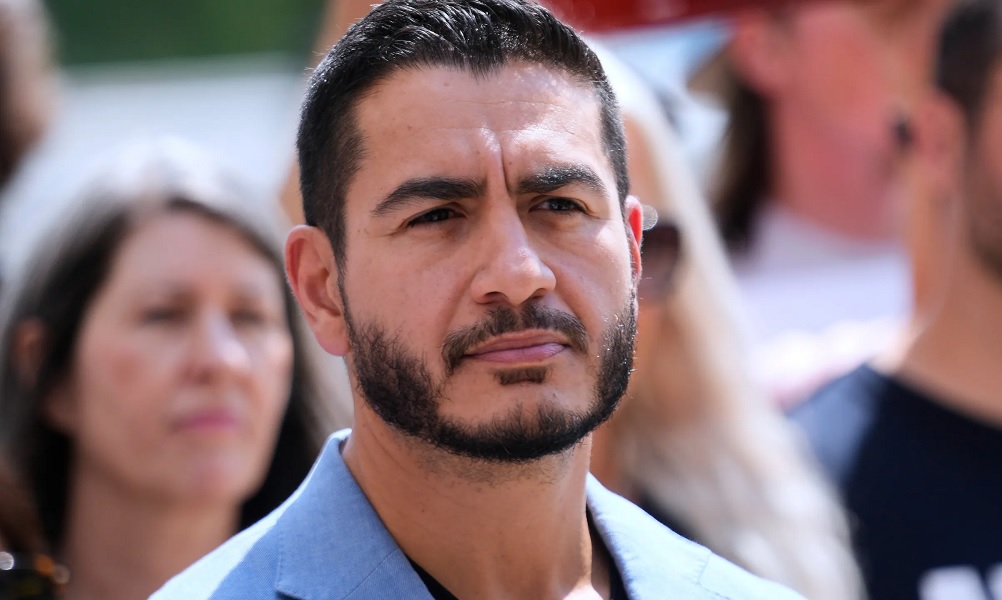
Abdul El-Sayed, the first Muslim elected to the US Senate, has called on Washington to reconsider its financial and military assistance to Pakistan and several other countries, arguing that American taxpayer money should not be used to support violations of international law.
El-Sayed, a Democrat who recently defeated Republican candidate Mike Rogers in Michigan, said the United States must ensure that its foreign assistance policies are consistent with international law.
In an interview with ABC, he stressed that the issue should not be limited to Israel, but should also include Pakistan, Egypt and Jordan.
“When we are giving money to a country that is using our money to violate international law, that seems to me a good place to start,” El-Sayed said.
His remarks come after US President Donald Trump announced plans to end approximately $4 billion in annual military assistance to Israel by the end of the year.
El-Sayed welcomed Trump’s proposal to reduce military aid to Israel, saying he agreed with the president’s approach.
He also called for restrictions on US arms sales to Israel, alleging that some American-supplied weapons were being used in actions involving what he described as genocide and apartheid.
The United States currently provides Israel with $3.8 billion in annual military assistance under an agreement that remains in effect until 2028.
However, El-Sayed’s criticism extends beyond Israel. He has also questioned US military assistance to Egypt, Saudi Arabia, Jordan and Pakistan, arguing that American taxpayer money should instead be directed towards domestic priorities.
World
Houthi-run health ministry says airstrikes kill 33 near Yemen capital
The ministry said the strikes hit homes in the town of Bani Hushaysh, a Houthi stronghold east of Sanaa, and that most of those killed were women and children.
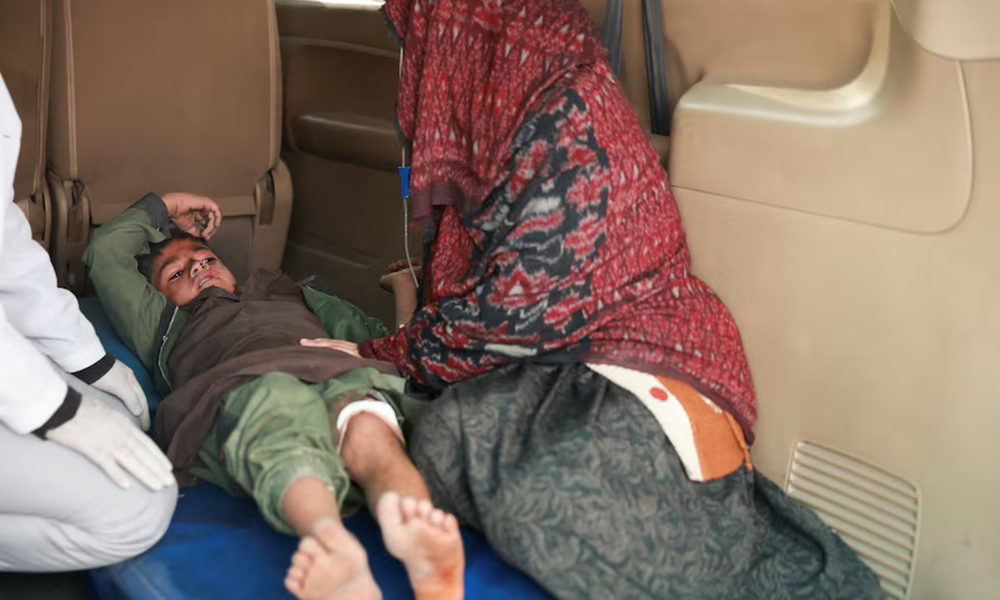
At least 33 people were killed and 39 wounded in what the Houthi-run Saba news agency said were Saudi airstrikes on a village near Yemen’s capital Sanaa on Saturday, in one of the deadliest reported attacks since fighting between Saudi Arabia and the Iran-aligned group resumed in July.
Reuters could not independently verify the account. Saudi Arabia’s Center for International Communication said it was investigating the report.
The renewed fighting between Saudi Arabia and the Houthis has shattered a 2022 UN-brokered truce that largely halted attacks between the Saudi-led coalition and the group, which controls Sanaa. The Houthis have since launched missile and drone attacks on Saudi airports and oil facilities, while Riyadh has carried out airstrikes in Yemen in support of its Yemeni allies.
The ministry said the strikes hit homes in the town of Bani Hushaysh, a Houthi stronghold east of Sanaa, and that most of those killed were women and children.
Abdul-Aziz al-Dailami, director of Sehatuna Hospital in Sanaa, said many victims remained trapped under the rubble, including first responders.
“The strikes keep coming. Just as rescuers arrive, another strike hits. We have even lost some of our own medical responders, who have been martyred,” he told Reuters.
“We received a number of wounded individuals in very critical condition, with injuries to the head, chest and legs, as well as fractures,” al-Dailami added.
The fighting, a spillover from the wider US-Iran conflict, has revived a complex 12-year war in Yemen that has caused one of the worst humanitarian crises globally and fragmented the Arab world’s most impoverished country.
The number of people displaced since the latest round of fighting began has climbed to more than 200,000, the International Organization for Migration said in October.


Tahawol: Efforts to halt deportation of Afghan refugees from US discussed
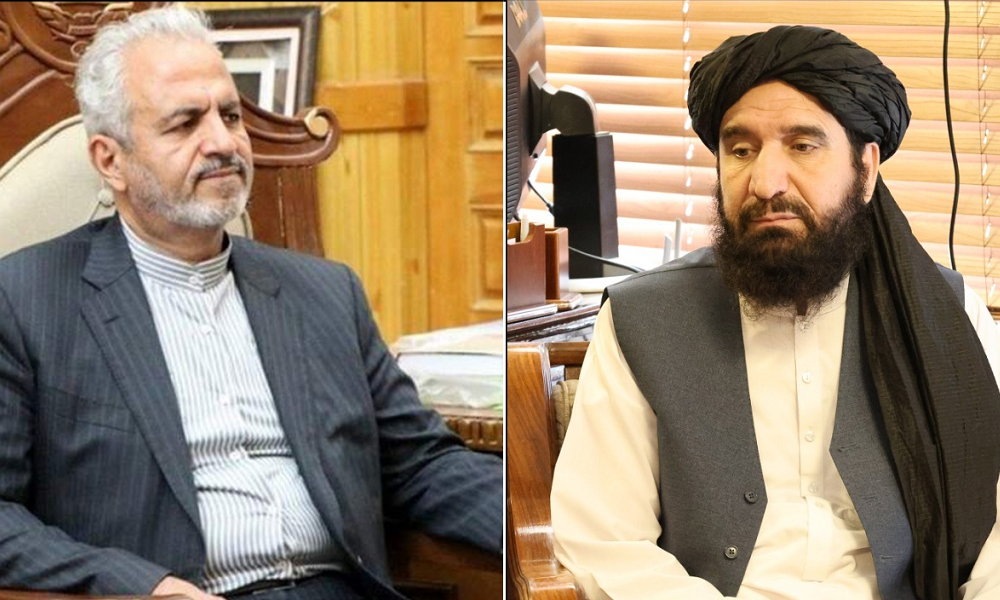
Afghan and Iranian officials discuss expanding economic cooperation
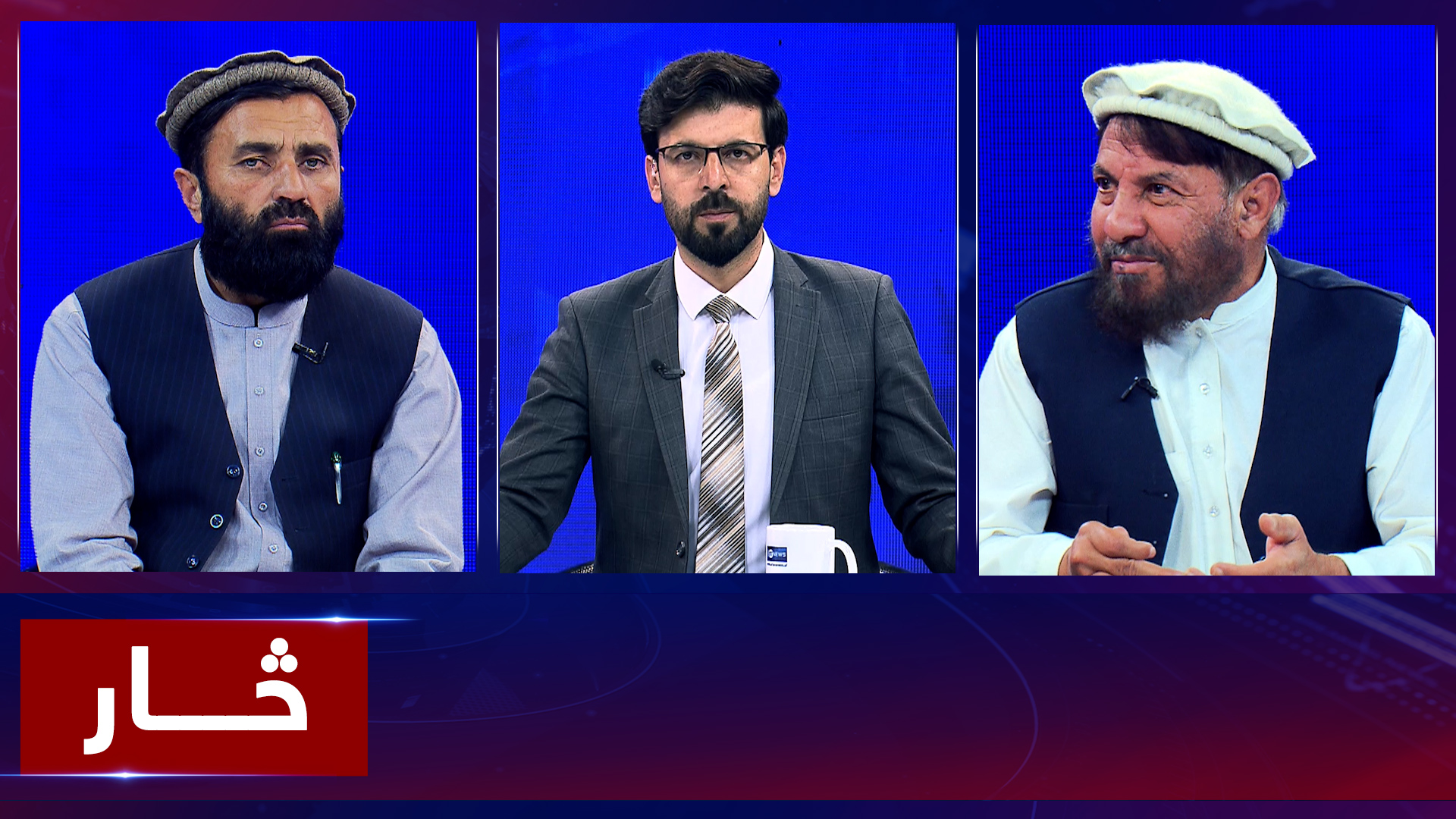
Saar: Russia’s stance on Afghanistan discussed
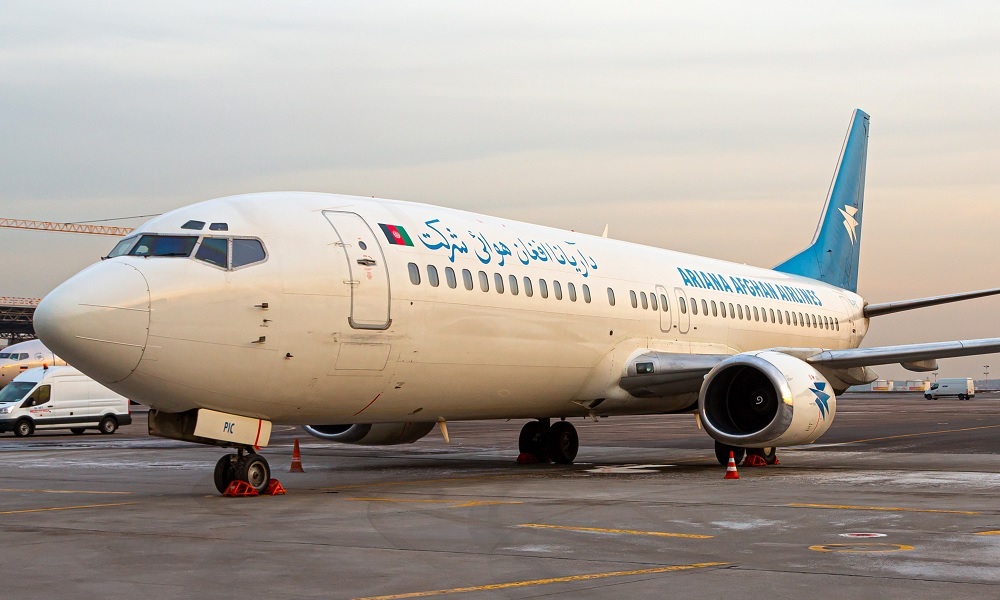
Ariana Airlines reduces Kabul–Islamabad–Kabul airfares by $20
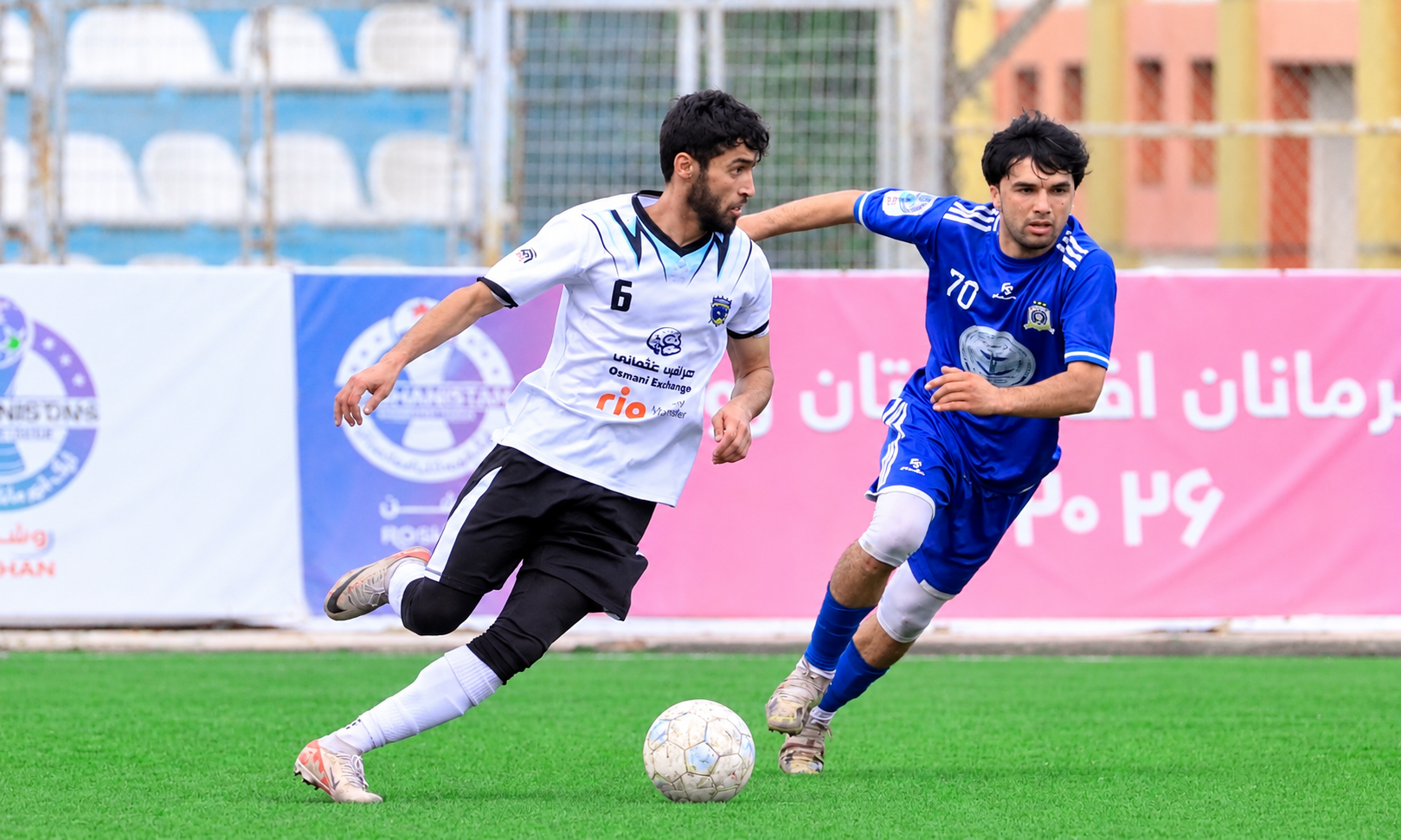
Omar Zawak thrash Istiqlal Kabul 5-1 in ACL

Afghanistan finish runners-up after 6-0 defeat to Brazil in futsal final

Trump says US may strike Iran’s ‘Pickaxe Mountain’ nuclear facility

Afghan futsal coach: Brazil tournament is first step towards new goals and World Cup

Pakistan deploys military to Peshawar after emergency rule declared

Violent protests spread across Europe as Albanian PM blames ‘foreign hand’
Tahawol: Efforts to halt deportation of Afghan refugees from US discussed
Saar: Russia’s stance on Afghanistan discussed

Trump says further US attacks on Iran ‘highly unlikely’ as peace talks gain momentum
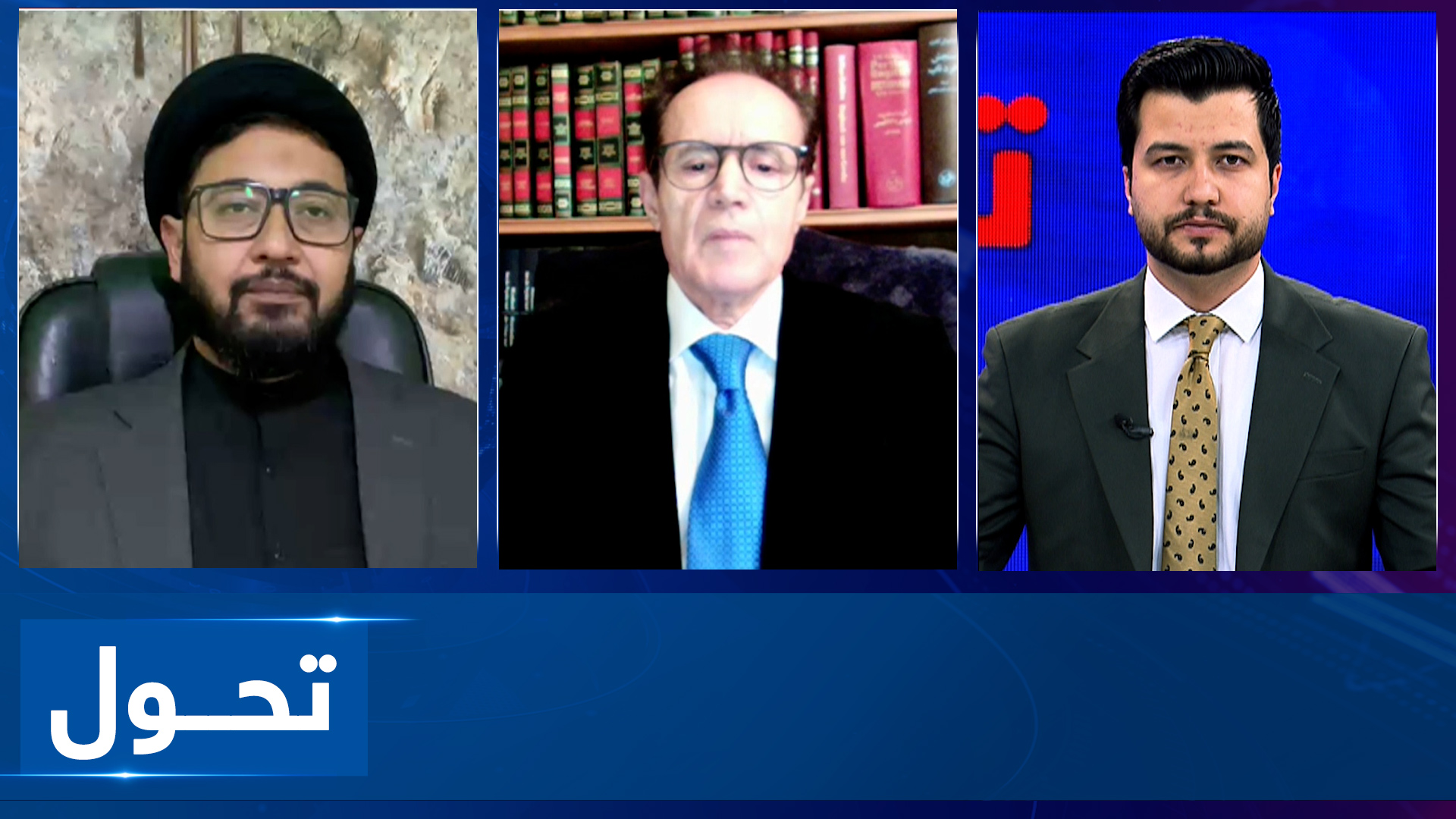
Tahawol: Geopolitical developments in the Middle East
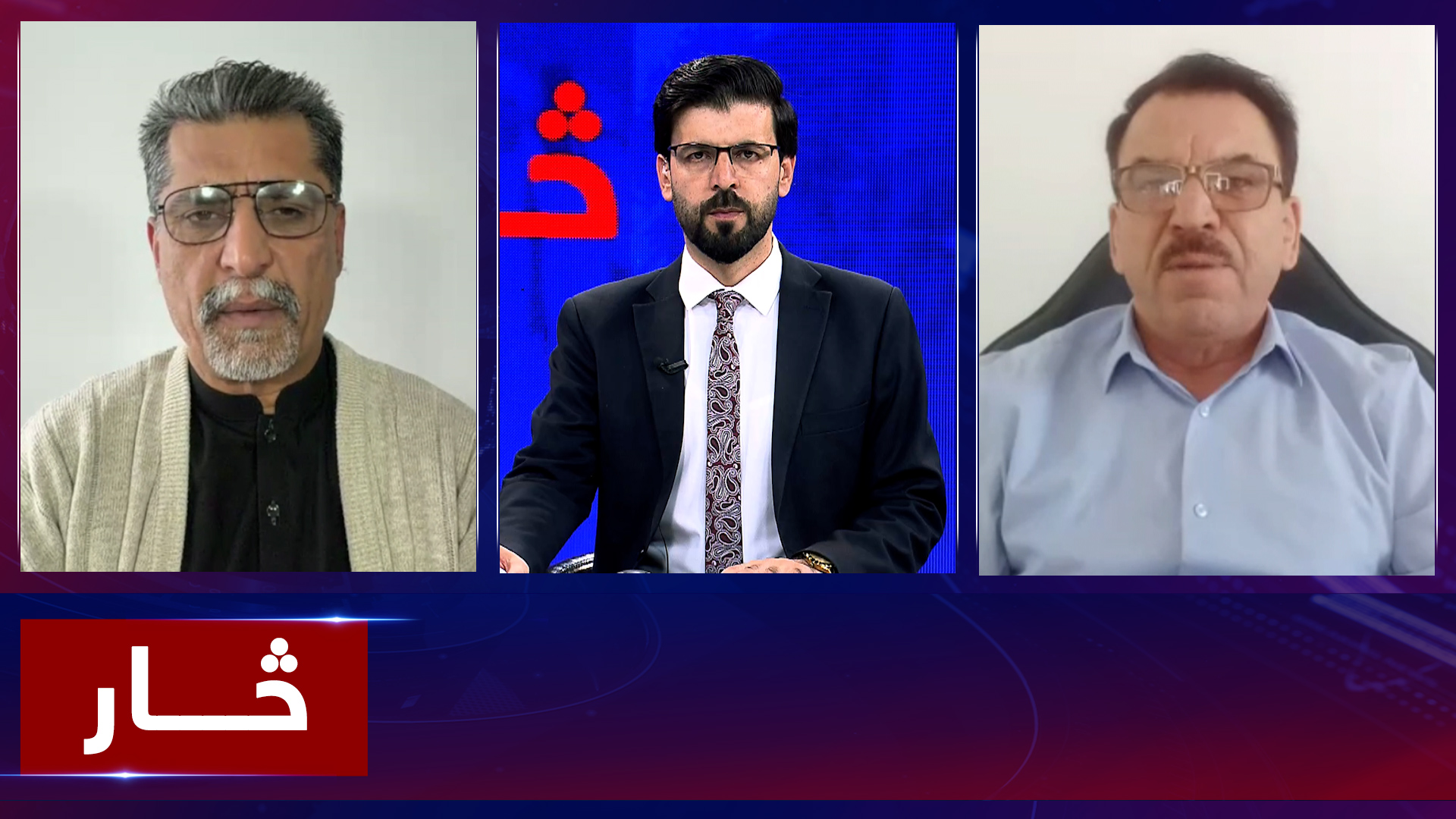
Saar: EU’s engagement with Afghanistan
-
 Regional5 days ago
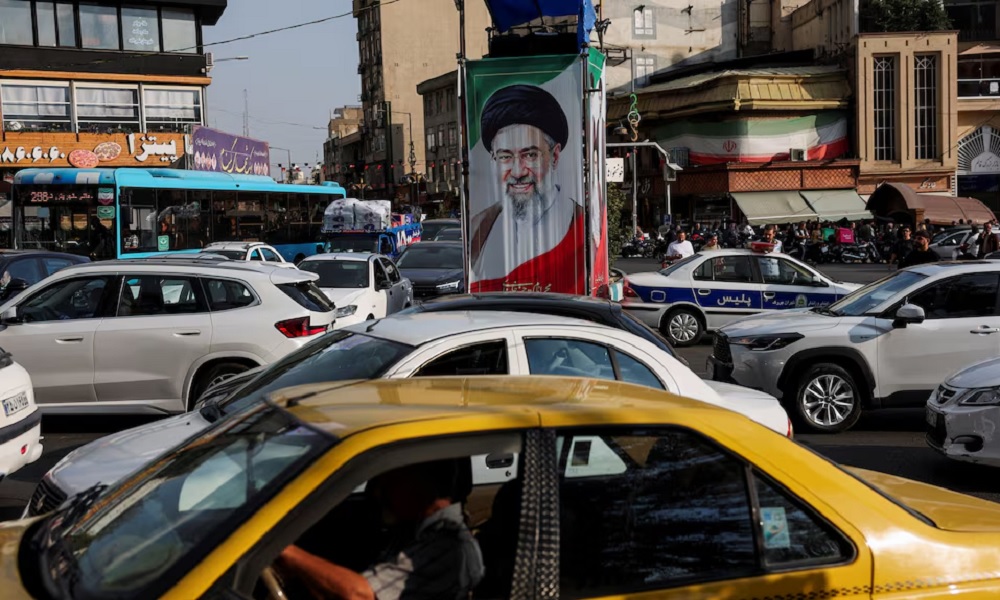
Iran sent nuclear proposal to the US via Qatar, senior Iranian official tells Reuters
-
 Sport3 days ago
Afghanistan’s record partnership highlights fourth day of Test against Zimbabwe
-
World3 days ago
Houthi-run health ministry says airstrikes kill 33 near Yemen capital
-
 Sport4 days ago
Toofan Herat defeat Arman FC 2–0 in Afghanistan Champions League
-
 Regional4 days ago
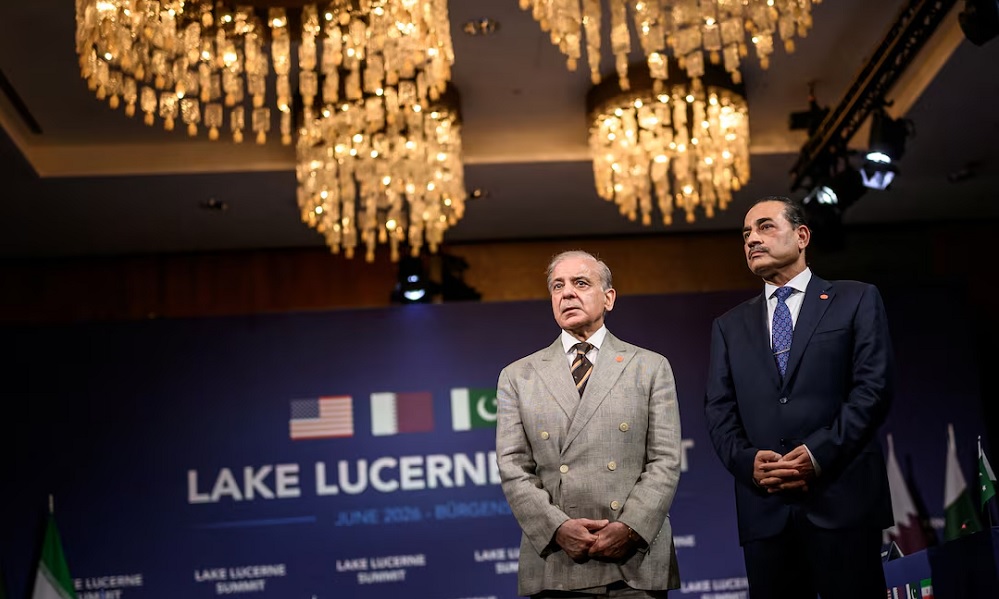
Pakistan’s leaders dread US Democrats’ win but its households are praying for it
-
 Sport5 days ago
Abu Muslim Farah claim convincing 3-0 win over Omar Zawak in ACL
-
 Sport2 days ago
Afghanistan thrash Senegal 6-0 to reach Dakar Youth Olympics futsal semi-finals
-
 Sport2 days ago
Portugal beat Afghanistan 2-0 in Dakar Youth Olympics futsal semi-finals