
Business
Private sectors of Afghanistan, Kazakhstan sign contracts worth $100 million

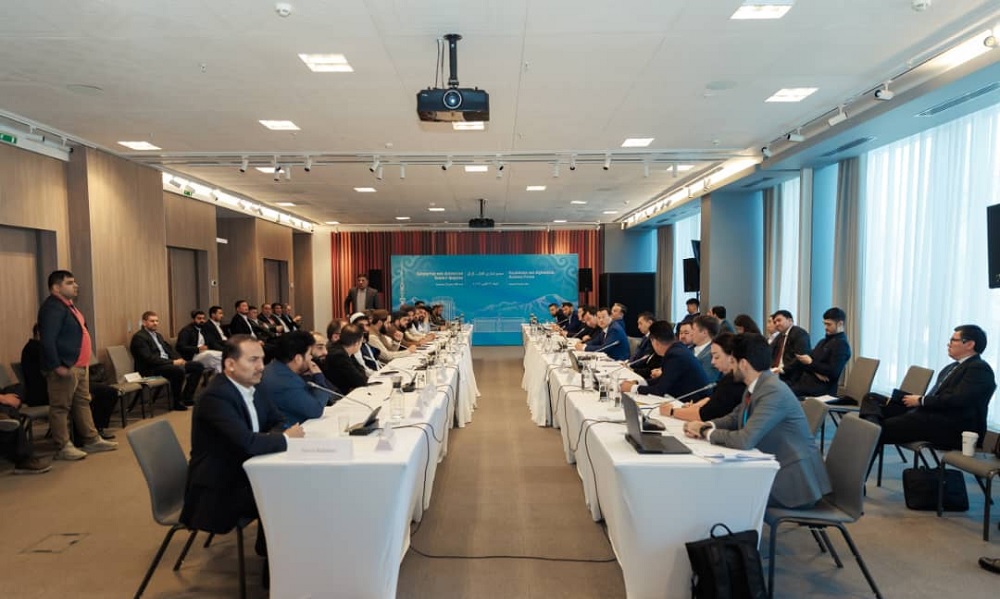
Private sectors of Afghanistan and Kazakhstan have signed contracts worth $100 million during the visit of an Afghan delegation to Almaty recently, the Islamic Emirate of Afghanistan (IEA) announced on Thursday.
The agreements include the export of more than 2,000 tons of dried fruit, the export of fresh fruit, including pomegranates, and the export of cotton, Zabihullah Mujahid, a spokesman for the Islamic Emirate, said on X.
Mujahid said that the Islamic Emirate delegation during its recent visit to Kazakhstan signed a “road map of cooperation between Afghanistan and Kazakhstan in the fields of trade, industry, mining, energy, logistics, agriculture, telecommunications, health, higher education and humanitarian aid.”
He said Kazakhstan also assured that it would provide more facilities for the transit of Afghan goods to China and other countries through Kazakhstan.
The allocation of an area “as a logistics center for Afghan goods” in the port of Khargos was also part of the agreement between the two sides to facilitate the unloading and loading of Afghan traders’ goods.
The spokesman of the Islamic Emirate also said that Kazakhstan will participate in the construction of the Torghundi-Herat, Kandahar-Spin Boldak and Mazar-e-Sharif-Kharlachi railway projects.
Mujahid added that Kazakhstan will also participate in the establishment of a trade and transit center in Herat province, which will be used to store and finance trade and transit goods. Meanwhile, Kazakhstan has agreed to establish permanent expo centers for the sale of Afghan goods in various cities of Kazakhstan.
It is worth mentioning that the delegation of the Islamic Emirate led by Nooruddin Azizi, Acting Minister of Industry and Commerce, participated in the three-day exhibition of Afghanistan’s domestic products, which was launched on October 21 in Almaty.
The Ministry of Industry and Commerce recently announced that 23 tons of pomegranates from Kandahar province were exported to Almaty through the port of Torghundi.





Business
Afghanistan, Kuwait explore new investment and trade opportunities
The Afghan Embassy in Kuwait said the talks focused on Afghanistan’s security and stability, economic potential and available investment opportunities.
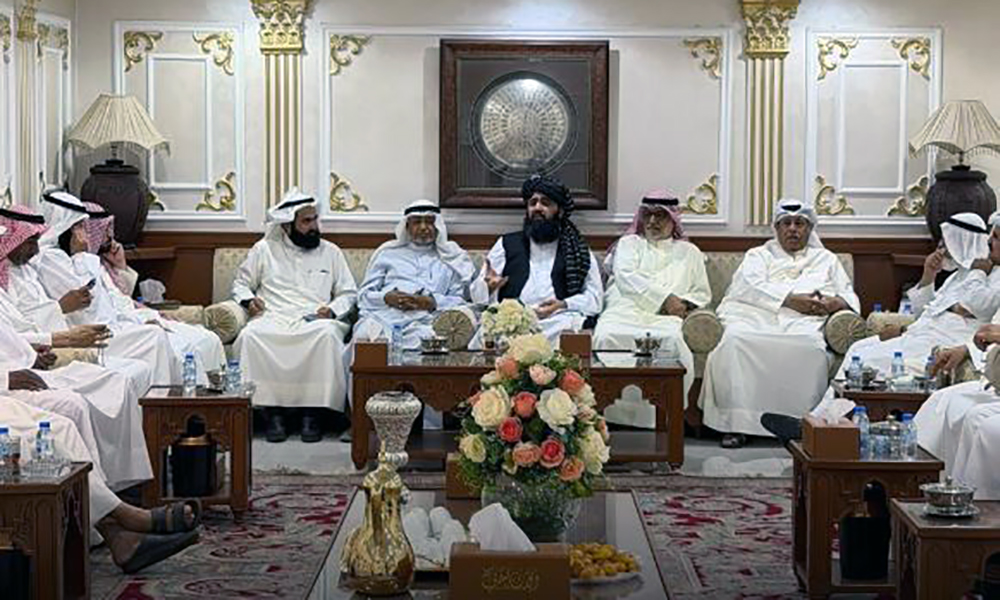
Afghanistan and Kuwait have discussed expanding trade and investment cooperation during a meeting between Afghanistan’s Chargé d’Affaires in Kuwait, Mohammad Shafiq Khatib, and prominent Kuwaiti investor Ajeej Khalaf, along with a number of businessmen and investors.
The Afghan Embassy in Kuwait said the talks focused on Afghanistan’s security and stability, economic potential and available investment opportunities.
The sides stressed the importance of strengthening trade and economic ties and expanding investment cooperation between the two countries.
Khatib invited Kuwaiti businessmen and investors to visit Afghanistan, explore investment opportunities and consider investing in various sectors of the Afghan economy.
The meeting comes as Afghanistan seeks to attract more foreign investment and strengthen economic and commercial ties with regional and international partners.
Business
Azizi: Afghanistan ready to attract Chinese and Uzbek investment
On the sidelines of the conference, Azizi and his delegation visited an exhibition showcasing Uzbek products and manufactured goods.
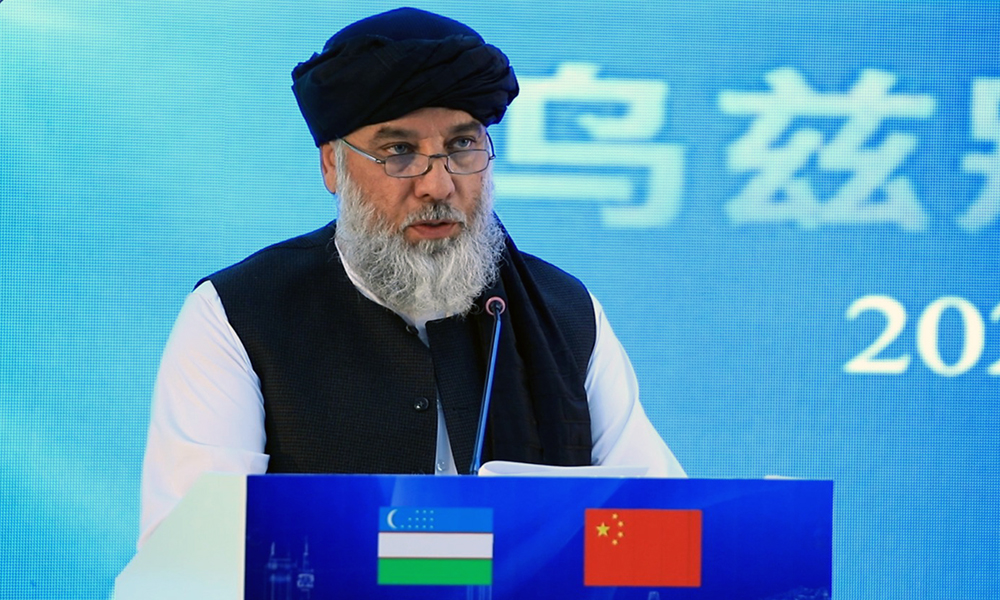
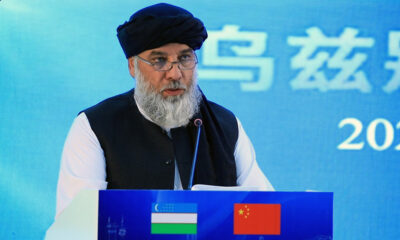
Afghanistan is ready to attract investment from Chinese and Uzbek companies across key sectors of the economy, Minister of Industry and Commerce Nooruddin Azizi said at a trade conference in Uzbekistan’s Termez.
Speaking at the Surkhandarya–China Trade Conference, Azizi said recent exchanges between Afghan, Uzbek and Chinese officials and business delegations had opened new opportunities for trade, transit and investment.
He described China as a key economic partner and an important player in strengthening regional connectivity, while emphasizing the need to increase Afghan exports to regional markets, particularly China.
Azizi said Afghanistan was prepared to facilitate investment by Chinese and Uzbek companies in mining, agriculture, food processing, energy, manufacturing, machinery and economic infrastructure.
He also called for the development of new transit corridors linking Central Asia with China, saying Afghan exports could be transported through Uzbekistan’s trade networks to China and other regional markets.
The minister said joint investment and the processing of Afghanistan’s raw materials inside the country could create sustainable and mutually beneficial economic opportunities across the region.
Officials from Afghanistan, Uzbekistan and China, as well as private-sector representatives, attended the conference.
Balkh Governor Mohammad Yousuf Wafa highlighted the longstanding friendly relations between Afghanistan and Uzbekistan and the investment opportunities available in Balkh province.
On the sidelines of the conference, Azizi and his delegation visited an exhibition showcasing Uzbek products and manufactured goods.


ATN to broadcast five Carabao Cup clashes live in Afghanistan

Sirajuddin Haqqani visits Panjshir, meets tribal elders and influential figures

Saar: Ongoing tensions between Iran and US discussed

Ministry of Communications signs contract with AWCC to build 31 telecom towers

Iran executes Afghan man over charges related to January protests

Pakistan’s governance system has ‘collapsed’: Mohsin Naqvi

AFC confirms clubs for 2026/27 competitions; draw set for August 18

Afghanistan exports first stone shipment to US in $100,000 trade milestone

Germany defends Afghan deportation policy after fatal Trier knife attack

Only two days to go before Afghanistan and Ireland begin ODI series
Saar: Ongoing tensions between Iran and US discussed

Tahawol: Marking Afghanistan’s 107th independence anniversary

Saar: 107th anniversary of Afghanistan’s independence discussed

Tahawol: Iran’s position on recognizing Islamic Emirate discussed

Saar: Afghanistan’s policy of avoiding confrontation discussed
-
 Latest News3 days ago
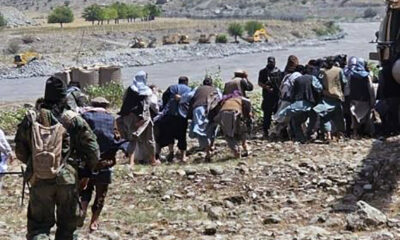
Juma Khan Fateh surrenders to IEA forces in Badakhshan
-
 Business4 days ago
Azizi: Afghanistan ready to attract Chinese and Uzbek investment
-

 Sport5 days ago
Afghanistan crowned champions of five-match ODI series against Ireland
-
 Latest News4 days ago
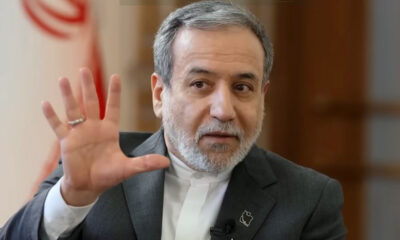
Iran eyes Afghanistan as key economic opportunity amid sanctions
-

 Climate Change4 days ago
US Midwest reels from deadly storms and historic floods
-
 Latest News4 days ago
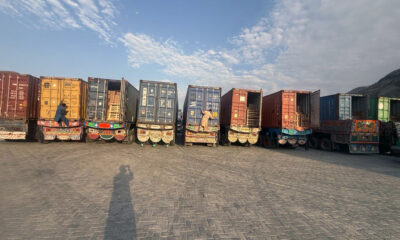
Pakistan allows 724 humanitarian aid trucks into Afghanistan via Torkham
-
 Regional4 days ago
Qatar denies detaining Iranian pilots, says it found remains of one
-

 Latest News3 days ago
Blast at Kabul school injures at least 52