
World
Israeli airstrikes kill at least 31 people in Gaza, medics say
Hamas has repeatedly denied using civilian facilities such as hospitals, schools, and mosques, for military purposes.


Israeli airstrikes killed at least 31 people in the Gaza Strip on Sunday, Palestinian medics said, with nearly half of the deaths in northern areas where the army has waged a month-long campaign it says is aimed at preventing Hamas from regrouping, Reuters reported.
Palestinians said the new aerial and ground offensives and forced evacuations were “ethnic cleansing” aimed at emptying two northern Gaza towns and a refugee camp of their population in order to create buffer zones. Israel denies this, saying it is fighting Hamas militants who launch attacks from there.
Medics said at least 13 Palestinians were killed in separate attacks on houses in Beit Lahiya town and Jabalia, the largest of the enclave’s eight historic camps and the focus of the army’s new offensive.
The rest were killed in separate Israeli airstrikes in Gaza City and in southern areas, including one in Khan Younis, which health officials said had killed eight people, including four children.
Later on Sunday, health officials at the Kamal Adwan Hospital near Beit Lahiya said the facility came under Israeli tank fire and that one child hospitalized at the hospital was critically wounded.
Hussam Abu Safiya, the hospital’s director said the incident took place after a delegation from the World Health Organization visited the facility and evacuated some patients.
He said while evacuating the wounded was important, it was more important to dispatch specialized medical teams to north Gaza hospitals that have become overwhelmed by the number of casualties.
Abu Safiya said the tank fire hit the water supplies, the courtyard, and the neonatal intensive care unit.
COGAT, the Israeli army’s Palestinian civilian affairs agency, said the explosion resulted from an explosive device planted by Palestinian militants and not an Israeli attack.
“The terrorist organizations continue to exploit civilian infrastructure, medical facilities, and international aid organizations for their terror activities,” a COGAT statement said late on Sunday.
Hamas has repeatedly denied using civilian facilities such as hospitals, schools, and mosques, for military purposes.
On Saturday, the Israeli military sent a new army division to Jabalia to join two other operating battalions, a statement said. It said hundreds of Palestinian militants have been killed in the “battles” since the raid began on Oct. 5, read the report.
Meanwhile, COGAT said it facilitated the launch of the second round of a polio vaccination campaign in northern Gaza on Saturday and that 58,604 children have received a dose.
The Gaza health ministry said Israel’s military offensive in northern Gaza was stopping them from vaccinating thousands of children in Jabalia, Beit Lahiya, and Beit Hanoun.
It said one clinic had come under Israeli fire while parents brought their children for the anti-polio dose on Saturday and that four children had been injured.
The head of the World Health Organization said in a statement the clinic incident took place despite a humanitarian pause agreed upon by the two warring parties, Israel and Hamas, to allow the vaccination campaign.
“A @WHO team was at the site just before. This attack, during a humanitarian pause, jeopardises the sanctity of health protection for children and may deter parents from bringing their children for vaccination,” Director-General Tedros Adhanom Ghebreyesus said in a post on X on Saturday.
“These vital humanitarian-area-specific pauses must be absolutely respected. Ceasefire!” he said.
The Israeli military, which had no immediate comment on Tedros’ remarks, said it was checking the report about the clinic.
A larger ceasefire that would end the war and see the release of Israeli and foreign hostages held captive in Gaza as well as Palestinians jailed by Israel remains remote due to disagreements between Hamas and Israel.
Hamas wants an agreement to end the war permanently, refusing recent offers for temporary truces, while Israeli Prime Minister Benjamin Netanyahu says war can only end when Hamas is eradicated, Reuters reported.
The war erupted after Hamas-led militants attacked Israel on Oct. 7, 2023, killing some 1,200 people and taking 251 hostages back to Gaza, according to Israeli tallies.
Israel’s retaliatory offensives have killed more than 43,300 Palestinians and reduced most of Gaza to rubble.

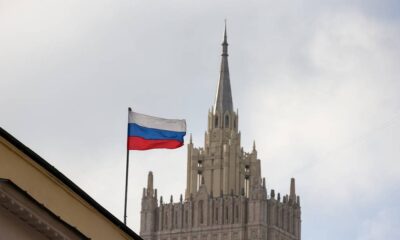
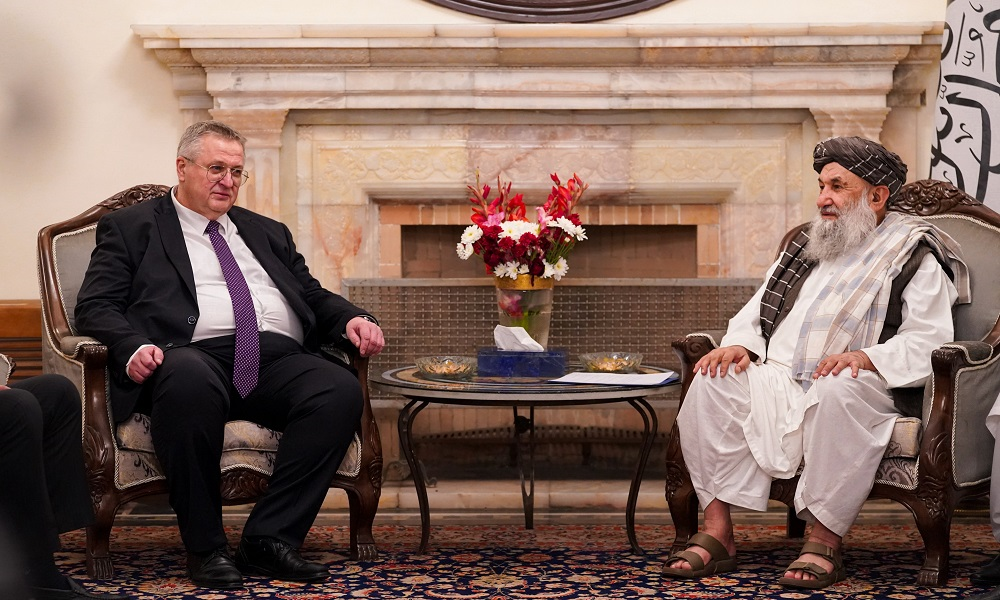
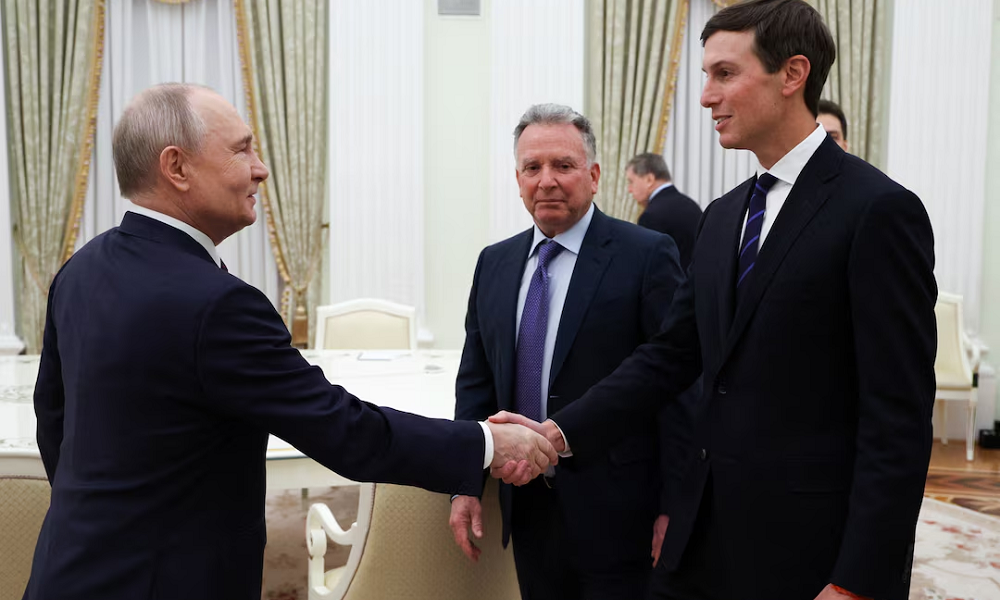
Russian President Vladimir Putin has agreed to include European representatives in the next round of Ukraine peace talks, a US envoy said, while Ukrainian President Volodymyr Zelenskiy welcomed the prospect, calling it an important step towards advancing diplomatic efforts.
US special envoy Steve Witkoff announced the development following his meeting with Putin at the Kremlin on Thursday. He said European participation was important, as the countries were partners in efforts to resolve the conflict.
Witkoff and fellow US envoy Jared Kushner later travelled to Ireland, where they met with Zelenskiy on the sidelines of a European summit in Dublin.
The Ukrainian president welcomed the prospect of European involvement and expressed hope that the next round of negotiations would focus on de-escalation and possible ceasefire arrangements.
Zelenskiy said it was important to remove obstacles to the negotiations and establish an agenda that could help reduce tensions and move the conflict towards a peaceful resolution.
However, Putin stressed that Moscow had never opposed dialogue with European countries, claiming that European governments had been responsible for ending direct engagement with Russia.
The Russian president also warned that deploying Western troops in Ukraine under a potential peace agreement would be considered a security threat by Moscow and could lead to a resumption of hostilities.
Putin urged Washington to work with its European allies to determine whether they genuinely wanted peace or continued conflict in Ukraine.
Meanwhile, Kremlin aide Yuri Ushakov did not confirm European participation in the next round of talks and criticised the current European position on the conflict, describing it as a path towards an endless war.
The latest developments follow two days of trilateral negotiations between Russian, Ukrainian and US representatives in Abu Dhabi, marking the first direct US-mediated talks between Moscow and Kyiv in nine months.
Both sides reported some progress but acknowledged that major disagreements remain, particularly over territorial issues. Russia currently controls about one-fifth of Ukraine, while Kyiv continues to reject surrendering the remaining parts of the eastern Donbas region.
Separately, Zelenskiy raised concerns over restrictions affecting Starshield satellite communications, saying the disruptions had affected the entire front line. The Ukrainian president warned that limitations on the US-made system could have significant implications for Ukraine’s military operations.
The developments highlight continued diplomatic efforts to end the war, although major differences between Russia, Ukraine and their Western partners remain unresolved.
World
Trump says further US attacks on Iran ‘highly unlikely’ as peace talks gain momentum
Although Trump played down the prospect of renewed attacks, he warned that US forces remained prepared to respond if circumstances changed.

US President Donald Trump has said further American military strikes against Iran are “highly unlikely”, signalling a possible shift towards de-escalation as diplomatic efforts to end the conflict gather momentum.
Speaking to reporters at the White House on Monday, Trump said Iran was effectively defeated militarily and suggested Washington was prepared to maintain the current situation while negotiations continued.
“Iran militarily is effectively over,” Trump said, adding that there was “positive momentum” behind efforts to reach an agreement.
“We’re just keeping it the status quo,” he said, explaining that the decision was largely being taken at the request of neighbouring countries.
Although Trump played down the prospect of renewed attacks, he warned that US forces remained prepared to respond if circumstances changed.
“We’re locked and loaded,” he said, while describing further strikes as “highly unlikely”.
The comments come amid growing pressure on the Trump administration to bring the conflict to an end, following bruising midterm election results for Republicans last week.
Several senior party figures, including Vice-President JD Vance, have pointed to the war as a factor behind the party’s poor performance.
Trump had previously indicated that US forces carried out what he described as limited strikes on an Iranian island near the strategically important Strait of Hormuz.
However, in a television interview broadcast on Sunday, he said he currently saw no reason to escalate the military campaign.
He also stopped short of formally declaring the war over, arguing that Washington still had to protect its Gulf allies from possible Iranian attacks.
The US naval blockade of Iranian ports, he suggested, was helping maintain security across the region.
Global oil prices fell further following Trump’s latest remarks, with Brent crude dropping more than 1% to around $91.50 a barrel, while US crude also declined.
Gulf diplomacy intensifies
Trump’s comments followed a meeting with Qatari Prime Minister Sheikh Mohammed bin Abdul Rahman Al Thani at the White House on Monday.
The US president described their discussions as excellent, while the Qatari leader said he had held positive talks with Trump and Vance on reaching an agreement and restoring regional peace.
Diplomatic efforts to end the conflict have largely been conducted through intermediaries since the war erupted following joint US-Israeli strikes against Iran in February.
Saudi Arabia, Qatar and the United Arab Emirates are among Washington’s Gulf partners that have been targeted by Iranian attacks during the conflict, while security concerns have also caused significant disruption to regional air travel.
Political pressure mounts in Washington
Meanwhile, the war is generating further political tensions in Washington.
Republican Congressman Thomas Massie on Monday announced plans to force a House of Representatives vote this week on impeaching Defence Secretary Pete Hegseth over his handling of the conflict.
Hegseth, who has received Trump’s backing, dismissed the threat, describing Massie’s effort as a “sham”.
The impeachment initiative is unlikely to succeed while Republicans retain control of Congress. However, Democrats have indicated they could pursue the matter when the new congressional session begins in January.
For Trump, the challenge is increasingly twofold: finding a diplomatic exit from the conflict while managing mounting political pressure at home and reassuring US allies across the Gulf.
World
First Muslim US senator-elect El-Sayed calls for review of aid to Pakistan
He also called for restrictions on US arms sales to Israel, alleging that some American-supplied weapons were being used in actions involving what he described as genocide and apartheid.
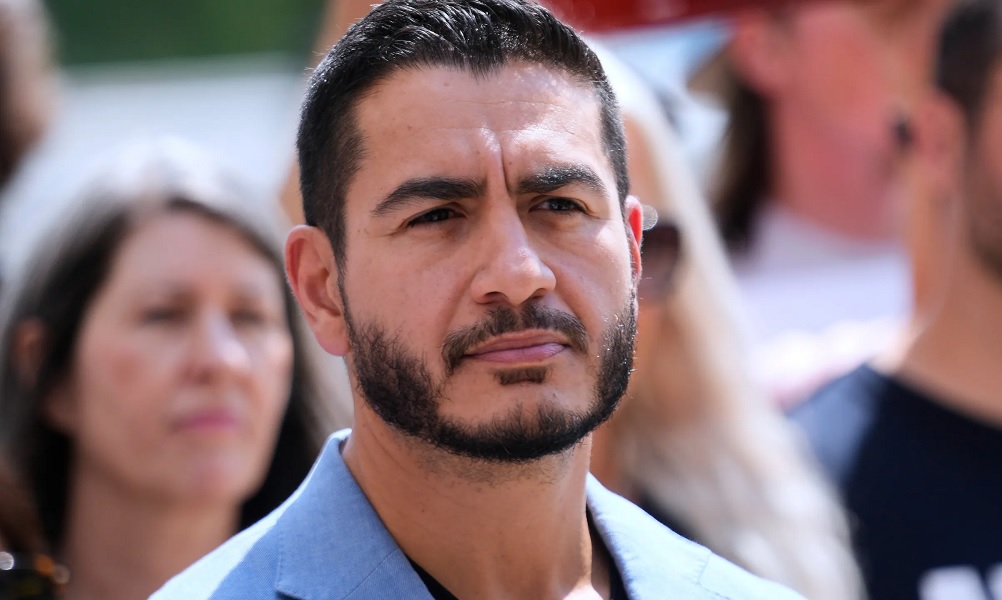
Abdul El-Sayed, the first Muslim elected to the US Senate, has called on Washington to reconsider its financial and military assistance to Pakistan and several other countries, arguing that American taxpayer money should not be used to support violations of international law.
El-Sayed, a Democrat who recently defeated Republican candidate Mike Rogers in Michigan, said the United States must ensure that its foreign assistance policies are consistent with international law.
In an interview with ABC, he stressed that the issue should not be limited to Israel, but should also include Pakistan, Egypt and Jordan.
“When we are giving money to a country that is using our money to violate international law, that seems to me a good place to start,” El-Sayed said.
His remarks come after US President Donald Trump announced plans to end approximately $4 billion in annual military assistance to Israel by the end of the year.
El-Sayed welcomed Trump’s proposal to reduce military aid to Israel, saying he agreed with the president’s approach.
He also called for restrictions on US arms sales to Israel, alleging that some American-supplied weapons were being used in actions involving what he described as genocide and apartheid.
The United States currently provides Israel with $3.8 billion in annual military assistance under an agreement that remains in effect until 2028.
However, El-Sayed’s criticism extends beyond Israel. He has also questioned US military assistance to Egypt, Saudi Arabia, Jordan and Pakistan, arguing that American taxpayer money should instead be directed towards domestic priorities.

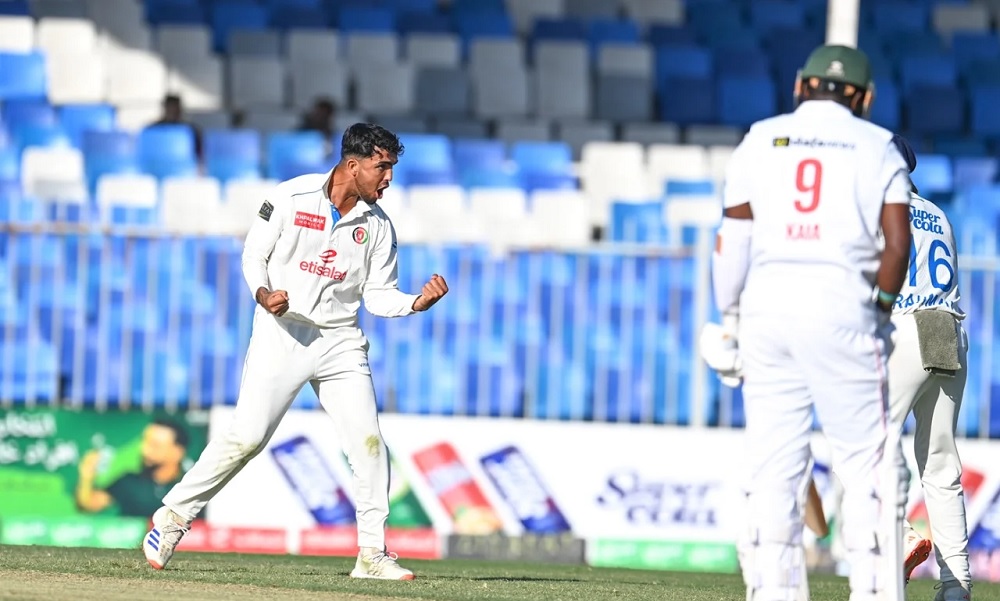
Debutant Naseer Khan strikes four as Afghanistan fight back against Zimbabwe in second Test

Russia calls UN report on Afghan opium ‘political propaganda’
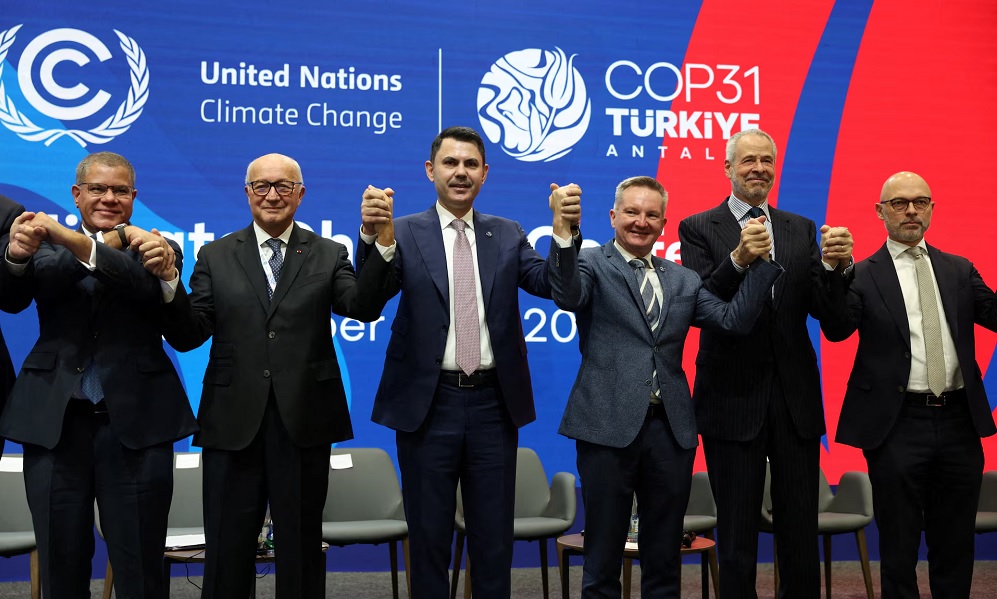
Urgent climate finance pleas at COP31 face a non-urgent response
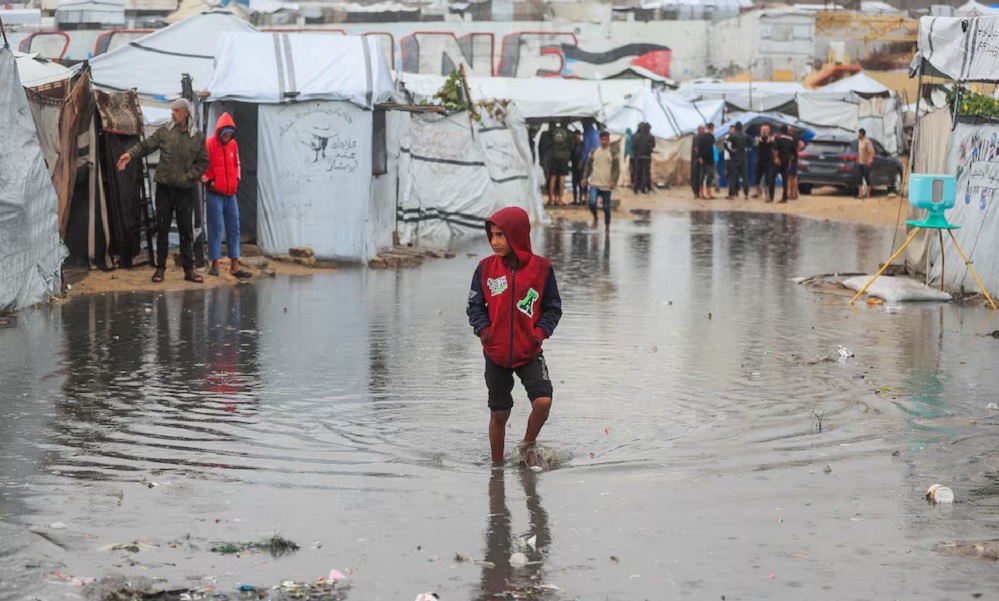
Respiratory illnesses rise in Gaza with worst to come as winter floods arrive, WHO says
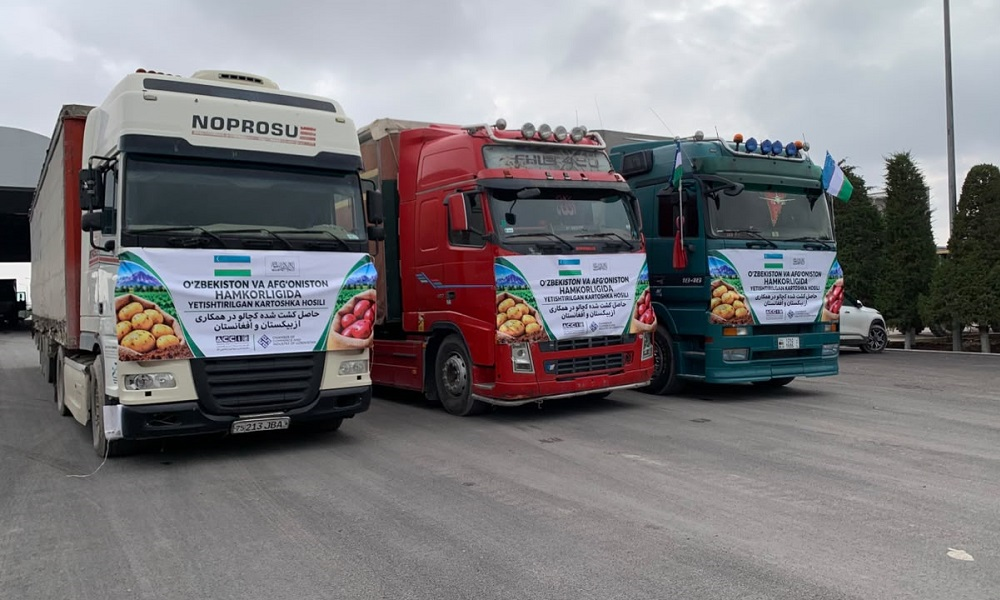
Afghanistan and Uzbekistan agree on export of 100,000 tons of Bamyan potatoes

Afghanistan finish runners-up after 6-0 defeat to Brazil in futsal final

Trump says US may strike Iran’s ‘Pickaxe Mountain’ nuclear facility

Rubio heads to Central Asia while other US officials hit foreign policy hot spots

Violent protests spread across Europe as Albanian PM blames ‘foreign hand’

Governments take websites offline as critical cyber flaws trigger global alert
Tahawol: Russia’s special attention to situation in Afghanistan discussed
Saar: Discussion on US’s humiliating defeat in Afghanistan
Tahawol: High-level Russian delegation’s visit to Kabul discussed
Saar: Afghanistan’s situation in focus at CSTO discussed
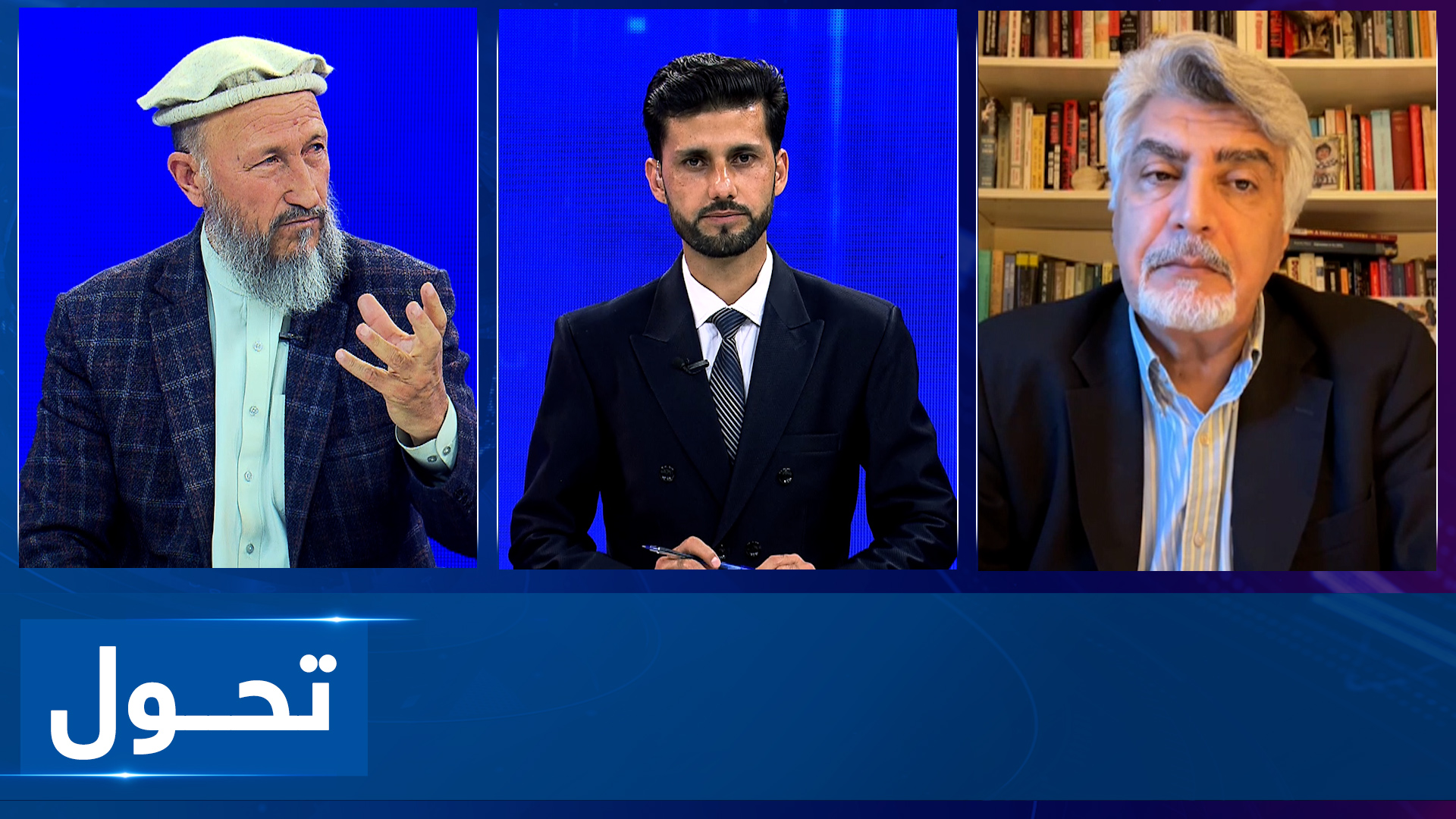
Tahawol: Efforts to halt deportation of Afghan refugees from US discussed
-
 Sport4 days ago
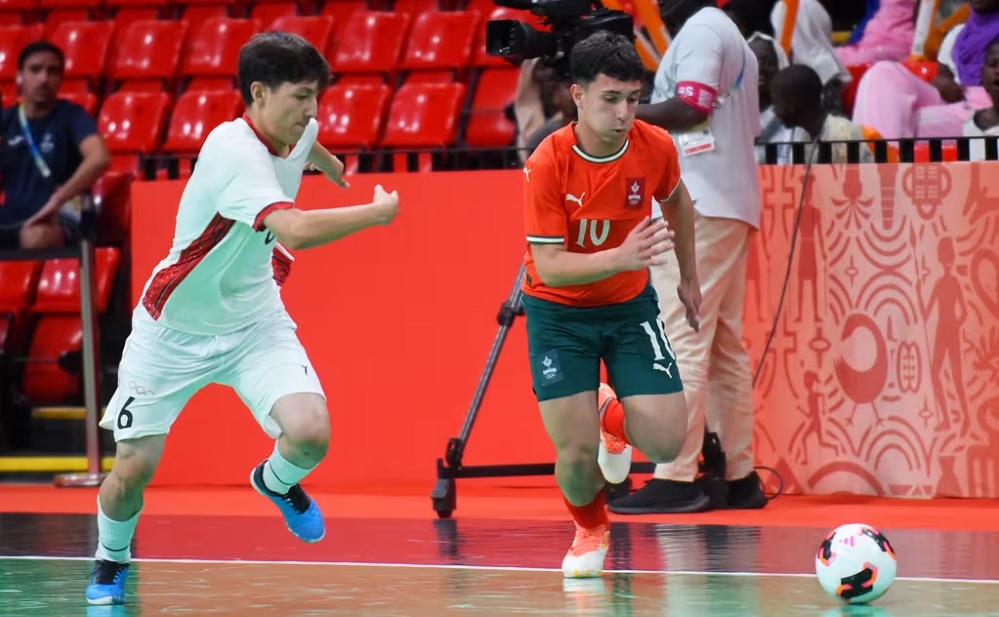
Portugal beat Afghanistan 2-0 in Dakar Youth Olympics futsal semi-finals
-
World4 days ago
First Muslim US senator-elect El-Sayed calls for review of aid to Pakistan
-
 Regional5 days ago
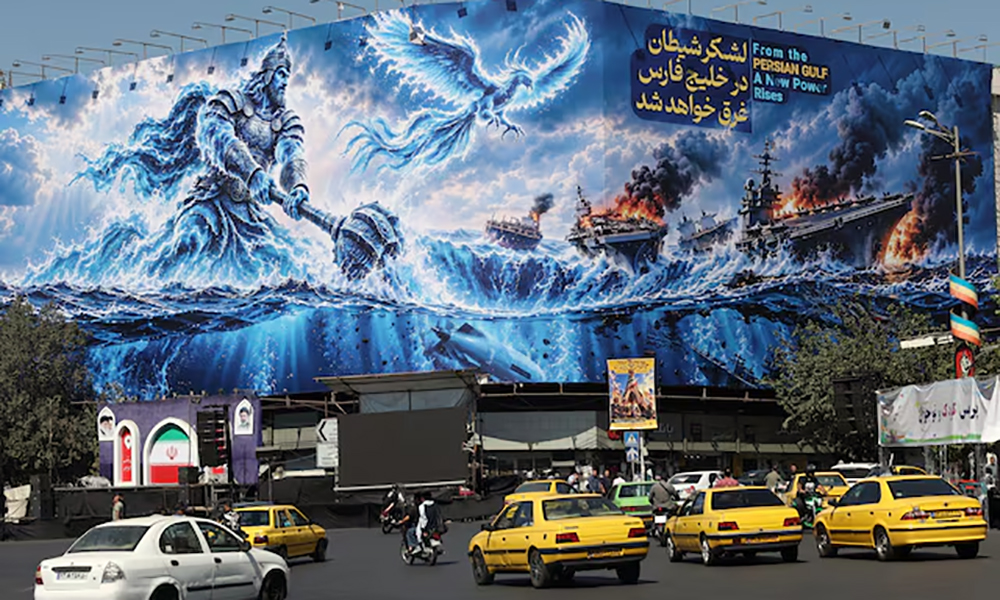
Iran defends two-day proposal for peace talks after US rejects conditions
-
 Business5 days ago
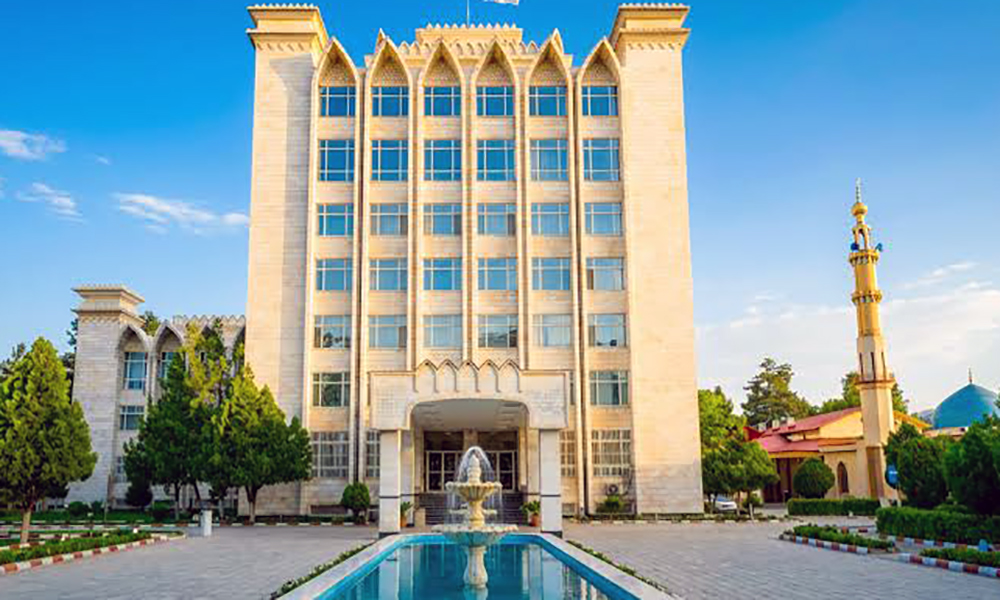
Afghanistan approves new foreign investment policy in bid to attract international investors
-
 Sport3 days ago
Omar Zawak thrash Istiqlal Kabul 5-1 in ACL
-
 World4 days ago
Trump says further US attacks on Iran ‘highly unlikely’ as peace talks gain momentum
-
 Sport4 days ago
First Test between Afghanistan and Zimbabwe ends in a draw
-
 Latest News5 days ago
UN pledges to expand cooperation with Afghanistan as over 8 million migrants return home