
Health
WHO warns lack of mental health services in Afghanistan is alarming
WHO attributed the current state of mental health services in Afghanistan to years of conflict, economic hardship, and widespread psychological stress.


The World Health Organization (WHO) has expressed deep concern over the absence of mental health services in provincial hospitals across Afghanistan, despite a critical need among the population.
The organization reports that all 34 provincial hospitals in the country currently lack specialized mental health facilities.
In a statement, WHO attributed the current state of mental health services in Afghanistan to years of conflict, economic hardship, and widespread psychological stress.
With financial support from the European Union, WHO has launched a program aimed at improving mental health and providing social support across the country.
This initiative focuses particularly on vulnerable populations and is being implemented through the hospital network.
To address the severe shortage of specialized mental health services, WHO has initiated a pilot project that integrates inpatient wards for the treatment of severe mental health disorders into selected provincial hospitals.
As part of this effort, inpatient facilities with a capacity of eight beds have been established in the provinces of Bamyan, Badakhshan, Farah, and Nimroz. Additionally, a larger 20-bed center has been launched at the Aino Mina Hospital in Kandahar province.
WHO emphasized that the goal of these centers is not only to treat psychological symptoms, but also to support patients in rebuilding their lives, restoring family relationships, and reintegrating into society.
Nevertheless, the organization has expressed concern about the uncertain future of the program.
It warned that the expansion and sustainability of these services are essential to meet the growing mental health needs of the Afghan population.




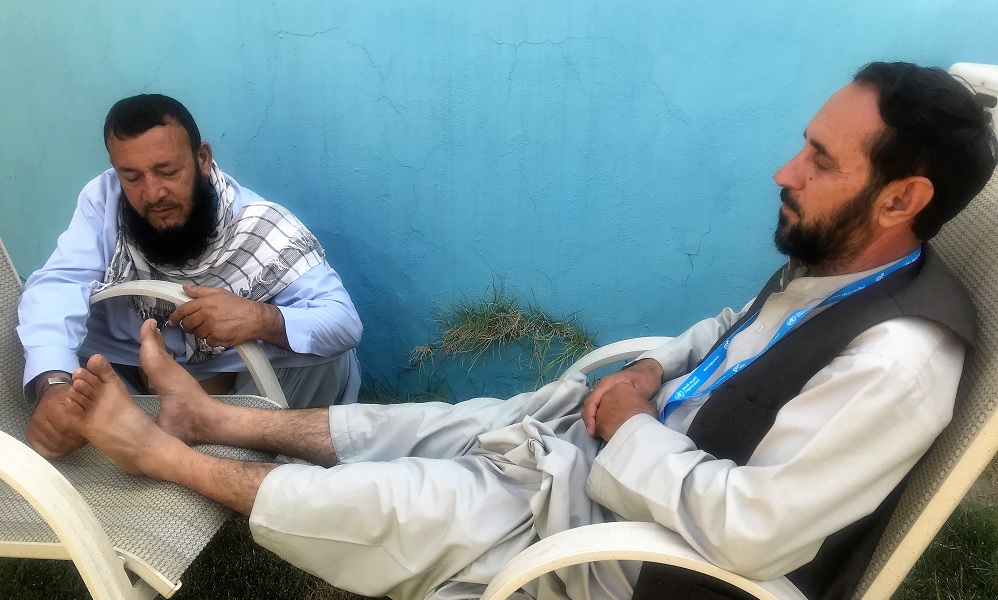
“Diabetes is a big public health problem in Afghanistan,” the World Health Organization (WHO) representative to Afghanistan has warned, saying too many people only learn they have the disease when a complication arises.
Dr. Edwin Ceniza Salvador said urgent investment is required to address and prevent diabetes, noting that screening is available in only one out of every 20 public health facilities.
In a message marking World Diabetes Day, Salvador urged people aged 40 and older to ask for a blood glucose test at their nearest health facility.
“Early action will save your sight, kidneys and prevent complications,” he said.
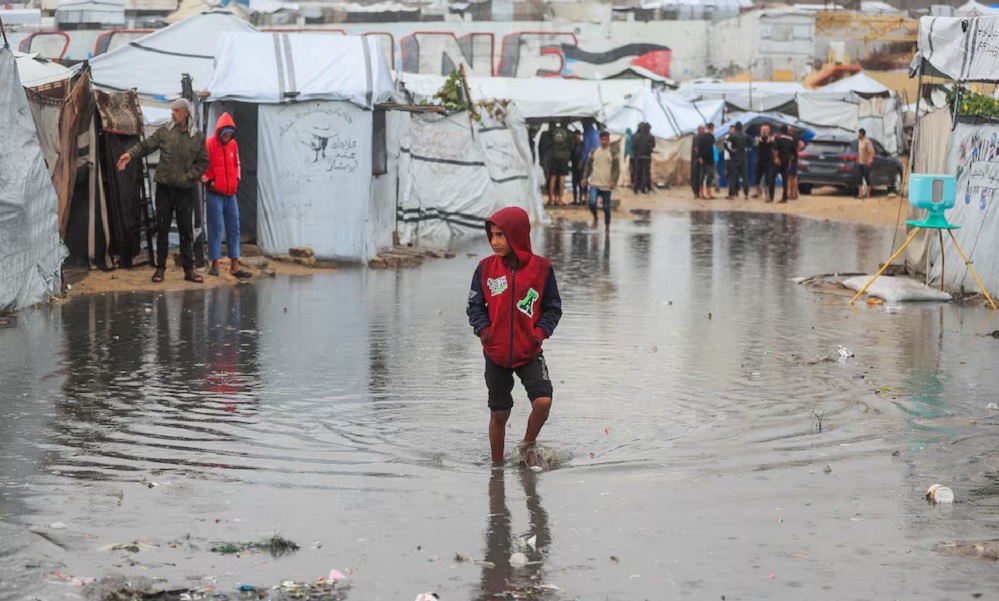
The World Health Organization warned on Friday of surging respiratory illnesses in Gaza, with worse expected after heavy rains flooded tens of thousands of tents housing displaced Palestinians.
“The numbers already show the pressure. Acute respiratory infections are 33,000 cases higher than at the same time last year,” Dr Reinhilde Van De Weerdt, WHO Representative in the Occupied Palestinian Territory, told reporters in Geneva from Jerusalem, Reuters reported.
Poor living conditions and severe overcrowding are driving up infections as Gaza’s population is squeezed into an ever-smaller area, WHO said. The crunch has worsened as the Israeli military expands its control by advancing the “yellow line” — a demarcation established under October’s US-brokered ceasefire.
“That means people are living in more crowded conditions, where of course the spread between humans of a virus is much more prone to spread,” Van De Weerdt explained.
The Israeli military and COGAT, the Israeli military agency that coordinates aid, did not immediately respond to Reuters request for comment.
Last week COGAT said that it had stepped up efforts to improve sanitary conditions before the heavy rain, in coordination with international organisations.
Respiratory infections currently make up 11% of all consultations, with the WHO expecting cold weather, flooding, overcrowded shelters and poor ventilation to push these numbers higher.
“It is shocking that just a few days of rain really showed us what the coming months will bring. And winter has not even fully set in. The worst really is yet to come,” Van De Weerdt said.
Nearly a million displaced people in Gaza live in flood-exposed areas, and 400,000 of them are in locations that are considered at extremely high risk, according to the WHO.
The agency said flooding heightened the risk of contaminated water, while standing water gave mosquitoes and pests more places to breed. Dampness encouraged mould and bacteria that are major drivers for respiratory infections, especially in young children, it said.
While the majority of medicines are getting into Gaza, the WHO faces difficulty getting laboratory supplies, which it says are vital for diagnosing patients before they can be treated.
“To prevent outbreaks, we really call to let laboratory equipment enter Gaza today, so that we can avoid a public health disaster on top of a disaster.“
Health
German medical team launches free surgical mission at Bamiyan provincial hospital
The mission is funded by volunteer doctors and partner organisations, with essential medicines and medical equipment also brought into the country.
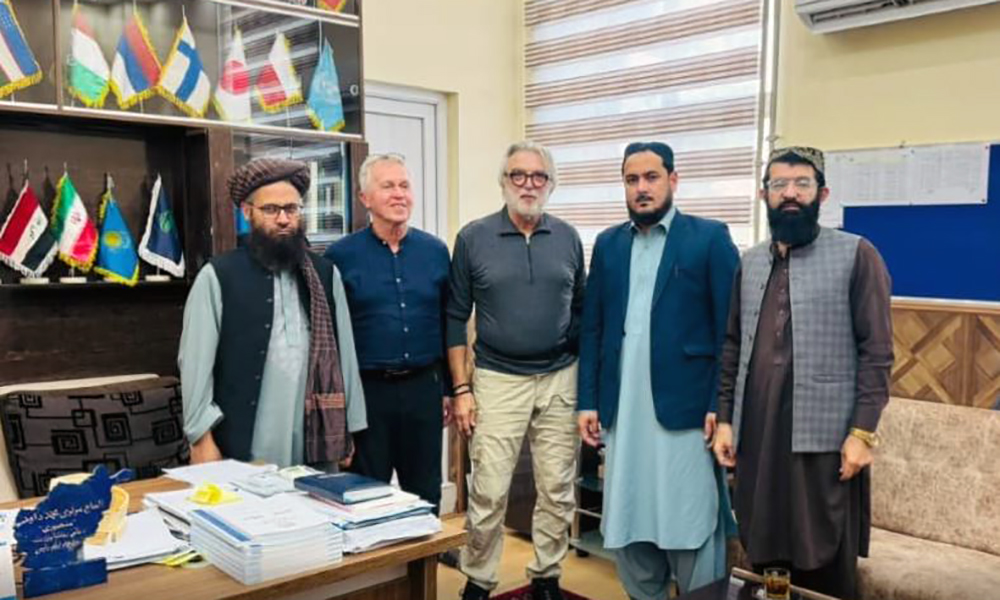
A nine-member medical team from Germany has begun a two-week medical and surgical mission at Bamiyan Provincial Hospital, offering free specialised treatment to patients in need.
According to the Ministry of Public Health, the team arrived in Afghanistan in coordination with the ministry and in partnership with Aga Khan Health Services (AKHS).
During the mission, the specialists will provide diagnostic and surgical services, including plastic surgery, burn treatment, correction of congenital deformities, war-related injuries and other complex medical conditions.
The team is expected to examine around 200 patients, with between 100 and 150 selected for surgical procedures.
In addition to treating patients, the German specialists will conduct theoretical and practical training sessions for Afghan doctors, surgeons and medical students to strengthen local medical expertise.
The ministry said the mission is funded by volunteer doctors and partner organisations, with essential medicines and medical equipment also brought into the country.
The initiative aims to improve access to free specialised healthcare, enhance the skills of Afghan medical professionals and strengthen surgical services in Afghanistan.


Arman FC cruise to 5-0 victory over Istiqlal Kabul in ACL match
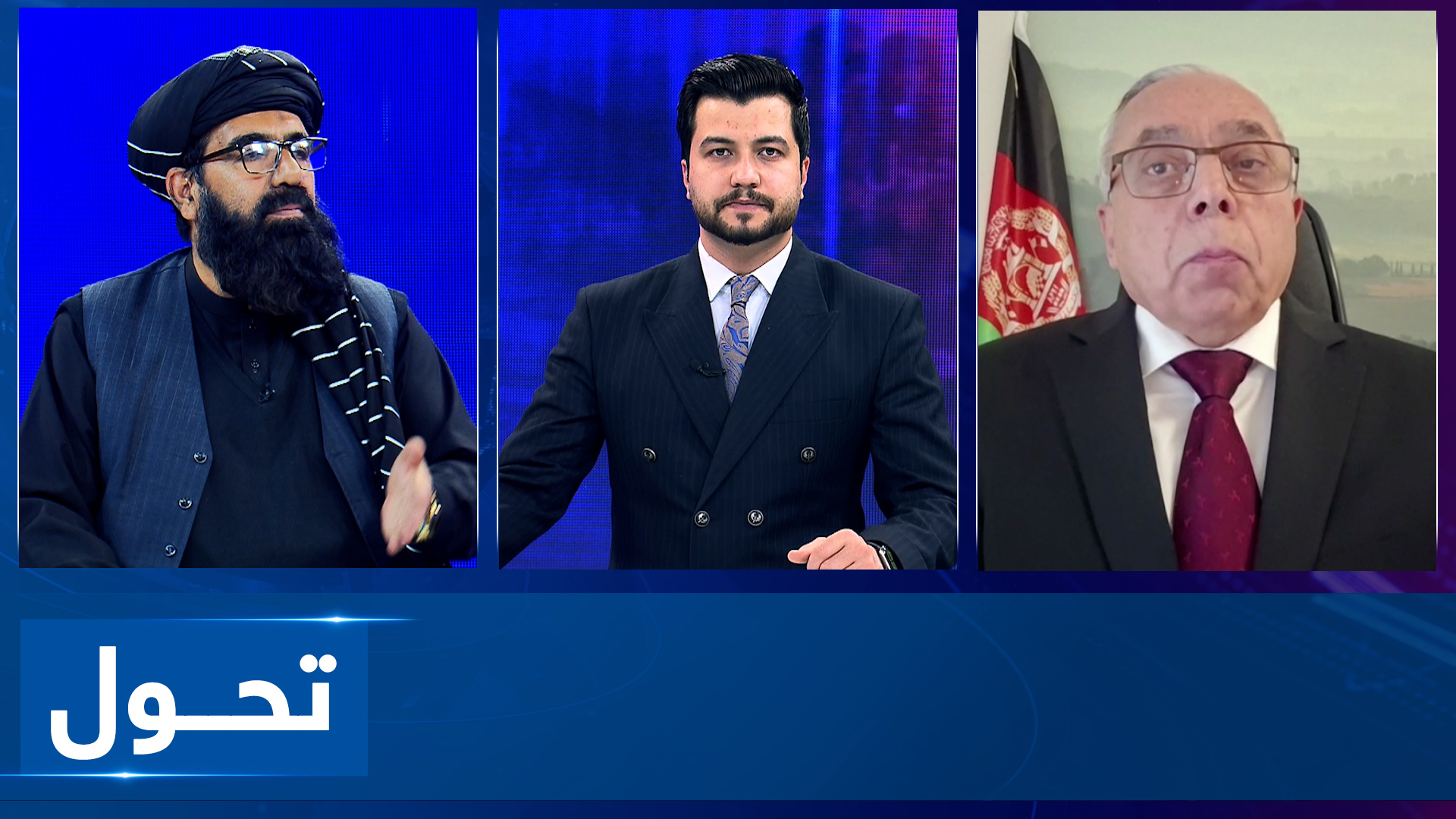
Tahawol: UK seeks to ease Kabul–Islamabad tensions
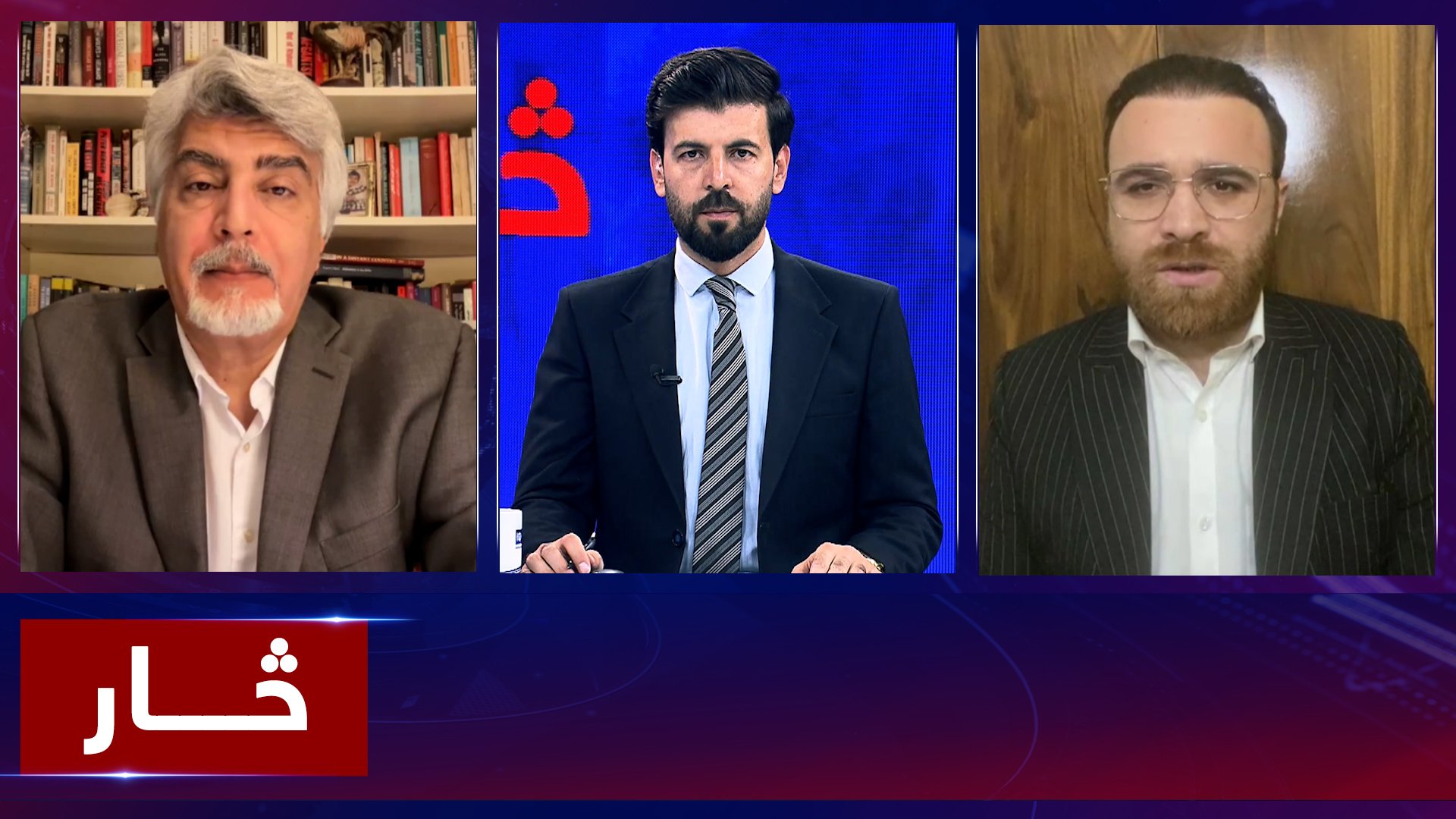
Saar: Iran–US tensions: an uncertain future
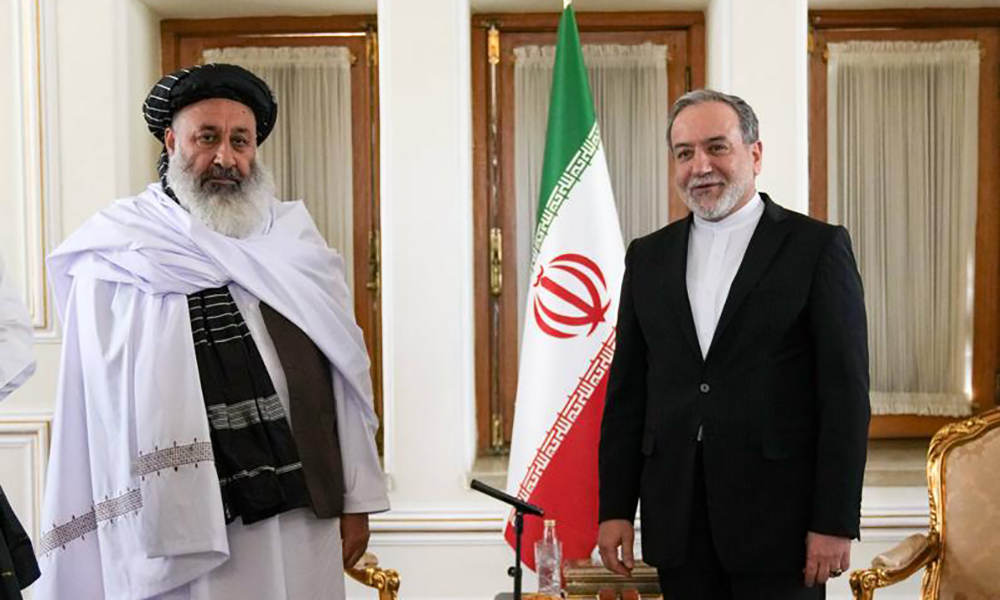
Afghanistan and Iran agree to expand trade cooperation and upgrade border infrastructure
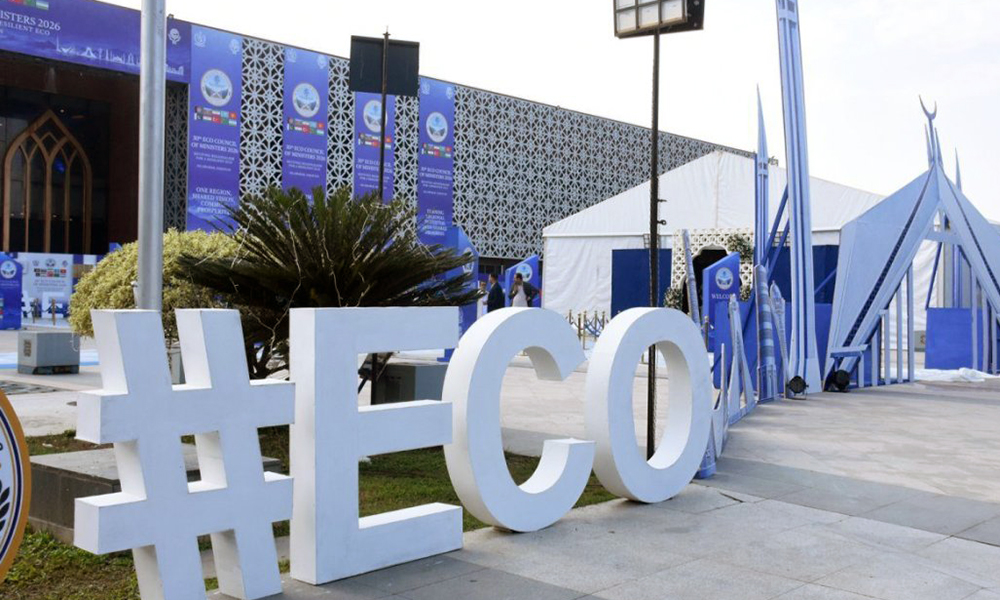
Afghanistan’s absence from ECO foreign ministers’ meeting raises questions

Afghanistan finish runners-up after 6-0 defeat to Brazil in futsal final

Trump says US may strike Iran’s ‘Pickaxe Mountain’ nuclear facility

Rubio heads to Central Asia while other US officials hit foreign policy hot spots

Violent protests spread across Europe as Albanian PM blames ‘foreign hand’

Governments take websites offline as critical cyber flaws trigger global alert
Tahawol: UK seeks to ease Kabul–Islamabad tensions
Saar: Iran–US tensions: an uncertain future

Tahawol: Concerns grow over worsening regional humanitarian crises discussed
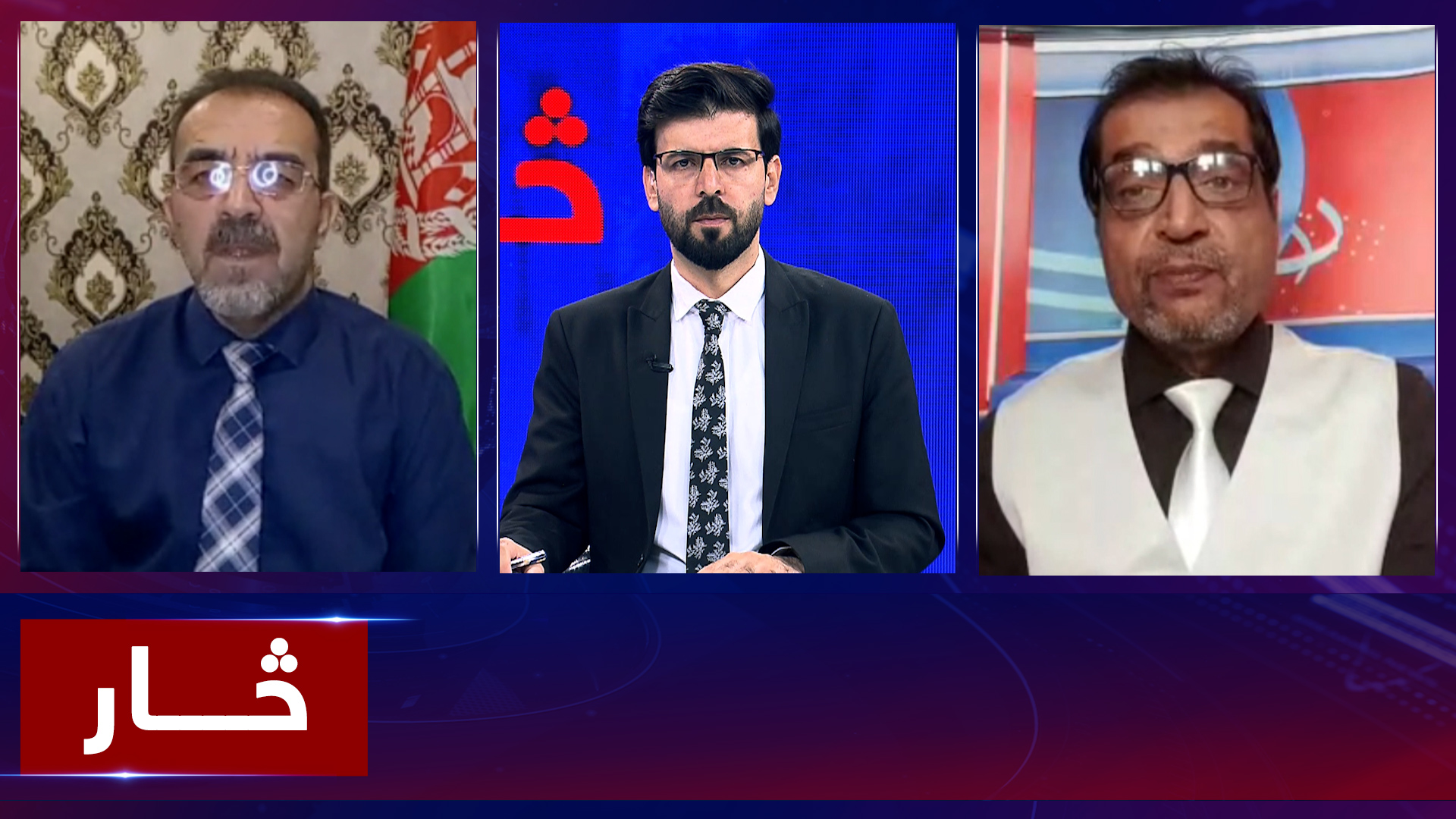
Saar: Forced deportation of Afghan refugees from Iran and Pakistan discussed
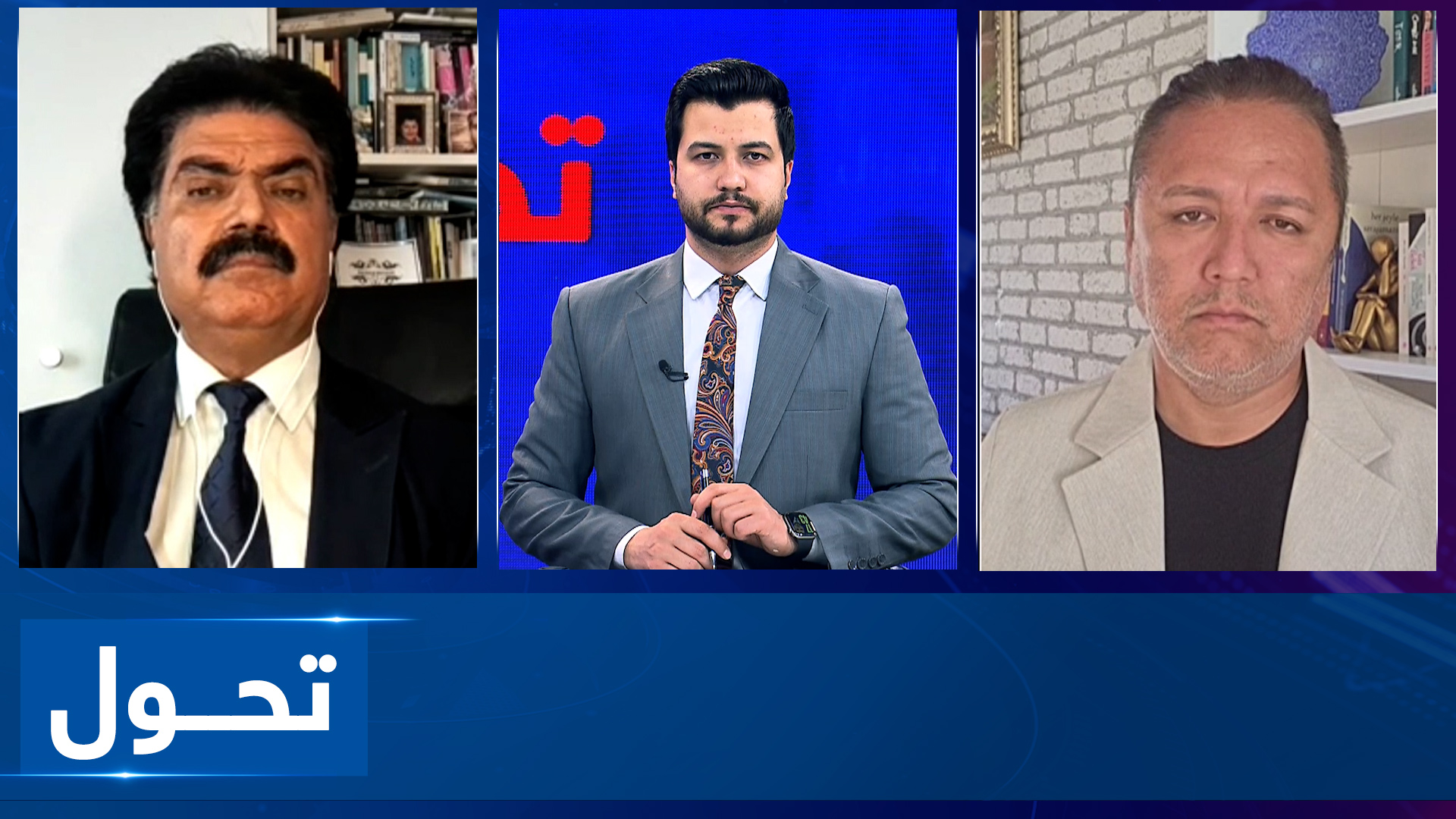
Tahawol: Russia’s special attention to situation in Afghanistan discussed
-
 Latest News5 days ago
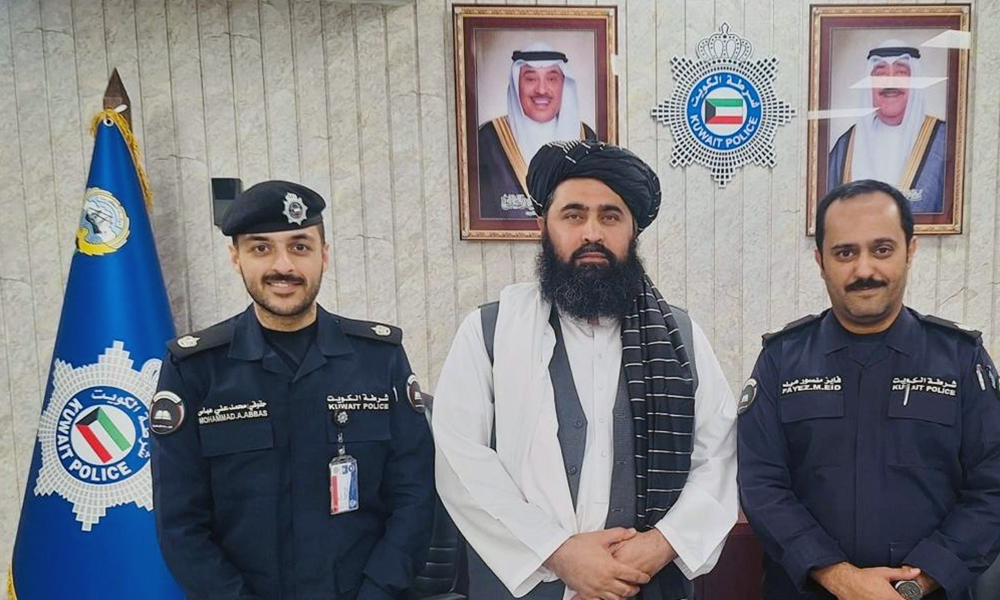
Afghan embassy in Kuwait discusses situation of Afghan prisoners with Kuwaiti officials
-
 Business5 days ago
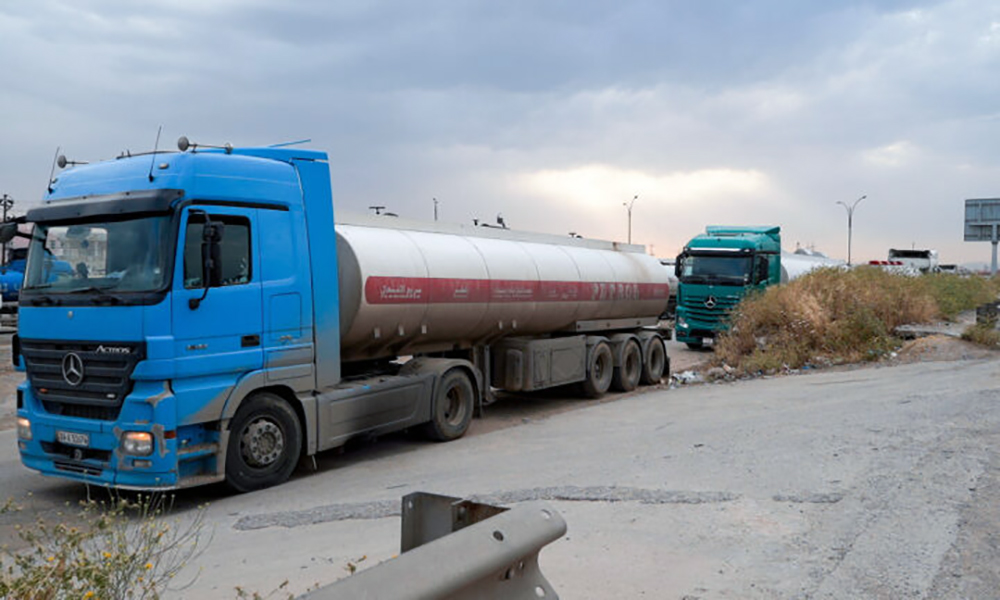
Iraqi intelligence report alleges oil smuggling network supplying Afghanistan and Turkey through Iran
-

 Latest News5 days ago
Russian deputy prime minister to visit Kabul with high-level economic delegation
-
 Latest News4 days ago
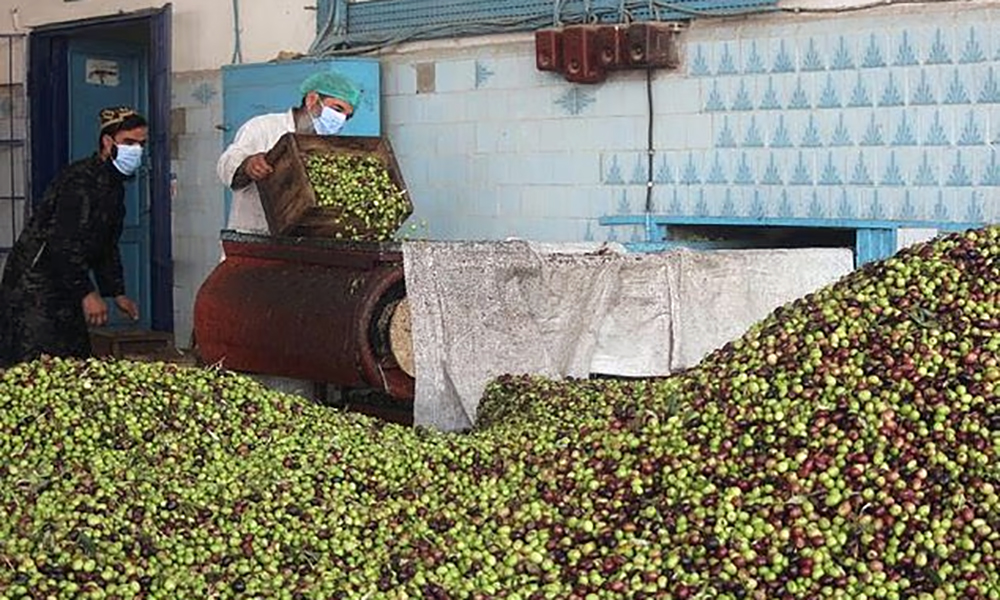
Olive farming offers new hope to Afghan farmers amid growing climate challenges
-
 Latest News5 days ago
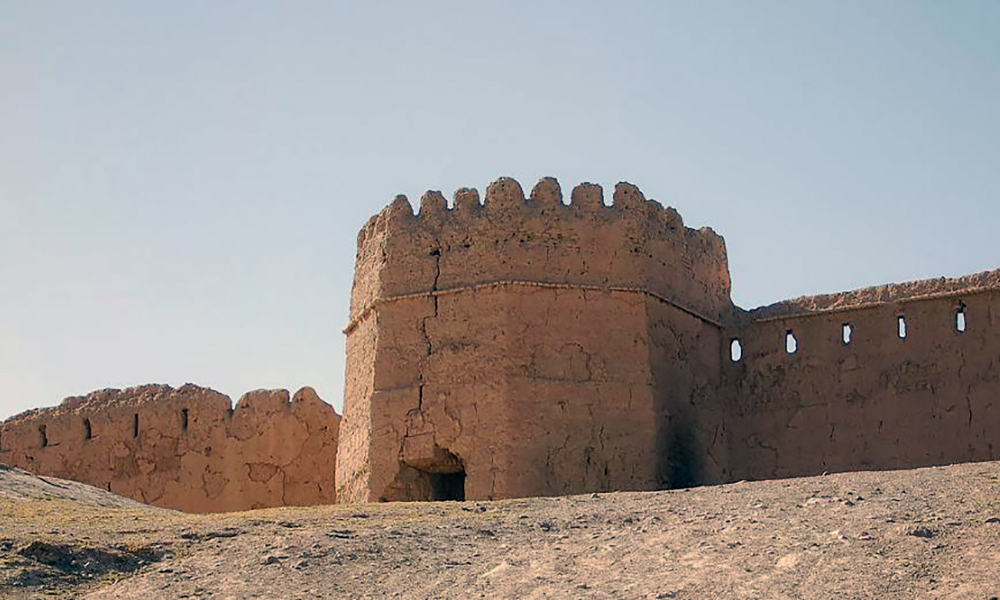
Ancient treasures unearthed at Kabul’s historic Bala Hissar
-
 Business3 days ago
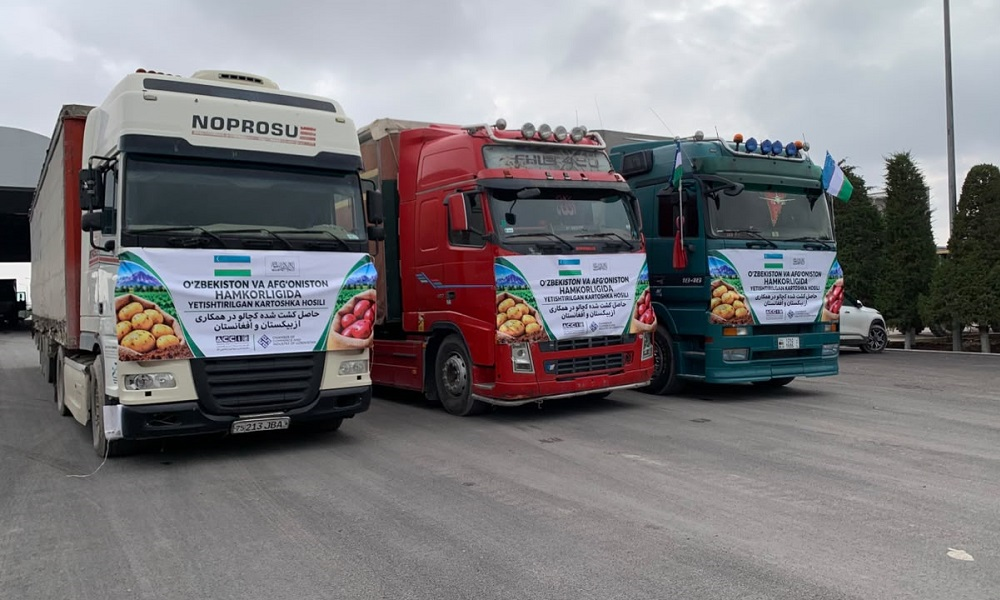
Afghanistan and Uzbekistan agree on export of 100,000 tons of Bamyan potatoes
-
 Sport5 days ago
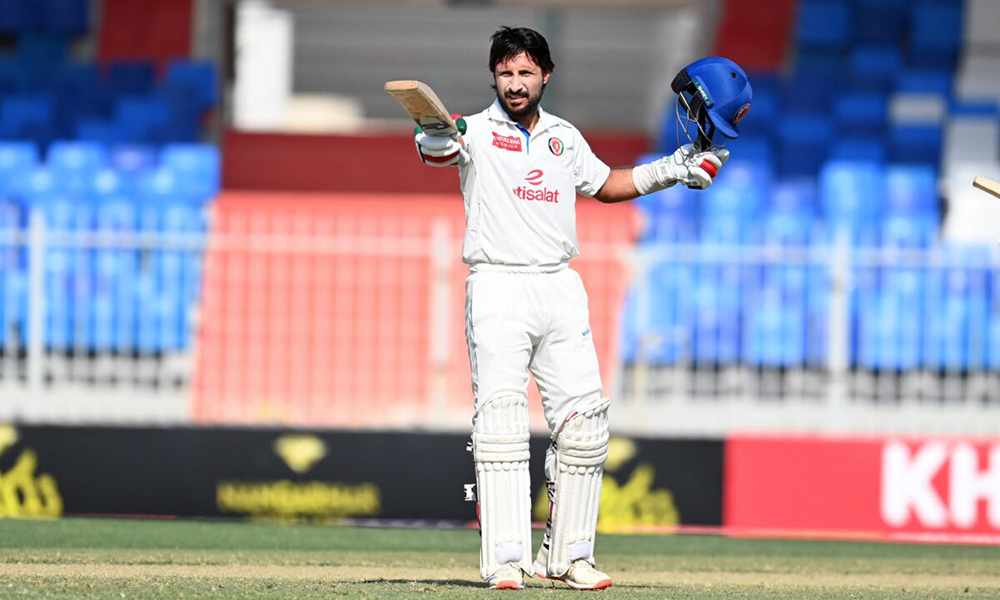
Historic first for Rahmat Shah after ICC rankings update
-
 Latest News5 days ago
UNESCO warns Afghanistan risks losing an entire generation of professionals as girls’ education ban continues