
Latest News
Abdullah says reduction in violence is critical, issue needs to be prioritized


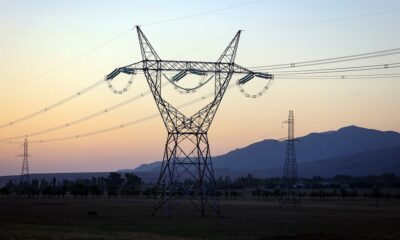



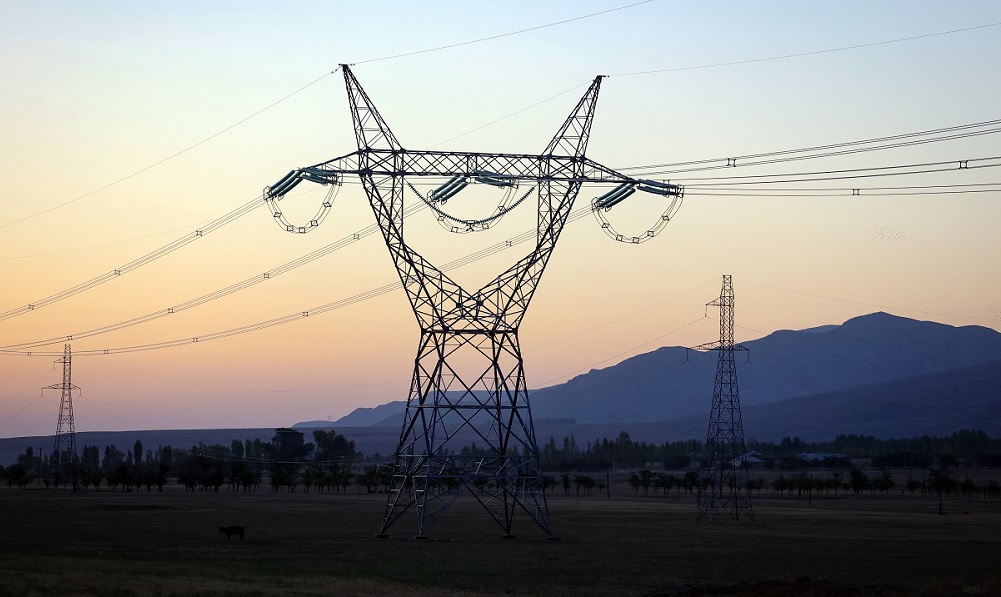
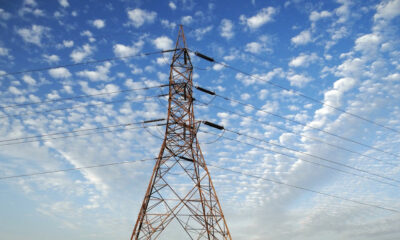
Kyrgyzstan has completed major construction work on its territory under the regional energy project CASA-1000, according to a recent report by the Eurasian Stabilization and Development Fund (ESDF). With key infrastructure now in place, further progress on the project depends on the completion of construction in Afghanistan, which is expected by the end of 2027.
The report notes that Kyrgyzstan, Tajikistan, and Pakistan have largely finalized their respective infrastructure components and are now awaiting the completion of the Afghan section before moving forward with full operational stages.
The CASA-1000 project, valued at approximately $1.2 billion, aims to establish a high-voltage electricity transmission line linking Central and South Asia. The initiative is designed to enable Kyrgyzstan and Tajikistan to export surplus hydropower during summer months, when electricity demand rises in Pakistan and Afghanistan due to increased use of cooling systems.
Construction work in Afghanistan was suspended in August 2021, at a stage when only about 18 percent of transmission structures had been installed, although more than 90 percent of equipment had already been delivered to the country. Following extended negotiations and security assurances, work on the Afghan section resumed in December 2024.
ESDF experts say that once construction in Afghanistan is completed, participating countries will be able to begin technical testing of the high-voltage direct current (HVDC) system. A full launch of the regional energy corridor is expected by the end of 2027, marking a significant milestone in regional energy integration between Central and South Asia.
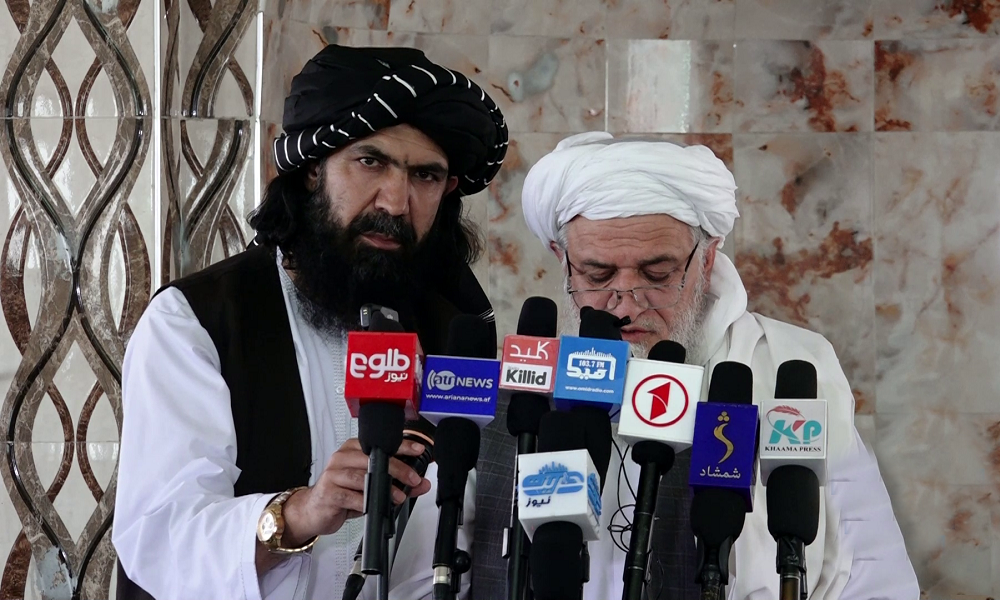
Afghan scholars have described the “martyrdom” of Maulana Muhammad Idris, a prominent Pakistani religious scholar, as a major loss and have extended their condolences over his death to all scholars worldwide, particularly to the Jamiat Ulema-e-Islam Pakistan.
In a condolence message, Afghan scholars stated: “Killing scholars is a grave injustice that brings the wrath and anger of Almighty Allah and is considered an unforgivable crime. We, the scholars of Afghanistan, strongly condemn such actions.”
They also urged the government of Pakistan to take serious measures to prevent the targeting of religious scholars.
Maulana Muhammad Idris was killed on Tuesday in an armed attack in Pakistan’s Khyber Pakhtunkhwa province.
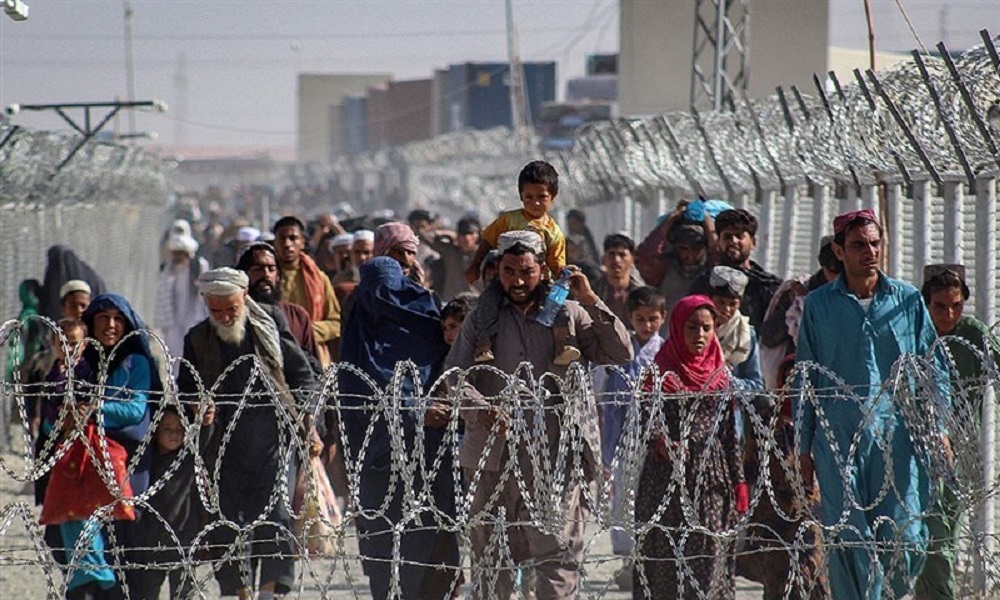
The Islamic Emirate’s High Commission for Addressing Migrants’ Problems has called on international organizations and the United Nations High Commissioner for Refugees (UNHCR) to engage with Pakistan to prevent difficulties for Afghan nationals, ensure they are not subjected to harassment, and facilitate their swift return.
The commission said the issues should be addressed as a matter of urgency.
According to the commission, Afghan returnees entering the country through the Torkham crossing are often held up for days on the Pakistani side for various reasons. It added that women, children, and elderly people are among those affected, many of whom are facing multiple hardships while waiting along roads in uncertain conditions.
“Our request is that Afghan migrants should not be left waiting on the other side of the border,” the commission said.
“We have the necessary capacity to receive and resettle returnees. Regardless of the number arriving each day, we are able to manage them and provide the required services.”


US and Iran closing in on one-page memo to end war, Axios reports

CASA-1000: Kyrgyzstan completes its part, Afghanistan work still in progress

Rashid Khan retains No. 1 spot in ICC ODI and T20I bowling rankings

Trump says United States will get uranium from Iran

Tahawol: Diplomatic turn in Iran–US confrontation discussed

Bayat Power extends gas supply deal with Afghan Gas

Etihad Airways to expand Kabul–Abu Dhabi flights to daily service amid surging demand

Afghanistan’s new cricket head coach Richard Pybus arrives in Kabul

Afghanistan, Uzbekistan sign $400 million trade deals in push to deepen ties

Afghanistan moves toward self-sufficiency in car battery production
Tahawol: Diplomatic turn in Iran–US confrontation discussed

Saar: Expanding interaction between countries and IEA discussed

Tahawol: Deportation of Afghan refugees from Germany discussed

Saar: Criticism over Pakistan’s policies discussed

Tahawol: Pakistan’s dual policy on Afghanistan
-

 Regional5 days ago
Iranian proposal rejected by Trump would open strait before nuclear talks, Iran official says
-

 World4 days ago
Trump says US could restart Iran strikes ‘if they misbehave’
-

 Regional4 days ago
Iran says it has received US response to its latest offer for talks
-
 Business4 days ago
Afghan economic commission approves 12 major development projects across key sectors
-
 Sport3 days ago
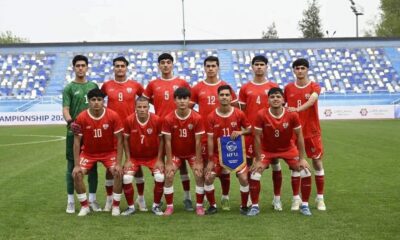
Afghanistan set for Maldives four-nation tournament
-
 Latest News4 days ago
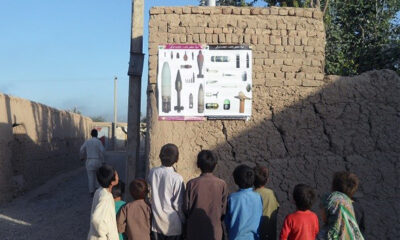
UN warns funding cuts are slowing mine clearance efforts in Afghanistan
-

 Business3 days ago
Kazakhstan grain exports to Afghanistan jump sharply
-
 Latest News4 days ago
Afghan officials say media should align with Islamic and national values