
Latest News
Afghan families still in need of vital support, one year after Herat earthquakes


Plagued by a severe funding shortfall, the UN Office for the Coordination of Humanitarian Affairs (UNOCHA) has warned that with winter rapidly approaching, the outlook for at least 25,000 Afghan families in Herat is bleak as they still lack adequate shelter a year after deadly earthquakes struck the province.
On October 7, 11 and 15 of last year, massive earthquakes hit the province, leaving over 275,000 people in urgent need of assistance.
The three 6.3 magnitude earthquakes devastated 382 villages, resulted in the death of 1,480 people and injured nearly 2,000 others.
Homes, health centers, schools and essential infrastructure were destroyed in an instant, further exacerbating the vulnerability of communities already grappling with the aftermath of decades of conflict and economic hardship.
While assistance was mobilized quickly, the challenges remain significant as many families continue to struggle in the wake of the earthquakes and have found it hard to recover – both psychologically and materially.
One such family is led by Tahmina, a 25-year-old mother from one of the worst-affected villages in Herat.
The earthquakes claimed the lives of fourteen members of her family, including her parents, siblings and younger relatives. Her children remain traumatized by the events, with one unable to laugh or walk since that tragic day.
Tahmina’s story reflects the difficulties faced by countless other Afghan families who were also affected by the earthquakes.
However, a severe funding shortfall is posing major challenges to the UN Office for the Coordination of Humanitarian Affairs (UNOCHA), which has helped drive the humanitarian assistance process in Herat and across Afghanistan.
In a report published this week, UNOCHA said Afghanistan’s Humanitarian Needs and Response Plan (HNRP) faces a severe funding shortfall, having received only $961.7 million – 31.4 percent of the $3.06 billion required.
This $2.09 billion funding gap threatens essential aid programmes as humanitarian needs remain acute.
The agency also reported that from July to September, widespread flash floods impacted more than 18,900 people across 14 provinces, damaging homes, livestock and agricultural assets, which are vital resources for food security.
“Additionally, since January 2024, cross-border returns have surged, with over 1.1 million Afghans returning from Iran and Pakistan – 243,000 from Pakistan and 825,000 from Iran – adding further strain on limited resources,” the report read.
UNOCHA stated that the critical funding gap of $2.09 billion includes an urgent $1.09 billion shortfall in healthcare, nutrition, sanitation and shelter sectors.
As a result of this shortfall, 3.7 million people have been left without access to primary and secondary healthcare services, while hundreds of thousands of children and pregnant women are missing essential nutritional support.
Emergency shelter and sanitation resources are also lacking, leaving thousands affected by floods and earthquakes without long-term housing solutions, the report read.
In addition, food assistance has been scaled back, excluding entire districts from critical support and increasing the risk of malnutrition.
UNOCHA in turn appealed to donors to provide timely and consistent funding to sustain humanitarian operations and ensure aid reaches those in greatest need.
“Increased international engagement with Afghan authorities could also facilitate access and support the effective delivery of assistance,” the report read, adding that “without prompt action to address the critical funding gap, Afghanistan’s humanitarian crisis will deepen, leaving millions in precarious and increasingly vulnerable conditions.



Latest News
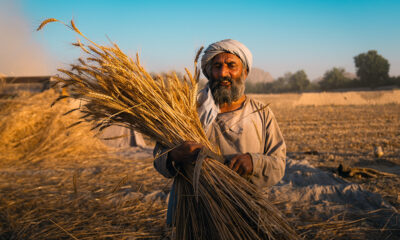
FAO warns water shortages and heat put Afghanistan’s agriculture under pressure
FAO assessed current conditions and prospects using climate forecasts, remote-sensing data and consultations with farming communities across all 34 provinces.
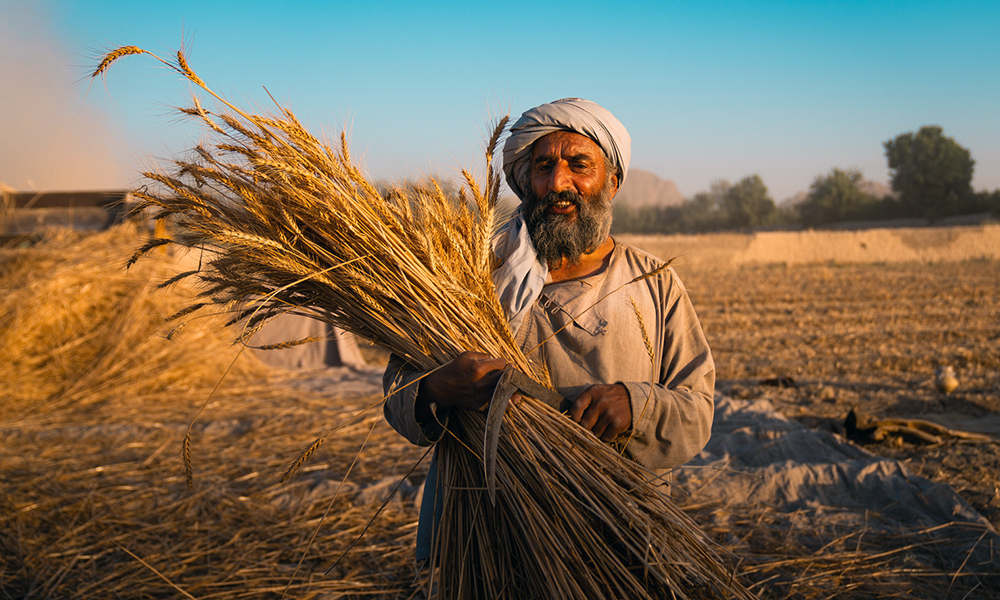
The Food and Agriculture Organization of the United Nations (FAO) has warned that water shortages and above-average temperatures are placing increasing pressure on summer crops and grazing across Afghanistan.
In its August 2026 outlook for Afghanistan’s 2026/27 agricultural season, FAO assessed current conditions and prospects using climate forecasts, remote-sensing data and consultations with farming communities across all 34 provinces.
The agency said persistent water shortages, combined with high temperatures, are affecting agricultural conditions during the summer season and increasing pressure on crops and livestock.
FAO also warned that persistently high fertilizer prices could limit farmers’ ability to invest in the upcoming winter wheat season, potentially affecting production prospects.
Looking ahead, the report says a strengthening El Niño and the possible development of a positive Indian Ocean Dipole could bring above-average precipitation during winter and spring.
Such conditions could improve water availability and boost prospects for agricultural production, but FAO cautioned that heavier rainfall could also increase the risk of floods, landslides, crop damage and livestock losses.
The agency said the latest outlook highlights the need for continued monitoring, anticipatory action and timely, practical climate and agricultural advisories to help farmers and livestock owners prepare for changing conditions.
Latest News
Hana raises concerns over Afghan women and children amid Iran’s expulsion policy
It said the risks are particularly serious for children born in Iran or those who have spent much of their lives there.
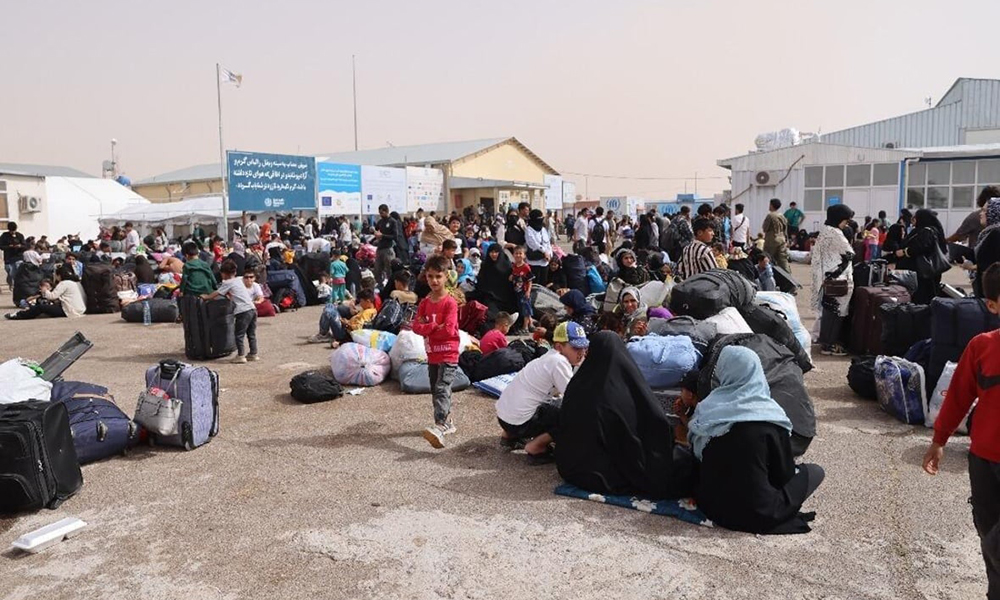
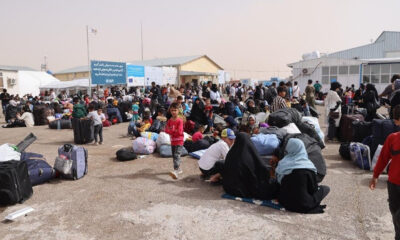
The Hana Human Rights Organization has raised serious concerns over the situation of Afghan women and children in Iran, saying the country’s plan to regulate and expel undocumented Afghan nationals remains in effect.
According to Hana, Iran’s Ministry of Interior has confirmed that the “Plan for the Regulation and Expulsion of Unauthorized Afghan Nationals” has not been suspended.
The organization said the policy is continuing amid the consequences of armed conflict and an increasingly securitized environment in Iran, which it said has heightened the vulnerability of Afghan migrants and asylum seekers.
Hana said it has previously documented cases involving the arrest and mistreatment of Afghan nationals, deportations, family separation and difficulties obtaining civil documentation and accessing essential services.
The organization warned that continued implementation of the expulsion policy could worsen these problems.
Hana expressed particular concern for Afghan children under 18, stressing that children’s rights are independent of their parents’ migration status.
It said irregular residence should not, by itself, justify a child’s detention, separation from family or removal without an individualized assessment. Any decision affecting a child, it added, should prioritize the child’s best interests, preserve family unity and provide additional safeguards for unaccompanied and separated children.
The organization warned that large-scale expulsions without clear procedures to identify and protect children at risk could result in family separation, disruption to education, lack of legal protection, difficulties establishing legal identity, exploitation and return to unsafe conditions.
It said the risks are particularly serious for children born in Iran or those who have spent much of their lives there.
Hana also highlighted gender-specific risks facing Afghan women and girls. It warned that deportation to Afghanistan without assessing risks linked to gender, previous political or social activities, family circumstances and access to support networks could expose them to serious human rights violations.
The organization said being classified as an “unauthorized foreign national” should not replace an individual assessment of a person’s protection needs and the risks they may face upon return.
Hana stressed that while states have the authority to regulate the entry and residence of foreign nationals, migration enforcement must comply with international human rights principles, including non-refoulement, the prohibition of collective expulsion, access to individualized procedures and respect for family unity.
It called for heightened protection for women and children, warning that continuing the expulsion plan without effective legal and protection safeguards could lead to further human rights violations against Afghan migrants and asylum seekers in Iran.
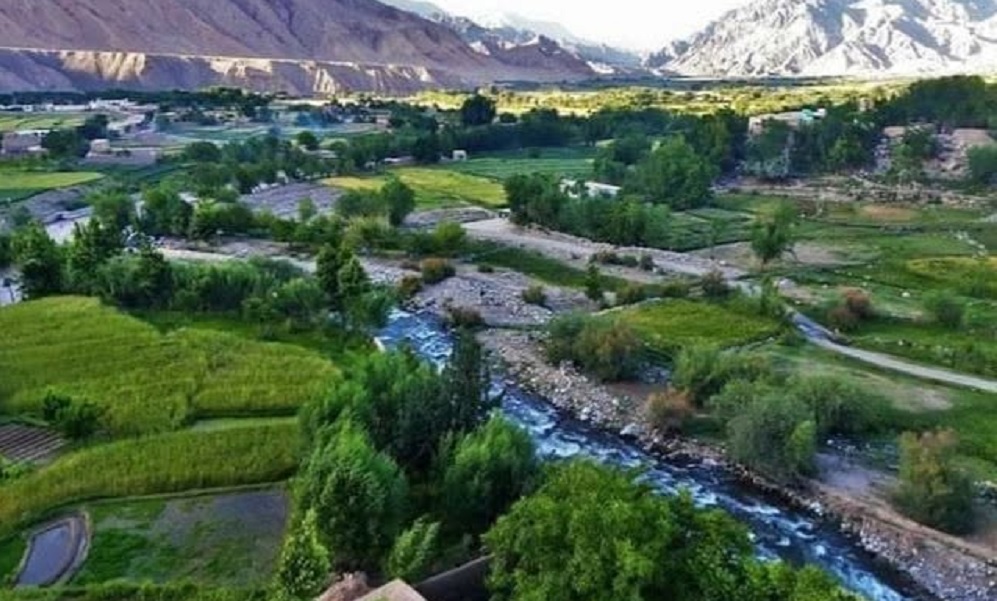
Security officials in Afghanistan’s Baghlan province say an armed clash between members of two families over a personal dispute and access to water for agriculture in Tala wa Barfak district has left four people dead and one injured.
Ismail Ayubi, police chief of Tala wa Barfak district, said the incident took place in the Dewalk area of Barfak, a remote part of the district.
He said the main cause of the clash was a dispute between the two families over the use of agricultural water.
Baghlan police said that, due to the lack of mobile network coverage in the area, a local resident traveled to an area with network access to report the incident to security forces.
Following the report, security forces took the necessary steps to respond to the incident. Officials said those involved in the clash fled the area after the incident, and no one has so far been arrested.
The district police chief said efforts are ongoing to identify and arrest those responsible. Security forces are also working to maintain public safety and prevent further insecurity in the district.
An investigation into the circumstances of the clash and the identification of those involved is ongoing.


FAO warns water shortages and heat put Afghanistan’s agriculture under pressure

US military operations killed 153 civilians in 2025, Pentagon assessment shows

Hana raises concerns over Afghan women and children amid Iran’s expulsion policy

Afghanistan face Ireland with series win in sight

Afghanistan to host India for three-match T20I series in Delhi

Pakistan’s governance system has ‘collapsed’: Mohsin Naqvi

Spain sweep FIFA World Cup player awards after historic triumph

Iran, Afghanistan and Tajikistan discuss expanding regional transit cooperation

Afghan health minister, Gavi discuss expanding routine immunization

Afghanistan temporarily eases fuel import standards to help curb rising prices

Tahawol: Hamid Karzai’s call for Afghan reconciliation discussed

Saar: Preparations for IEA’s fifth anniversary discussed

Tahawol: Iran’s acknowledgment of Afghanistan’s cooperation discussed

Saar: Five years of Islamic Emirate rule in Afghanistan reviewed

Tahawol: Afghanistan: An Alternative to the Strait of Hormuz?
-

 Sport3 days ago
Afghanistan secure direct qualification for 2027 Men’s ODI World Cup
-
 Regional4 days ago
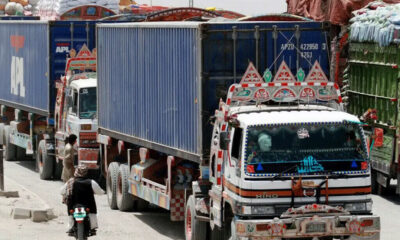
Goods transporters to go on strike from Saturday after talks with Pakistan govt fail
-

 Sport4 days ago
Rashid Khan takes six as Afghanistan thrash Ireland by 92 runs
-
 Latest News3 days ago
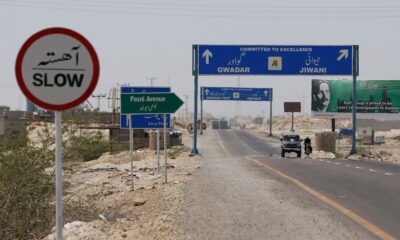
Pakistan-backed armed groups in Balochistan using former Afghan government forces: report
-
 World4 days ago
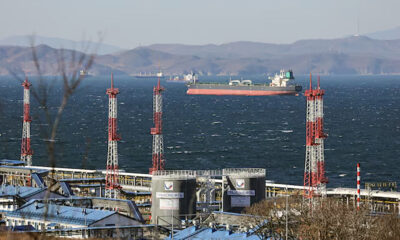
US Senate passes Russia sanctions championed by Graham; US House next
-
 Sport2 days ago
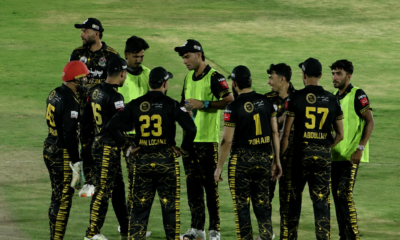
Abasin Defenders stun Kabul Zalmi in Kabul Premier League
-

 Latest News4 days ago
Moldova president criticizes visa approval for IEA delegation
-
 Regional3 days ago
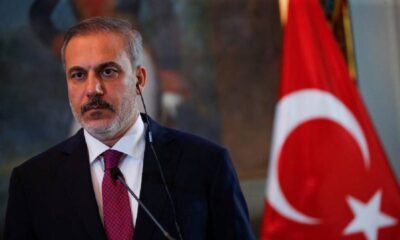
Turkey, Pakistan, Saudi Arabia defence pact technically same as NATO’s Article 5, Turkish minister says