
Latest News
Afghanistan’s deputy PM orders review of new dam and gas-fired power project plans
Mullah Abdul Ghani Baradar chaired a regular meeting of the Economic Commission where a number of draft proposals for projects, including power generating plans, were discussed


At a regular Economic Commission meeting this week, discussions centered around a number of key projects including the construction of a second Surobi Dam in Kabul province and the production of 300 megawatts of electricity from natural gas in Jawzjan province.
According to a statement issued by the office of Mullah Abdul Ghani Baradar, the deputy prime minister for economic affairs, a draft proposal for construction materials for the ministry of mines and petroleum was also discussed.
Chaired by Baradar, the meeting involved comprehensive discussions on these critical issues, the statement read.
The ministry of water and energy was tasked with conducting technical discussions with various companies regarding the construction of the second Surobi Dam.
The ministry was also urged to consider the Economic Commission’s opinions and present its findings in a report to the commission.
Technical discussions with the company proposing the 300-megawatt gas-fired electricity project in Jawzjan province set to take place
Additionally, the ministry of water and energy was instructed to engage in technical discussions with the company proposing the 300-megawatt gas-fired electricity project in Jawzjan province.
These discussions will involve representatives from the ministry of mines and petroleum, who will submit a detailed report to the Economic Commission on the project’s feasibility and on technical aspects, the statement read.
The commission also addressed a draft proposal from the ministry of mines and petroleum concerning construction materials, including sand, gravel, and bricks.
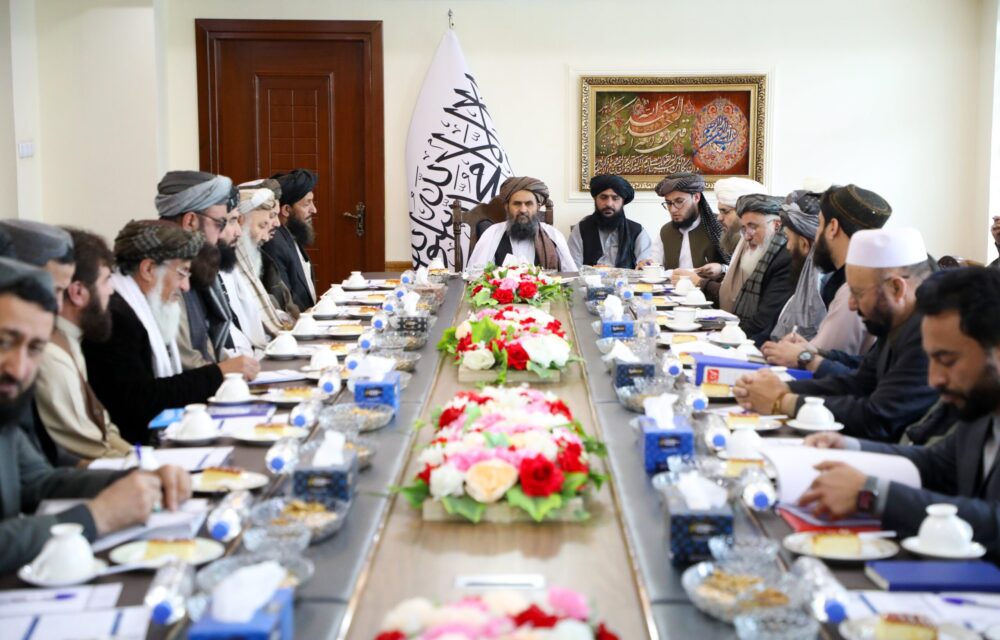
The Economic Commission, chaired by Mullah Baradar, met this week in Kabul
After a thorough evaluation of the draft proposal, the task of finalizing the proposal was assigned to a committee led by the ministry of mines and petroleum.
Once the proposal has been finalized it will be sent to the office of the Islamic Emirate’s supreme leader for approval.
Powering Afghanistan
Energy production is a priority for the Islamic Emirate government as currently it relies on neighboring countries to supply it with over 50 percent of its current electricity needs.
While hydroelectric dam projects are high on the priority list for the government, gas-fired power generating projects are also being carefully considered – especially as Afghanistan has an estimated reserve of about 15 billion cubic feet of natural gas.
Currently, there are gas fields in nine areas of Jawzjan province and the IEA continues to encourage investment in the natural gas to electricity sector.
This process in the country is not however new, as one trailblazer has been successfully supplying electricity to hundreds of thousands of people for the past few years.
The company is Bayat Power, Afghanistan’s largest, Afghan-owned and operated power production company – which boasts the region’s most technologically advanced gas fired electric power plant.
Launched in 2019, this commercial operation provides reliable and affordable electric power to hundreds of thousands of people in the country.
Located in Sheberghan, in gas-rich Jawzjan province, Bayat Power has steadfastly aimed to provide essential power for Afghanistan’s economic growth.
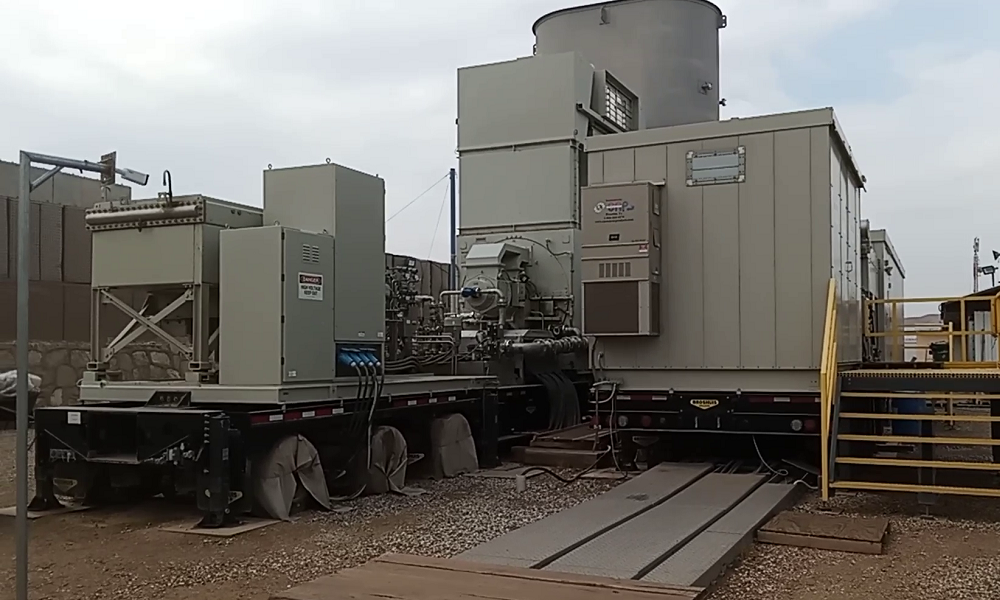
Bayat Power’s Siemens SGT-A45 ‘Fast Power’ turbine is the world’s most advanced mobile gas to energy power solution
Powered by a Siemens SGT-A45 ‘Fast Power’ turbine, the world’s most advanced mobile gas to energy power solution, phase one of Bayat Power-1’s operations generates up to 44 megawatts of power for Afghan homes and businesses.
To date, Bayat Power has delivered well over one billion kilowatts of domestic power to the Afghan grid.
However, Bayat Power hopes to eventually roll out three phases in total that will generate more than 200 megawatts of electricity – enough to serve millions of Afghan residential and commercial clients.
Since its launch five years ago, the power plan has generated significant tax revenues for the government, created thousands of direct and indirect job opportunities for Afghans, contributed to the nation’s economic condition and fostered new technical skill sets amongst talented citizens.
In recognition of Bayat Power’s commitment to the country and its people, the company was awarded the prestigious Asian Gas Power Award 2023 last year.
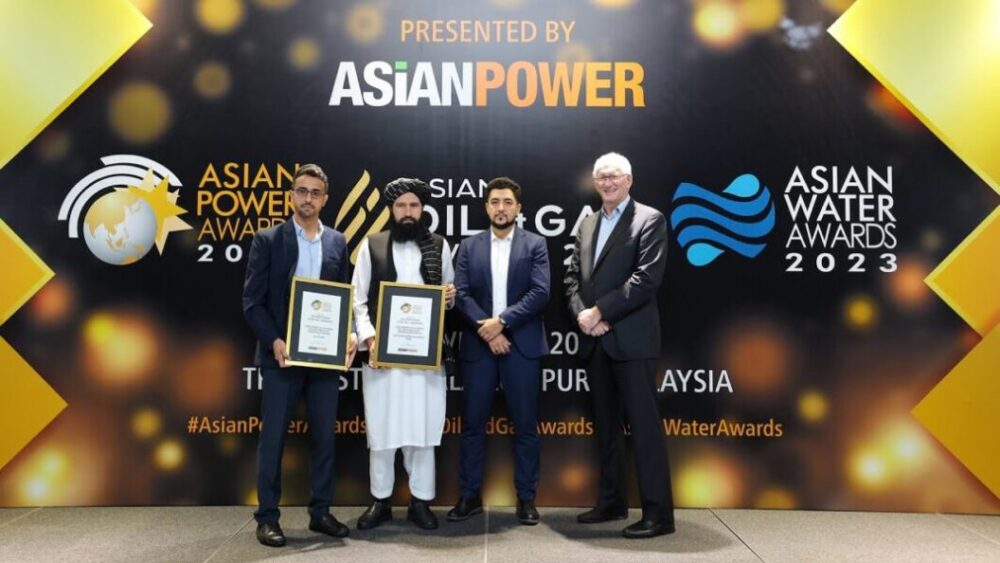
Bayat Power awarded the prestigious Asian Gas Power Award 2023
At the time, Bayat Power’s CEO Ali Kasemi said it was an honor and a privilege for the company to receive the accolade. He also said the award was an acknowledgement of the hard work and tenacity of Afghans in their quest for energy security and self-sufficiency in the power sector.
“Bayat Power is extremely proud that the Asian Power Awards have recognized our project as the Gas Power Project of the Year in Afghanistan. But we are even prouder of our continued efforts to improve the lives of Afghans across the country, enabling students to study at night, allowing health workers to provide critical services 24/7, supporting factory production, and lighting up cities, streets, mosques, schools and homes nationwide,” said Kasemi.
RELATED STORIES:
Bayat Power set to launch phase two of its gas to electricity power generating project
Turkmenistan pledges to increase power, gas exports to Afghanistan: Muttaqi

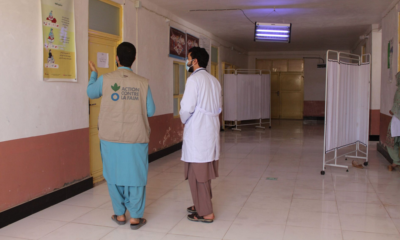




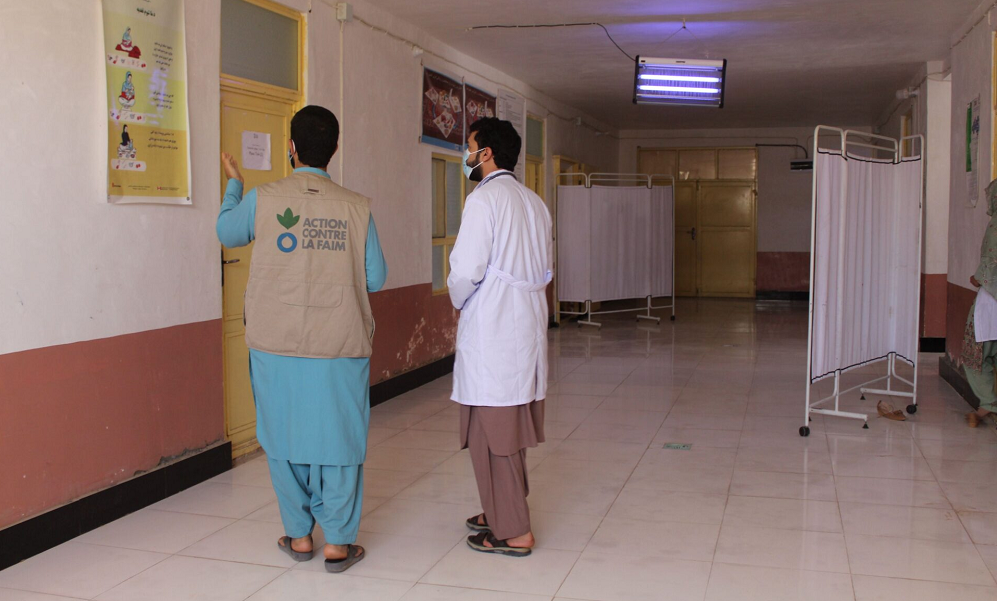
Children recovering from malnutrition in Afghanistan often return to households that lack the resources to provide the nutritious food they need to fully recover and grow, Action Against Hunger has warned.
The organization said recurrent drought, poverty, food insecurity and limited household incomes are making it difficult for families to prevent children from falling back into malnutrition after completing treatment.
However, repeated drought and other climate-related shocks have reduced harvests and household income, leaving families struggling to provide adequate nutrition for their children.
Action Against Hunger said the situation highlights the need to go beyond treating malnutrition and address the underlying causes of hunger and poverty.
The warning comes as malnutrition cases continue to rise across Afghanistan. In June 2026, the Therapeutic Feeding Unit in Kabul recorded 142 new admissions, a 149 percent increase compared with the same period in 2025.
Similar increases have been reported in other provinces where Action Against Hunger operates. In Lashkar Gah, Helmand province, the organization expanded the capacity of its therapeutic feeding unit from 45 beds to 72 and then to 118 within a matter of weeks due to the sharp rise in cases.
Action Against Hunger said climate-related shocks, including severe winter conditions, drought and water shortages, have further weakened food security across the country. Water shortages have damaged agricultural production in rural areas, forcing some families to leave their homes in search of livelihoods and basic necessities.
The organization stressed that sustained investment in both emergency nutrition services and longer-term livelihood programmes is needed to help families break the cycle of poverty and recurrent malnutrition.
Cobi Rietveld, Afghanistan Country Director at Action Against Hunger, said addressing the root causes of hunger is essential for achieving lasting progress against malnutrition.
“When families have the means to earn a living and provide for their children, the benefits extend far beyond nutrition,” Rietveld said, adding that livelihood support can help families meet their needs with dignity, protect children’s futures and build resilience against future crises.
Latest News
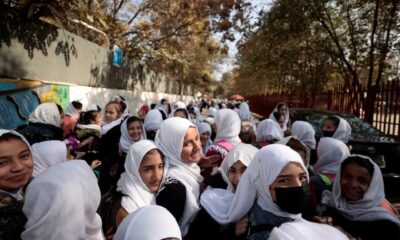
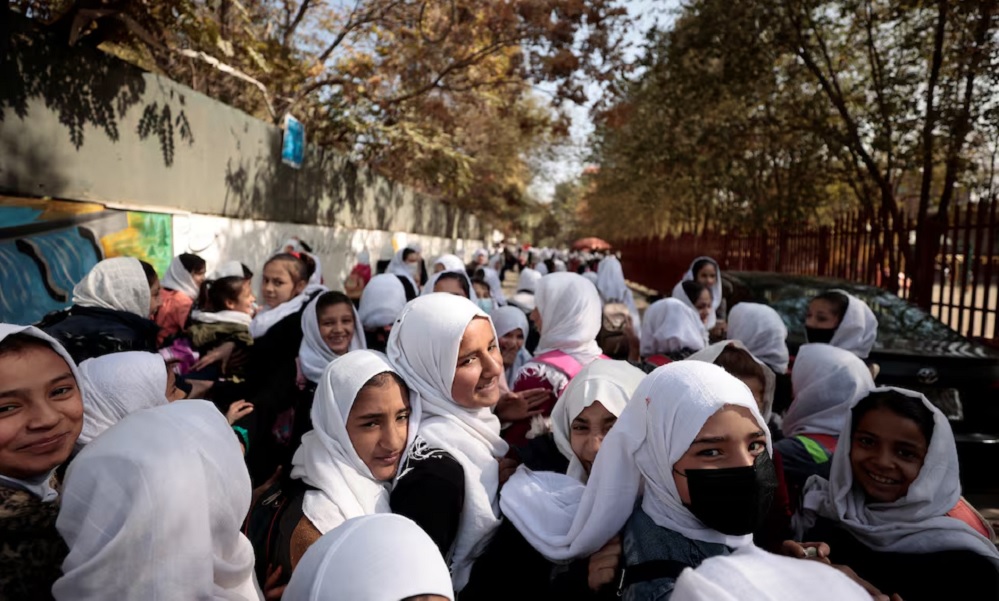
UNESCO: 2.4 million Afghan girls denied education since 2021
UNESCO estimates that the ban could force around 600,000 Afghan women out of the workforce by 2066 and cause $9.6 billion in lost income. It could also increase the risk of early marriage.
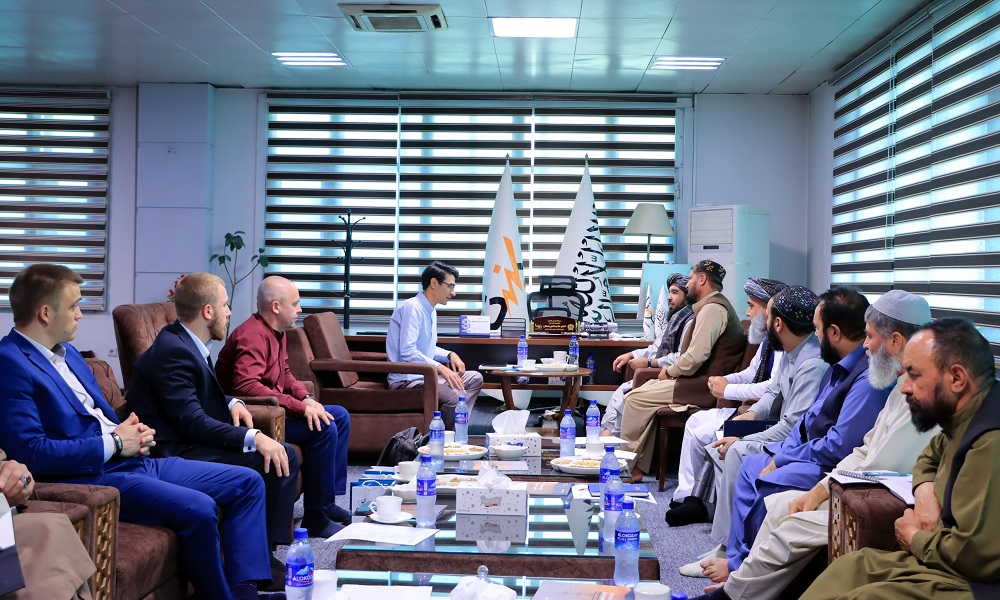
Russia’s Power Machines Company is interested in investing in the rehabilitation and modernization of Afghanistan’s power plants, Da Afghanistan Breshna Sherkat (DABS) said on Tuesday.
DABS Chief Executive Officer Abdul Haq Hamkar discussed the potential investment with technical officials from Power Machines, with talks focusing on rehabilitating existing power plants, modernizing equipment and expanding power-generation capacity.
According to DABS, Hamkar said the company would cooperate in facilitating preliminary technical assessments of Afghanistan’s power plants and in exploring investment opportunities in the sector.
Denis Rudakov, head of Power Machines’ commercial department, said the Russian company plans to conduct preliminary technical assessments of existing power plants in Afghanistan.
Based on the findings, Power Machines will prepare proposals for rehabilitating facilities, modernizing equipment and increasing electricity-generation capacity, DABS said.
Afghanistan currently has several operational power plants, while efforts are underway to increase their generation capacity and upgrade their equipment, according to DABS.


Afghan children return from malnutrition treatment to food-insecure families

UNESCO: 2.4 million Afghan girls denied education since 2021

New attacks on shipping as Iran war talks hit fresh impasse

Tahawol: Hamid Karzai’s call for Afghan reconciliation discussed

Saar: Preparations for IEA’s fifth anniversary discussed

Pakistan’s governance system has ‘collapsed’: Mohsin Naqvi

Spain sweep FIFA World Cup player awards after historic triumph

Mango growers suffer heavy losses as exports fall and climate takes its toll

Iran, Afghanistan and Tajikistan discuss expanding regional transit cooperation

Afghan health minister, Gavi discuss expanding routine immunization
Tahawol: Hamid Karzai’s call for Afghan reconciliation discussed
Saar: Preparations for IEA’s fifth anniversary discussed

Tahawol: Iran’s acknowledgment of Afghanistan’s cooperation discussed

Saar: Five years of Islamic Emirate rule in Afghanistan reviewed

Tahawol: Afghanistan: An Alternative to the Strait of Hormuz?
-

 Sport3 days ago
Afghanistan secure direct qualification for 2027 Men’s ODI World Cup
-
 Regional4 days ago
Goods transporters to go on strike from Saturday after talks with Pakistan govt fail
-
 Latest News3 days ago
Pakistan-backed armed groups in Balochistan using former Afghan government forces: report
-

 Sport4 days ago
Rashid Khan takes six as Afghanistan thrash Ireland by 92 runs
-
 World4 days ago
US Senate passes Russia sanctions championed by Graham; US House next
-

 Business5 days ago
Uzbekistan, Kazakhstan target Afghanistan in push to expand regional trade
-

 Regional5 days ago
Trump says he thinks war with Iran will end ‘pretty soon’
-
 Sport2 days ago
Abasin Defenders stun Kabul Zalmi in Kabul Premier League