
Latest News
Coronavirus: UNHCR warns against neglecting Afghan refugees

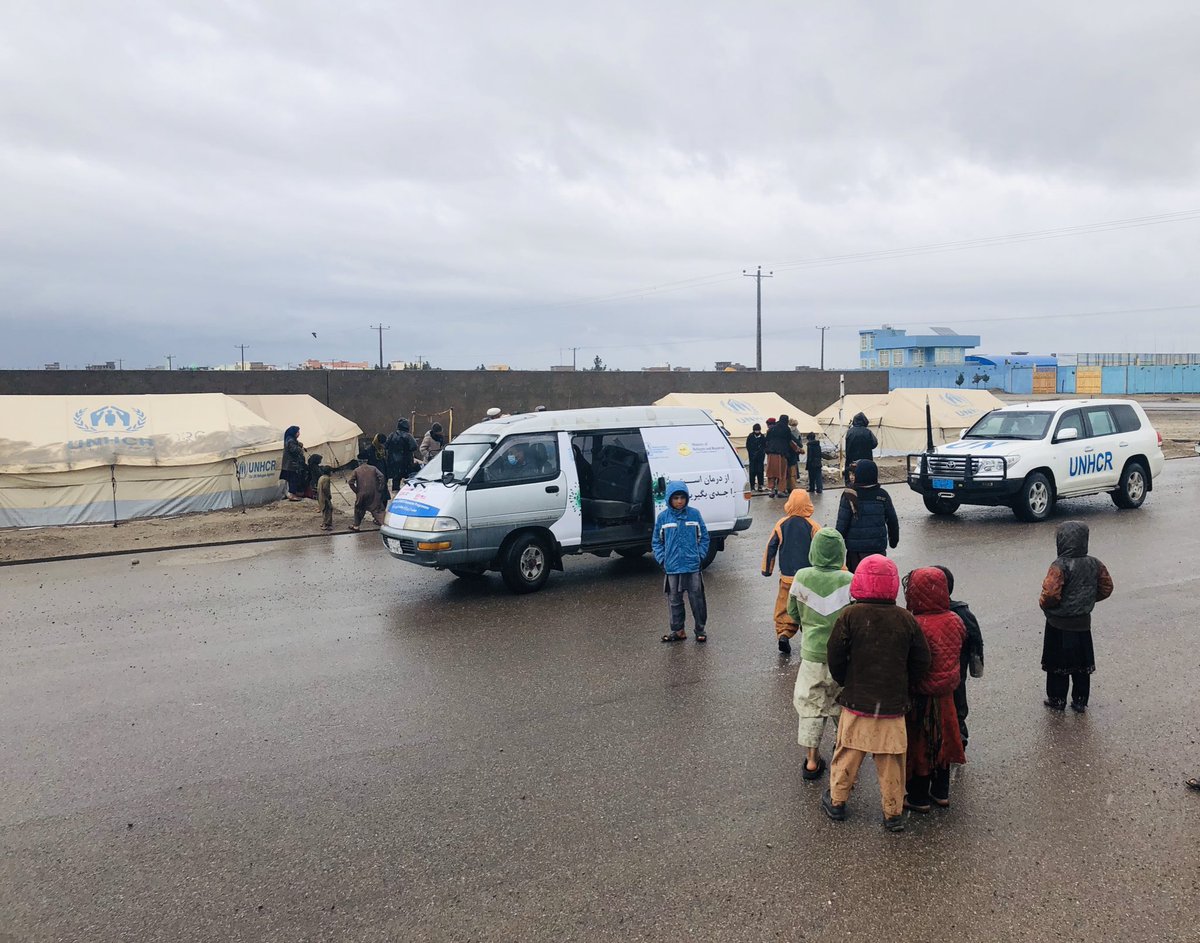
 The United Nations High Commissioner for Refugees (UNHCR) urges greater support to Afghanistan, Pakistan, and Iran in the context of the COVID-19 pandemic.
The UN refugee agency has warned that leaving Afghan refugees and their host communities behind would have a far-reaching and negative impact on global efforts to fight the Coronavirus.
The COVID-19 poses a very great threat to developing countries, the UNHCR said, adding that an outbreak would put extraordinary strain on already fragile local health-care services and likely result in avoidable suffering and death.
As the race against time continues globally, UNHCR appeals to the international community to boost solidarity with all three countries, and have at this critical time to prevent a larger-scale outbreak of the coronavirus among the most vulnerable communities.
“Despite persistent risks and insecurity, Afghans continue to return from both Iran and Pakistan. Tens of thousands of Afghan citizens have crossed over from Pakistan to Afghanistan since the temporary re-opening of the border last week. From Iran, while the number of Afghans nationals returning peaked at some 60,000 in March, around 1,500 individuals are currently returning every day,” the UNHCR said in a statement.
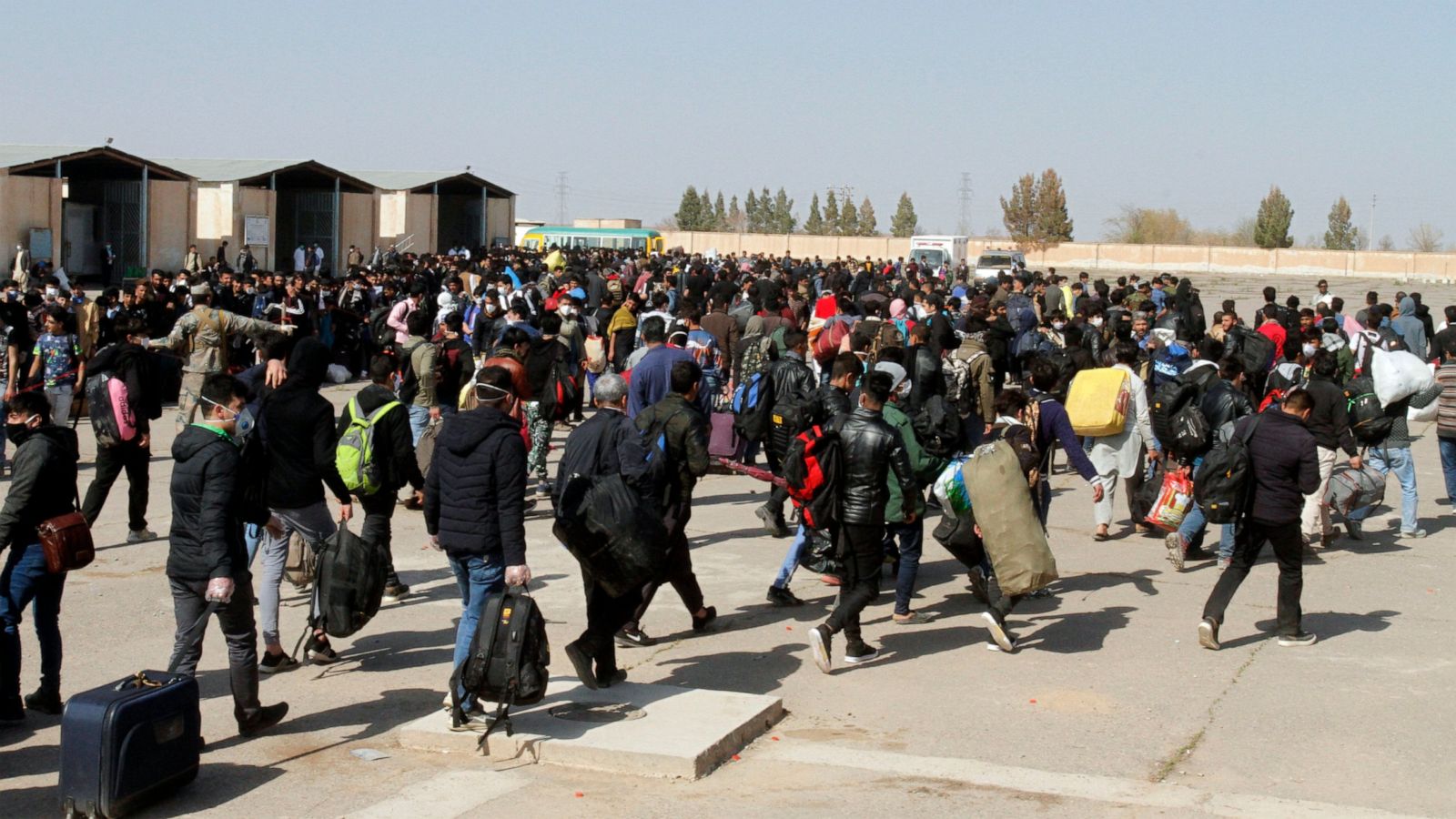 According to the statement, Afghanistan faces the prospect of overwhelmed medical and social services, with a dramatic increase in Afghans returning home, hundreds of thousands of people living in displacement sites and rising poverty levels.
Pakistan and Iran, which host some 90 percent of the world’s 2.7 million Afghan refugees are experiencing immense strain on their health systems and economies. Lockdown measures and a sharp downturn in economic activity have left many Afghan refugees confronted with an inability to meet even their most basic needs.
“For Afghan refugees in Iran and Pakistan, the impacts of COVID-19 go far beyond health. In both countries, those who are employed are commonly hired as daily laborers,” the statement said.
The refugee agency added that Amidst various levels of lockdown across the region, such work has abruptly ceased and refugees with no income and their hosts are now faced with economic threats to their survival.
Afghans in Iran and Pakistan widely report serious difficulties in paying medical expenses and meeting the most basic living costs of food and accommodation, leading to many being forced to borrow money, the agency noted.
Iran – facing the epicenter of the outbreak in South-West Asia – as facilitated exemplary inclusion of Afghans on its territory.
“UNHCR welcomes Iran’s recent confirmation that COVID-19 related tests and treatment are free of charge for all individuals, including for refugees. Additionally, the country’s Universal Public Health Insurance has been automatically extended for refugees as well as Iranian nationals – ensuring uninterrupted access to healthcare for all refugees,” read the statement.
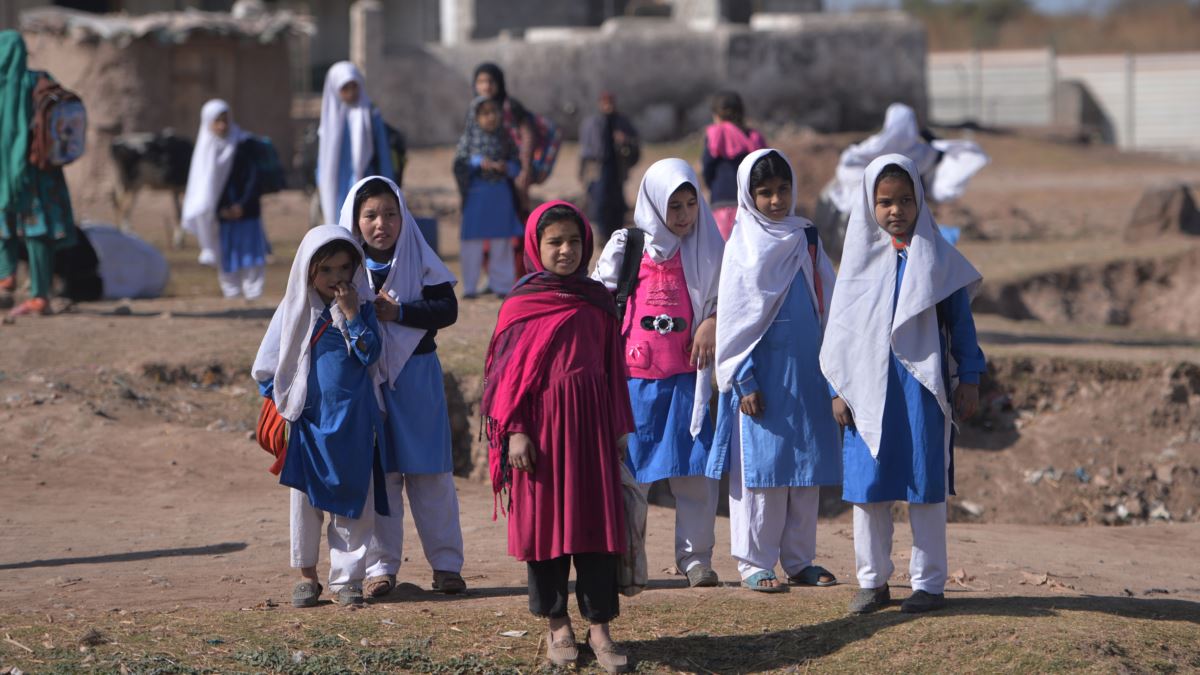 In Pakistan, relevant departments have also been directed to include both refugees and internally displaced people in relief and response measures.
In all three countries, UNHCR is adapting our operations constantly to these unique circumstances.
UNHCR has temporarily suspended supporting voluntary returns of refugees from Iran and Pakistan in an attempt to limit the risk of refugees and staff contracting the virus, the statement underlined.
In Afghanistan, UNHCR is supporting the Government’s prevention efforts through awareness-raising in the most vulnerable communities and priority areas of return. Speakers mounted atop cars and trucks drive through towns and villages to spread accurate and reliable information that will save lives.
UNHCR is also helping the government better manage the flow of people into Afghanistan through hiring additional staff to boost the teams at the border and improving reception facilities allowing for more space. UNHCR has provided masks, disinfectants and other protective gear to government officials working at the border and in the communities so that they can protect themselves against the spread of COVID-19.
“We are in the process of procuring more hygiene kits to be distributed among returnees and displaced communities as well as for the frontline staff of government institutions and our partners; scaling up the construction of water and sanitation facilities and further enhancing support for border surveillance and returnee monitoring in Afghanistan,” UNHCR highlighted.
In Iran, UNHCR has airlifted essential medicines, medical equipment, and personal protective equipment to support and strengthen national health services. To address the critical and urgent lack of hygiene materials in Iran, UNHCR has also distributed soap and disposable paper towels to some 7,500 refugee households living in refugee settlements across the country, whose living situations in close-quarters make then more vulnerable to COVID-19. More airlifts are expected in the coming weeks.
UNHCR has increased its capacity at Afghanistan’s borders to Iran to better be able to support the tracking and contact tracing of individuals. Psychosocial support services continue to operate via phone.
In Pakistan, renewed emphasis has been placed on water and sanitation projects. UNHCR has provided 10 fully equipped ambulances and 28 large housing unit facilities to the provincial health departments and disaster management authorities in Balochistan, Khyber Pakhtunkhwa, and Punjab. Medical equipment and sanitation products are also being distributed to rural health facilities in support of refugees and their host communities.
More support is desperately needed for Afghanistan, Iran, and Pakistan as part of collective efforts to combat COVID-19 worldwide. Despite the work being done across the subregion, the risk of the pandemic become unmanageable is now acute.
UNHCR’s funding appeal of some US$315 million required for the Afghan situation is merely 17 percent funded.











Kazakhstan’s Foreign Minister Mukhtar Tileuberdi has called for pragmatic and coordinated international engagement with Afghanistan, saying the country’s long-term stability is closely linked to the security and sustainable development of Central Asia.
Speaking during the general debate of the 81st session of the United Nations General Assembly in New York on Friday, Tileuberdi said humanitarian assistance to Afghanistan remains essential but alone cannot break the cycle of poverty, displacement and dependency.
He said Kazakhstan supports a “pragmatic, coordinated and step-by-step” approach to international engagement with Afghanistan, with the United Nations playing a central role.
Tileuberdi also said Kazakhstan is working with the UN to operationalize the United Nations Regional Centre for the Sustainable Development Goals for Central Asia and Afghanistan in Almaty.
He said the success of the centre should be measured by the results and assistance it delivers to the region.


Trump rejects Iranian proposal to open Hormuz and end fighting

Abu Muslim Farah defeat Khurasan Faryab 2-0 in ACL season six

Saar: Concerns over Pakistan’s political crisis discussed

Afghanistan Champions League: Omar Zawak Herat beat Toofan Herat 1-0

Blast in Pakistan’s Dera Ismail Khan kills 11, injures 30

Saudi energy group signs major Afghanistan deals covering gas exploration and pipeline plans

Trump floats idea of renaming Atlantic or Pacific Ocean

US hits Egyptian bank branches with Iran sanctions as war marks six months

Nepal flood rescue mission enters critical phase as thousands remain missing

Iranian clubs to face Gulf opponents at neutral venues in Asian Champions League Elite
Saar: Concerns over Pakistan’s political crisis discussed

Exclusive interview with Abdul Latif Mansoor, Minister of MRRD

Tawsia: Overview of Afghanistan’s iron mines

Tahawol: Discussion on fresh Pakistani airstrikes on Afghanistan

Saar: Calls for international support for Afghanistan discussed
-

 Latest News4 days ago
Ariana Afghan Airlines ranks seventh among 45 Central Asian airlines
-

 Latest News5 days ago
UN reiterates call for respect for international law after Kunar airstrikes
-

 Regional4 days ago
US and Iran hold first talks since June after Trump’s ‘annihilation’ threat
-

 Latest News4 days ago
Silk Road highway in Wakhan corridor now reaches the China border
-

 Regional3 days ago
Iran airlines cancel flights as US sanctions hit
-

 Latest News5 days ago
Afghan Official: Pakistan’s airstrikes will not go unanswered
-

 Regional5 days ago
G7 foreign ministers call on Iran to stop arming Houthis
-

 Sport5 days ago
Afghan boxing referee heads to China for international festival