
Business
Donors back $280 million transfer for Afghan food, health


Donors agreed on Friday to transfer $280 million from a frozen, trust fund to the World Food Program (WFP) and UNICEF to support nutrition and health in Afghanistan, the World Bank said as it seeks to help a country facing famine and economic collapse.
The World Bank-administered Afghan Reconstruction Trust Fund will this year give $180 million to WFP to scale up food security and nutrition operations and $100 million to UNICEF to provide essential health services, the bank said in a statement, Reuters reported.
The money would aim to support food security and health programs in Afghanistan.
The United States and other donors cut off financial aid on which Afghanistan became dependent during 20 years of war and more than $9 billion of the country’s hard currency assets were frozen.
The United Nations is warning that nearly 23 million people – about 55% of the population – are facing extreme levels of hunger, with nearly 9 million at risk of famine as winter takes hold in the impoverished, landlocked country.
“This decision is the first step to repurpose funds in the ARTF portfolio to provide humanitarian assistance to the people of Afghanistan at this critical time,” the bank said, saying the agencies had presence on the ground to deliver services directly to Afghans in line “with their own policies and procedures.”
“These ARTF funds will enable UNICEF to provide 12.5 million people with basic and essential health services and vaccinate 1 million people, while WFP will be able to provide 2.7 million people with food assistance and nearly 840,000 mothers and children with nutrition assistance,” it added.

Business
Afghanistan and Iran discuss boosting trade and investment ties
Both sides agreed to follow up on the issues raised, improve coordination between relevant economic institutions and work towards removing barriers to trade.
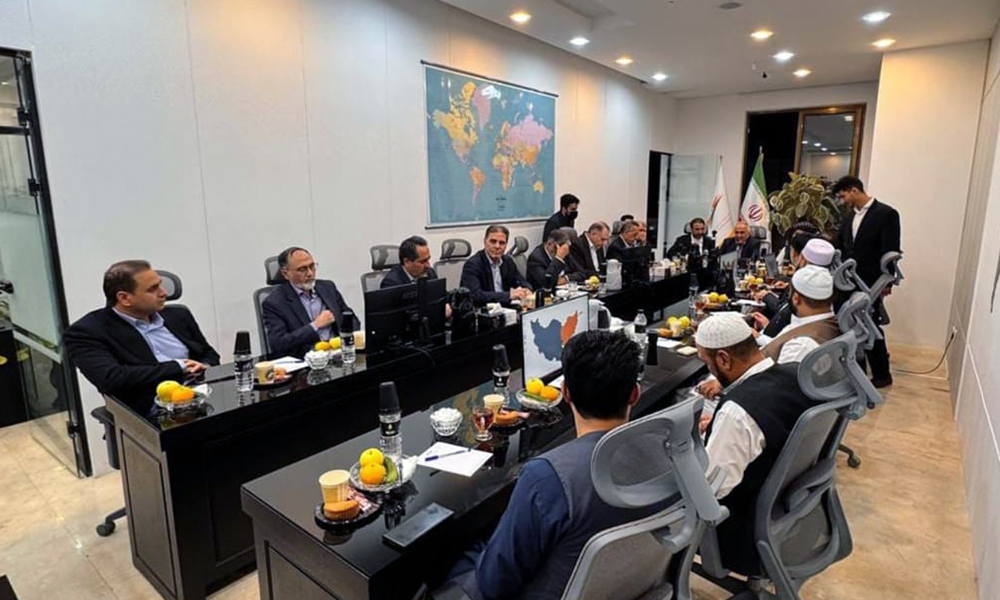
Afghanistan and Iran have held talks on expanding bilateral trade, improving cross-border commerce and creating new investment opportunities for businesses in both countries.
The discussions took place during a meeting between a trade delegation from Afghanistan’s Kandahar province and representatives of the Iran-Afghanistan Joint Chamber of Commerce.
The Afghan delegation was led by Kamaluddin Tawhid, Chairman of the Afghanistan-Iran Joint Chamber of Commerce, who met with his Iranian counterpart, Mahmoud Seyadat, along with members of the chamber’s board of directors. Afghanistan’s Consul General in Mashhad, Noor Mohammad Mutawakkil, also attended.
The talks focused on strengthening economic cooperation, streamlining trade procedures at ports and border crossings, and encouraging joint investment by Afghan and Iranian companies.
Participants also raised several practical obstacles affecting commercial activities, including foreign exchange obligations, visa arrangements for Afghan truck drivers and the movement of Afghan freight vehicles through Iranian territory.
Tawhid highlighted Kandahar’s economic potential and investment opportunities across Afghanistan, urging Iranian businesses to play a greater role in the country’s economy.
He also pointed to investment opportunities identified by Afghanistan’s Ministry of Industry and Commerce, stressing the need for improved facilities for private-sector businesses and closer cooperation between the two countries’ commercial communities.
Both sides agreed to follow up on the issues raised, improve coordination between relevant economic institutions and work towards removing barriers to trade.
The meeting concluded with a commitment to strengthen commercial exchanges and expand trade and investment relations between Afghanistan and Iran.
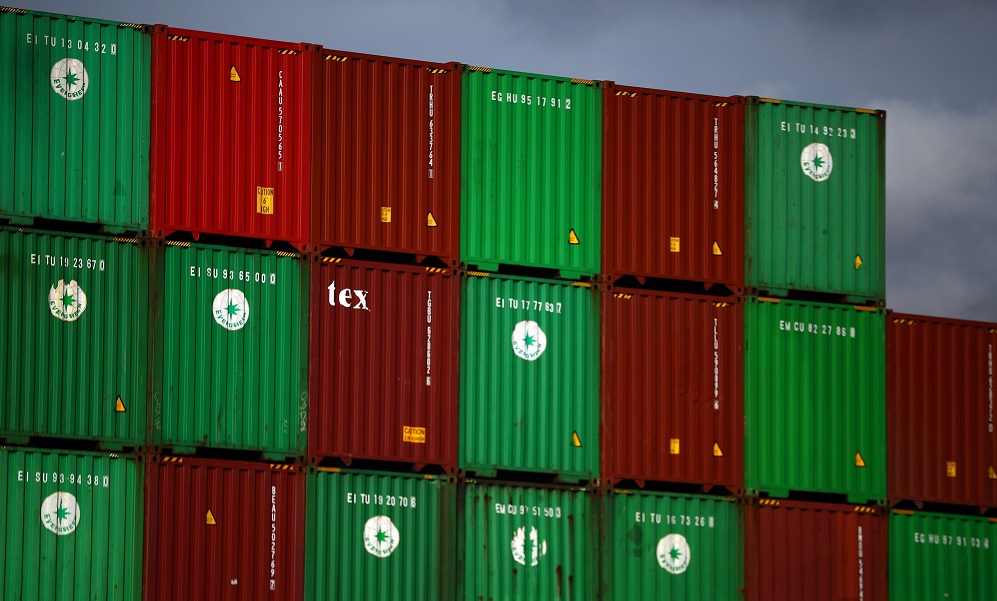
Trade in goods and services between the United Kingdom and Afghanistan declined by 16.7 percent to £70 million in the 12 months to the end of June 2026, according to the latest figures published by the UK Department for Business and Trade.
The department’s trade and investment factsheet, released on November 6, shows that bilateral trade fell by £14 million compared with the same period a year earlier.
UK exports to Afghanistan totalled £57 million, down 18.6 percent or £13 million, while imports from Afghanistan stood at £13 million, representing a 7.1 percent decline.
The figures show that goods accounted for £32 million, or 45.7 percent, of total trade, while services made up the remaining £38 million, or 54.3 percent.
UK exports to Afghanistan included beverages, pharmaceutical products, dairy products, road vehicles and industrial machinery.
Vegetables and fruit were the leading Afghan goods exports to the UK, worth £1.7 million. Clothing and textile fabrics were also among the main products exported.
The report ranks Afghanistan as the UK’s 166th-largest trading partner, accounting for less than 0.1 percent of the UK’s total trade during the period.
Business
Afghanistan and Russia discuss expanding trade and investment ties
Both sides highlighted the importance of closer cooperation between the Afghan and Russian private sectors.
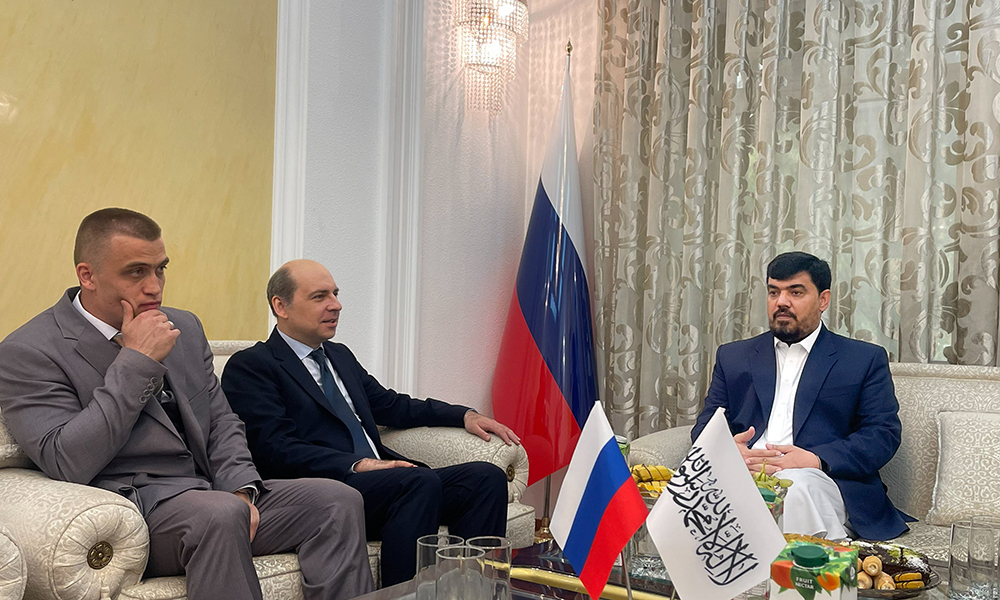
Afghanistan and Russia have discussed ways to strengthen bilateral trade, expand private-sector cooperation and attract new investment during a meeting in Kabul.
Inayatullah Sediqzi, Deputy Head of the Afghanistan Chamber of Commerce and Investment (ACCI) for Services, met with Russian Ambassador to Afghanistan Dmitry Zhirnov on the sidelines of an event marking Russia’s National Unity Day on Wednesday, November 4.
The event was hosted by the Russian Embassy in Kabul.
According to a statement from the ACCI, discussions focused on boosting economic relations, increasing bilateral trade and creating greater opportunities for businesspeople and investors from both countries.
Both sides highlighted the importance of closer cooperation between the Afghan and Russian private sectors, exploring new areas of economic partnership and establishing stronger direct links between their respective business communities.
The discussions reflect Afghanistan’s continued efforts to expand economic engagement with regional and international partners, with increased trade, private-sector development and foreign investment remaining key priorities.


Afghanistan thrash Senegal 6-0 to reach Dakar Youth Olympics futsal semi-finals
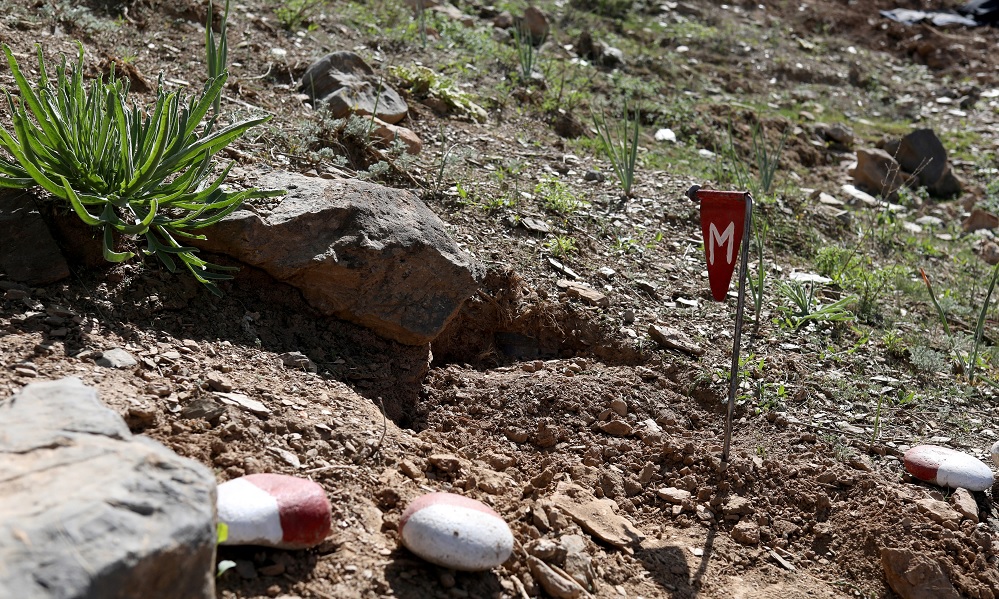
Unexploded ordnance contaminates 901 square kms of land in Afghanistan
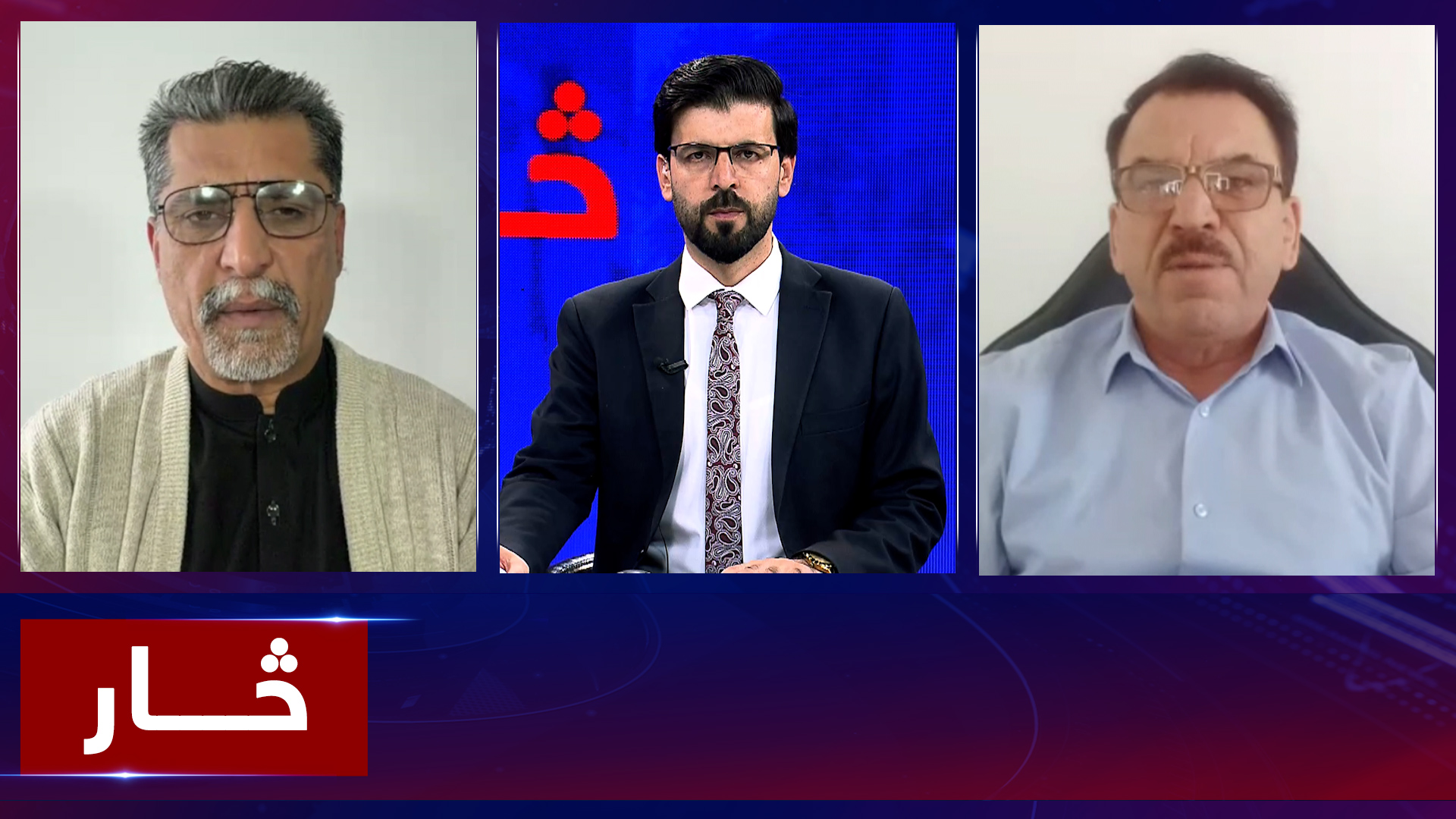
Saar: EU’s engagement with Afghanistan

Afghanistan’s record partnership highlights fourth day of Test against Zimbabwe
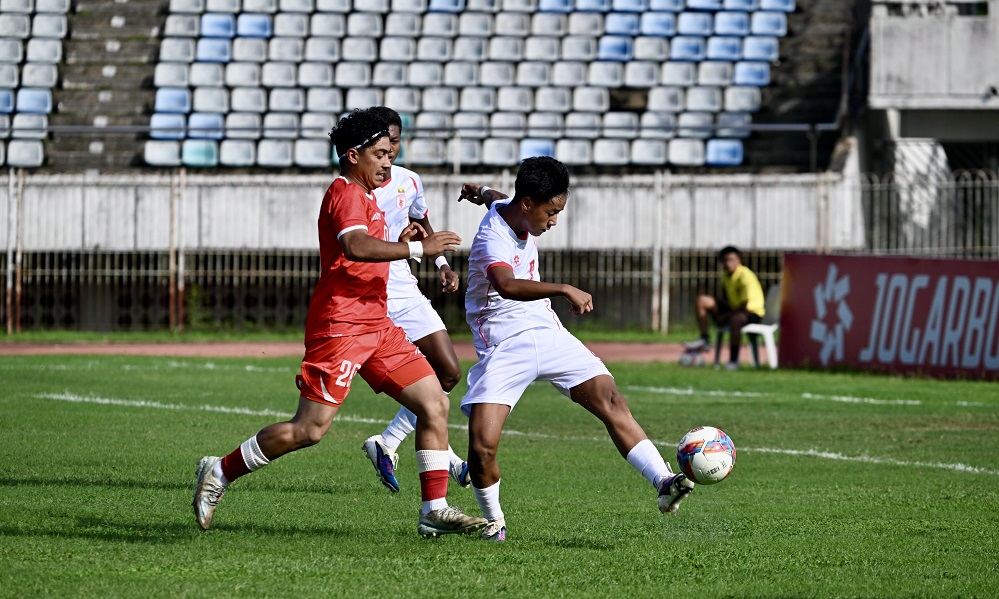
Afghanistan begin AFC U17 Asian Cup qualifying campaign with 4-1 win over Myanmar

Afghanistan finish runners-up after 6-0 defeat to Brazil in futsal final

Trump says US may strike Iran’s ‘Pickaxe Mountain’ nuclear facility

Afghan futsal coach: Brazil tournament is first step towards new goals and World Cup

WHO calls for greater mental health support in Afghanistan

Houthis warn airlines to avoid Saudi airports after deadly Riyadh attack
Saar: EU’s engagement with Afghanistan
Tahawol: Afghanistan’s participation in Shanghai Plus security meeting discussed
Saar: Afghanistan’s declining humanitarian aid funding discussed
Tahawol: Calls for stronger joint action against terrorism discussed
Saar: Impact of closing trade routes between Kabul-Pakistan discussed
-
 Sport3 days ago
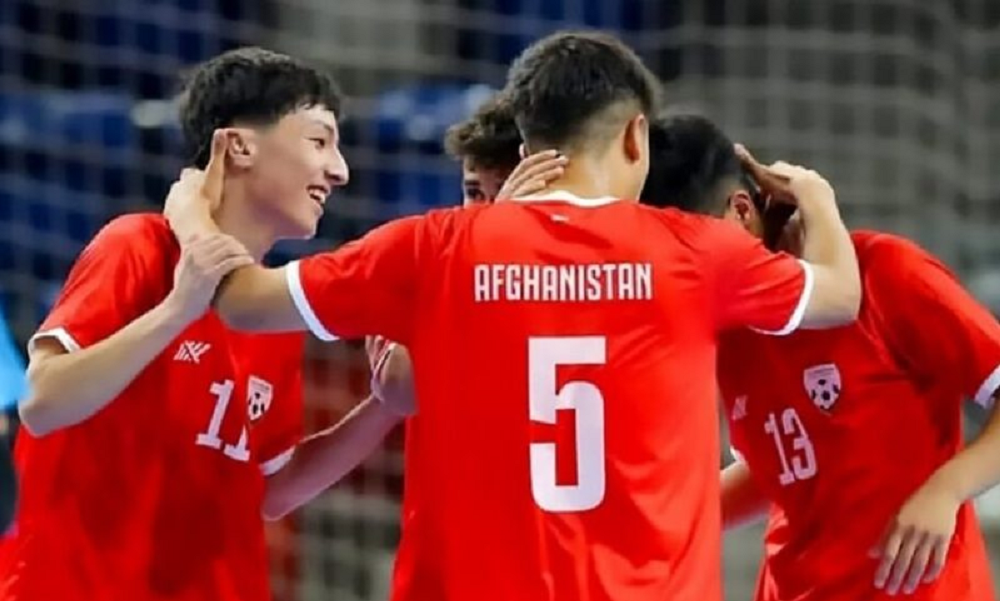
Afghanistan suffer narrow defeat against Argentina at Dakar Youth Olympics
-
 Latest News4 days ago
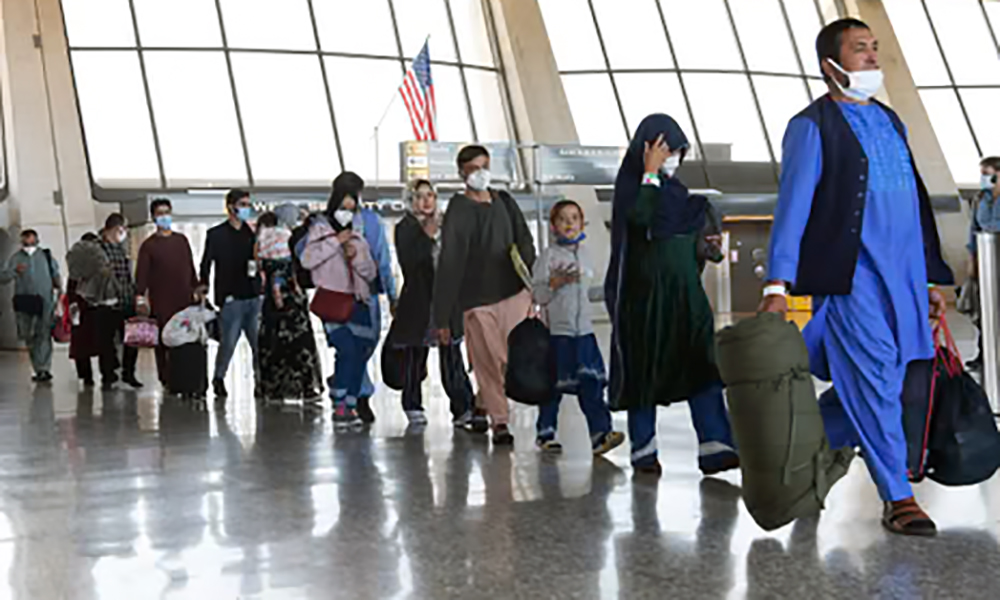
US judge temporarily blocks deportation of detained Afghans
-
 Climate Change4 days ago
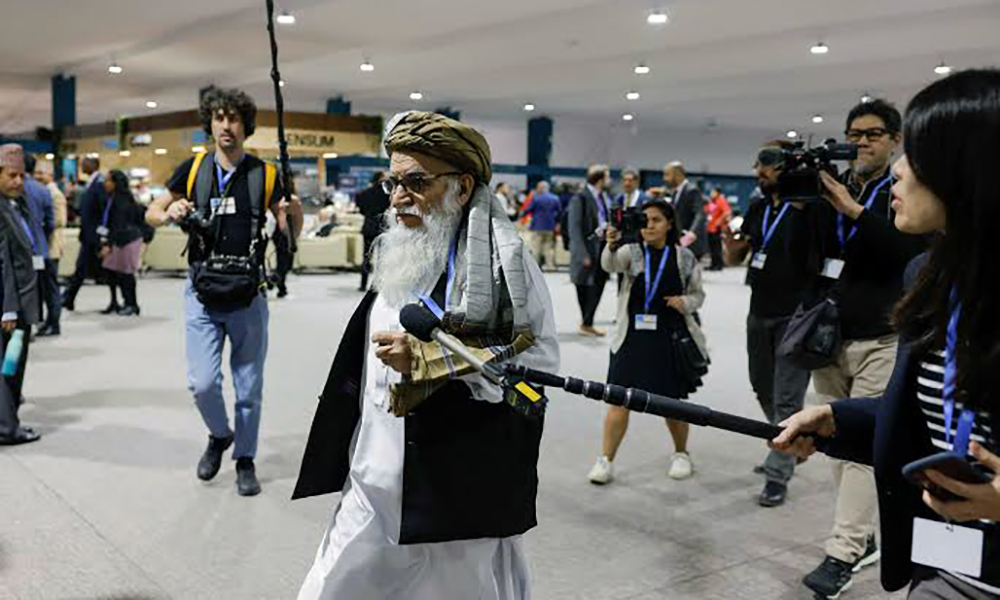
IEA to attend UN climate summit for second time since returning to power
-
 World4 days ago
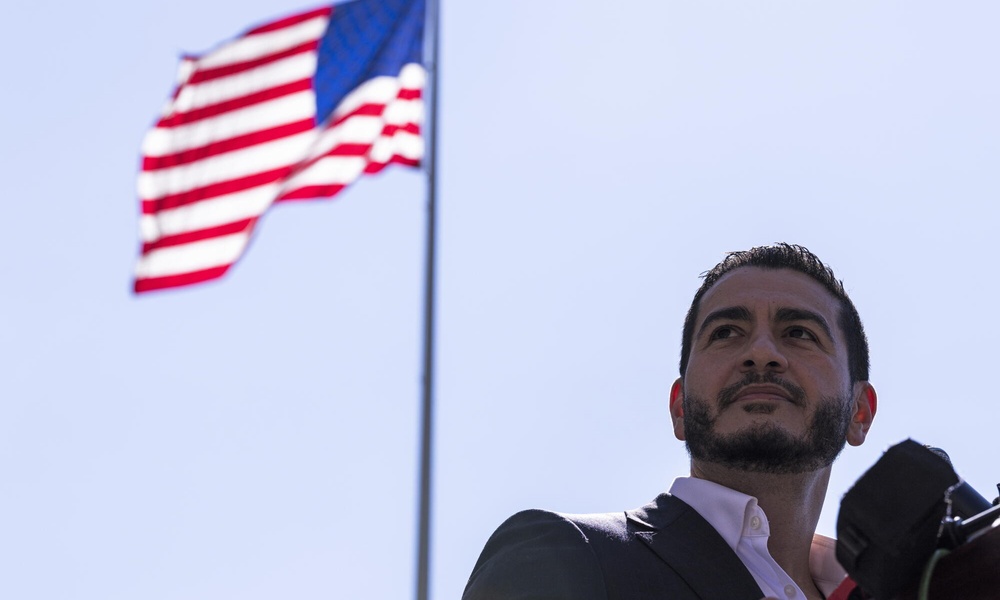
Democrat Abdul El-Sayed becomes first Muslim elected to US Senate
-
Business4 days ago
Afghanistan and Russia discuss expanding trade and investment ties
-
 Latest News5 days ago
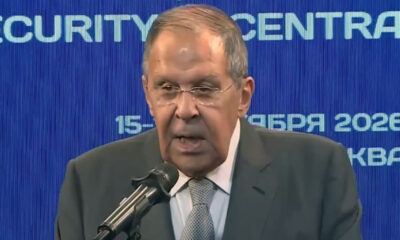
Lavrov says Moscow Format remains key platform for Afghanistan talks
-
 Latest News4 days ago
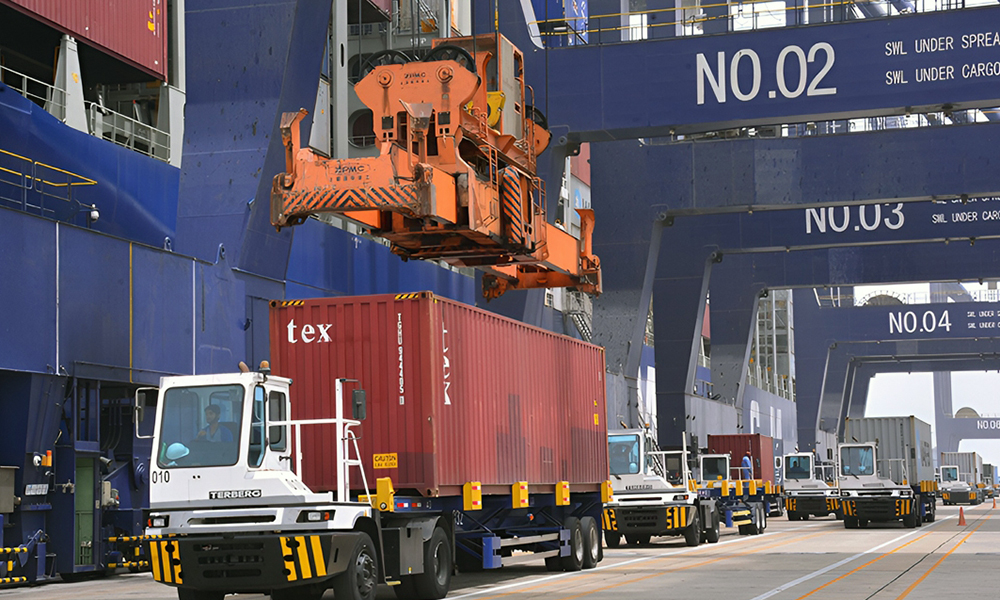
Afghanistan-Pakistan tensions threaten Central and South Asian trade ambitions
-
 World4 days ago
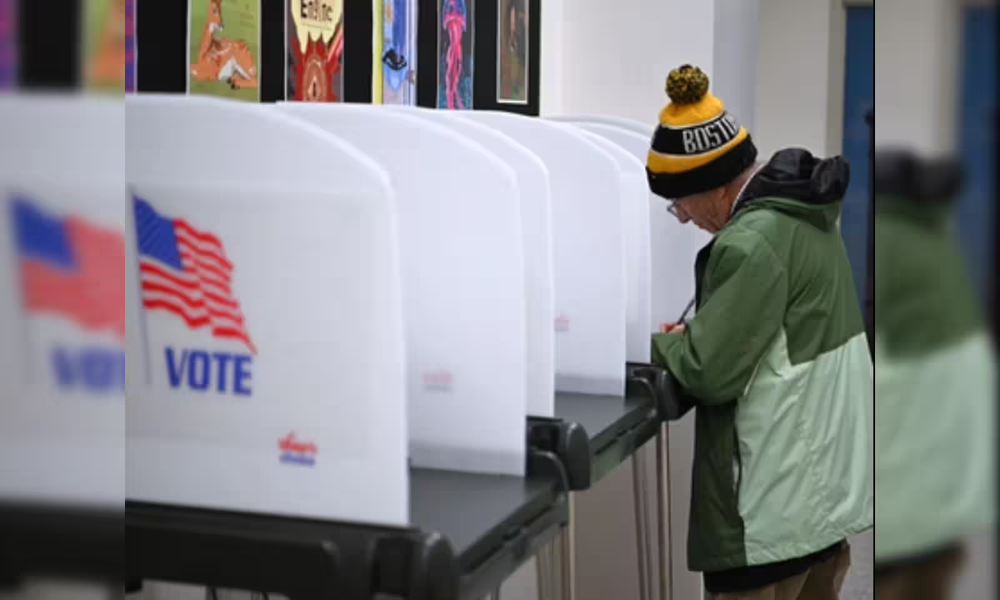
Democrats seize control of Congress in major setback for Trump