
Latest News
Ghani meets with key Afghans to discuss Ankara summit


President Ashraf Ghani hosted a meeting Thursday of high-ranking Afghan officials and other influential individuals in order to formulate a comprehensive plan for the upcoming peace summit in Ankara, Turkey.
According to the Presidential Palace (ARG), Ghani hopes to secure national consensus to strengthen government’s position in the talks.
ARG said that the meeting was attended by Abdullah Abdullah, chairman of the High Council for National Reconciliation; former Mujahideen leader Abdul Rab Rasul Sayyaf; former vice president Marshal Abdul Rashid Dostum; Sayed Mansur Naderi, head of the National Solidarity Party of Afghanistan and leader of Ismailis in the country; Mohammad Mohaqiq, the president’s senior adviser; former Balkh governor Atta Mohammad Noor; former vice president Mohammad Younus Qanooni former governor Juma Khan Hamdard; Zabiullah Mujadadi, a jihadist; some members of parliament; the Supreme Court chief justice, and the president’s two deputies.
“The meeting focused on the general security situation, strengthening the national consensus, and the continuation of consultative meetings,” said Dawa Khan Menapal, the deputy presidential spokesman.
However a number of political figures who attended the meeting said it was more focused on creating a single plan for the Ankara summit which is expected to be held on March 27.
“The atmosphere at the meeting was such that all political leaders and even government leaders called for peace, called for an immediate end to the war, and decided to work on a peace plan to reach a conclusion at the Ankara summit soon,” said Satar Murad, a close ally of Atta Noor.
Following US Secretary of State Antony Blinken’s letter to Ghani and other key roleplayers along with the plan to establish a transitional government, Ghani appears to be working to bring together political figures in order to establish a unified plan for peace talks.
“In general the meeting was a consultative meeting as a whole, all important Afghan political issues were included; this was not a specific decision-making meeting; and it was just a consultation to build national consensus,” said Faizullah Safi, a close ally of Juma Khan Hamdard.
ARG meanwhile said consultative meetings on peace in Afghanistan will continue. However there were some notable individuals not present at Thursday’s meeting, including former president Hamid Karzai.

Latest News
UN official warns Afghanistan’s humanitarian crisis could threaten regional stability and security
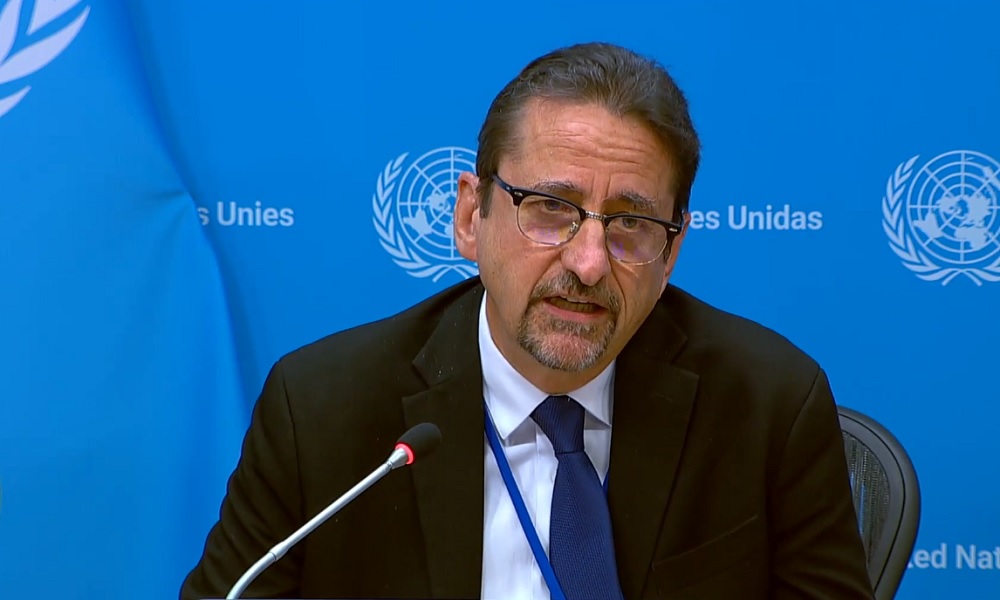
A senior United Nations official has warned that Afghanistan’s deepening humanitarian crisis could have consequences beyond the country’s borders, potentially affecting regional security, stability and migration routes.
Bruno Lemarquis, the UN Deputy Special Representative of the Secretary-General for Afghanistan and Resident and Humanitarian Coordinator, said on Friday that the country was at a “difficult crossroad” more than five years after the Islamic Emirate returned to power.
He said relative stability and security were being undermined by a fragile economy, restrictions on fundamental rights and growing humanitarian needs.
Lemarquis described restrictions on women and girls as “severe and sweeping,” saying they continue to face barriers to education, employment and participation in public life.
He noted that more than 2.6 million girls have been deprived of secondary education since 2021, while female university enrollment currently stands at zero.
The UN official also highlighted the impact of the mass return of Afghan migrants, saying approximately 6.7 million Afghans have returned to the country since 2020, many of them forcibly expelled from neighbouring countries, particularly Pakistan and Iran.
He said the large-scale returns were placing additional pressure on Afghanistan’s already overstretched public services, stressing that returnees urgently need legal documentation, protection and employment opportunities.
Lemarquis also raised concerns over a reported increase in opium poppy cultivation, citing a UN report that found production had risen by 330 percent in 2025 following a sharp decline after the 2022 ban imposed by the Islamic Emirate.
He said efforts to prevent poppy cultivation must be accompanied by viable alternative livelihoods for farmers.
Meanwhile, humanitarian needs in Afghanistan are expected to rise further in 2027 amid mass returns, regional instability and extreme weather risks associated with El Niño.
However, international humanitarian funding has continued to decline. According to Lemarquis, assistance reached $2 billion in 2023, fell to $1 billion in 2025 and has amounted to only $570 million so far in 2026.
He warned that funding shortages were threatening essential services, with around 40 percent of primary healthcare facilities expected to close between 2025 and 2026, potentially affecting 700 of the country’s 1,900 health posts.
Describing the consequences as “very, very, very significant,” Lemarquis urged the international community not to turn its back on Afghanistan.
“And there is a saying in Afghanistan that is ‘What is happening in Afghanistan is not staying in Afghanistan,’” he said.
“The consequences could go beyond the Afghanistan border, potentially affecting regional security, regional stability and migration pathways.”
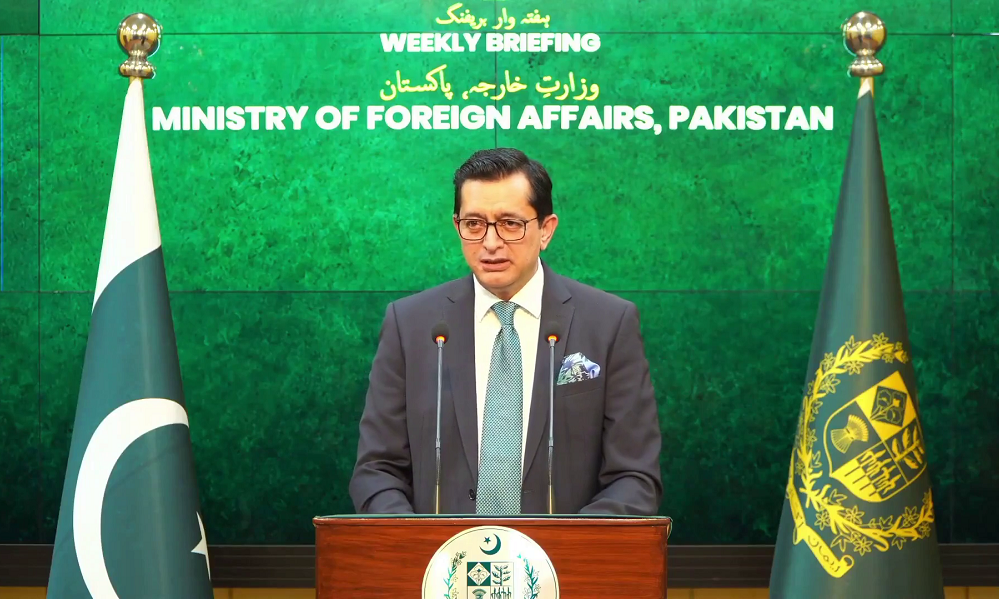
Pakistan’s Foreign Ministry says it is reviewing reports that the Trump administration plans to deport Afghans through Pakistan, adding that it is consulting relevant stakeholders to find a mutually acceptable way forward.
Foreign Ministry spokesperson Sajjad Haider Khan made the remarks at a press conference on Friday, saying Islamabad remained committed to close coordination with its allies and partners.
“We will continue to act in accordance with our international obligations and established protocols,” Khan said.
He added that the matter was under consideration and that all relevant aspects were being carefully examined in consultation with concerned stakeholders.

Pakistan-based Bank Alfalah has completed its exit from Afghanistan after 20 years of operations, transferring its local banking business to Ghaznfar Bank, the lender said in a notice to shareholders on Friday.
The bank said the transaction was completed on November 5 after the signing of final agreements, approval from the State Bank of Pakistan and Da Afghanistan Bank, and fulfilment of other required conditions.
The deal allows Bank Alfalah to sell and transfer its operations in Afghanistan to Ghaznfar Bank, following approval from the regulatory authorities in both countries.
“Bank Alfalah has accordingly ceased its banking operations in Afghanistan and will complete the closure of its Afghanistan branches in accordance with applicable regulatory requirements,” the notice said.
Bank Alfalah began operating in Kabul in 2005, offering both conventional and Islamic banking services.

Tahawol: Afghanistan’s participation in Shanghai Plus security meeting discussed
Saar: Afghanistan’s declining humanitarian aid funding discussed

Toofan Herat defeat Arman FC 2–0 in Afghanistan Champions League
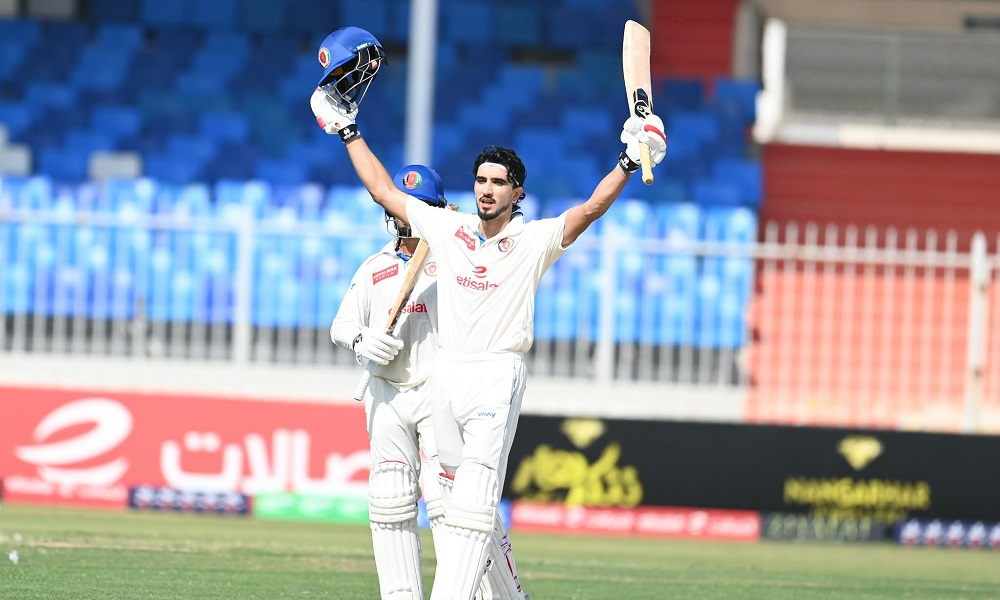
Afghanistan trail Zimbabwe by 102 runs at stumps on day three of first Test

Astronomers discover white dwarf surrounded by two rings of planetary debris

Afghanistan finish runners-up after 6-0 defeat to Brazil in futsal final

Trump says US will not attack Iran before midterm elections in November

Trump says US may strike Iran’s ‘Pickaxe Mountain’ nuclear facility

Afghan futsal coach: Brazil tournament is first step towards new goals and World Cup

WHO calls for greater mental health support in Afghanistan
Tahawol: Afghanistan’s participation in Shanghai Plus security meeting discussed
Saar: Afghanistan’s declining humanitarian aid funding discussed
Tahawol: Calls for stronger joint action against terrorism discussed
Saar: Impact of closing trade routes between Kabul-Pakistan discussed

El-Sayed’s historic victory opens a new chapter for Muslim Americans
-
 World5 days ago
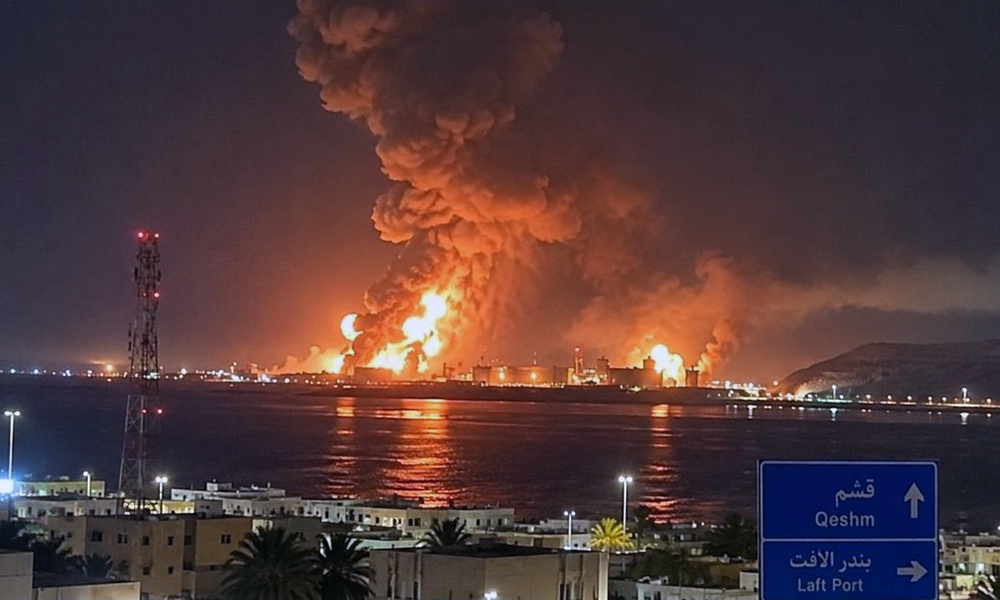
US carries out ‘defensive’ strikes on Iran’s Qeshm Island, officials say
-
 Sport2 days ago
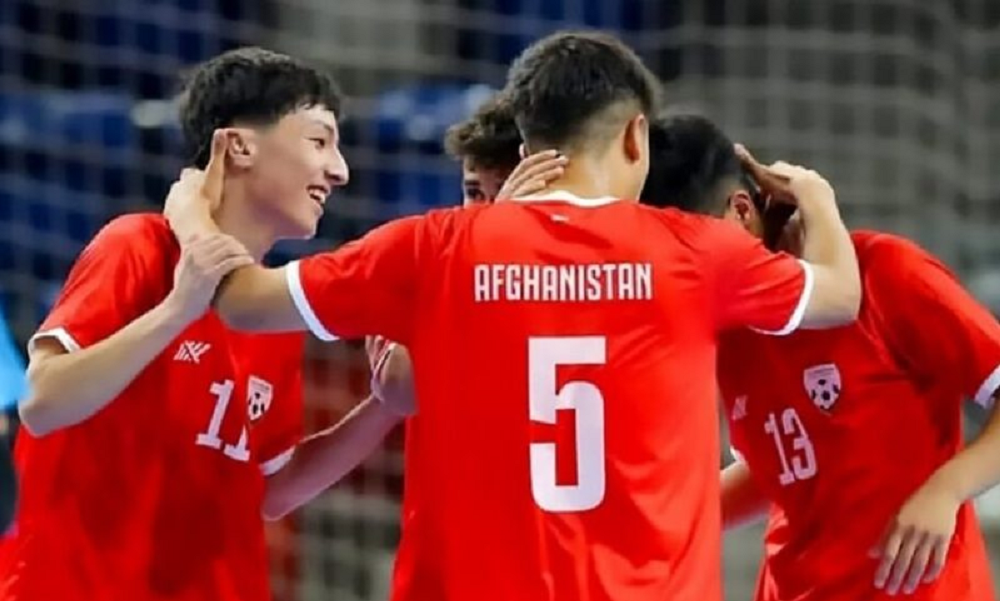
Afghanistan suffer narrow defeat against Argentina at Dakar Youth Olympics
-
 Regional5 days ago
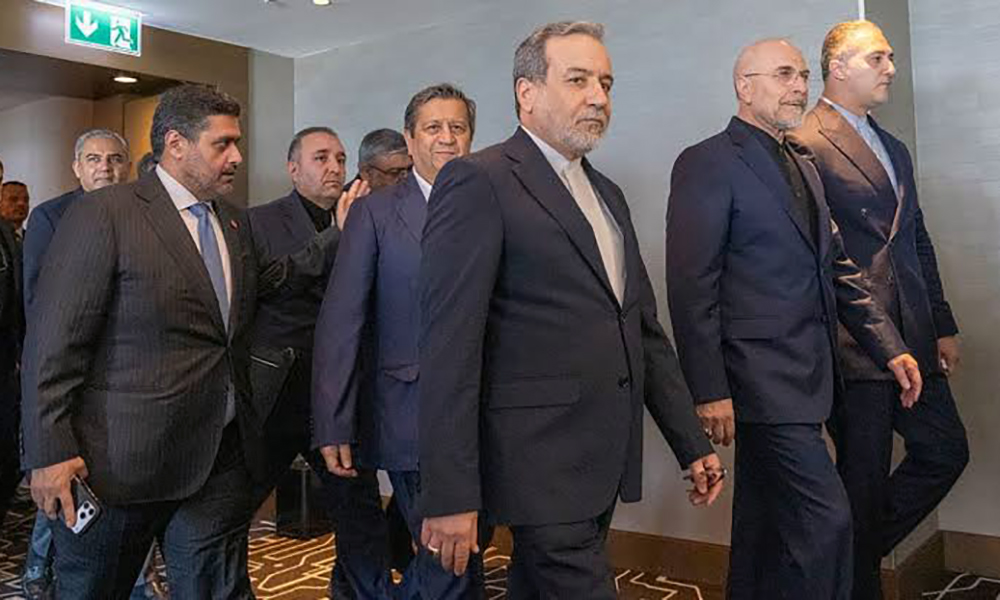
Iran says contacts over ending war continue after talks finish with no breakthrough
-
 Latest News5 days ago
Iran plans new four-nation meeting on Afghanistan amid regional diplomatic efforts
-
 Latest News4 days ago
US judge temporarily blocks deportation of detained Afghans
-

 Latest News4 days ago
US lawmakers urge Trump administration to halt Afghan deportations
-
 Climate Change4 days ago
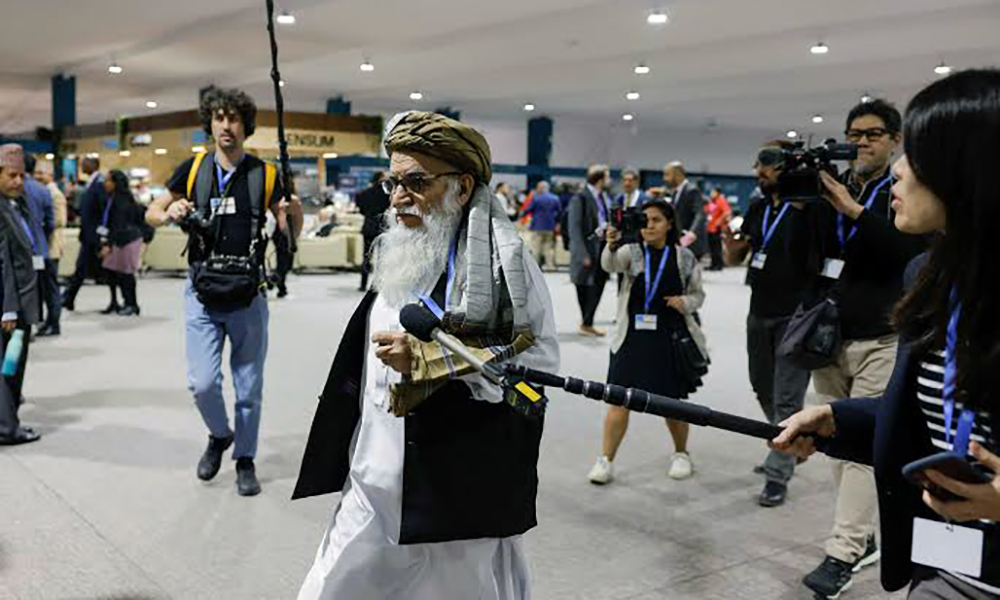
IEA to attend UN climate summit for second time since returning to power
-
 Sport4 days ago
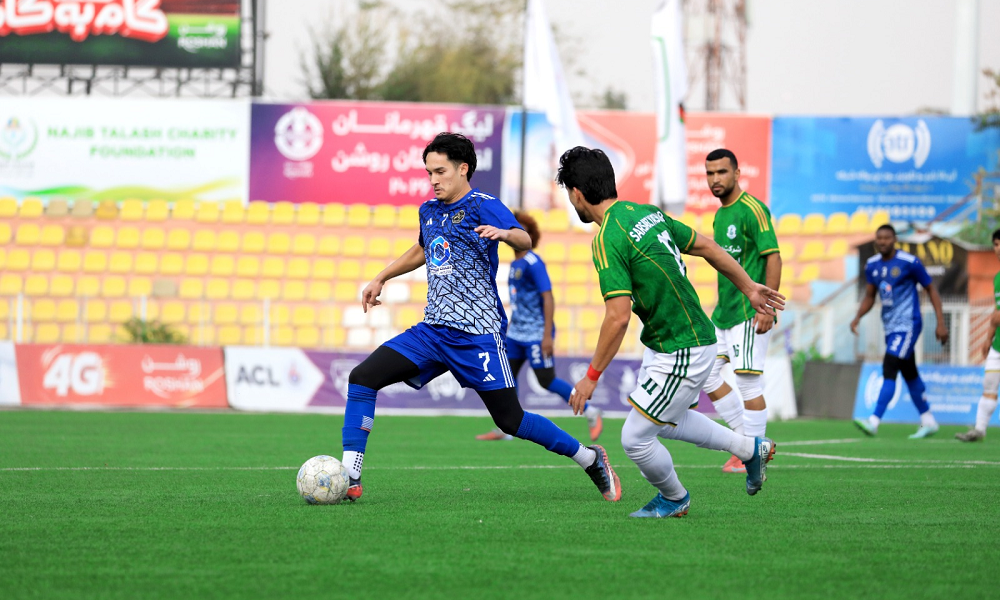
Arman FC secure 3-1 victory over Sarsabz Yashlar in ACL