
Health
IEA denies reports of monkeypox in Afghanistan

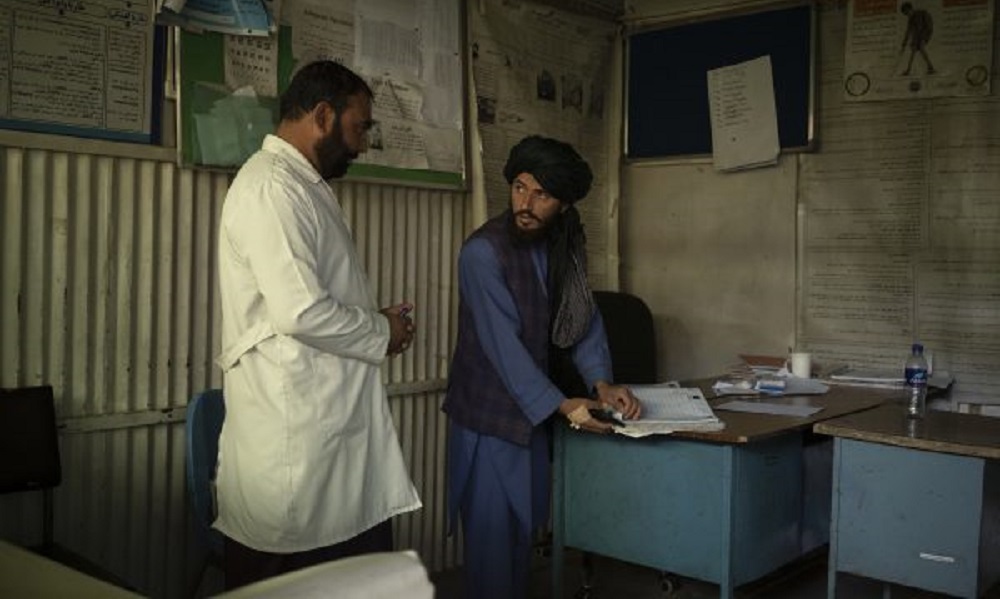
The Ministry of Public Health of the Islamic Emirate of Afghanistan (IEA) has rejected reports of positive cases of monkeypox in some provinces of Afghanistan, saying that no cases of the disease have been registered so far.
This week, some Afghan media outlets reported several cases of monkeypox in Nimroz, Herat and Kabul provinces.
The media quoted local sources as saying that some patients in these provinces have been referred to hospitals and that their symptoms are similar to those of monkeypox.
Javid Hajir, spokesman for the Ministry of Public Health, sent a message to Voice of America on Tuesday saying that in recent days, several patients have been monitored by the ministry’s health teams but their tests were negative.
Hajir added that these patients have been various skin diseases, which are very similar to monkeypox.
“These diseases are curable and we have the capabilities. Fortunately, so far we have not had any confirmation or positive cases of monkeypox in Afghanistan,” he added.
Earlier, the Ministry of Public Health announced the registration of several suspected cases of monkeypox in Kabul and Nimroz and said that it was investigating the cases.
Hajir did not provide the exact number of suspected cases in the two provinces, but said the patients were currently receiving medical treatment and were in quarantine.IEA denies reports of monkeypox in Afghanistan
The Ministry of Public Health of the Islamic Emirate of Afghanistan (IEA) has rejected reports of positive cases of monkeypox in some provinces of Afghanistan, saying that no cases of the disease have been registered so far.
This week, some Afghan media outlets reported several cases of monkeypox in Nimroz, Herat and Kabul provinces.
The media quoted local sources as saying that some patients in these provinces have been referred to hospitals and that their symptoms are similar to those of monkeypox.
Javid Hajir, spokesman for the Ministry of Public Health, sent a message to Voice of America on Tuesday saying that in recent days, several patients have been monitored by the ministry’s health teams but their tests were negative.
Hajir added that these patients have been various skin diseases, which are very similar to monkeypox.
“These diseases are curable and we have the capabilities. Fortunately, so far we have not had any confirmation or positive cases of monkeypox in Afghanistan,” he added.
Earlier, the Ministry of Public Health announced the registration of several suspected cases of monkeypox in Kabul and Nimroz and said that it was investigating the cases.
Hajir did not provide the exact number of suspected cases in the two provinces, but said the patients were currently receiving medical treatment and were in quarantine.





Health
Afghanistan faces cancer treatment crisis
Spokesperson for the Ministry of Public Health, said dozens of cancer treatment centers are operating across the country.
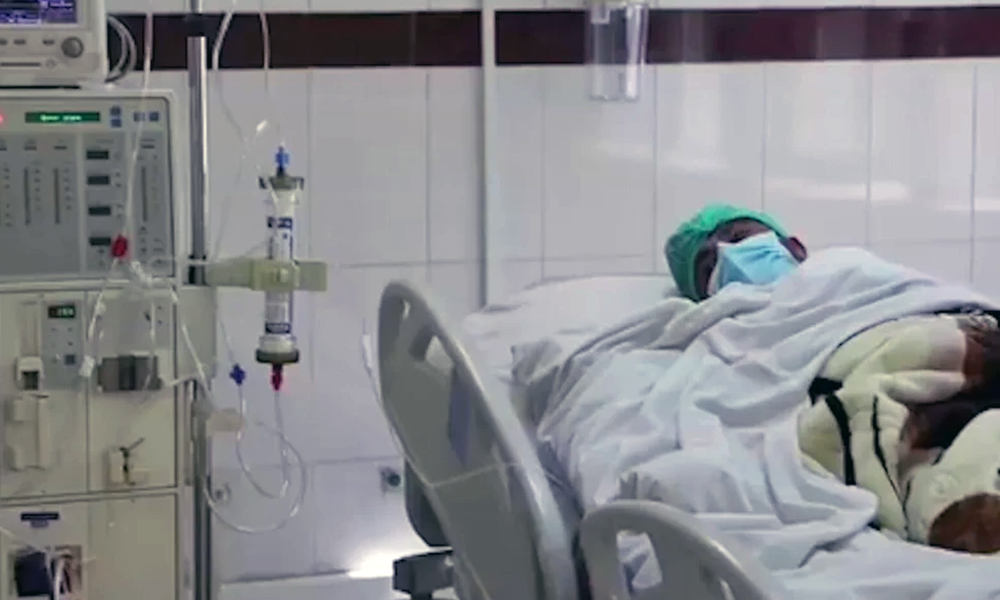
The Afghanistan Cancer Foundation has raised concern over the rising number of cancer cases across the country, saying at least 1.5 million people are currently suffering from the disease.
According to figures released on Saturday, September 11, about 50,000 new cases are recorded annually. The figures are based on data from the Ministry of Public Health and international organizations.
Shafiq Shinwari, head of the Afghan Cancer Foundation, said in a recent interview that breast and uterine cancers are among the most common cancers in women, while lung, stomach, prostate and colon cancers are widespread among men.
He said cancer is the second-leading cause of death in Afghanistan after heart disease.
Cancer specialist Dr. Rahim Gul Darwish identified smoking and tobacco use, poor hygiene and unhealthy diets as major factors contributing to the spread of the disease.
Meanwhile, Sharafat Zaman Amarkhail, spokesperson for the Ministry of Public Health, said dozens of cancer treatment centers are operating across the country. However, he acknowledged serious shortages of modern equipment and facilities needed to provide comprehensive treatment.
The situation has been further aggravated by the departure of hundreds of medical specialists and healthcare workers since the Islamic Emirate returned to power, according to reports.
Afghan patients have also faced growing difficulties accessing treatment abroad. Many previously travelled to Pakistan for cancer care, but border closures and restrictions on Pakistani visas have made access more difficult.
Doctors say cancer patients require continuous treatment and regular specialist care, warning that shortages of facilities and restrictions on cross-border travel are increasing the risks for patients.
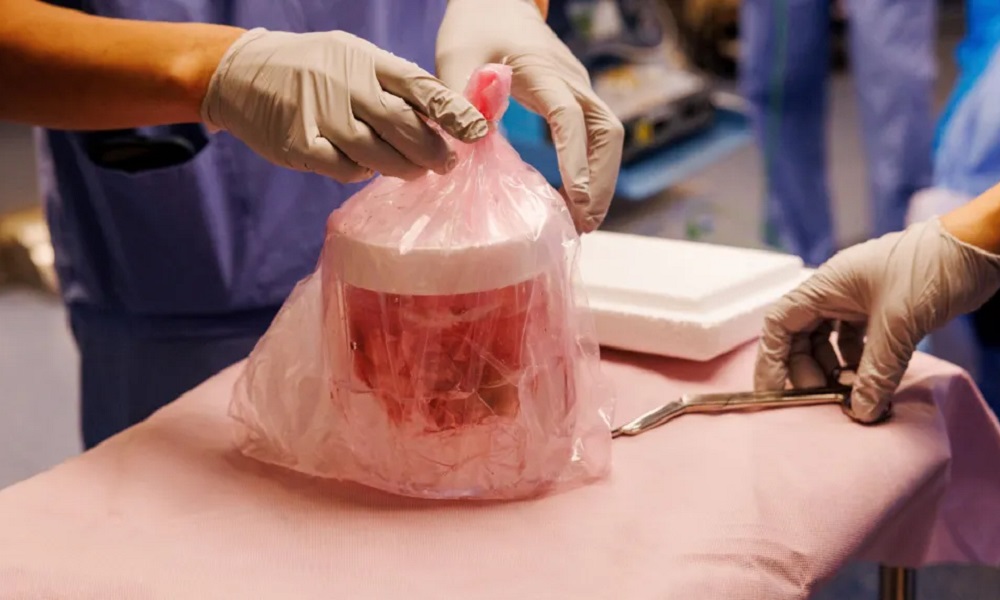
A genetically modified pig kidney has kept a 66-year-old man with end-stage kidney disease alive without dialysis for a record nine months, marking the first time a pig kidney has successfully served as a temporary “bridge” to a human kidney transplant.
Tim Andrews, from New Hampshire, was suffering from severe kidney failure caused by type 2 diabetes. Doctors said he had only a 9% chance of receiving a human kidney within five years, while facing a more than 40% risk of dying or being removed from the transplant waiting list.

Tim Andrews preparing for surgery in January 2025
Surgeons at Mass General Brigham in Massachusetts transplanted a kidney from a genetically modified Yucatan miniature pig named Wilma into Andrews in January 2025. The kidney functioned for 271 days, allowing him to remain free of dialysis before it began to fail.
After the pig kidney was removed, Andrews spent several months back on dialysis before receiving a kidney from a deceased human donor. The human kidney was functioning well after six months of follow-up, according to findings published in the medical journal The Lancet.
The transplant represents the longest dialysis-free survival recorded following a pig kidney xenotransplant in a living person. It is also the first documented case in which a patient successfully moved from a pig kidney transplant to a human kidney transplant.
Before the procedure, Wilma’s genome underwent 69 genetic modifications. Some changes were intended to reduce the risk of viruses being transmitted to humans, while others were designed to make the pig kidney more compatible with the human immune system and reduce the risk of rejection.
Andrews described the procedure as a “miracle”, saying it allowed him to return to everyday activities. He said he was able to cook, vacuum and take long walks with his dog.
The development could offer a potential solution to the severe shortage of human organs available for transplantation. Kidney transplantation provides the best survival prospects and quality of life for patients with end-stage kidney disease, but the global demand for donor kidneys far exceeds the supply.
Dr Leonardo Riella of Mass General Brigham said the shortage of organs remains “the greatest crisis” in transplantation. He said genetically modified animal organs could initially be used to help patients avoid dialysis while they wait for a human donor kidney and could eventually become a long-term treatment option if their safety and durability are established.
The pig kidney began showing damage to its blood vessels after about six months, eventually leading to organ failure and its removal nine months after transplantation.
Doctors found no new antibodies against human tissue following the procedure, suggesting the pig kidney did not make Andrews’ subsequent human transplant more difficult. No pig viruses or other pig pathogens were detected at any point.
The researchers cautioned that the result is based on a single patient with no comparison group. They said the outcome also depended on careful patient selection and intensive specialist care that may not be available in all settings.
Further clinical trials will be needed to determine whether genetically modified pig kidneys can safely and reliably be used as a bridge for other patients facing long waits for human organs.
The researchers said the case nevertheless provides new evidence that pig kidney transplantation could help address the global organ shortage and potentially offer patients a way to remain off dialysis while waiting for a human kidney.
Health
Polio vaccination campaign set to roll out in five Afghan provinces amid new cases
The campaign aims to vaccinate children against polio and prevent further transmission of the highly infectious virus.
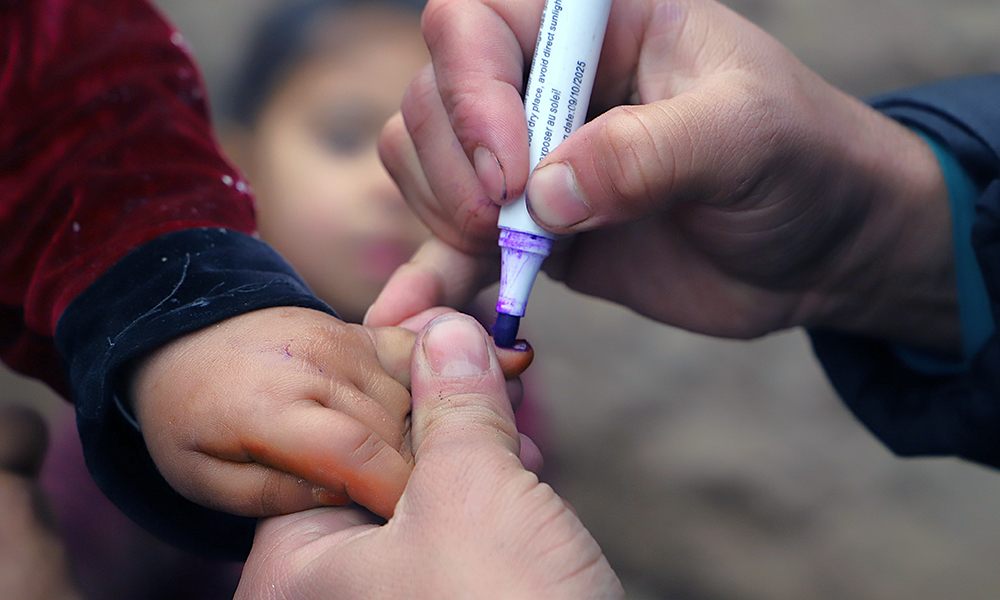
A new polio vaccination campaign will begin Monday across parts of five Afghan provinces as health authorities step up efforts to prevent the spread of the virus following reports of new cases.
Polio-Free Afghanistan said on Sunday that the campaign will cover all of Nangarhar, seven districts of Kunar, six districts of Kabul, two districts of Herat and two districts of Farah.
The campaign aims to vaccinate children against polio and prevent further transmission of the highly infectious virus.
The campaign comes after a new polio case was reported in Tirin Kot, the capital of Uruzgan province. The World Health Organization has previously reported that 15 polio cases have been confirmed in Afghanistan since the beginning of 2026.
Polio can cause permanent paralysis, particularly among young children. Health experts say repeated vaccination remains the most effective way to protect children and prevent the virus from spreading in communities where transmission continues.
Afghanistan and Pakistan remain among the last countries where wild poliovirus transmission persists. Cross-border movement between the two countries has also made vaccination and disease surveillance particularly important.
Polio-Free Afghanistan has urged families to cooperate with vaccination teams and ensure that eligible children receive the polio vaccine to help prevent further spread of the disease.


Tahawol: Kabul’s warning over any threat from Pakistan discussed

Abu Muslim Farah and Ariana Khost play out goalless draw in ACL

ACL season six: Aino Mina and Omar Zawak play out 1–1 draw

Iran executes man convicted of spying for Israel’s Mossad, judiciary says

Afghan official meets Iranian oil minister to discuss energy cooperation

Four mediators struggle to secure lasting Pakistan-Afghanistan ceasefire

Syria and Saudi Arabia condemn Kabul bombing, express solidarity with Afghanistan

Afghanistan’s trade diversification challenges Pakistan

Saudi energy group signs major Afghanistan deals covering gas exploration and pipeline plans

ATN secures exclusive rights to broadcast T20I series in India across Afghanistan
Tahawol: Kabul’s warning over any threat from Pakistan discussed

Debate on Afghanistan and New Investment Opportunities

Tahawol: Reasons behind Qatari, Turkish security officials’ Kabul visit discussed

Saar: Outcome of UN Security Council meeting on Afghanistan discussed

Tahawol: Afghanistan’s readiness for US relations discussed
-
 Latest News4 days ago
UN warns of mounting humanitarian and human rights pressures in Afghanistan
-

 Regional4 days ago
Saudi Arabia calls alleged Mecca attack a ‘red line’ as Houthis deny involvement
-

 World5 days ago
North Korea’s Kim vows to expand ties with Russia, backs victory in ‘sacred war’
-
 Latest News5 days ago
UNICEF expands aid to millions of Afghan children after flash floods
-

 Latest News5 days ago
Kyrgyz, Afghan foreign ministers discuss expanding trade and investment ties
-
 Latest News5 days ago
Petition filed in Islamabad High Court against PMDC directive affecting Afghan students
-
 Latest News4 days ago
Five Years On: IEA touts economic growth despite international isolation
-

 Sport4 days ago
India take 2-0 lead in 3-match series against Afghanistan