
Business
IEA sign deal for Russian oil products, gas and wheat


The Islamic Emirate of Afghanistan (IEA) has signed a provisional deal with Russia to supply gasoline, diesel, gas and wheat to Afghanistan, Afghan Commerce and Industry Minister Haji Nooruddin Azizi told Reuters.
Azizi said his ministry was working to diversify its trading partners and that Russia had offered the IEA a discount to average global commodity prices.
The move, the first known major international economic deal struck by the IEA since they returned to power more than a year ago, could help to ease Afghanistan’s isolation that has effectively cut it off from the global banking system.
Azizi said the deal would involve Russia supplying around one million tonnes of gasoline, one million tonnes of diesel, 500,000 tonnes of liquefied petroleum gas (LPG) and two million tonnes of wheat annually.
Russia’s energy and agriculture ministries did not immediately respond to requests for comment on the agreement. The office of Russian Deputy Prime Minister Alexander Novak, who is in charge of oil and gas, also did not immediately respond.
Azizi said the agreement would run for an unspecified trial period, after which both sides were expected to sign a longer term deal if they were content with the arrangement.
He declined to give details on pricing or payment methods, but said Russia had agreed to a discount to global markets on goods that would be delivered to Afghanistan by road and rail.
The deal was finalized after an Afghan technical team spent several weeks in discussions in Moscow, having stayed on after Azizi visited there last month.






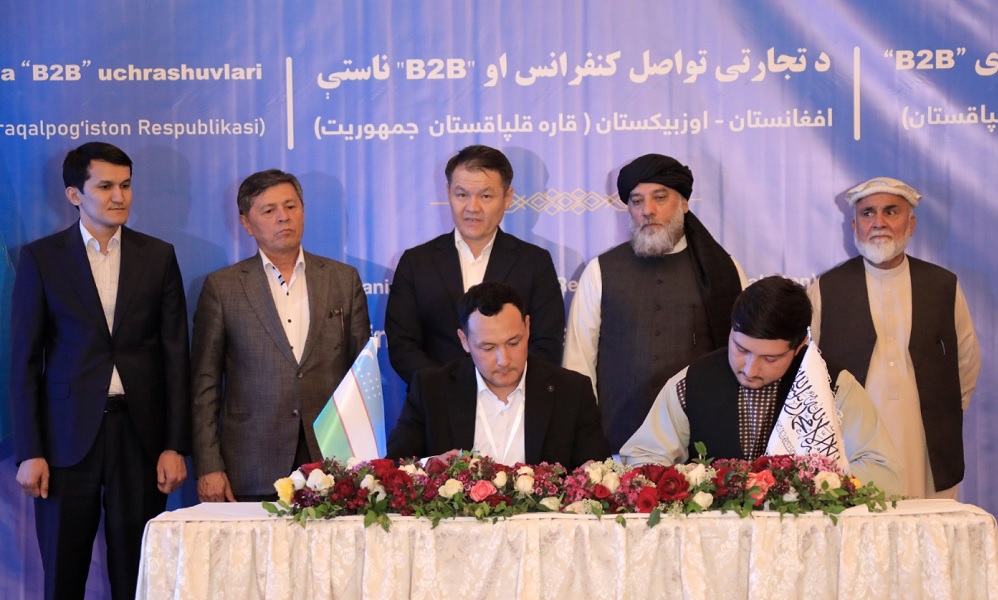
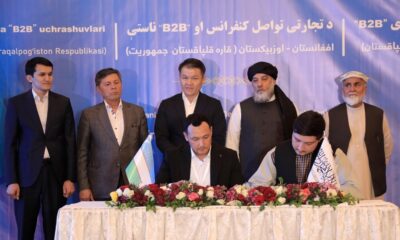
Thirteen trade and investment memorandums of understanding (MoUs) worth more than $100 million were signed between private sector representatives of Afghanistan and Uzbekistan during a conference held in Kabul on Saturday.
The conference, which brought together business leaders and officials from both countries, focused on expanding bilateral economic cooperation, increasing trade volume, and identifying new investment opportunities.
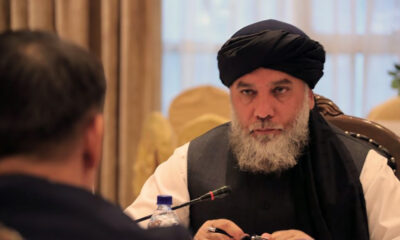
Speaking at the event, Nooruddin Azizi, Minister of Industry and Commerce of Afghanistan, said economic relations between Afghanistan and Uzbekistan have gained notable momentum in recent months. He stressed that Afghanistan is actively working to strengthen regional trade ties and create a more favorable environment for investors.
Azizi added that Afghanistan offers significant investment potential, particularly due to its available workforce and emerging opportunities across multiple sectors, and is ready to welcome joint ventures with foreign partners.
Officials from the Ministry of Industry and Commerce of Afghanistan said the government has facilitated around $2 billion in investment across various sectors over the past year, reflecting growing investor interest in the country’s economy.
The Uzbek delegation also reiterated its commitment to expanding economic relations with Afghanistan, describing the agreements as an important step toward deeper regional cooperation.
Amanbay Orynbayev, head of Uzbekistan’s Karakalpakstan delegation, said his country places strong emphasis on long-term, transparent, and reliable economic partnerships. He encouraged Afghan traders to take advantage of joint investment opportunities to access new regional markets.
The Afghan private sector welcomed the agreements, expressing hope that increased trade engagement and business exchanges will further strengthen economic ties between the two neighboring countries.
Officials noted that the total value of agreements signed between Afghanistan and Uzbekistan has now exceeded $1.5 billion. If implemented effectively, these commitments are expected to contribute to increased trade flows and broader economic growth in Afghanistan.
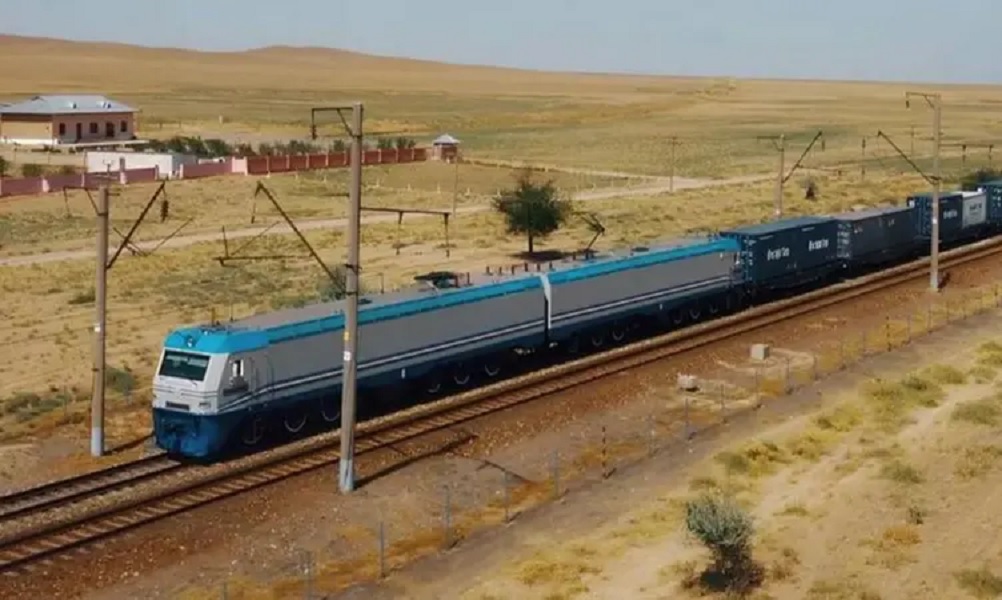
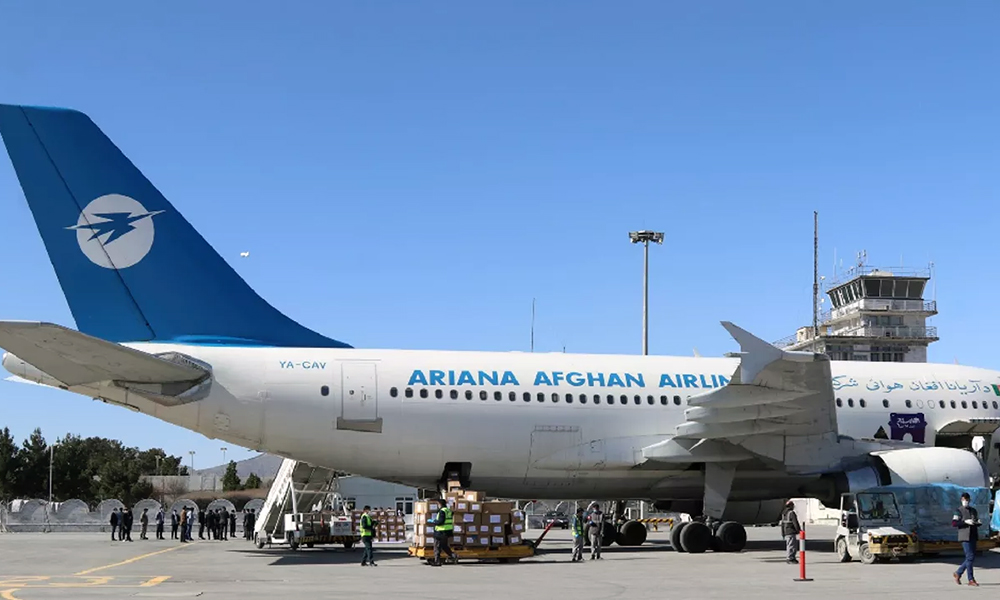
A new multimodal freight corridor linking China and Afghanistan via Turkmenistan has been officially launched, aiming to improve the speed and efficiency of overland cargo transportation across Central Asia.
According to the Turkmenistan Embassy in London, the country has become part of a newly established route designed to accelerate freight deliveries between China and Afghanistan.
The corridor, developed with the involvement of Uzbekistan Railways’ subsidiary Uztemiryulcontainer, covers approximately 7,400 kilometers and is expected to reduce transit time to around 30 days, improving overall logistics efficiency.
Under the new route, containers are transported by rail from China through the Altynkol station in Kazakhstan, continuing via Uzbekistan to a logistics hub in Bukhara. From there, cargo is transferred to road transport and moved across Turkmenistan before reaching Herat in Afghanistan.
Officials say the new system integrates rail and road networks into a unified logistics chain, making transport more predictable and efficient.


Tahawol: Fresh Remarks About Ending the Ukraine War

Saar: US and Iran Negotiations Discussed

Afghan powerlifting team wins six medals at World Cup series in Belarus

Afghanistan seeks closer trade cooperation with Uzbekistan

Japan announces MEXT scholarships for Afghan students for 2027 academic year

Bayat Power extends gas supply deal with Afghan Gas

New Afghanistan-China transport corridor launched via Turkmenistan

Afghanistan moves toward self-sufficiency in car battery production

Germany to launch online visa system for Afghan study and work applicants in Pakistan

War driving hidden climate crisis in Middle East, think tank warns
Tahawol: Fresh Remarks About Ending the Ukraine War
Saar: US and Iran Negotiations Discussed

Tahawol: Afghanistan and Uzbekistan’s growing economic ties discussed

Saar: Afghanistan’s relations with the world discussed

Tahawol: Discussion on unknown fate of Middle East crisis
-
 Business3 days ago
New Afghanistan-China transport corridor launched via Turkmenistan
-

 Sport2 days ago
Canada to host opening ceremony for FIFA World Cup 2026 in Toronto
-
 Latest News2 days ago
SAARC failure pushes Pakistan toward trilateral ties with Afghanistan, China, Bangladesh: Dar
-

 Science & Technology3 days ago
James Webb Telescope captures clearest-ever view of exoplanet’s surface
-
 Regional4 days ago
US and Iran closing in on one-page memo to end war, Axios reports
-

 Sport2 days ago
Afghanistan rises 7 places to 21st in FIFA Futsal World Rankings
-

 Sport2 days ago
Los Angeles to welcome the world with historic FIFA World Cup 2026 opening event
-
 Business1 day ago
Afghanistan, Uzbekistan sign 13 trade MoUs worth over $100 million