
Latest News
Islamic countries pledge fund to stave off Afghanistan ‘chaos’

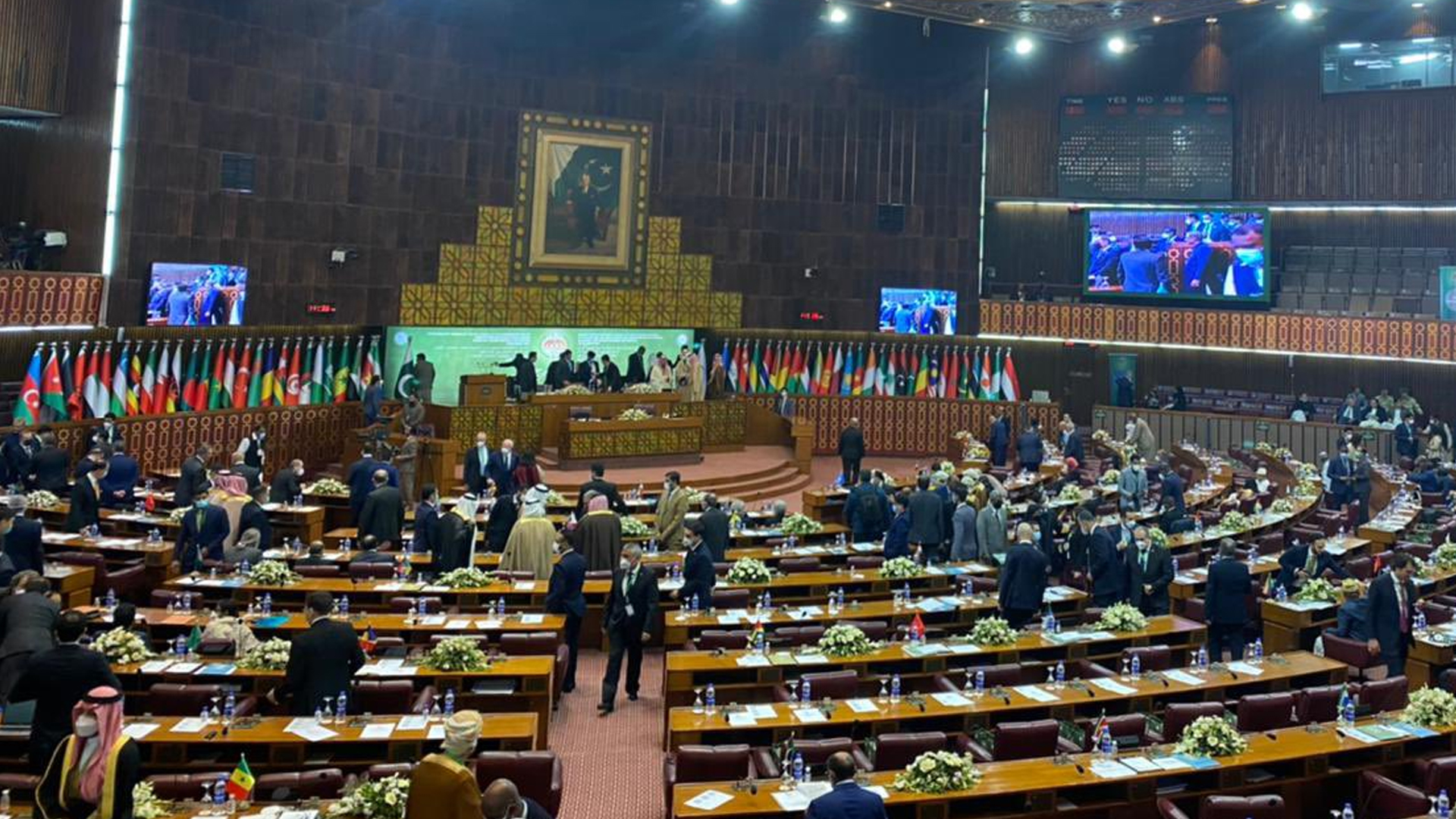
Islamic countries pledged on Sunday to set up a humanitarian trust fund for Afghanistan as, with millions facing hunger and a harsh winter setting in, Pakistan’s prime minister warned of chaos if the worsening emergency was not urgently addressed.
The crisis is causing mounting alarm but the international response has been muted, given Western reluctance to help the Islamic Emirate of Afghanistan (IEA) government, which seized power in August, Reuters reported.
“Unless action is taken immediately, Afghanistan is heading for chaos,” Prime Minister Imran Khan told a meeting of foreign ministers from the Organisation of Islamic Cooperation in Islamabad on Sunday.
The trust fund, announced by Pakistan’s foreign minister Shah Mahmood Qureshi, will be set up under the aegis of the Islamic Development Bank.
Allowing Afghanistan access to reserves frozen outside the country would be key to preventing economic collapse, participants in the meeting – which included representatives from the United Nations, United States, European Union and Japan – said in a statement.
But it was unclear how much the fund would contain and the meeting did not provide official recognition to the IEA government.
Acting Afghan foreign minister Amir Khan Muttaqi said the government had restored peace and security and done much to address demands for more inclusiveness with respect for human rights, including the rights of women.
“All must acknowledge that political isolation of Afghanistan is not beneficial for anyone, therefore it is imperative that all support the prevailing stability and back it both politically and economically,” he said.
IEA officials have previously asked for help to rebuild Afghanistan’s shattered economy and feed more than 20 million people threatened with hunger.
Some countries and aid organizations have begun delivering aid, but a near-collapse of the country’s banking system has complicated their work.
Qureshi said unlocking financial and banking channels was essential “because the economy can’t function and people can’t be helped without a banking system.”
The scale of the challenge has been underlined by crowds gathering outside the newly reopened passport office in Kabul, where hundreds have been lining up for passports that would enable them to leave the country.
Beyond immediate aid, Afghanistan needs help ensuring longer-term economic stability. Much will depend on whether Washington is willing to unfreeze billions of dollars in central bank reserves and lift sanctions that have caused many institutions and governments to shy away from direct dealings with the IEA.
Muttaqi said the IEA would not allow Afghanistan to be used as a base for attacks on other countries and he said no reprisals would be carried out against officials of the former government.












Kazakhstan’s Foreign Minister Mukhtar Tileuberdi has called for pragmatic and coordinated international engagement with Afghanistan, saying the country’s long-term stability is closely linked to the security and sustainable development of Central Asia.
Speaking during the general debate of the 81st session of the United Nations General Assembly in New York on Friday, Tileuberdi said humanitarian assistance to Afghanistan remains essential but alone cannot break the cycle of poverty, displacement and dependency.
He said Kazakhstan supports a “pragmatic, coordinated and step-by-step” approach to international engagement with Afghanistan, with the United Nations playing a central role.
Tileuberdi also said Kazakhstan is working with the UN to operationalize the United Nations Regional Centre for the Sustainable Development Goals for Central Asia and Afghanistan in Almaty.
He said the success of the centre should be measured by the results and assistance it delivers to the region.


Abu Muslim Farah defeat Khurasan Faryab 2-0 in ACL season six

Saar: Concerns over Pakistan’s political crisis discussed

Afghanistan Champions League: Omar Zawak Herat beat Toofan Herat 1-0

Blast in Pakistan’s Dera Ismail Khan kills 11, injures 30

Ariana Afghan Airlines increases Kabul-Delhi cargo flights

Saudi energy group signs major Afghanistan deals covering gas exploration and pipeline plans

Trump floats idea of renaming Atlantic or Pacific Ocean

US hits Egyptian bank branches with Iran sanctions as war marks six months

Nepal flood rescue mission enters critical phase as thousands remain missing

Iranian clubs to face Gulf opponents at neutral venues in Asian Champions League Elite
Saar: Concerns over Pakistan’s political crisis discussed

Exclusive interview with Abdul Latif Mansoor, Minister of MRRD

Tawsia: Overview of Afghanistan’s iron mines

Tahawol: Discussion on fresh Pakistani airstrikes on Afghanistan

Saar: Calls for international support for Afghanistan discussed
-

 World5 days ago
CNN, MS NOW and Politico sue Trump, challenging White House ban
-

 Latest News4 days ago
Ariana Afghan Airlines ranks seventh among 45 Central Asian airlines
-

 Latest News5 days ago
UN reiterates call for respect for international law after Kunar airstrikes
-

 Regional4 days ago
US and Iran hold first talks since June after Trump’s ‘annihilation’ threat
-

 Latest News4 days ago
Silk Road highway in Wakhan corridor now reaches the China border
-

 Regional3 days ago
Iran airlines cancel flights as US sanctions hit
-

 Latest News5 days ago
Afghan Official: Pakistan’s airstrikes will not go unanswered
-

 Sport5 days ago
Afghan boxing referee heads to China for international festival