
Latest News
Karzai says despite the onset of ‘peace’, Afghanistan is facing immense hardships

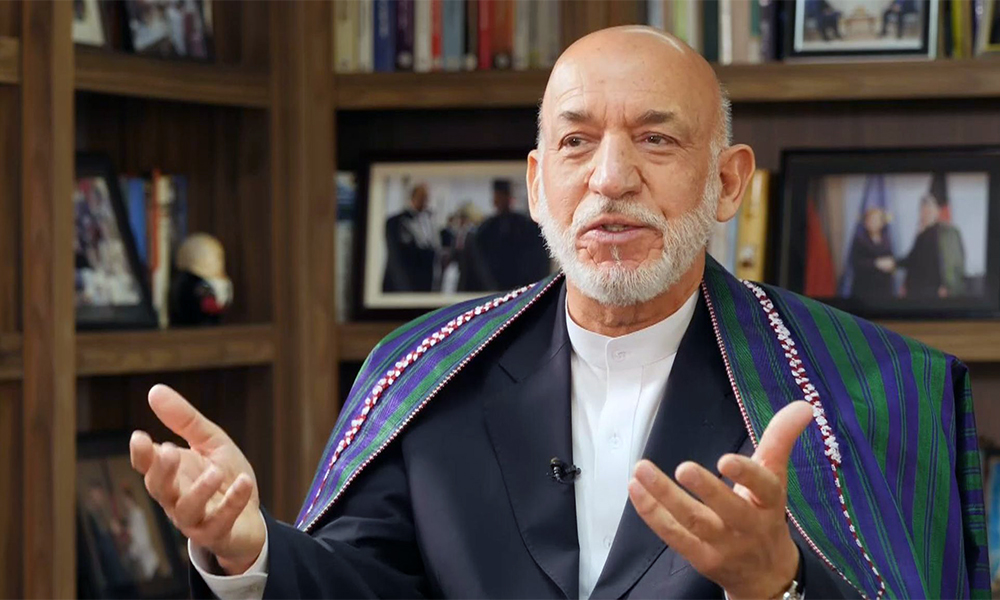
Former president Hamid Karzai said this week that despite the tumultuous past year, Afghans are “happier” that there is no longer a large-scale war being waged in their country.
He said the conflict, which caused loss of Afghan lives on both sides, was “fortunately over” but that Afghanistan is facing “immense difficulties”.
In an interview with India Today, to coincide with the one year anniversary of the take over by the Islamic Emirate of Afghanistan (IEA) Karzai said “Afghanistan is facing immense difficulties” economically. He said this was compounded by the loss of skilled Afghans who migrated.
Karzai said however, that the ruling IEA was still a way off from winning the trust of the international community in terms of being recognized as the new government.
He said that many of the IEA leaders agree “with an Afghanistan that’s inclusive, with an Afghanistan that has girls going to school, and an Afghanistan that is working hard towards well-being and a better economy.”
“With regard to recognition by the international community it is based on two fundamental conditions to be fulfilled. One is the fulfilling of the needs of the Afghan people, the education of girls is one such issue, and then inclusivity is another such issue,” he said.
“Once this is fulfilled and the Afghan people see that the country is moving in the direction that’s in the interests of the people, and the country of course, automatically the question of international recognition will be resolved.”
Karzai also emphasized that “the people of Afghanistan have been victims of terrorism for a long long time,” adding that he feels with certainty that the people of Afghanistan “are the greatest victims of terrorism and extremism.”
“Unfortunately at the same time, the Afghan people are also victims of the fight against terrorism; so we have suffered both from terrorism and from the consequences of the fight against terrorism,” he said.
He also stated that Afghans do not want terrorists in their country, whether it be groups or individuals, but at the same time Afghans do not want their sovereignty violated in the name of the fight against terrorism.
Regarding the US’s claims that it killed the al-Qaeda leader al-Zawahiri in a drone strike in Kabul last month, Karzai pointed out that the IEA said at the time that it was not aware of his presence in the country but that they would carry out an investigation into the claims and incident.
Emphasizing the dire economic situation, exacerbated by the mass migration of skilled workers, Karzai said: “One of the greatest losses of our country in the past one year has been the leaving of our educated and capable people from our own country; the loss of this educated part of the Afghan population is an immense irreparable loss and our effort is exactly this to have an Afghanistan where all the Afghan people can come back, where all the Afghan people can be working in and participating in, where all the Afghan people find their country to be belonging to all of us; this is our effort and this has to succeed for the well- being of all including for the current government.”
He said it is up to the current government, the IEA, to make sure that those Afghans return and that they find place in their own country and respect in their own country
and an environment where they can work and grow and prosper together with all the Afghan people.
“The Taliban (IEA) and all other Afghans belong to this country and we need to work together for a better Afghanistan; that is imperative for us to be independent, strong and growing,” he said.
On Afghan-Indian relations, he called on New Delhi to reopen its embassy in Kabul “in full strength” and to allow Afghan students to return to India for study purposes.
Karzai said he was confident the IEA would do its best to provide security to the Indian embassy should it reopen in Kabul.
He also stated that he wants Afghanistan “to be a place of cooperation between our neighbors and big powers,” adding that Afghanistan’s relations with India are historic and go back centuries”.
In conclusion he said: “I have hopes for Afghanistan; very very good hopes for Afghanistan. This country will be fine, this country will do well; I’m also hopeful that things will change for the better in Afghanistan.
“Definitely there is a need for certain changes in the policies of the current government, the issue of girls going to school is extremely important; that must change, and those schools must reopen immediately; and inclusivity and so many other issues that have to be addressed, that we are working on.
But on the whole, he said Afghanistan is a very old country and that temporary setbacks and difficulties “will not stop it from the long march towards a better future.”




Hamdullah Fitrat, Deputy Spokesperson for the Islamic Emirate of Afghanistan, has strongly rejected the repeated allegations by Pakistani officials that Afghanistan is involved in insecurity in Pakistan, saying that creating or supporting insecurity in Pakistan is not in Afghanistan’s interests.
In a statement published on his account, Fitrat said that whenever Pakistani officials are unable to ensure security in their own country, they blame Afghanistan for incidents in an attempt to mislead public opinion.
According to Fitrat, Afghanistan neither has the necessary means to create insecurity in other countries nor would it benefit from such actions, as insecurity in Pakistan also harms Afghanistan economically, socially and in humanitarian terms.
The deputy spokesperson added that instead of focusing on their own security responsibilities, Pakistani officials wrongly blame Afghanistan and spend resources on plans aimed at destabilizing the country.
Fitrat described this approach as a way of evading core responsibilities, destabilizing the region and wasting economic resources. He further said that this misguided stance has distracted Pakistan’s security forces from their primary duties.
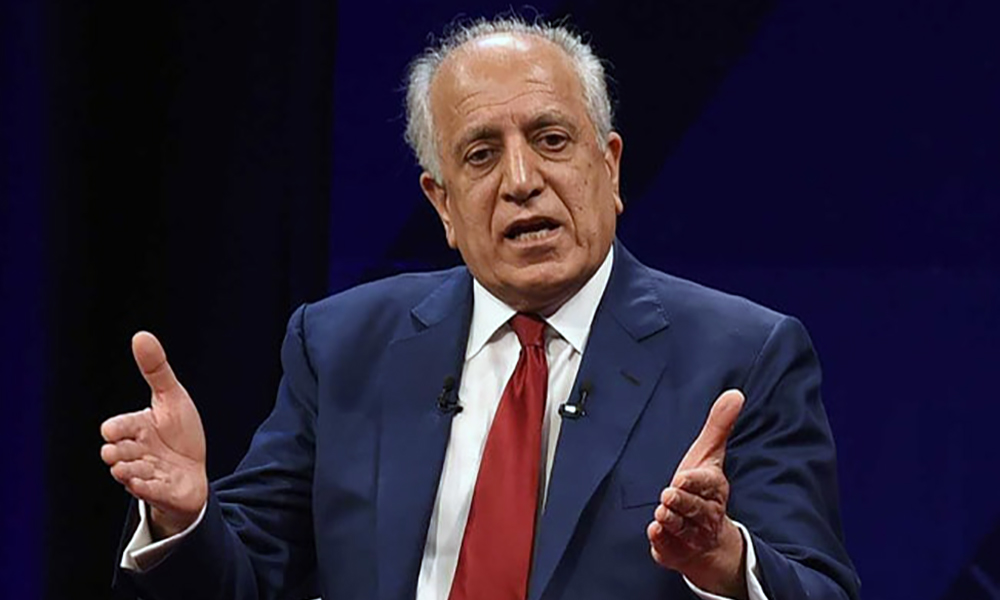
Zalmay Khalilzad, the former U.S. special representative for Afghanistan, has warned that relations between Afghanistan and Pakistan could deteriorate further amid reports of alleged Pakistani recruitment and arming of Afghans.
In a statement, Khalilzad said there had been numerous reports alleging that Pakistan was arming Afghans to fight the Taliban in Afghanistan. He added that new reports suggested the Pakistani military was recruiting Afghans to fight anti-Pakistan insurgents.
He cautioned that, given the current situation, ties between Kabul and Islamabad were likely to worsen significantly.
Khalilzad’s remarks come amid ongoing tensions between the two neighboring countries.
Latest News
UNICEF urges continued efforts for polio-free Afghanistan
According to the World Health Organization, 42 cases of wild poliovirus type 1 have been recorded in Afghanistan this year.
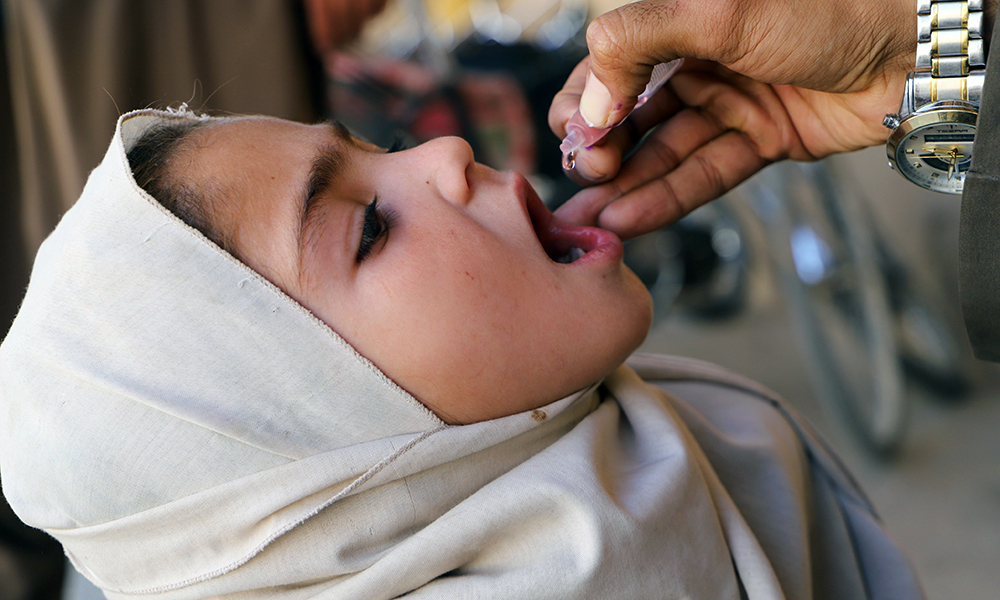
UNICEF Afghanistan has highlighted the importance of continued national efforts to eradicate polio and vaccinate every child, as the country marks World Polio Day on October 24.
In a message posted on X, UNICEF Afghanistan said the day provides an opportunity to highlight national efforts towards a polio-free Afghanistan and honour frontline workers who work tirelessly to end the disease and ensure every child is vaccinated.
Meanwhile, Afghanistan’s Polio-Free initiative warned on Thursday, October 22, that the presence of the poliovirus in any area could threaten the health of children across the country. The initiative urged the public to cooperate with vaccination campaigns and ensure that no child is left without the vaccine.
The warning comes as polio remains a public health concern in Afghanistan, with the United Nations reporting multiple cases of the disease. According to the World Health Organization, 42 cases of wild poliovirus type 1 have been recorded in Afghanistan this year, while six cases have been reported in neighbouring Pakistan.

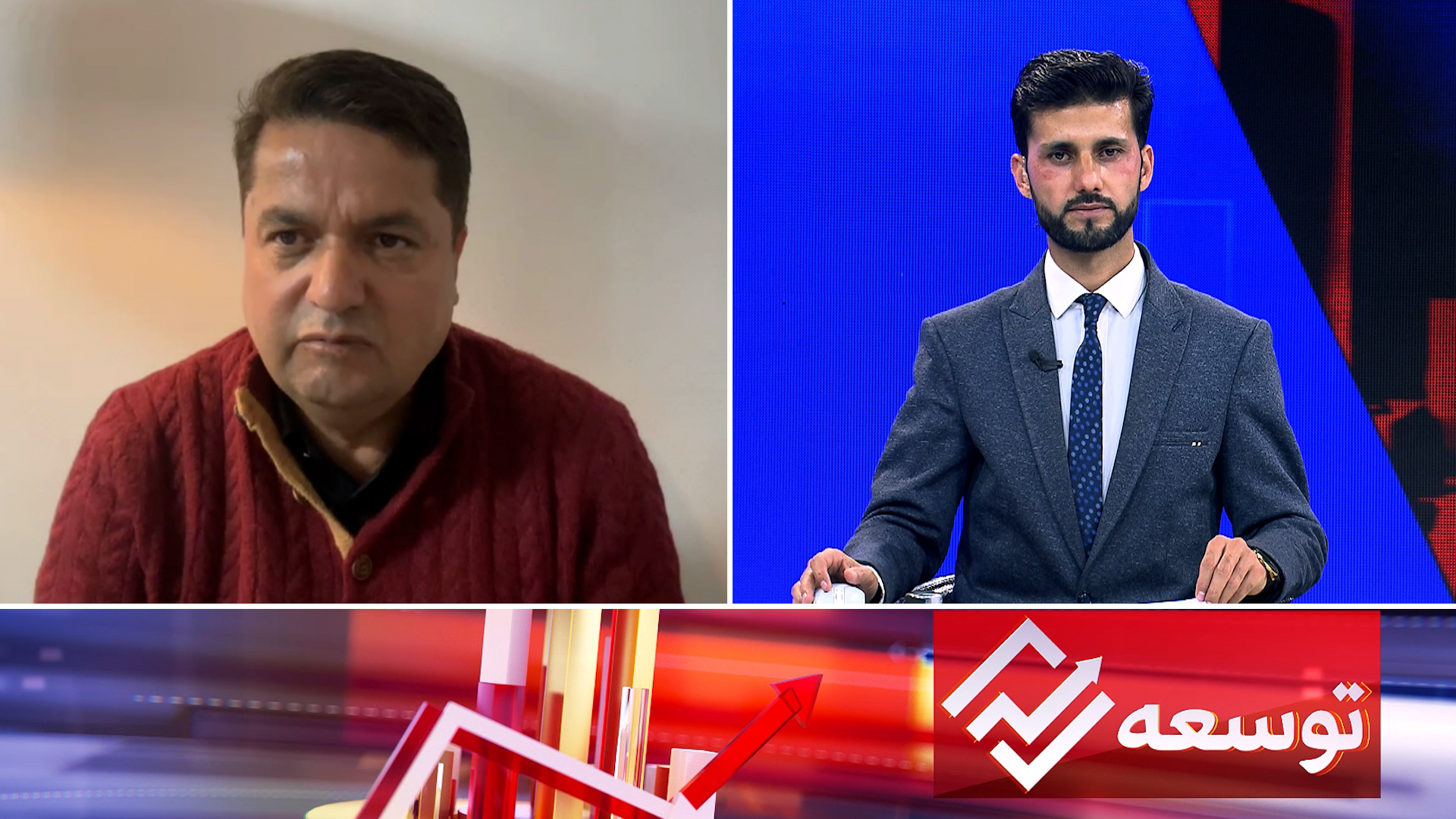
Tawsia: New opportunities in Afghanistan’s energy, trade and agriculture sectors discussed

IEA rejects Pakistan’s allegations linking Afghanistan to insecurity

Exclusive interview with Ali Bilal, runner-up in Mr. Olympia Men’s Physique category

Khalilzad warns of worsening relations between Afghanistan and Pakistan

IMF forecasts 1.3 percent regional economic contraction in 2026

Cricket Bonanza: Afghanistan set for packed international schedule

Afghanistan says 28 killed, 32 captured in Nuristan operation

Afghanistan on climate front line as Kabul faces groundwater warning

ACB announces Afghanistan squads for Bangladesh, Zimbabwe series

Trump rejects Iranian proposal to open Hormuz and end fighting
Tawsia: New opportunities in Afghanistan’s energy, trade and agriculture sectors discussed
Exclusive interview with Ali Bilal, runner-up in Mr. Olympia Men’s Physique category

Tahawol: Doha meeting and Afghanistan’s political and economic future discussed

Saar: Concerns over expansion of conflict between Iran and US discussed

Governments warn citizens over security risks in France after riots
-
 World4 days ago
Violent protests spread across Europe as Albanian PM blames ‘foreign hand’
-

 Sport5 days ago
Afghanistan finish runners-up after 6-0 defeat to Brazil in futsal final
-
 Business4 days ago
Iran calls for extending Herat railway to Uzbekistan border
-
 Latest News3 days ago
Russian troops arrive in Uzbekistan for joint military exercises
-
 World5 days ago
Trump endorses Netanyahu in close Israeli election
-
 Latest News3 days ago
Qatar calls for shift from humanitarian aid to economic recovery in Afghanistan
-
 Latest News1 day ago
Afghanistan’s new Wakhan road to China faces major hurdles
-
 World2 days ago
Governments warn citizens over security risks in France after riots