
Latest News
Khalilzad meets with key Afghans, explains US position

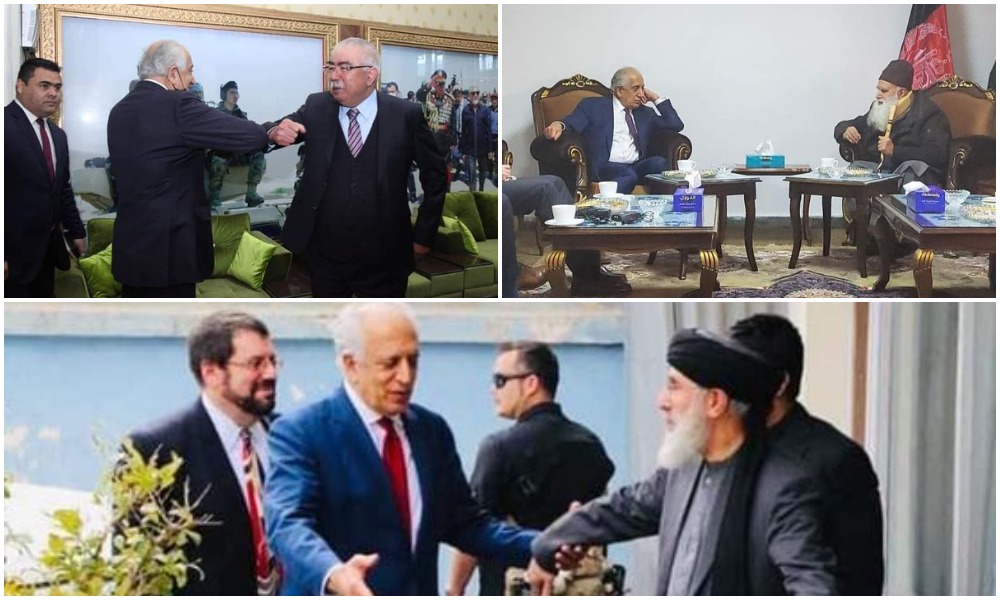
Zalmay Khalilzad met with a number of influential figures in Kabul on Monday including Marshal Abdul Rashid Dostum, Abdul Rab Rasul Sayyaf, Gulbuddin Hekmatyar, members of the Jamiat Party, and others.
Some political figures in Kabul said that during the meetings, Khalilzad explained the position of the new US administration on peace in Afghanistan.
Meanwhile, US House of Foreign Affairs Committee Member Michael McCaul says that the purpose of Khalilzad’s visit to Doha, Afghanistan and other countries in the region is to amend clauses of the peace agreement between the United States and the Taliban.
“Khalilzad has come to announce the new US administration’s approach to Afghanistan and the Taliban,” said Abdul Sattar Murad, a member of the Jamiat-e-Islami leadership council.
Khalilzad may also bring new proposals to Kabul and Doha, the two main centers of decision-making on Afghanistan’s future, sources said.
The US House of Foreign Affairs Committee Member Michael McCaul said that the revision of the Doha agreement, of clauses such as the release of 7,000 Taliban prisoners, the reduction of violence and the extension of the mission of foreign forces after May, is Khalilzad’s responsibility.
The US special envoy has also reportedly noted the views of Afghan government officials and the Taliban on the outcome of the Doha Agreement and negotiations between Afghans.
Some politicians said that Khalilzad did not come to Afghanistan and Qatar to announce the decision of the Biden administration but is rather initiating amendments to the US’s plans for Afghanistan.
“The United States wants to establish a partnership in Afghanistan, and this is not far off, and it wants to convince the Taliban to continue their presence,” said Sayed Ishaq Gailani, head of the National Solidarity Movement of Afghanistan.
Khalilzad who started his trip in Germany will continue on to Doha and other countries in the region.






Latest News
Khalilzad condemns Pakistan airstrikes, says current strategy is not working
Khalilzad called for a change in Pakistan’s strategy toward what he described as key internal crises as well as Afghanistan.
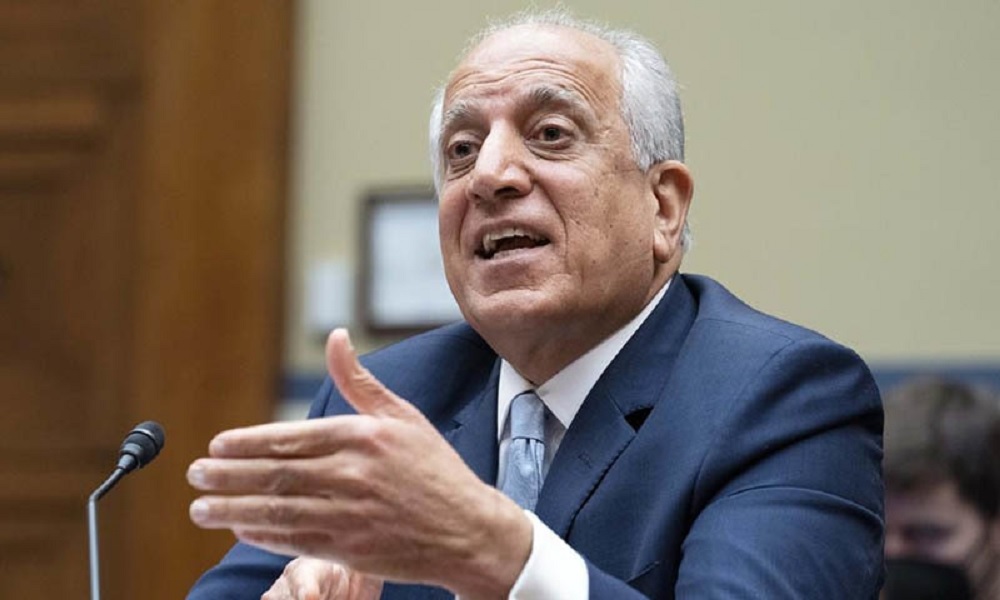
Former U.S. Special Representative for Afghanistan Reconciliation Zalmay Khalilzad has criticized Pakistan’s approach to Afghanistan following reported Pakistani airstrikes in the eastern Afghan provinces of Kunar and Paktika, saying Islamabad needs to change its strategy.
In a statement posted on X on Monday afternoon, Khalilzad said the latest attacks had again resulted in civilian deaths and argued that Pakistan’s current approach was failing to address its internal challenges or its relationship with Afghanistan.
“Once again Pakistan has attacked Afghanistan killing civilians,” Khalilzad wrote, adding that the strikes came as what he described as Pakistan’s internal crises intensified.
“More of the same is not the solution,” he said, using the analogy that when someone is in a hole, “the smart thing to do is to stop digging.”
Khalilzad called for a change in Pakistan’s strategy toward what he described as key internal crises as well as Afghanistan. He also said he remained doubtful that Pakistan’s current leadership would change course.
“The current approach means more bad news for Pakistan and Afghanistan,” he said.
His comments came after Pakistani airstrikes were reported in Kunar and Paktika early Monday. UNAMA said at least three civilians — a man, a woman and a girl — were killed and four others injured in apparent airstrikes in Kunar.
Pakistan said its military had carried out “calibrated” strikes against militant targets in the border region with Afghanistan, claiming that 28 militants were killed. Islamabad said the targets included hideouts and a training centre belonging to militant groups, Dawn News reported.
Afghan authorities condemned the strikes, with the Ministry of Foreign Affairs summoning Pakistan’s chargé d’affaires in Kabul and handing him a formal protest. Afghan officials have rejected Pakistan’s allegations that militant attacks inside Pakistan originate from Afghan territory.
The latest strikes have renewed tensions between the two neighbours after nearly three months of relative calm. The dispute has centred on Pakistan’s allegations that armed groups, particularly the Tehreek-e-Taliban Pakistan (TTP), operate from Afghan territory — allegations the Afghan authorities deny.
Khalilzad, who served as the U.S. special representative for Afghanistan reconciliation from 2018 to 2021, has previously commented on tensions between Kabul and Islamabad. His latest statement adds to growing calls for a diplomatic approach as cross-frontier violence continues to affect civilians in Afghanistan’s eastern provinces.
Latest News
Afghanistan summons Pakistani diplomat over airstrikes in Kunar and Paktika
According to the ministry, a formal letter of protest was handed to the Pakistani diplomat, strongly condemning what it described as violations of Afghan territory.
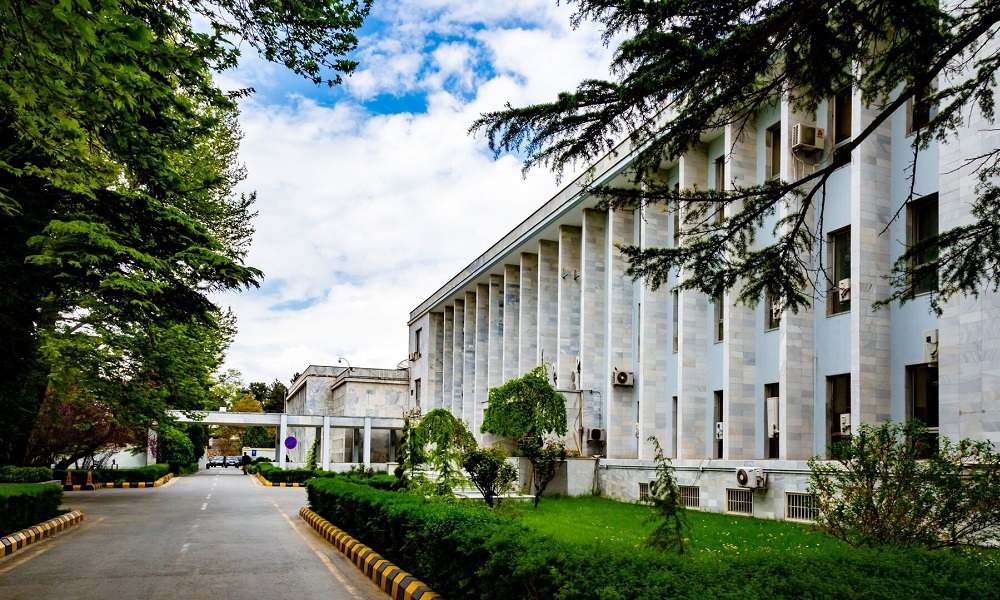
Afghanistan’s Ministry of Foreign Affairs has summoned Pakistan’s chargé d’affaires in Kabul and lodged a formal protest over reported Pakistani airstrikes in the eastern provinces of Kunar and Paktika.
The ministry said the strikes, which were carried out in the early hours of Monday morning, violated Afghanistan’s airspace, sovereignty and territorial integrity, and accused Pakistan of targeting civilian areas and facilities.
According to the ministry, a formal letter of protest was handed to the Pakistani diplomat, strongly condemning what it described as violations of Afghan territory.
The Afghan Foreign Ministry also rejected claims that recent security incidents in Pakistan originated from Afghan territory, describing such allegations as baseless.
The ministry said such claims should not be used to justify military action against Afghanistan, and urged Pakistan to address its security and political challenges by focusing on their underlying causes rather than blaming other countries.
The latest developments follow reports of Pakistani airstrikes in Afghanistan’s eastern provinces amid heightened tensions between the two neighbouring countries.
Afghan authorities have called for respect for Afghanistan’s sovereignty and territorial integrity and warned against further military action on Afghan soil.
Latest News
Three civilians killed, four wounded in Kunar airstrikes
The UN mission meanwhile said it has documented more than 1,100 civilian deaths and injuries across Afghanistan in 2026 as a result of cross-frontier armed violence.
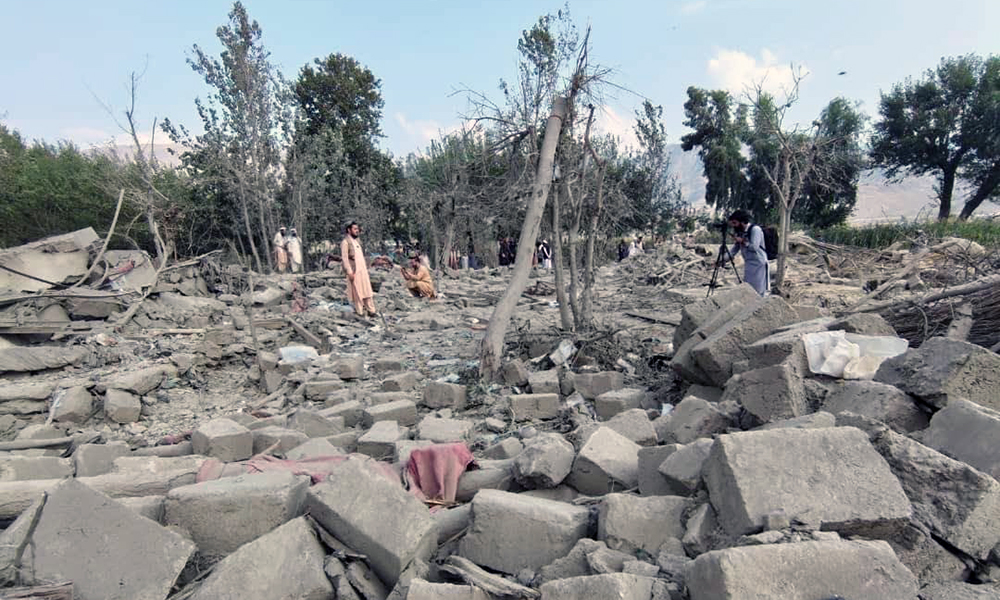
The United Nations Assistance Mission in Afghanistan (UNAMA) said Monday that at least three civilians, including a man, a woman and a girl, were killed and four others wounded in apparent airstrikes in eastern Afghanistan’s Kunar province. UNAMA said the incident took place in the early hours of Monday, September 21.
Early Monday, the Islamic Emirate confirmed the airstrikes, which they stated were carried out by Pakistan.
The UN mission meanwhile said it has documented more than 1,100 civilian deaths and injuries across Afghanistan in 2026 as a result of cross-frontier armed violence.
UNAMA reiterated its call on all parties to respect international humanitarian law and take all necessary measures to protect civilians and prevent further loss of life.
The incident comes amid continued concerns over the impact of cross-frontier hostilities on communities living in Afghanistan’s eastern and other border provinces.
UNAMA stressed that civilians and civilian infrastructure must be protected in accordance with international humanitarian law.


Aino Mina edge Sarsabz Yashlar 1–0 in ACL match

Tahawol: Uncertain future of Afghanistan’s permanent UN seat

Khalilzad condemns Pakistan airstrikes, says current strategy is not working

Saar: Pakistan military strikes Afghan provinces discussed

Afghanistan summons Pakistani diplomat over airstrikes in Kunar and Paktika

Four mediators struggle to secure lasting Pakistan-Afghanistan ceasefire

Afghanistan’s trade diversification challenges Pakistan

Saudi energy group signs major Afghanistan deals covering gas exploration and pipeline plans

ATN secures exclusive rights to broadcast T20I series in India across Afghanistan

Afghanistan squad announced for three-match T20I series against India
Tahawol: Uncertain future of Afghanistan’s permanent UN seat
Saar: Pakistan military strikes Afghan provinces discussed

Tahawol: Impact of middle East war on Afghanistan

Saar: Pakistan blames Afghanistan for deadly attack

Tahawol: Kabul’s warning over any threat from Pakistan discussed
-
 Latest News5 days ago
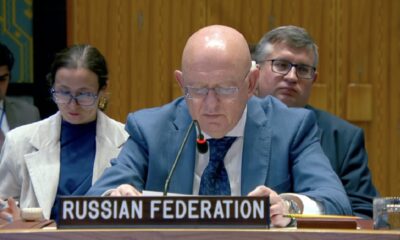
Russia urges dialogue and economic support for Afghanistan, warns against excessive pressure
-

 Latest News5 days ago
Five years out of school: Amnesty raises alarm over Afghan girls’ education
-
 Latest News4 days ago
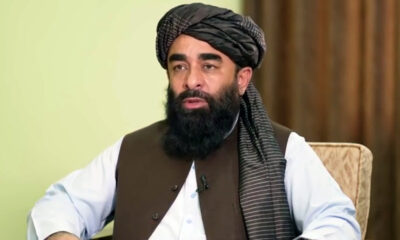
Afghanistan seeks stronger ties with Saudi Arabia, dialogue with Pakistan: Mujahid
-
 Regional5 days ago
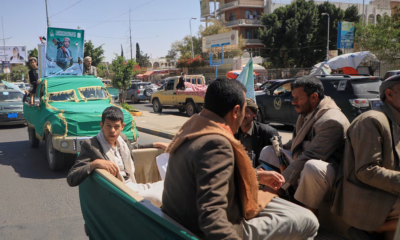
US officials met Iran-backed Houthis in Oman over the weekend
-
 Latest News5 days ago
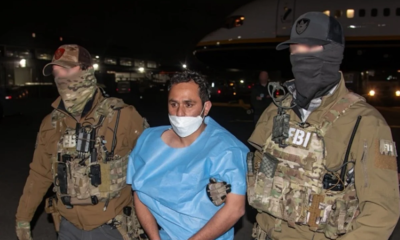
US sentences Afghan man to 20 year in case linked to 2021 Kabul airport bombing
-
 Latest News5 days ago
Top Qatari official meets Afghan interior minister in Kabul
-

 Latest News4 days ago
Afghan man in Germany kills wife and goes to police station
-
 Regional4 days ago
China presses Iran to help rein in Houthis after Saudi appeal