
Regional
Pakistan warns Iran to rein in Houthis as Riyadh strikes back
Pakistan’s warning to Iran carries significant weight because of its defence pact with Saudi Arabia and Turkey.

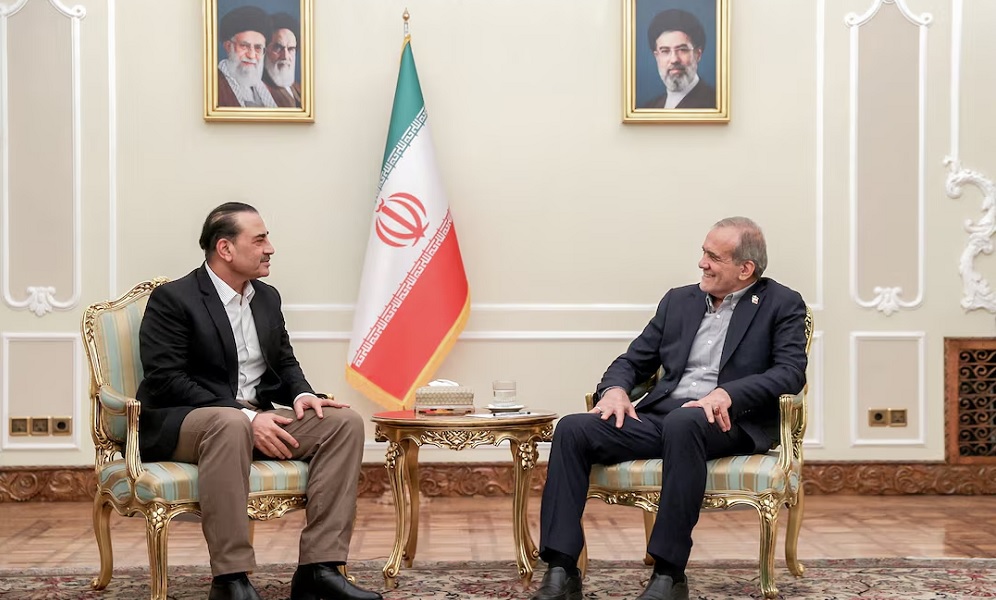
Pakistan has delivered a Saudi warning to Iran to rein in its Yemeni Houthi allies after they stepped up attacks on the kingdom, in a coordinated effort to prevent the crisis from spiralling, Reuters reported, citing Saudi, Pakistani and Iranian sources.
The Houthis struck an airbase in Khamis Mushait and oil infrastructure in nearby cities on Tuesday, wounding 73 people, in one of the biggest attacks on Saudi Arabia since the start of the U.S.-Israeli war on Iran in February.
Houthi military spokesman Yahya Saree said on Wednesday that Saudi warplanes carried out 54 airstrikes across various Yemeni provinces over the past 12 hours, adding that they would “not go unanswered and unpunished”.
The escalating conflict, which represents a second theatre of war to threaten global energy supplies, comes as Iran and the United States wage their biggest declared wave of tit-for-tat attacks on shipping in the Gulf region since their war began.
Pakistan’s warning to Iran carries significant weight because of its defence pact with Saudi Arabia and Turkey.
While officials in Islamabad stressed any military role would be confined to defending Saudi territory, Pakistani Defence Minister Khawaja Asif said attacks spilling into the kingdom could trigger a joint security arrangement involving Riyadh, Ankara and Islamabad.
“An aggression on one country will be considered an aggression on all three countries,” Asif said on Pakistani TV.
“There is no ambiguity or doubt… Unprovoked aggression or spillover… into Saudi Arabia will definitely make this agreement operational.”
The Pakistani defence ministry, foreign ministry and the military did not respond to a Reuters request for comment.
FEARS OF PROXY WAR TURNING INTO WIDER REGIONAL CRISIS
Pakistan’s intervention, after years of balancing ties with Saudi Arabia and Iran, has underscored the seriousness of the Houthi attacks. The message to Tehran is clear: rein in the Houthis or risk turning a proxy conflict into a broader regional security crisis, the sources said.
A senior regional diplomat said Pakistan had conveyed the message to Iran over the past 24 hours, urging Tehran to use its influence to halt Houthi attacks on Saudi Arabia.
A senior Iranian official confirmed that Pakistan conveyed the message to Tehran on Tuesday and Tehran’s response was that “Iran does not control the Houthis”.
However, two Iranian sources said Tehran had told the Houthis last week to carry out attacks on Saudi Arabia. Tehran promised additional funding and weapons, they said, while several Islamic Revolutionary Guard Corps commanders had travelled to Yemen to help coordinate the attacks.
The regional diplomat said Islamabad was seeking to restrain the Houthis before the escalation reached a point where Riyadh could press Pakistan to play a more active role in defending it.
“Pakistan has an agreement with Saudi Arabia, but I am hopeful the situation will not reach the point where Pakistan has to practically step in,” the diplomat told Reuters. “It will pursue a diplomatic solution for now.”
PAKISTANI SUPPORT FOR SAUDIS
The Pakistani source said Saudi officials had met senior Pakistani and Turkish military representatives in Riyadh to coordinate their response. The three countries agreed that their troops would not enter Yemen and that any response would be launched from Saudi territory, the source added.
A second Pakistani source said no decision had been made to join retaliatory strikes, stressing that its military pact with Riyadh was defensive and limited to protecting Saudi territory. Pakistani forces could provide military, technical, ground or air support within Saudi Arabia, but would not take part in combat operations on foreign soil, the source said.
The pressure campaign waged by Iran and the Houthis could have the opposite effect to that intended by Tehran, the regional diplomat said.
By targeting Gulf security in a bid to pressure Washington over its blockade of Iranian ports, Tehran risks driving Saudi Arabia, Pakistan, Turkey and other U.S.-aligned states into closer security coordination rather than fracturing their ties.
TRUMP’S BLOCKADE OF IRAN SET TO CONTINUE
Regional officials also see little sign that Washington is prepared to relent.
President Donald Trump appears committed to maintaining the U.S. blockade until Iran reaches an agreement with Washington, the diplomat said, while Qatar is quietly exploring new proposals aimed at bringing both sides back to negotiations.
Another regional source said Saudi Arabia’s military response would remain focused on the Houthis rather than Iran itself. Nor do Saudi officials believe Houthi attacks will achieve Tehran’s broader objective of ending the U.S. blockade.
Riyadh is not expected to press Washington to lift the blockade, that source said, stressing that Trump believes sustained economic coercion is the most effective pathway to negotiations.
“The question is how much pain Iran can absorb, and for how long,” the source said. “Trump does not want a military solution. He wants to squeeze them through the blockade.”

Regional
Officials from Mecca pact countries to meet Iranian officials in Tehran
Pakistan’s military media wing and Turkey’s Foreign Ministry did not immediately respond to requests for comment.
Top officials from Mecca Pact countries Saudi Arabia, Turkey and Pakistan are to meet Iran’s leaders in Tehran on Monday in their first high-level contact since the kingdom became a pressure point in the wider Iran conflict, Reuters reported.
Saudi Arabia will be represented by Defence Minister Prince Khalid bin Salman, Pakistan by army chief Field Marshal Asim Munir, and Turkey by intelligence chief Ibrahim Kalin, Saudi and Iranian officials said.
Attacks by Yemen’s Iran-aligned Houthis have spiralled in recent weeks and rhetoric between Washington and Tehran has grown more heated. Both countries have also drawn up plans to restart the wider war, possibly after the US midterm elections on November 3.
Monday’s planned talks will be the first high-level contact between Iran and all members of the three-nation bloc since Saudi Arabia was drawn deeper into the conflict. Under the Mecca Joint Defence Agreement signed in August, an armed attack on one member is considered an attack on all.
Iranian Foreign Ministry spokesperson Esmaeil Baghaei said on Monday discussions on regional security would include “Israel’s expansionist policies, developments in the Palestinian territories and Lebanon, and the repercussions of US and Israeli military action against Iran.”
Baghaei said the meeting, proposed during a visit by Munir to Tehran last week, could be a first step towards establishing regional security mechanisms based on the interests of countries in the region.
Qatari mediators met Iranian officials in Tehran on Sunday in a push to de-escalate regional tensions, Reuters reported. Qatar has, for months, played a mediating role between Tehran and Washington.
A senior Iranian official said the meeting was initiated by Pakistan, during Munir’s visit to Tehran, as he met Iranian President Masoud Pezeshkian and other senior officials. During the visit, Iranian officials told him there would be no talks with Washington until Tehran’s demands were met, according to Iranian media.
Earlier mediation efforts involving both Pakistan and Qatar helped produce an interim peace agreement in June, but the deal quickly unravelled as fighting between Iran and the United States resumed weeks later.
The deputy secretary of Iran’s top security body, Ali Baqeri-Kani, told state TV that Saudi Defence Minister Prince Khalid, Pakistan’s Munir and Turkish intelligence chief Ibrahim Kalin would visit Tehran for consultations with Iran’s Supreme National Security Council on regional security.
Saudi Deputy Minister for Public Diplomacy Rayed Krimly said the meeting is part of ongoing efforts by the Mecca Pact countries to de-escalate the current crisis, promote diplomatic solutions, and support mediation efforts led by Qatar and Pakistan.”The visit also underscores the pivotal role of the Mecca Pact states in fostering regional security and stability, and their commitment to working with all nations in the region toward achieving this goal,” Krimly posted on X.
Pakistan’s military media wing and Turkey’s Foreign Ministry did not immediately respond to requests for comment.
Saudi Arabia intercepted another wave of missiles and drones on Sunday as fighting with the Houthis continued unabated.
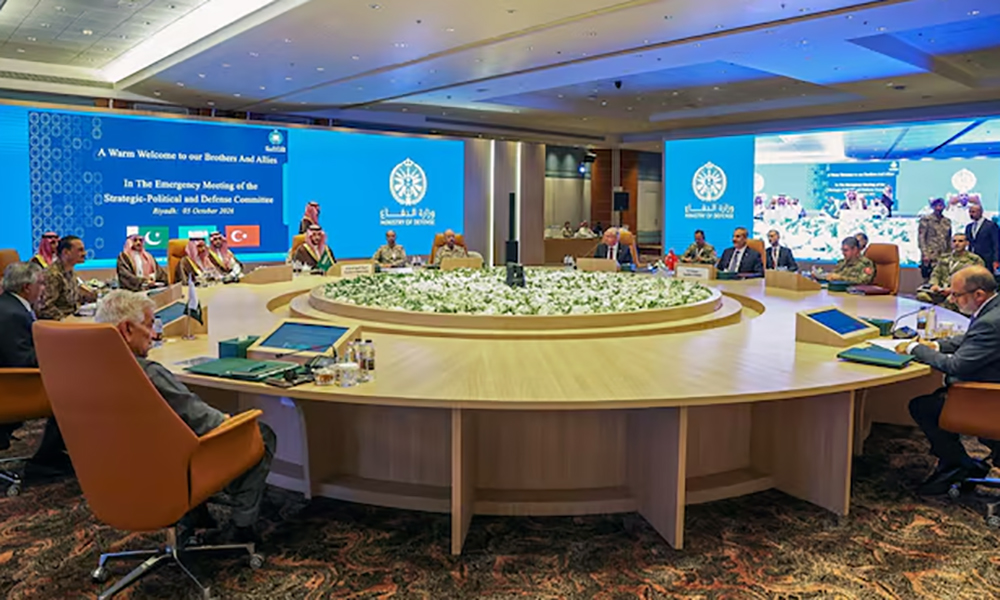
Ministers from the Mecca Pact countries held an emergency meeting in Riyadh earlier this month and agreed to ensure the “rapid deployment” of military forces and capabilities in Saudi Arabia.
The Houthi attacks have become an increasingly destabilising element in the US-Israeli conflict with Iran, turning US ally Saudi Arabia into a pressure point in the wider war.
Tensions between Washington and Tehran have sharpened in recent days. President Donald Trump said on Friday the US may carry out another military operation against Iran and Iran’s leaders have said that a renewed US military campaign would be met with a stronger response than before.
Iranian security officials have told Reuters that Tehran has drawn up detailed plans to hit Gulf undersea cables if the United States and Israel attack again. A US intelligence memo this week warned that Iranian plots against American personnel had reached “advanced stages”.
The war, now nearly eight months old, has weighed on President Donald Trump’s approval ratings ahead of the midterms.
The Mecca agreement’s first article says the parties shall use “all necessary means” to eliminate threats to one another’s territorial integrity, sovereignty or internationally recognised borders, according to a text seen by Reuters.
Efforts by Turkey’s parliament to ratify the agreement began last week and are still underway, while Pakistan approved the pact last week.
Regional
Iran tells Pakistan army chief no talks with Washington until demands are met
The demands include ending a US blockade on its ports, the lifting of sanctions on its oil exports as well as ending hostilities on all regional fronts.
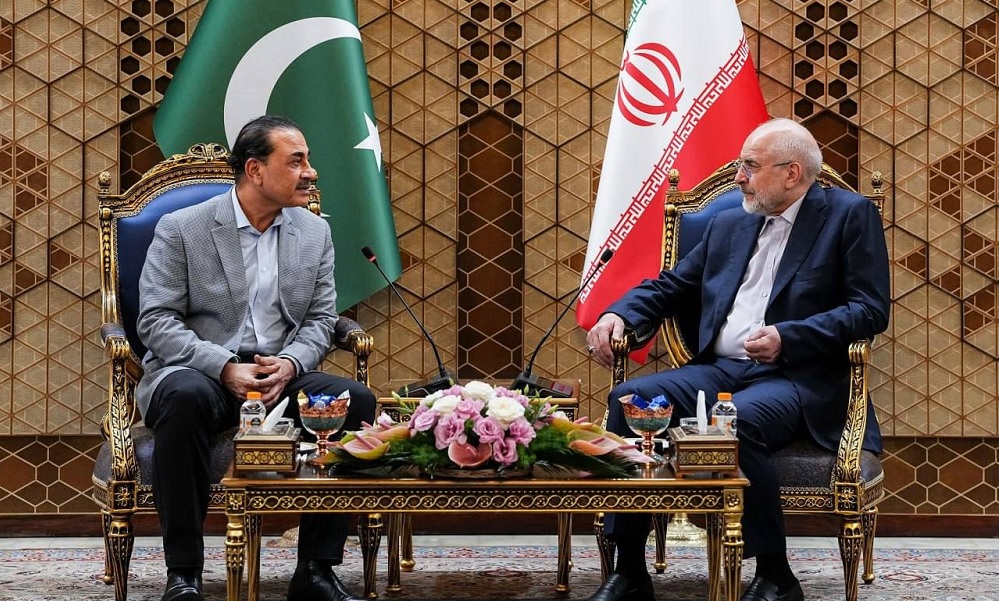
Iran told Pakistan’s army chief on Tuesday that there would be no talks with Washington until Tehran’s demands were met, Iranian media reported, underscoring its hardening stance despite mediation efforts by key interlocutor Pakistan.
President Masoud Pezeshkian discussed mediation efforts and regional developments with Field Marshal Asim Munir in Tehran, according to Nournews.
Pakistan is a key intermediary between the United States and Iran. Earlier mediation efforts helped produce an interim peace agreement in June, but the Islamabad Memorandum quickly unravelled as fighting between Iran and the US resumed weeks after.
Munir also met Iranian parliament speaker Mohammad Baqer Qalibaf, who said Washington could not regain Tehran’s trust until it fulfilled seven conditions Iran set last month for reopening the Strait of Hormuz, according to an Iranian readout of the meeting.
The demands include ending a US blockade on its ports, the lifting of sanctions on its oil exports as well as ending hostilities on all regional fronts.
Iran’s security chief, Mohsen Rezaei, delivered a similar message during a separate meeting with Munir, saying there would be no talks with Washington until Tehran’s demands were met, according to Iranian media.
Rezaei also said all enriched nuclear materials would remain in Iran, reiterating Supreme Leader Ayatollah Mojtaba Khamenei’s position that near-weapons-grade uranium should not be shipped abroad.
US Vice President JD Vance said earlier this month that Iran must make a “meaningful” reduction in its uranium enrichment capacity to satisfy US demands and end the countries’ eight-month-old war.
Israel, the United States and other Western states have long accused Iran of seeking nuclear weapons, including pointing to its move to enrich uranium to 60%, far higher than needed for civilian uses and closer to the 90% needed for a weapon.
Iran denies seeking nuclear weapons.
Regional
Rubio heads to Central Asia while other US officials hit foreign policy hot spots
US officials have portrayed resource-rich Central Asia — the region between China, Russia and Iran — as worthy of more attention than it received from US President Donald Trump’s predecessors.
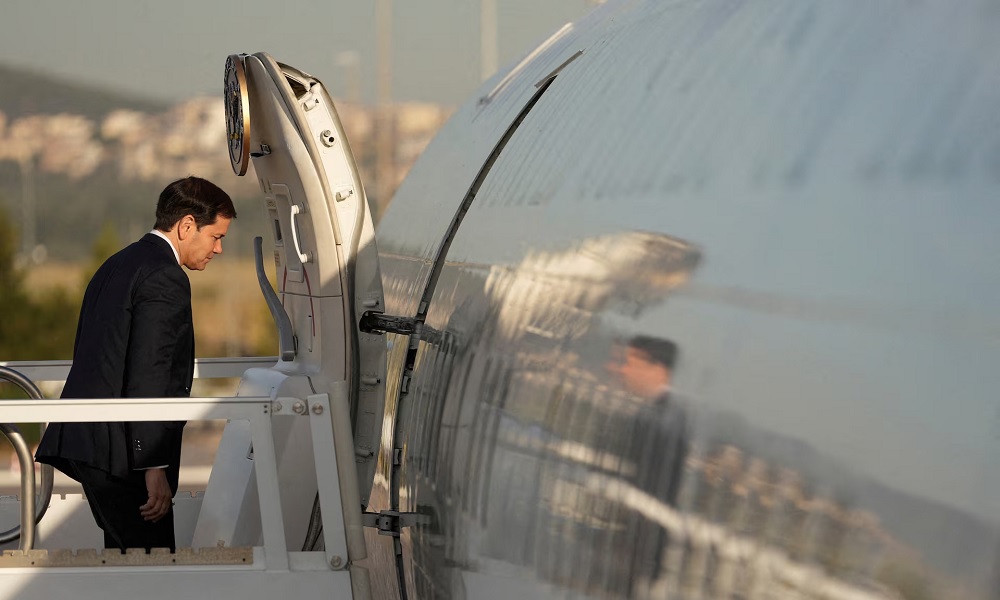
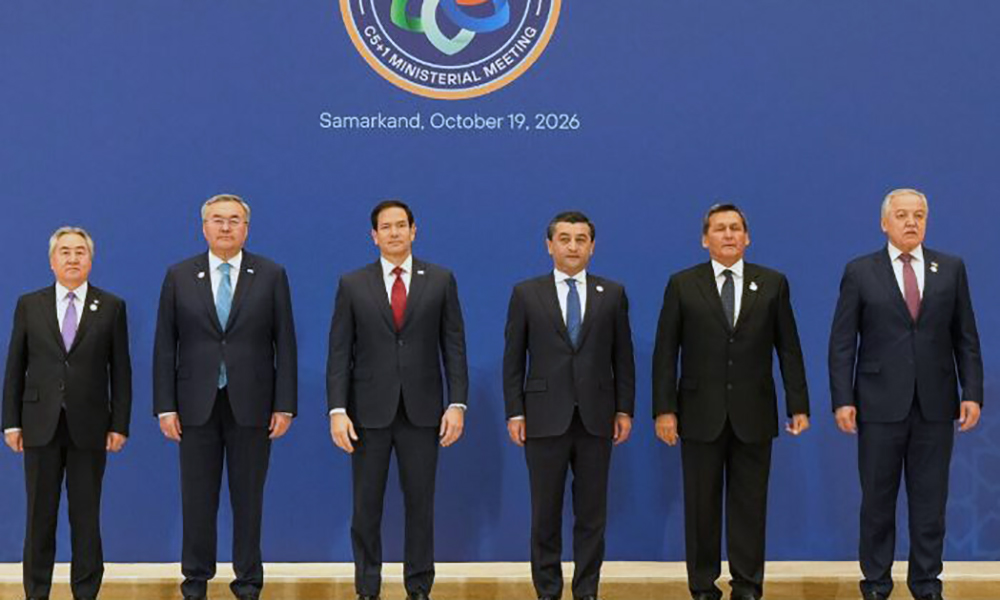
While the Iran war smolders, Saudi Arabia fights the Houthis and a new rift opens in US-Ukraine relations, Secretary of State Marco Rubio travels on Sunday to Uzbekistan, a nation far removed from the biggest US foreign policy challenges.
The top US diplomat is scheduled to land in Samarkand on Sunday to meet with leaders from the C5+1, a grouping that brings together the United States and the Muslim-majority post-Soviet states of Uzbekistan, Kazakhstan, Kyrgyzstan, Tajikistan and Turkmenistan.
US officials have portrayed resource-rich Central Asia — the region between China, Russia and Iran — as worthy of more attention than it received from US President Donald Trump’s predecessors.
Trump hosted C5 leaders at the White House last November, when Kazakhstan agreed to join the Abraham Accords, a series of agreements under which Muslim-majority countries have normalized or deepened relations with Israel. Separately, Trump met with Uzbek President Shavkat Mirziyoyev at the United Nations General Assembly last September.
Regional politics aside, the trip fits an emerging pattern in which Rubio often visits regions not at the center of the news cycle, while leaving some more fraught foreign-policy portfolios to other Trump aides, including special envoys Steve Witkoff and Jared Kushner and Vice President JD Vance.
For instance, Rubio has not visited Kyiv or Moscow since becoming secretary of state. He was not present for talks between US and Ukrainian officials in Florida earlier this month, when US officials pressed Ukraine to stop hitting Russian refineries. Vance, not Rubio, represented the US in Pakistan during peace talks with Iran in April.
Rubio’s previous foreign trip, in early October, took him to Greece, Portugal and Iceland.
Trump administration officials have typically rejected any suggestion that cabinet-level officials should focus their travels on geopolitical capitals and hot spots.
Deputy Secretary of State Christopher Landau, for instance, said on X last week that the idea only certain destinations were worthy of visits from secretaries of state “perfectly encapsulates the decadence and degeneracy of the contemporary US foreign policy establishment.”
US-RUSSIA RELATIONS LOOM
One Central Asian diplomat, speaking on the condition of anonymity, said officials in the region are wondering to what extent the US will continue targeting Russian sanctions evasion. All C5 states, while drawing closer to the US, have deep historical ties with Moscow, and the region has facilitated Russian imports and exports that violate US and European Union sanctions, Western officials say.
In the past, the US has pushed regional states to clamp down on those illicit flows.
But Trump struck a deal with Moscow this month to import Russian diesel, a move to lower domestic fuel prices before the congressional midterm elections. On Friday, Trump waived all provisions of legislation that would have allowed him to slap massive tariffs on some nations that buy significant amounts of Russian crude or otherwise help Moscow evade sanctions. Among the nations that could have been affected, experts have said, are India and Kazakhstan.
India, which Rubio will visit after Uzbekistan, remains the world’s No. 2 Russian crude importer after China, despite Trump saying in February that India had agreed to stop buying oil from Russia.
Additional questions hang over a potential trade deal with India and an expansion of the Abraham Accords in Central Asia.
A US official, speaking on the condition of anonymity, described the trade deal on Friday as “pretty much done,” raising the possibility that an agreement could be announced during the Rubio trip.
Separately, the US has talked to additional Central Asian nations about joining the Abraham Accords, Reuters reported last year, conversations that could in theory continue in Samarkand.
More than 200 business executives will accompany Rubio to Uzbekistan, the State Department said. The Central Asian diplomat said the Trump administration has focused its commercial efforts on expanding access to the area’s rare earth mineral resources.
The trip to Uzbekistan was largely organized by Sergio Gor, the US ambassador to India, the Central Asian diplomat said. Gor, who was born in Uzbekistan and is a friend of Rubio, also serves as the US special envoy for South and Central Asian affairs.
After Uzbekistan, Rubio will visit the Indian cities of Mumbai and Jamnagar to meet with business leaders, including Reliance Industries Chairman Mukesh Ambani, who earned the Trump administration’s favor earlier in the year by backing a new refinery in Texas. Rubio most recently visited India five months ago.
The trip is due to wrap up on Thursday.


WFP report notes high food and fuel costs continue to pressure Afghan households
Afghanistan signs AFN 1 billion water supply deal to benefit 50,000 Kabul families
Houthis say they attacked Saudi oil pumping stations, Riyadh airport as fighting intensifies

UNDP launches second phase of economic recovery programme in five Afghan provinces
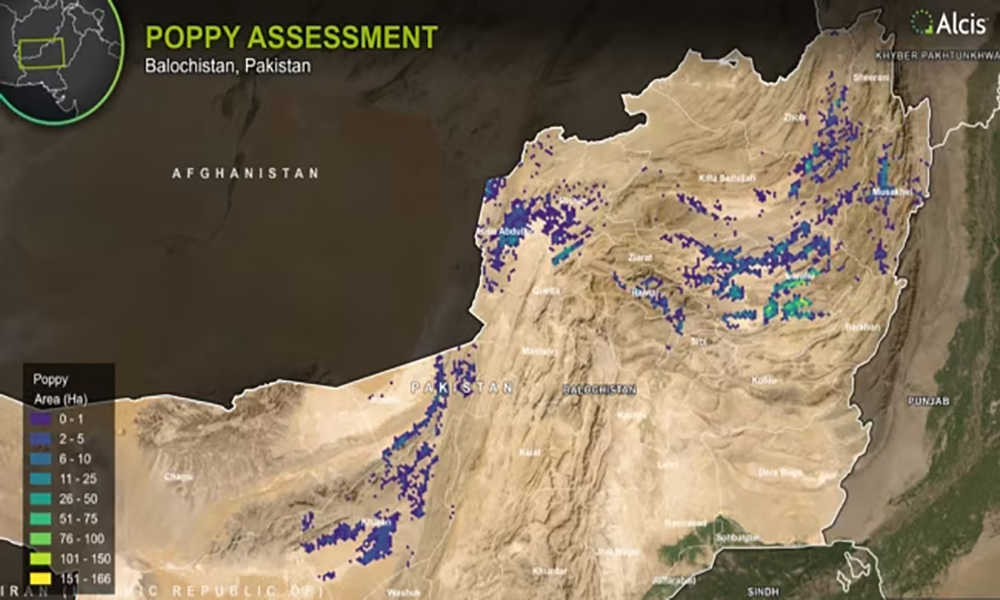
Afghanistan opium ban shifts cultivation to Pakistan and Iran, experts warn

Cricket Bonanza: Afghanistan set for packed international schedule

Afghanistan on climate front line as Kabul faces groundwater warning

Afghanistan says 28 killed, 32 captured in Nuristan operation

ACB announces Afghanistan squads for Bangladesh, Zimbabwe series

Trump rejects Iranian proposal to open Hormuz and end fighting
Tahawol: Ukraine war and ongoing peace efforts
Saar: Obama’s remarks on Iran war
Tahawol: UN’s role in tackling global crises discsused
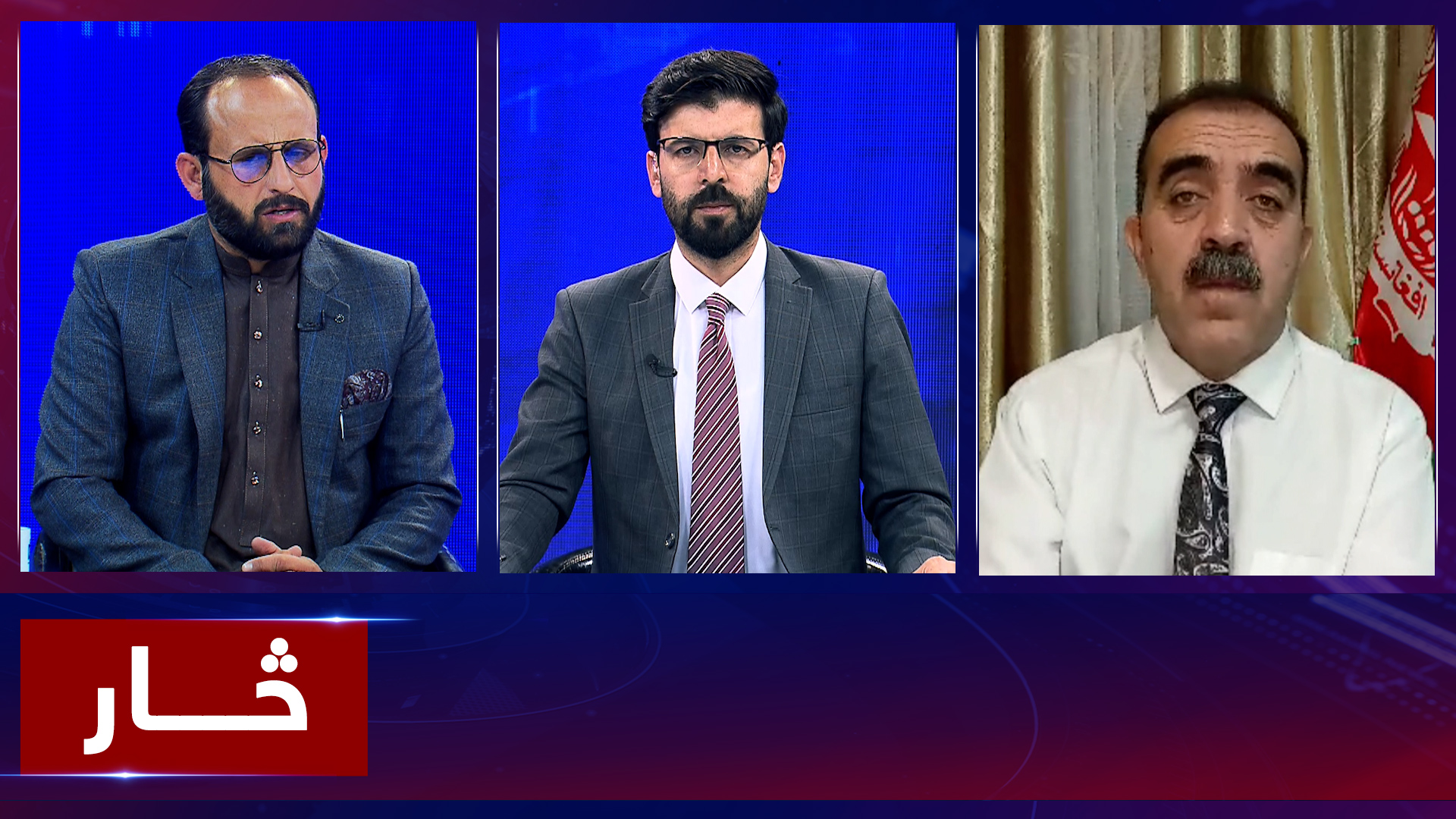
Saar: Pakistan’s blame on Kabul for its own failures discussed
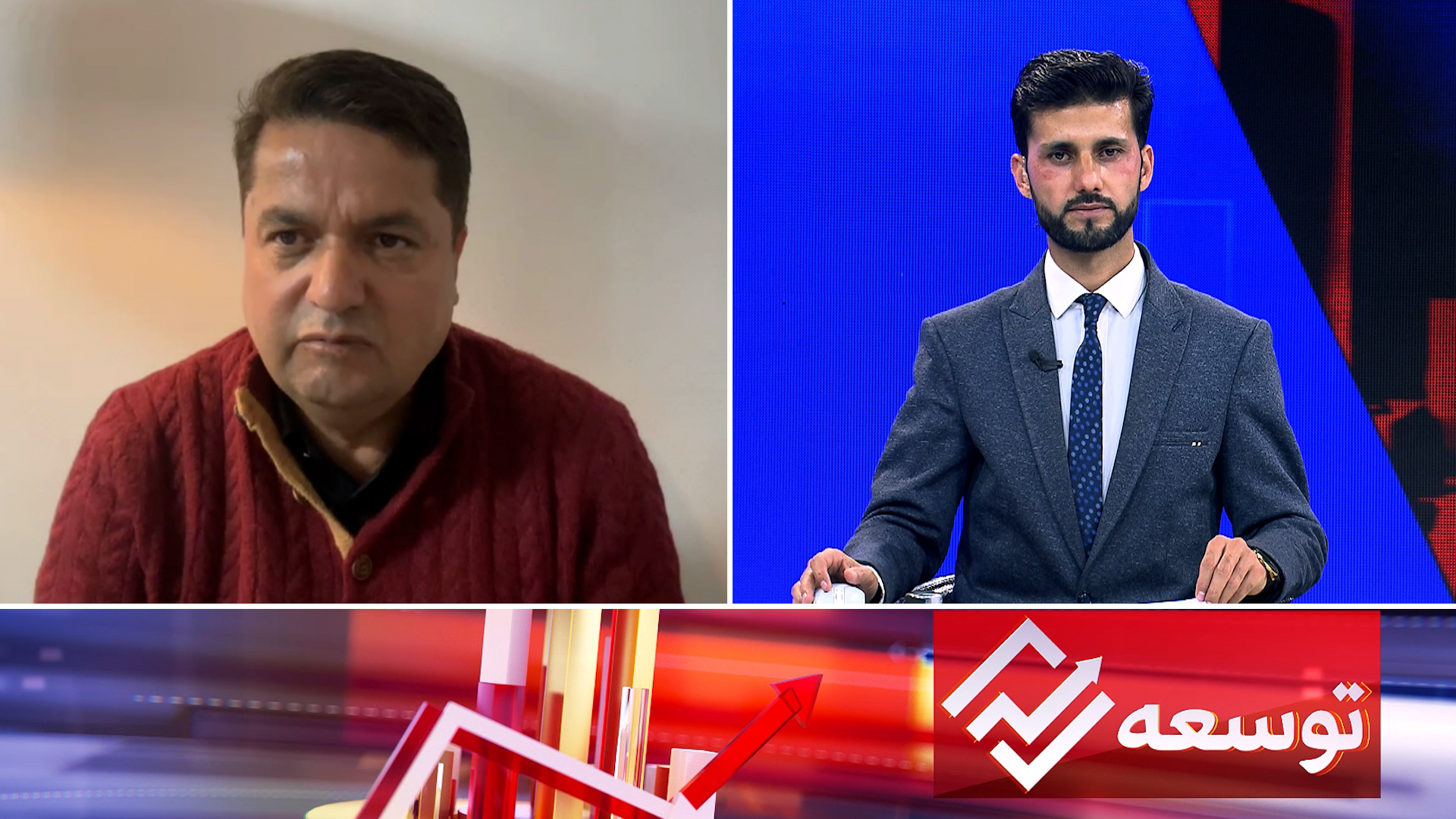
Tawsia: New opportunities in Afghanistan’s energy, trade and agriculture sectors discussed
-
 Latest News4 days ago
Afghanistan’s new Wakhan road to China faces major hurdles
-

 Science & Technology4 days ago
Governments take websites offline as critical cyber flaws trigger global alert
-
 Latest News4 days ago
CSTO to supply Tajikistan with weapons to strengthen Afghan border
-
 Latest News4 days ago
Russia to expand security and defence cooperation with Afghanistan
-
 Business3 days ago
Pakistan exporters suffer billions in losses as Afghanistan trade halt continues
-
 Latest News2 days ago
US Central Asia strategy faces challenges linked to Afghanistan’s political and security situation
-

 Business3 days ago
IMF forecasts 1.3 percent regional economic contraction in 2026
-
 Sport2 days ago
Afghanistan defeat Zimbabwe to win Tri-Series ahead of 2027 Cricket World Cup