
Latest News
Ten years of Afghan economic growth, reversed in just 12 months: UNDP

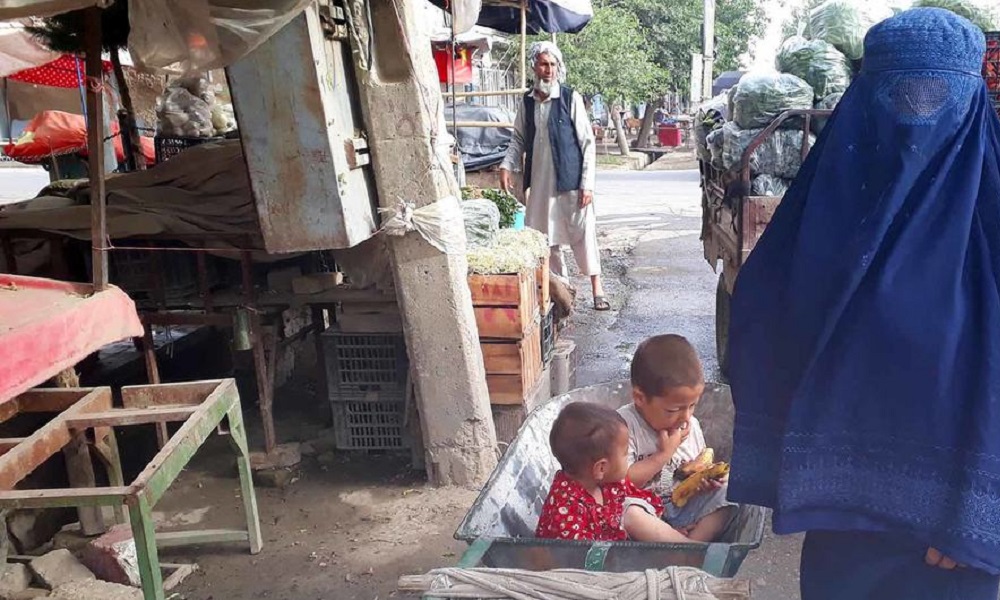
A year on from the Islamic Emirate of Afghanistan takeover in Kabul, Afghanistan is gripped by “cascading crises”, including a crippled economy that humanitarian aid alone cannot address, according to a new report from the UN Development Programme (UNDP) on Wednesday.
The United Nations Development Programme (UNDP) has recently said that the Afghan economy has suffered a catastrophic fall in the last year, projecting that up to 97 percent of the population may be at risk of sinking below the poverty line by next year, unless a response to the country’s political and economic crises is urgently launched.
Kanni Wignaraja, the director of UNDP for Asia-Pacific said Wednesday that in less than a year, Afghanistan’s 10-year economic gains have been lost.
UNDP report said that the already-declining regular economy, as opposed to the black market, lost nearly $5 billion after August 2021 and is reversing “in 12 months what had taken 10 years to accumulate.”
Wignaraja has added that one in five children is at risk of acute malnutrition, especially in southern Afghanistan.
However, IEA’s Ministry of Economy said that if the world wanted Afghanistan to get out of the bad economic situation, it should cooperate with Afghanistan in establishing economic infrastructure.
Based on the UN report, by the middle of 2022 in Afghanistan, nearly 700,000 jobs, which were mostly occupied by women, have vanished.
“Nearly 700,000 jobs have vanished, said UNDP, further threatening a population reeling from impacts of the COVID-19 pandemic, conflict, drought, and war in Ukraine.”
“The Afghan people have been relentlessly subjected to extremely difficult circumstances. They have survived numerous challenges in the last 40 years and shown enormous resilience”, the report added.
Although the Islamic Emirate has not reacted to this UN report so far, it had previously called the statistics provided by international relief organizations far from reality.






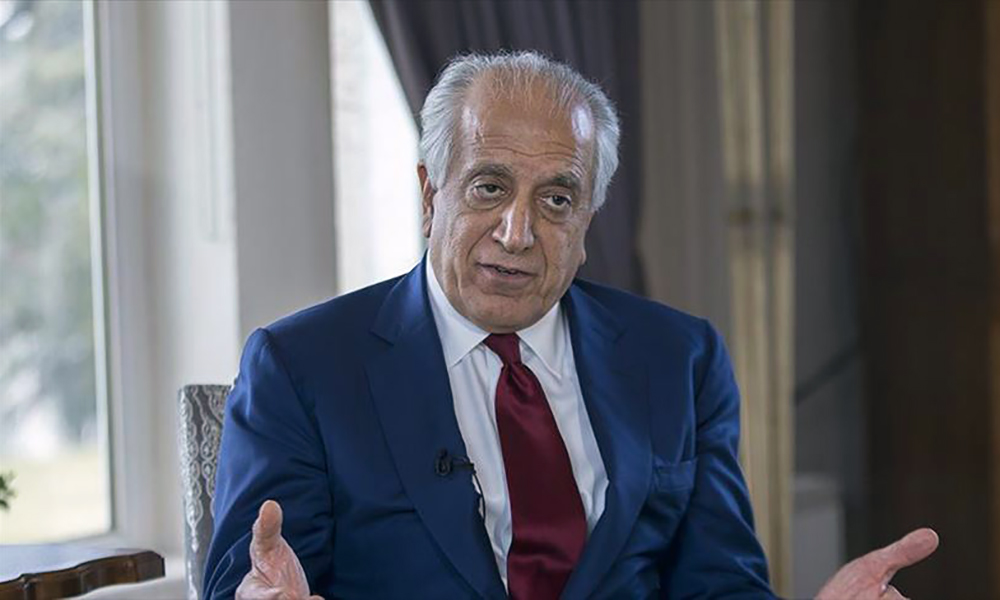
Former U.S. special representative for Afghanistan reconciliation Zalmay Khalilzad has warned that the latest Pakistani airstrikes in Afghanistan and recent violence inside Pakistan are part of a wider crisis, saying he sees no indication that the situation is about to change.
In a post on X on Thursday, Khalilzad described the Pakistani airstrikes that have killed Afghan civilians and the increasing use of force against civilians in Pakistan as “interconnected tragedies,” implying both effected by Pakistan’s establishment.
“Unfortunately, I do not see any signs of change,” Khalilzad said, adding that current indicators suggested the use of force against Pakistanis would “likely get worse” in the coming days.
His comments came after Pakistan carried out a new wave of airstrikes inside Afghanistan overnight Thursday, saying it had targeted 10 locations used to launch and store drones.
Pakistani Information Minister Attaullah Tarar said the strikes were conducted in response to drones launched from Afghan territory a day earlier and described them as “deliberate, precise, calibrated and proportionate.”
Afghan officials said the strikes killed four civilians. The attacks reportedly hit locations including Kandahar, Khost and Paktia provinces. Afghanistan’s Islamic Emirate authorities have denied launching the drones cited by Pakistan and have condemned the strikes.
The latest attacks follow Pakistani airstrikes earlier this week in Kunar and Paktika. Pakistan said those operations killed 28 militants, while the United Nations confirmed that three Afghan civilians — a man, a woman and a girl — were killed, with four others injured.
The renewed airstrikes come amid a sharp deterioration in relations between Kabul and Islamabad. Pakistan has accused Afghanistan of allowing militant groups, including the Tehreek-e-Taliban Pakistan (TTP), to operate from its territory and launch attacks inside Pakistan.
Afghan authorities reject the allegations and say militancy inside Pakistan is an internal issue.
Khalilzad has previously called for a change in Pakistan’s strategy toward both its internal security problems and Afghanistan.
Afghanistan’s Ministry of Foreign Affairs summoned Pakistan’s chargé d’affaires to Kabul and lodged a strong protest against the violation of Afghan airspace and Pakistani military airstrikes on several Afghan provinces.
The ministry handed the Pakistani diplomat a formal protest note following the attacks on Kandahar, Paktia and Khost provinces on Wednesday night, which reportedly caused civilian casualties.
The Islamic Emirate strongly condemned the strikes, calling them a violation of Afghanistan’s sovereignty and territorial integrity and contrary to Islamic, international, humanitarian and good-neighborly principles.
The ministry also rejected what it called baseless claims that Afghan territory was being used as a source of Pakistan’s recent security incidents.
It said using such claims to justify military action was an attempt to distort facts, mislead public opinion and conceal Pakistan’s internal failures.
The Islamic Emirate further accused Pakistan’s military leadership of avoiding commitments made to regional countries and warned that such actions could further escalate tensions in the region.
Latest News
Museum dedicated to preserving ‘Jihadi’ artefacts opens in Kandahar
The museum’s collection includes more than 100 items gathered from different locations.
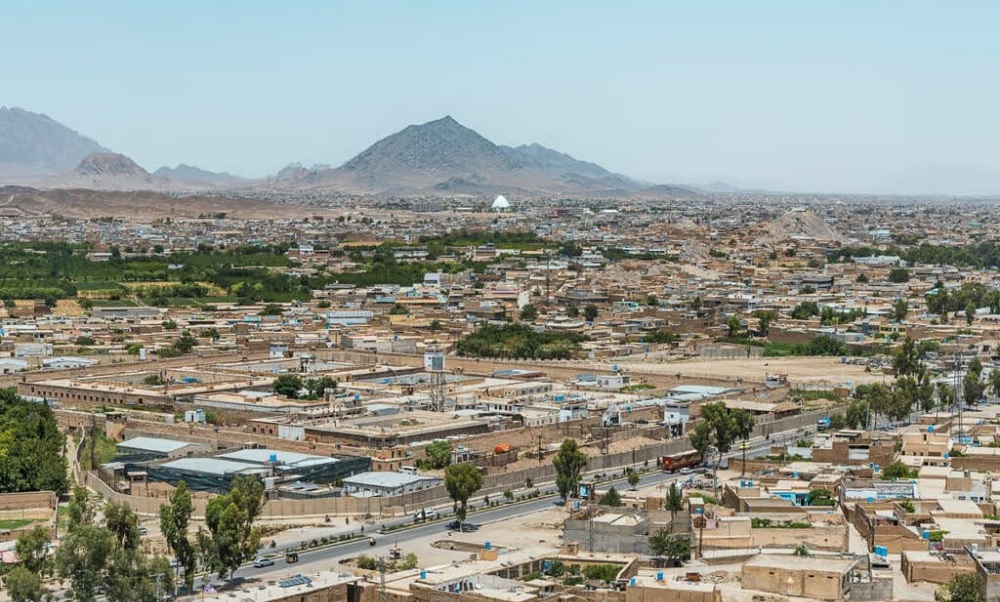
A museum dedicated to preserving what Afghan authorities describe as “Jihadi artefacts” has officially opened in Kandahar, with officials saying more than 100 items have so far been collected for display.
Mufti Mohammad Tahir Ahmad, Director General for the Preservation of Jihadi Artefacts at the Ministry of Information and Culture, attended the inauguration ceremony alongside Qari Ahmadullah Saeed Khosti, Director of Registration for Jihadi Artefacts and Documents.
Mufti Inamullah Samangani, head of the Kandahar Information and Culture Department, and officials from several government departments also attended the ceremony.
According to the official responsible for preserving the artefacts in Kandahar, the museum’s collection includes more than 100 items gathered from different locations.
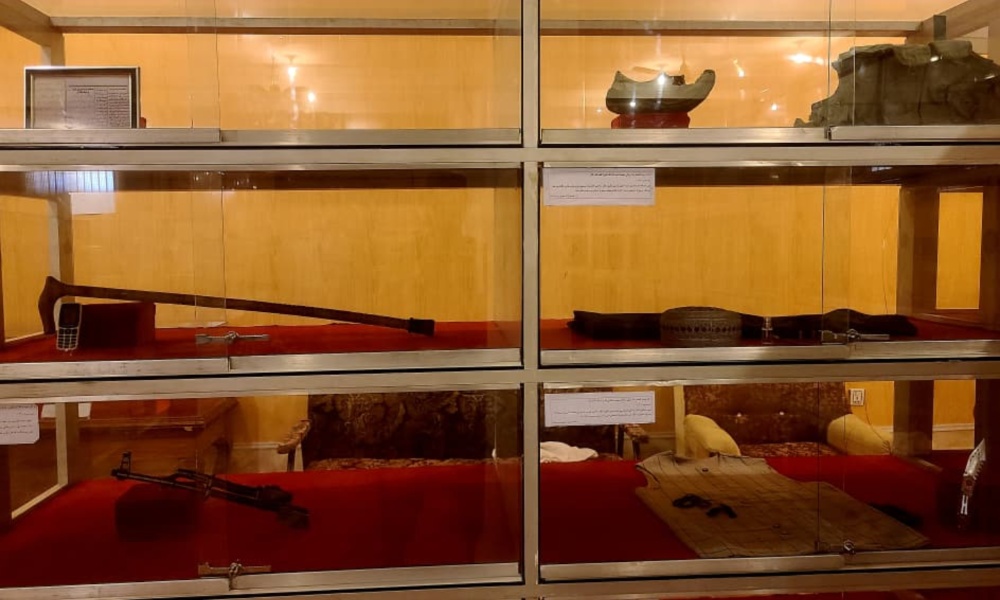
The collection includes weapons that officials say were captured from British, Soviet and US forces, as well as personal belongings and other items associated with people killed during Afghanistan’s conflicts over the past two decades.
Officials said efforts to collect additional artefacts would continue in order to expand the museum’s collection.
The museum is now open to visitors, according to the officials.


Toofan Herat beat Khurasan Faryab 2–1 in Afghanistan Champions League

Tahawol: Discussion on fresh Pakistani airstrikes on Afghanistan

Afghanistan Champions League: Ariana Khost beat Sarsabz Yashlar 2–1

Khalilzad warns Pakistan-Afghanistan tensions likely to worsen after fresh airstrikes

Saar: Calls for international support for Afghanistan discussed

Saudi energy group signs major Afghanistan deals covering gas exploration and pipeline plans

ATN secures exclusive rights to broadcast T20I series in India across Afghanistan

Trump floats idea of renaming Atlantic or Pacific Ocean

US hits Egyptian bank branches with Iran sanctions as war marks six months

Nepal flood rescue mission enters critical phase as thousands remain missing
Tahawol: Discussion on fresh Pakistani airstrikes on Afghanistan
Saar: Calls for international support for Afghanistan discussed

Tahawol: Opening of the 81st UN General Assembly Session

Saar: OIC Assessment of Afghanistan’s humanitarian and development situation discussed

Tahawol: Reactions to Pakistan’s attacks on Afghanistan discussed
-

 Sport3 days ago
Afghanistan to face Japan and Nepal in Asian Games cricket group stage
-
 Latest News4 days ago
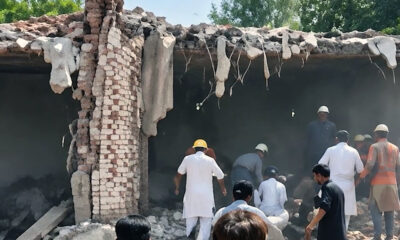
Pakistan says Kohat attackers had roots in Afghanistan
-
 Latest News5 days ago
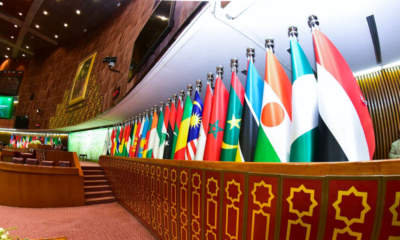
OIC to hold Afghanistan Contact Group meeting on sidelines of UN General Assembly
-
 Regional5 days ago
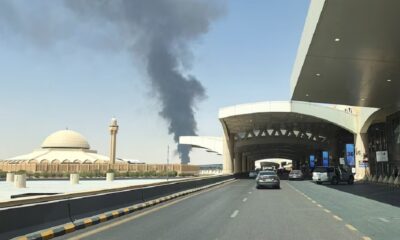
Flames, smoke seen near Riyadh airport; Houthis claim attacks on Saudi capital
-
 Regional4 days ago
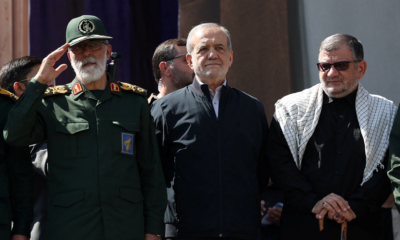
Iran and US trade threats after Houthi attacks escalate regional conflict
-
 Business4 days ago
Dogharoun handles 60% of Iran’s exports to Afghanistan
-

 World3 days ago
CNN, MS NOW and Politico sue Trump, challenging White House ban
-
 World5 days ago
World leaders return to UN amid wars in Middle East and Ukraine