
Business
US State Department confirms Afghan banknotes to be printed in Europe

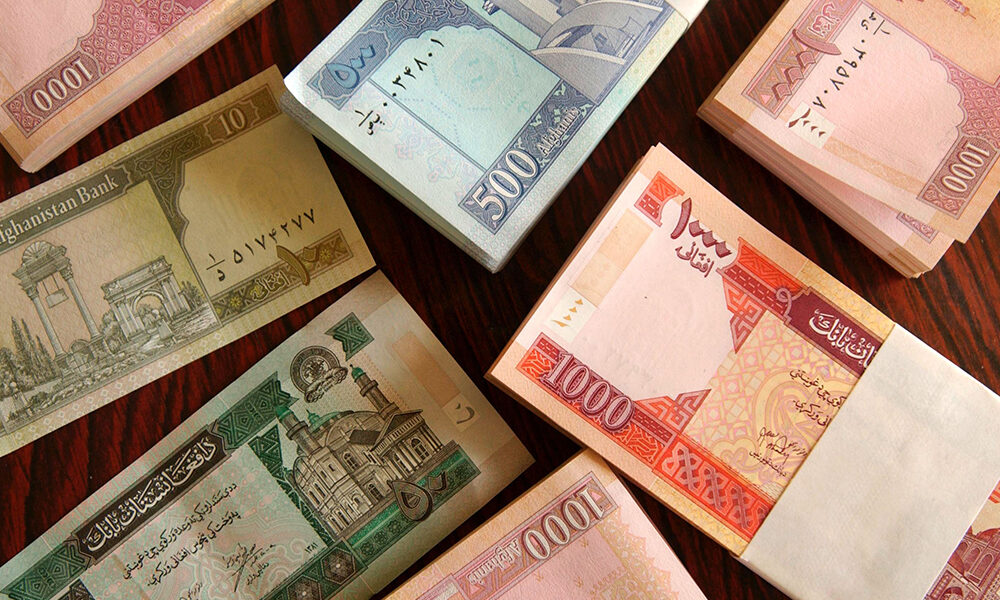
Cash-reliant Afghanistan is set to get new banknotes, that will be printed in Europe, as those in circulation crumble and disintegrate, the US State Department’s Spokesman Ned Price confirmed Wednesday.
Price said at a press conference in Washington that two transactions to pay to print Afghani banknotes has been facilitated by the US.
“These two transactions have been underway for several months now. Banks dealing with Afghanistan see any banking transactions originating from or going to Afghanistan as extremely high-risk,” he said.
‘The United States and our partners have been working hard with international banks to facilitate payment transfers from Afghanistan’s central bank to European printing companies where new banknotes would actually be produced.
“These companies will now prepare new afghanis, which will be used to replace worn-out banknotes. And this will address one of the aspects of Afghanistan’s ongoing liquidity crisis, consistent with U.S. efforts to support basic human needs and avoid an economic collapse,” he said.
He said the need for new banknotes was urgent and while “goods are available for sale, cash to purchase those goods is deteriorating, and the central bank with these transactions will be able to replace old and damaged banknotes.”
“And this will provide the Afghan people’s ability to purchase food and other necessary items. So it’s hugely important” he said. .
He added that this move is about the welfare and the well-being of the Afghan people. “They have suffered from the deterioration of these banknotes. Their largely cash-driven economy has been hamstrung by the lack of banknotes that are not crumbled or otherwise deteriorated.”
This comes after US Special Envoy for Afghanistan Thomas West announced a few days ago that the new banknotes would be printed.
No details as to where they will be printed have been given nor has anyone revealed when these notes will be put into circulation.

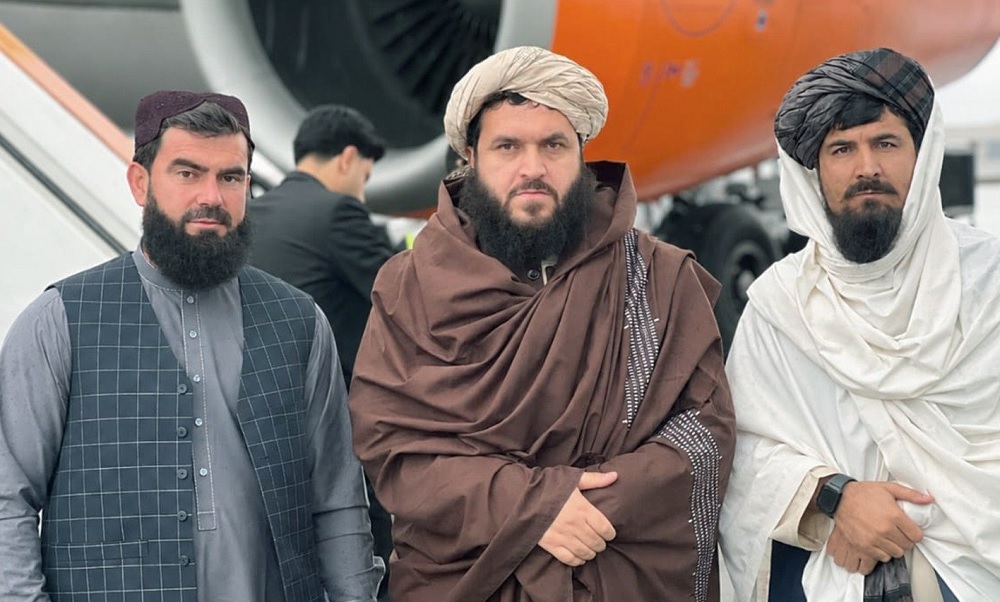
Afghanistan’s Deputy Minister of Industry and Commerce, Ahmadullah Zahid, has travelled to India to attend the India International Trade Fair (IITF) 2026 in New Delhi.
The ministry said Zahid is scheduled to meet senior Indian government officials, trade representatives and investors during the visit.
Discussions are expected to focus on expanding bilateral trade and economic relations, increasing trade between the two countries, exploring new markets for Afghan products and identifying opportunities for joint investment.
The ministry said the visit aims to strengthen trade cooperation, promote Afghanistan’s production and export potential, and create new opportunities for economic engagement between Kabul and New Delhi.
The 45th India International Trade Fair (IITF) 2026 takes place from November 13 to November 27 in New Delhi.
Business
Afghanistan hosts dialogue on Islamic microfinance to expand access to Sharia-compliant financial services
Participants also explored practical solutions and future steps to strengthen the sector, emphasizing the importance of cooperation, knowledge-sharing and better coordination among relevant institutions.
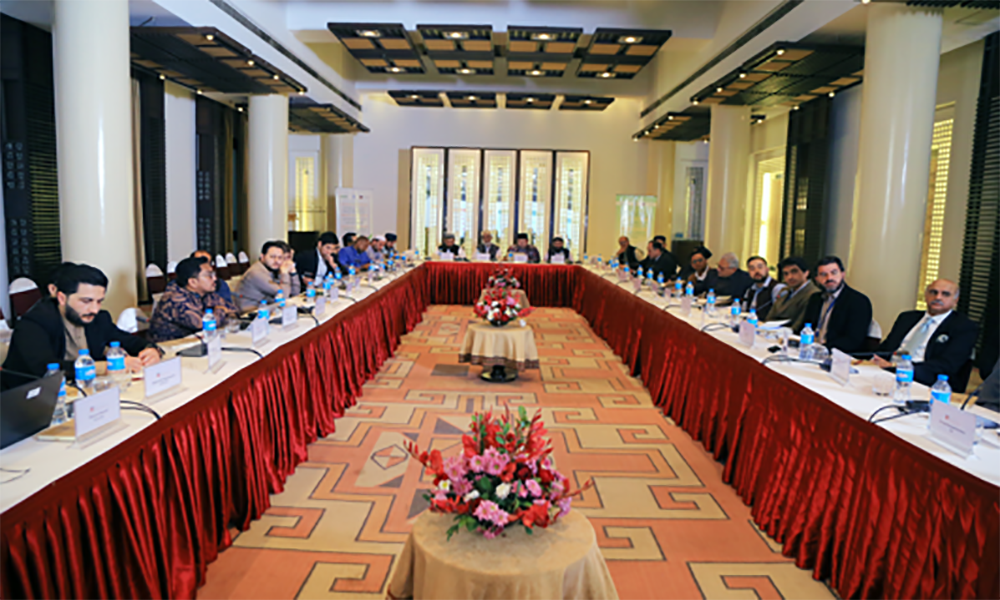
A dialogue on Islamic microfinance was held in Kabul on Wednesday, bringing together representatives of financial institutions, government authorities, international partners and Afghanistan’s microfinance sector to discuss ways of expanding inclusive financial services in the country.
The event was organized by The Liaison Office in coordination with the Afghanistan Microfinance Association (AMA), Da Afghanistan Bank (DAB) and the Indonesian Embassy in Kabul.
Participants discussed opportunities and challenges facing the development of Islamic microfinance services, with a focus on expanding access to financial products that comply with Islamic Sharia principles.
Representatives of AMA, Da Afghanistan Bank and the Indonesian Ambassador to Afghanistan delivered keynote remarks, highlighting the current situation of the microfinance sector, international experiences and opportunities for developing diverse Islamic financial products.
Two panel discussions focused on major challenges facing microfinance institutions, including structural barriers to growth, limited access to capital, funding and liquidity constraints, difficulties in securing guarantees, and the long-term sustainability of Islamic microfinance services.
Participants also explored practical solutions and future steps to strengthen the sector, emphasizing the importance of cooperation, knowledge-sharing and better coordination among relevant institutions.
The dialogue concluded with calls for stronger collaboration among financial institutions and development partners to improve access to inclusive, sustainable and Sharia-compliant financial services across Afghanistan.
Business
Iraqi intelligence report alleges oil smuggling network supplying Afghanistan and Turkey through Iran
The report highlights broader challenges facing regional authorities in combating illicit oil trade and enforcing international sanctions.
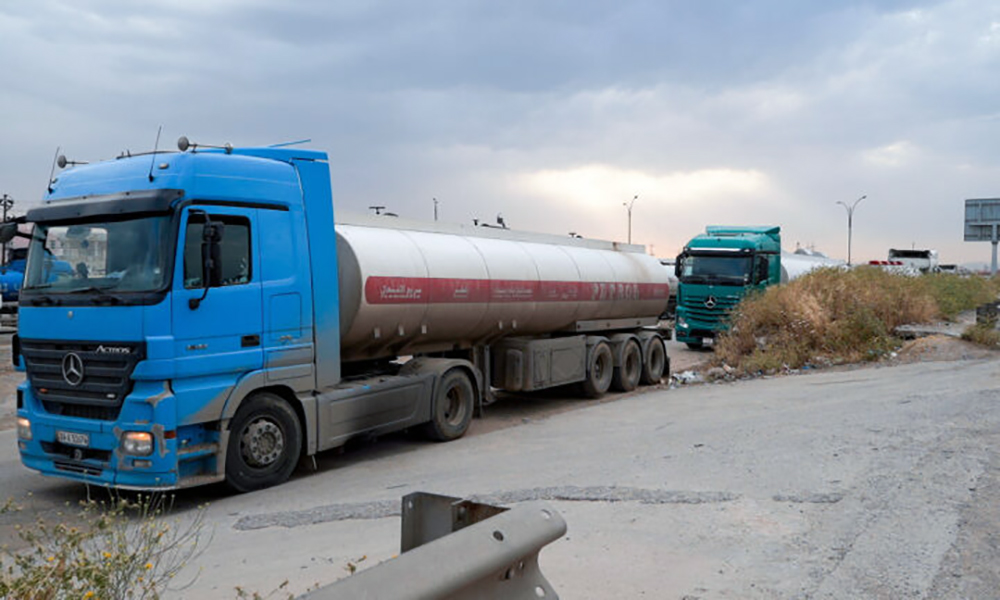
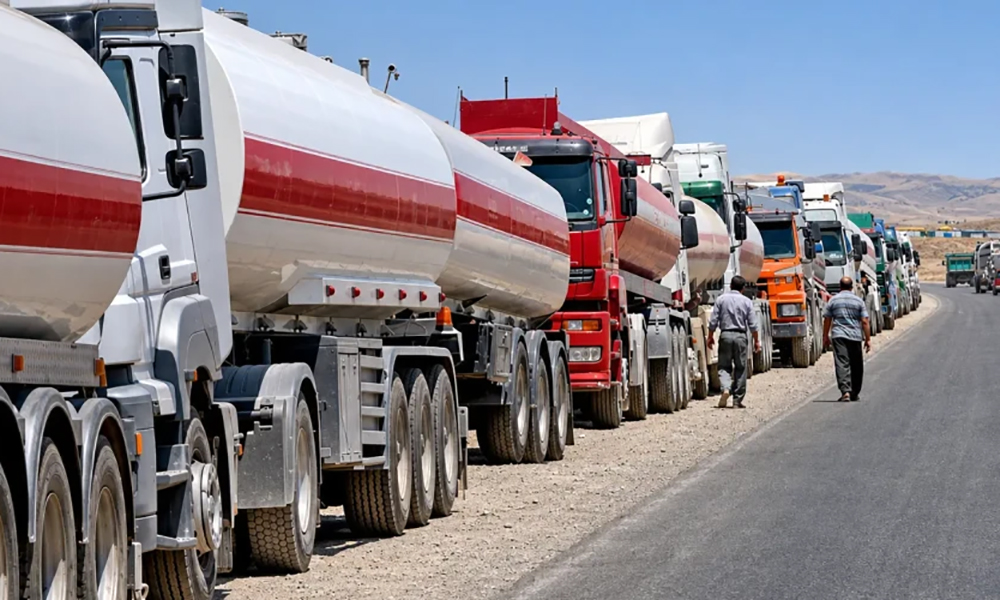
An Iraqi intelligence report obtained by Sky News Arabia has revealed alleged large-scale crude oil smuggling operations from northern Iraq into Iran, where the oil is reportedly refined and later sold in regional markets, including Afghanistan and Turkey.
According to the report, shipments of crude oil are transported through land routes and unofficial trade channels into Iranian territory, where they undergo refining and processing before being re-exported to foreign markets.
The intelligence findings suggest that the alleged network is designed to bypass international sanctions and facilitate the movement of petroleum products outside official trade and financial monitoring systems.
The report further indicates that smuggling networks rely on informal transportation routes and cross-border commercial channels to maintain the collection, processing and distribution of oil products while avoiding regulatory oversight.
The revelations have raised concerns over cross-border smuggling, the loss of national resources and the potential impact of illicit oil trade on regional economies.
Security and political observers say the reported activities could put additional pressure on Iraqi authorities to strengthen border controls, monitor oil transportation routes and improve coordination with regional and international partners.
However, the allegations outlined in the intelligence report have not been independently verified, and further details about the networks involved, the quantities of oil transported and the scale of supplies reaching Afghanistan and Turkey remain unclear.
The report highlights broader challenges facing regional authorities in combating illicit oil trade and enforcing international sanctions.

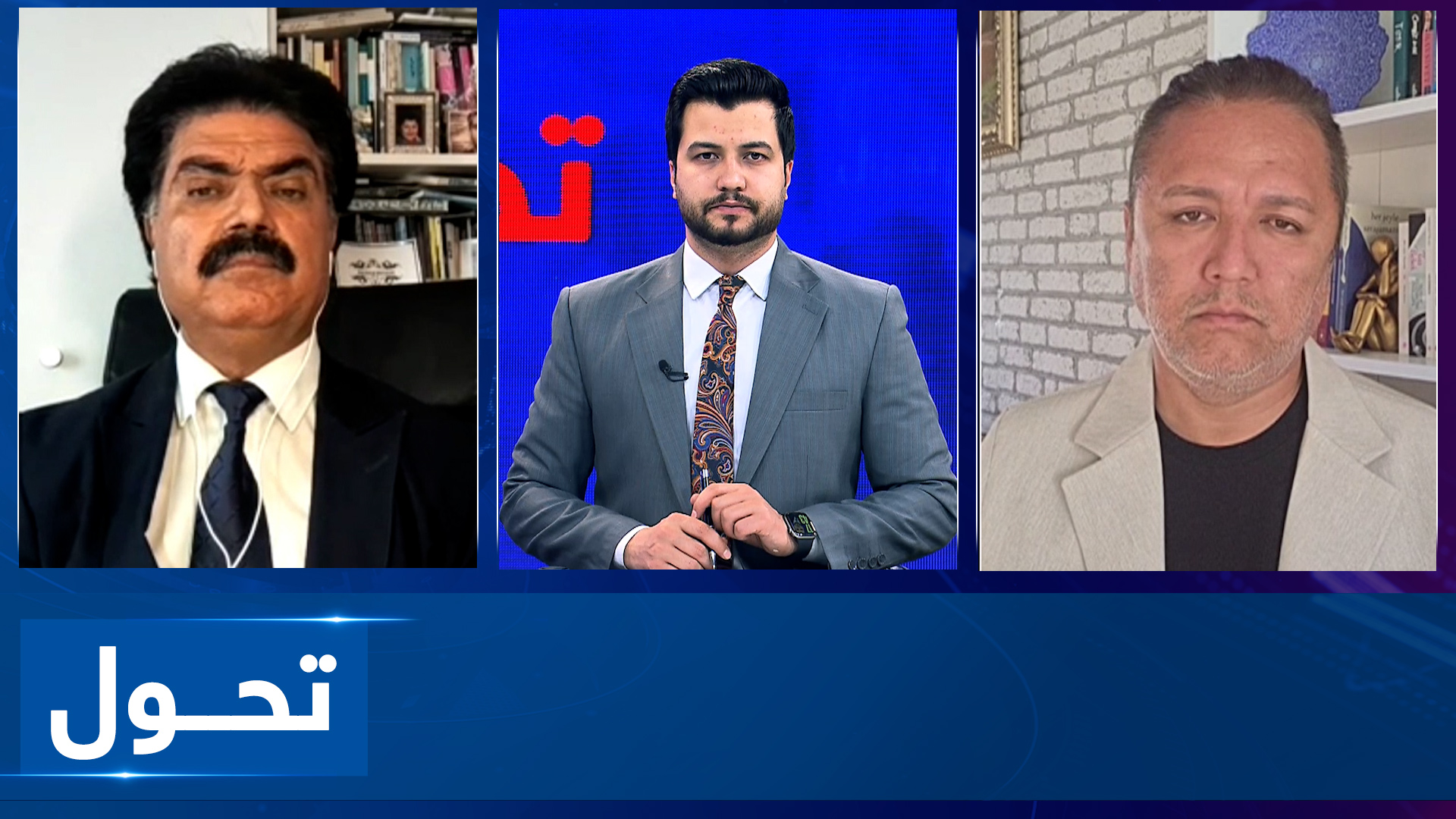
Tahawol: Russia’s special attention to situation in Afghanistan discussed
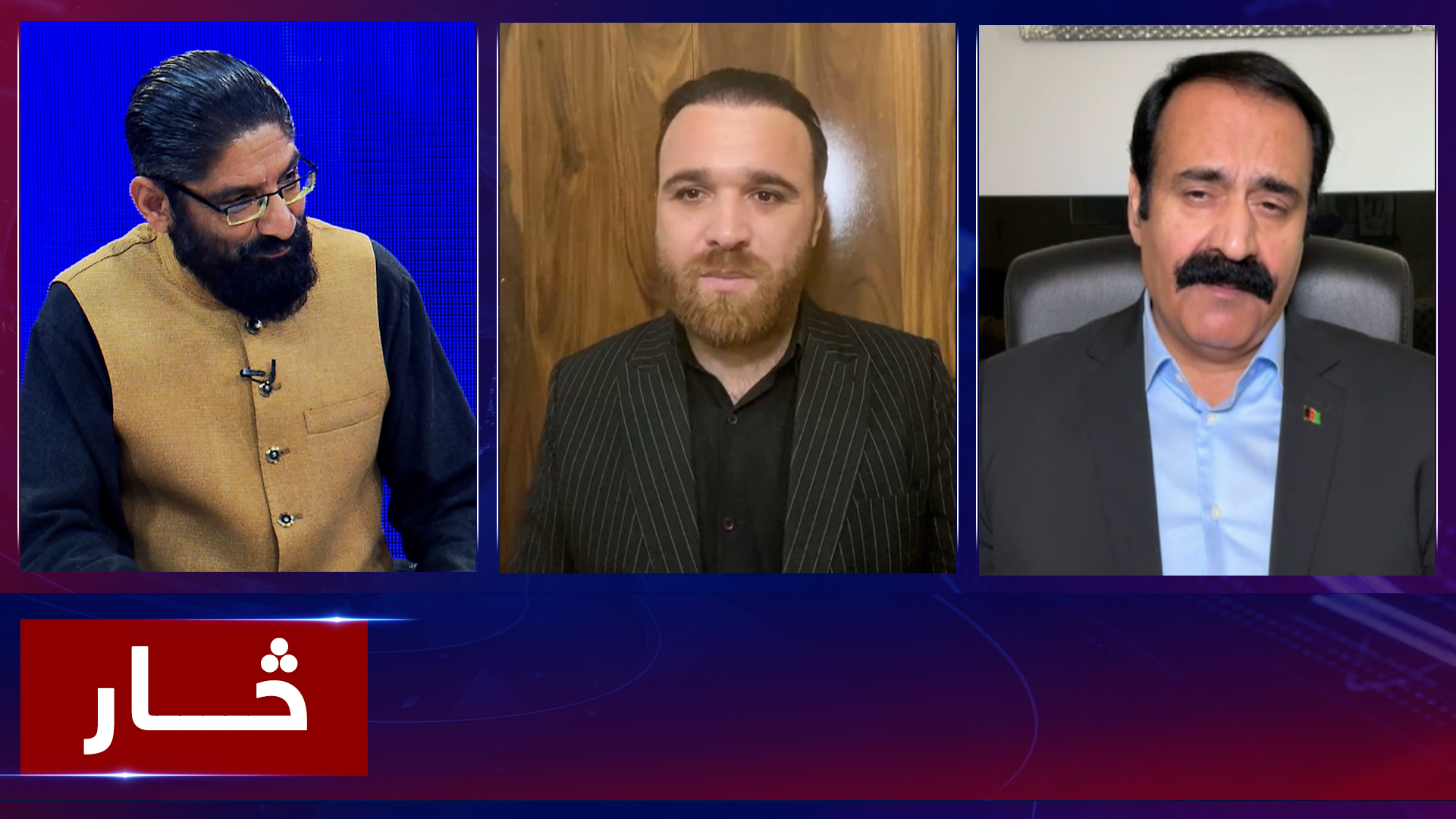
Saar: Discussion on US’s humiliating defeat in Afghanistan

Afghanistan falls just short of Bronze at Dakar 2026 Youth Olympic Games
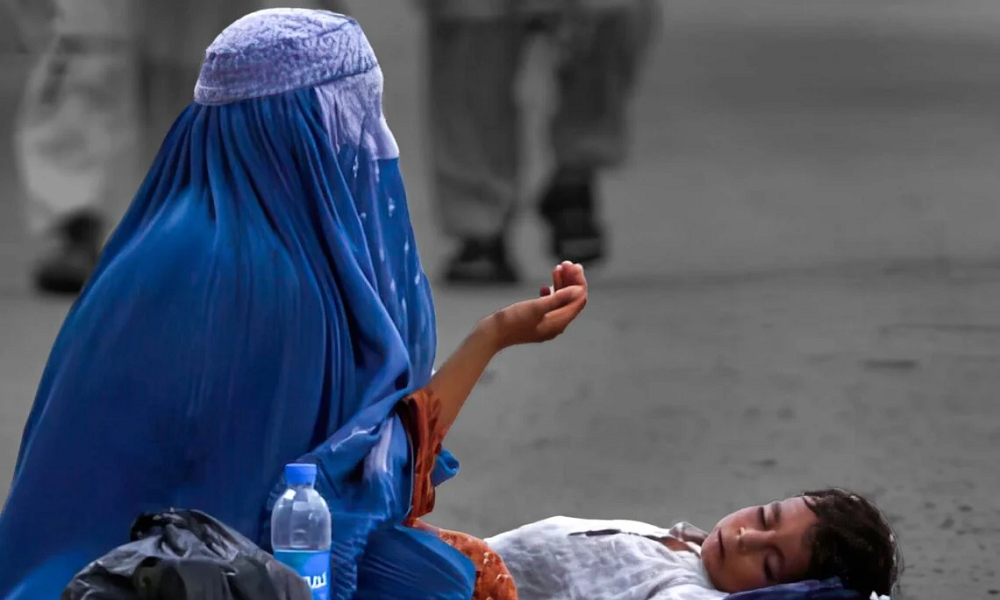
Afghan officials meet international donors to develop sustainable solutions to begging
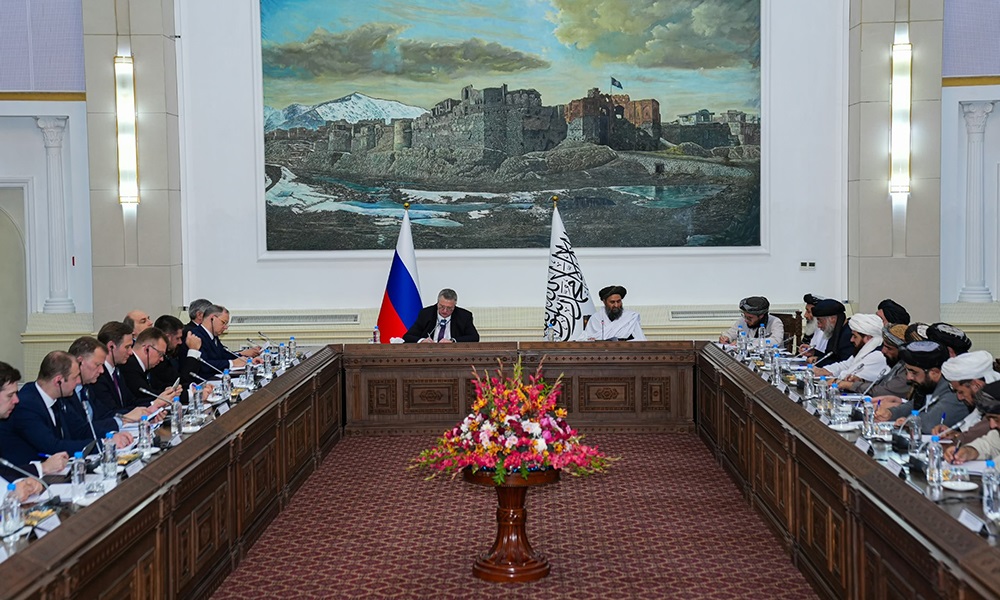
Afghanistan invites Russian companies to invest in mining, industry and infrastructure

Afghanistan finish runners-up after 6-0 defeat to Brazil in futsal final

Trump says US may strike Iran’s ‘Pickaxe Mountain’ nuclear facility

Afghan futsal coach: Brazil tournament is first step towards new goals and World Cup

Rubio heads to Central Asia while other US officials hit foreign policy hot spots

Violent protests spread across Europe as Albanian PM blames ‘foreign hand’
Tahawol: Russia’s special attention to situation in Afghanistan discussed
Saar: Discussion on US’s humiliating defeat in Afghanistan
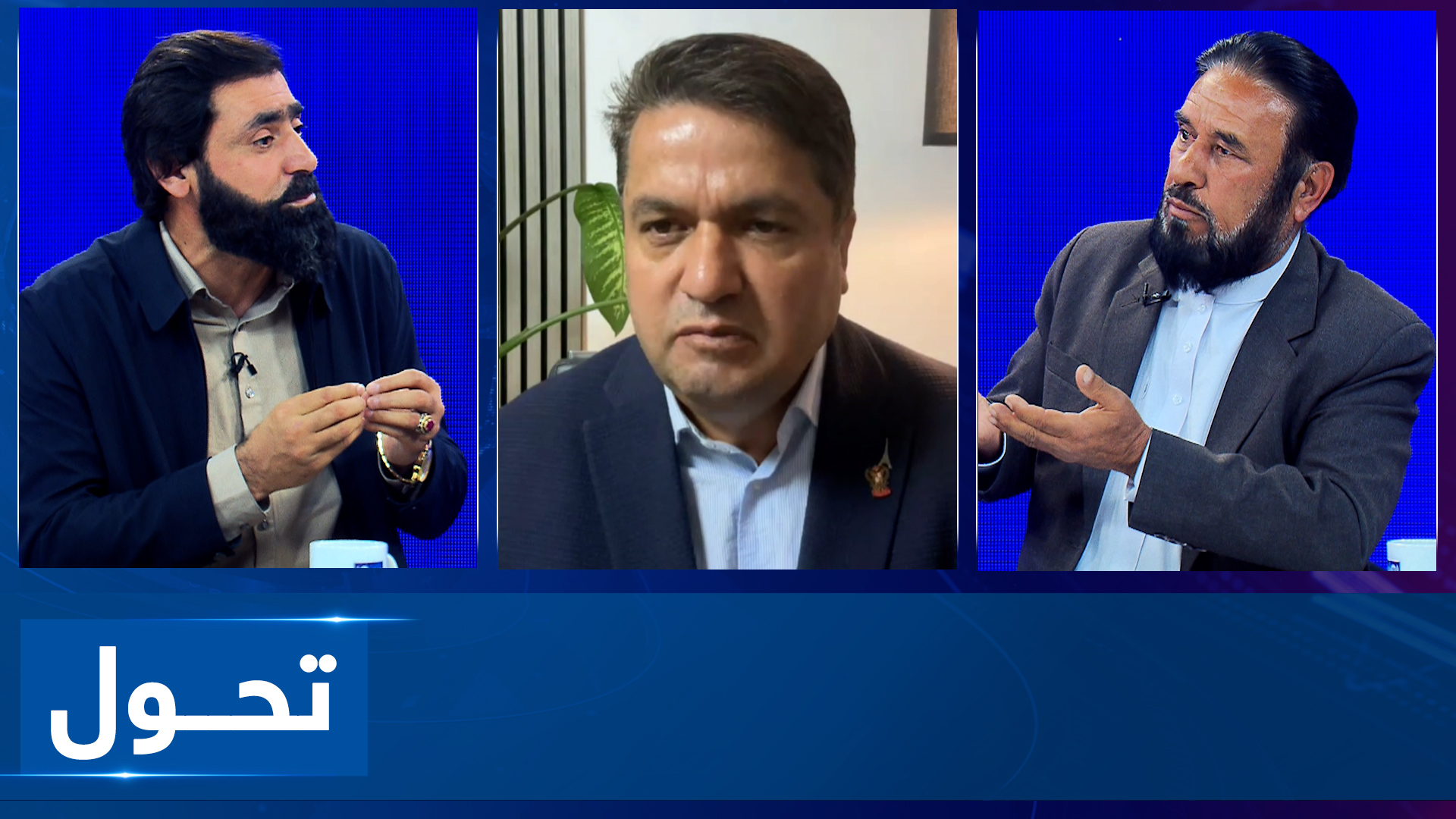
Tahawol: High-level Russian delegation’s visit to Kabul discussed
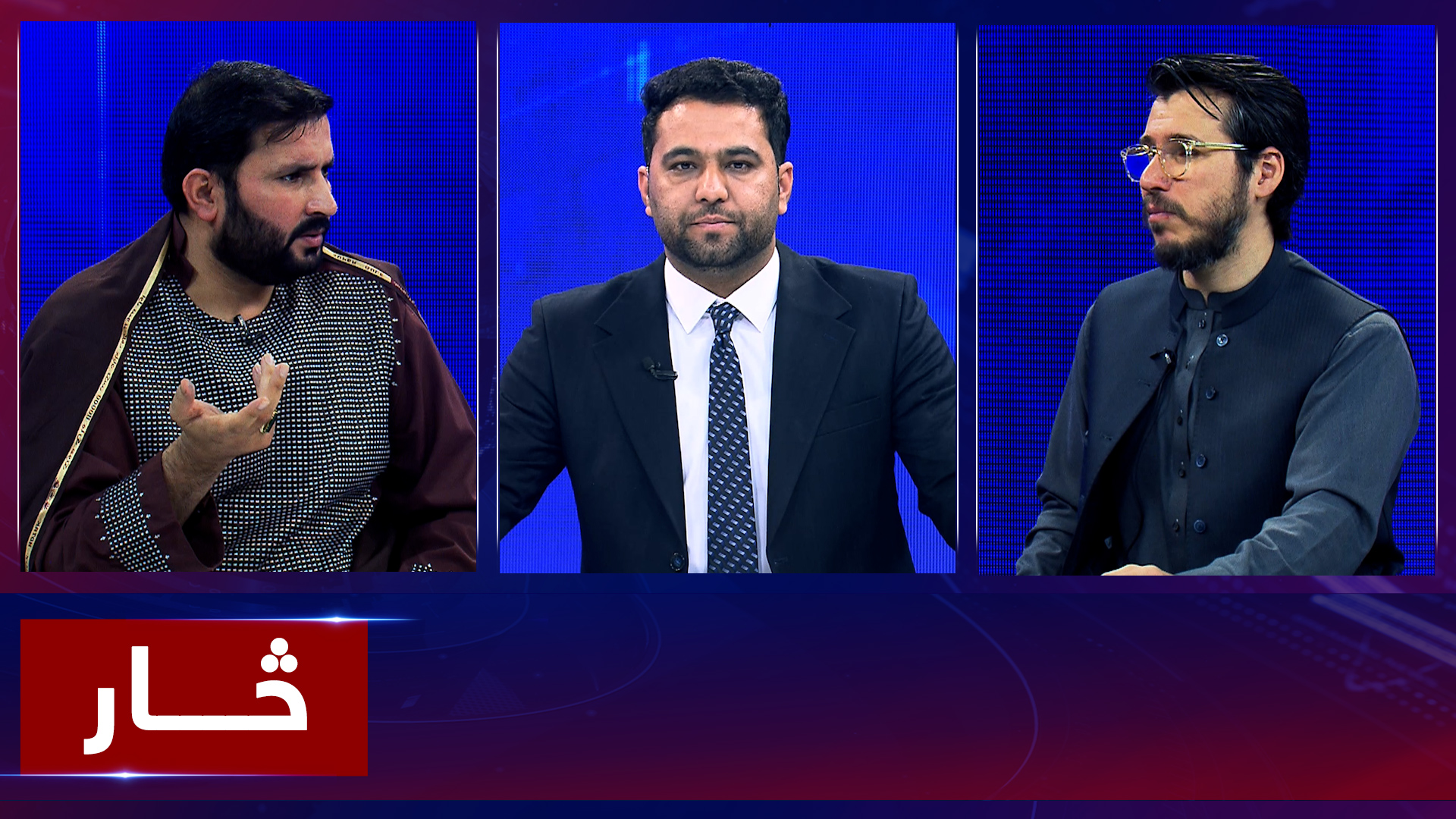
Saar: Afghanistan’s situation in focus at CSTO discussed

Tahawol: Efforts to halt deportation of Afghan refugees from US discussed
-
 Sport4 days ago
Portugal beat Afghanistan 2-0 in Dakar Youth Olympics futsal semi-finals
-
 Sport4 days ago
Afghanistan’s record partnership highlights fourth day of Test against Zimbabwe
-
 World5 days ago
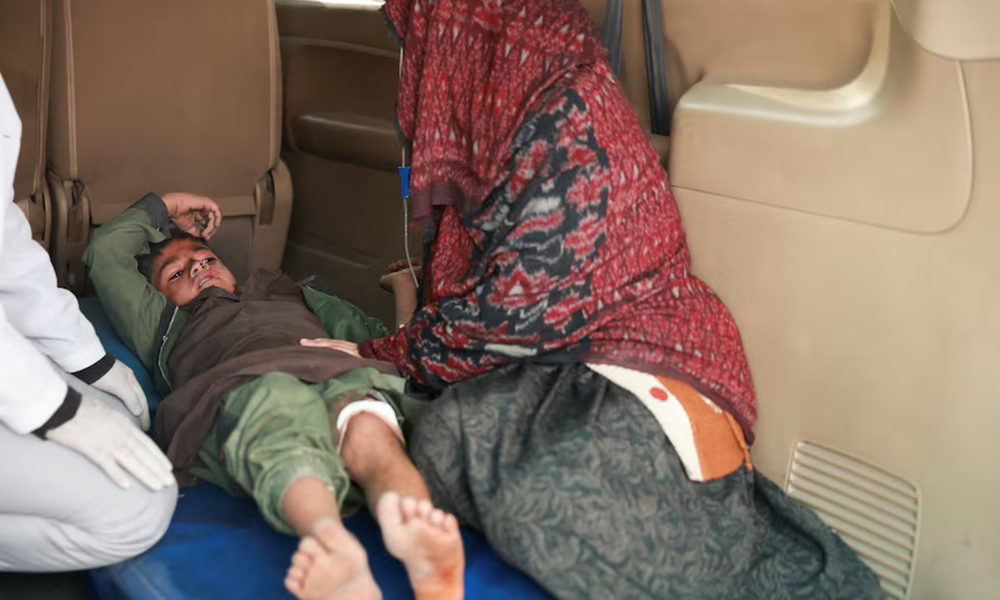
Houthi-run health ministry says airstrikes kill 33 near Yemen capital
-
 Sport4 days ago
Afghanistan thrash Senegal 6-0 to reach Dakar Youth Olympics futsal semi-finals
-
 World3 days ago
First Muslim US senator-elect El-Sayed calls for review of aid to Pakistan
-
 Regional5 days ago
Explosions heard in areas in southern Iran, Iranian media report
-
 Regional4 days ago
Iran defends two-day proposal for peace talks after US rejects conditions
-
 Business5 days ago
Afghanistan and Iran discuss boosting trade and investment ties