
Latest News
Water affairs board discusses Panjshir-Kabul water conduit project

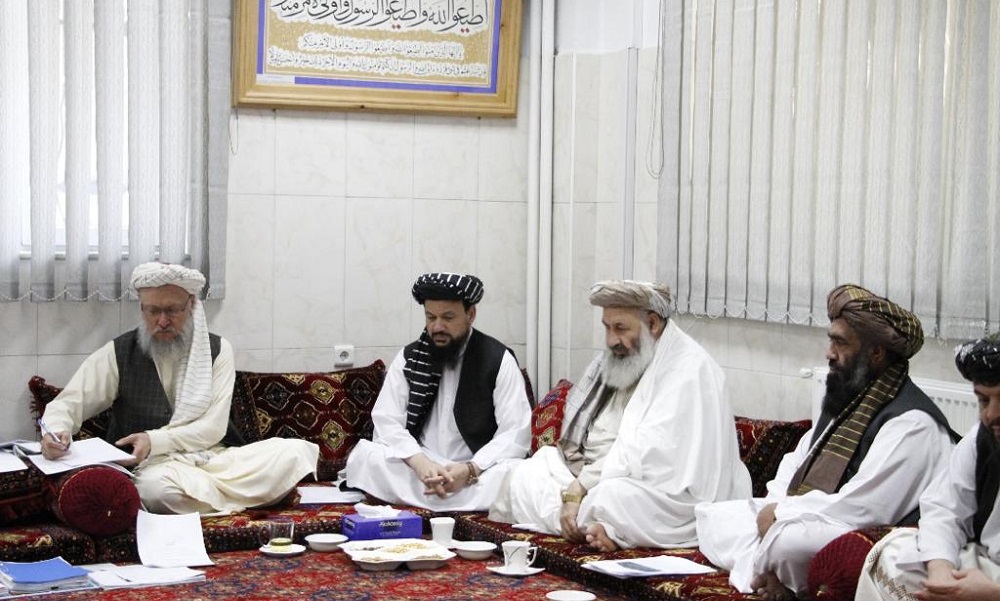
The Islamic Emirate’s Water Affairs Regulatory Board convened a meeting Sunday to discuss the implementation of a water conduit project for the transfer of water from Panjshir River to Kabul.
The meeting was chaired by the administrative deputy prime minister and attended by representatives of the ministries of finance, water and energy, urban development and housing, agriculture and livestock, rural rehabilitation and development, the National Environmental Protection Agency and the state-owned water supply company.
In the meeting, there was a discussion about the regulation of water affairs, people’s access to clean drinking water, the implementation of the Panjshir to Kabul water conduit project, its duration, costs and water capacity.
“There is a water problem in Kabul city both quantitatively and qualitatively, and various reasons for this issue can be analyzed, including the arbitrary digging of wells, the increase in population without planning and the weak and sub-standard water supply system,” the deputy minister of economy Abdul Latif Nazari, said.
Recent droughts and climate change have caused a severe shortage of water for drinking and irrigation purposes in many provinces.
“Water is scarce here. The living conditions are not good. We want help to improve our living conditions,” Jihad Dad, a resident of Kandahar province, said.
There is no clean running water in Kabul, and the excessive use of groundwater has caused groundwater levels to drop considerably. In some parts of the capital, the water level has dropped by up to 100 meters.
Some Kabul residents wait in long queues to get drinking water daily.
Experts say that providing drinking water in the capital is critical and the government should act in this regard.
“The government has not been able to take care of the systems that were already activated. People have faced many problems. They do not have enough access to clean water. Drought also increases with each passing day. It is the government’s responsibility to provide water to the people of Kabul and use the water that is wasted in other places,” Lal Zazi, an expert on economic affairs, says.


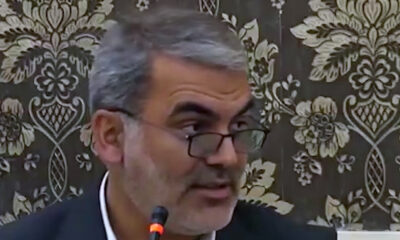



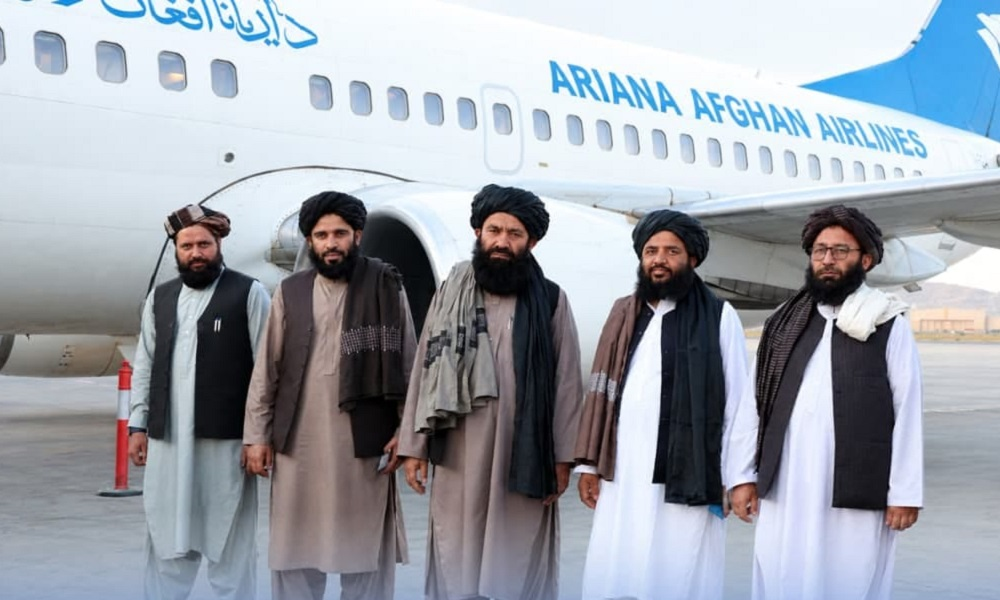
Mohammad Younus Akhundzada, the Islamic Emirate’s Minister of Energy and Water, departed for Riyadh, the capital of Saudi Arabia, on Saturday to attend the 17th World Energy Forum.
Ministerial-level representatives from around 100 countries are expected to participate in the forum to discuss energy cooperation, opportunities, and the exchange of experiences.
The Ministry of Water and Energy said Afghanistan’s participation in the forum provides an opportunity to strengthen relations with countries around the world, exchange expertise, and attract international cooperation in the energy sector.
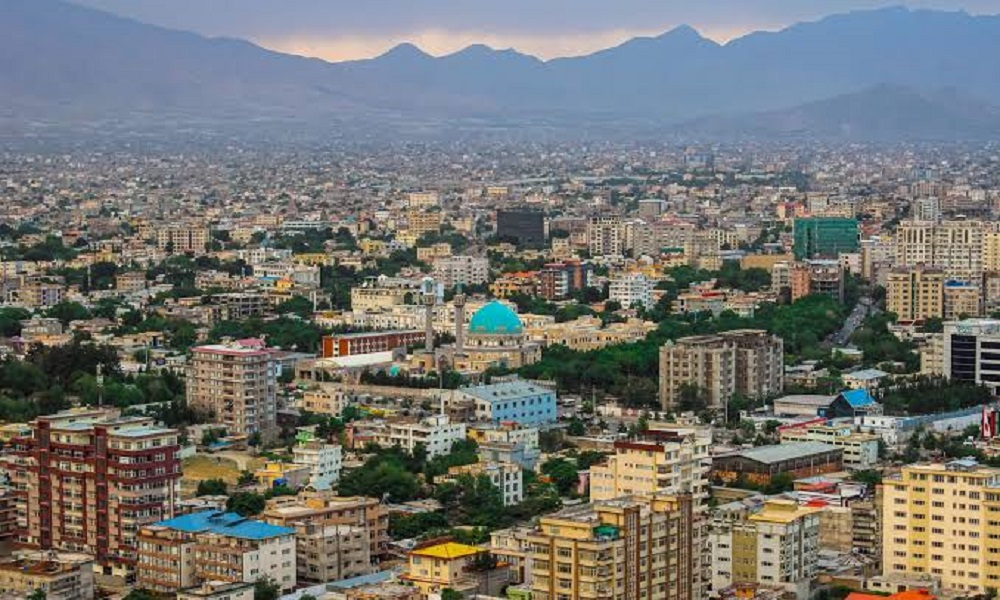
The US Department of State has placed Afghanistan in Tier 3 in its 2026 Trafficking in Persons Report, citing concerns over forced labor, child exploitation and inadequate protection for trafficking victims.
The report says Afghanistan has failed to fully meet the minimum standards for eliminating human trafficking and has not made significant efforts to do so.
It also highlights the vulnerability of families, particularly children, to trafficking and exploitation amid poverty, economic hardship and the return of migrants from neighboring countries.
Afghanistan continues to face economic challenges and growing humanitarian needs, while large numbers of Afghan migrants have returned from neighboring countries. Experts say raising public awareness, creating job opportunities and providing support to vulnerable families are essential to preventing human trafficking and child exploitation.
Meanwhile, the Islamic Emirate has previously issued a decree declaring human trafficking contrary to Islamic Sharia and called for action against the practice. Officials have also said the rights of Afghans are protected in accordance with Islamic Sharia and Afghan traditions.
Latest News
Iranian lawmaker praises Afghanistan’s support, accuses Pakistan of ‘hypocrisy’
Zanganeh claimed that a post published under the name of Pakistan’s parliamentary speaker during negotiations between Tehran and Washington had been written by Americans.
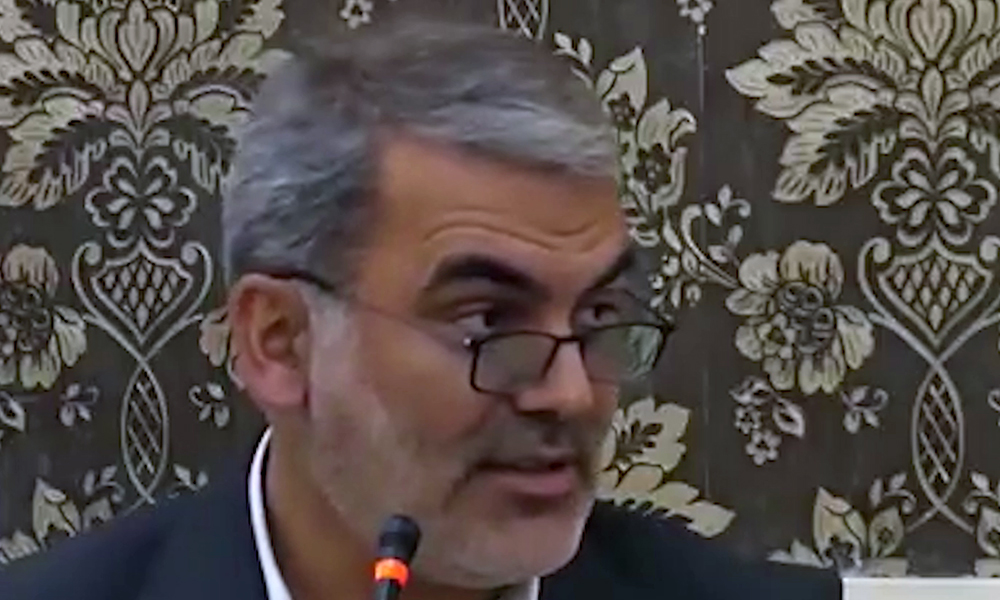
Mohsen Zanganeh, head of the Iranian Parliament’s Economic Commission, has praised Afghanistan’s support for Iran during the conflict between Iran and the United States, while criticizing Pakistan’s conduct during the crisis.
Zanganeh claimed that a post published under the name of Pakistan’s parliamentary speaker during negotiations between Tehran and Washington had been written by Americans. According to the Iranian lawmaker, US Special Envoy Steve Witkoff was responsible for drafting the post.
He described Pakistan’s alleged conduct as “hypocrisy” and expressed appreciation for the friendship and support shown by Afghans towards Iran.
Zanganeh’s remarks highlight the differing political perspectives emerging in the region as neighbouring countries respond to developments involving Iran and the United States.


Energy and Water Minister heads to Saudi Arabia for World Energy Forum

Saar: Ongoing expulsion of Afghan refugees from Iran and Pakistan discussed

Afghanistan trail Bangladesh by 135 runs at stumps on Day Two

Afghanistan placed in Tier 3 in US human trafficking report

WHO calls for greater mental health support in Afghanistan

EU and FAO launch €5m programme to strengthen Afghanistan’s agrifood sector

Omar Zawak, Toofan Herat secure victories in Afghanistan Champions League

Houthi advance in Yemen puts U.S. in a new bind

Cricket Bonanza: Afghanistan set for packed international schedule

New warnings reignite debate over AI threat to humanity
Saar: Ongoing expulsion of Afghan refugees from Iran and Pakistan discussed

Tahawol: CSTO meeting on Afghanistan reviewed

Saar: Guterres’s talks with Pakistani officials on Afghanistan discussed

Tahawol: Consequences of US war in Afghanistan reviewed

Saar: Expulsion of Afghan refugees from Pakistan discussed
-

 Latest News4 days ago
Ariana Afghan Airlines ends 15-year control of ticketing and operational systems by Pakistani firm
-
 World4 days ago
▶️Saudi Arabia, Turkey, Pakistan activate Mecca defense pact
-
 Latest News5 days ago
IEA rejects ICC arrest warrants, says Afghanistan does not recognize court
-
 Regional4 days ago
Yemeni government forces seize strategic strait from Houthis
-
 Sport4 days ago
Aino Mina Kandahar defeat Istiqlal Kabul 3–2
-
 Health4 days ago
Russia investigates suspected pneumonic plague; Trump ready to ‘help’
-

 Latest News4 days ago
Thirty US states seek access to Afghan assets for 9/11 victims
-
 Latest News5 days ago
Iran offers cooperation on Herat-Mazar railway, mining and power generation