
Latest News
2015 bloodiest year for Afghan women: HRC

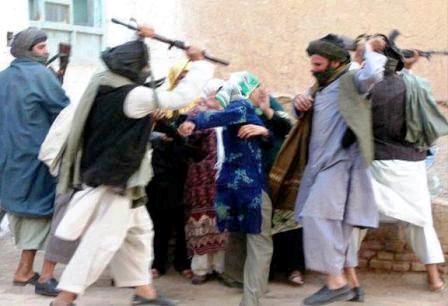

The Independent Human Rights Commission (HRC) says violent crime against women in Afghanistan hit record levels and became increasingly brutal in 2015.
The struggle to secure women’s rights in Afghanistan has been an embattled one. After years of faltering campaigns, the landmark Elimination of Violence against Women Act (EVAW) was passed in 2009 by presidential decree.
The unprecedented law criminalises 22 offences, from forced prostitution to denying women their inheritance prescribes punishments for offenders and outlines a number of state responsibilities Most significantly, Article 6 enshrines seven victims’ rights, including the right of prosecution, legal representation and compensation.
According to HRC, the most violence against Afghan women link to family and political killings.
HRC voices concern over increase of field trails and destination between the government and people.
The increase in recorded attacks is in part the product of a welcome trend: the more women learn about their rights, the more they come forward to report attacks. But many are pessimistic about how long these small gains will last.
As the war in Afghanistan enters its fourteen year, the concern is that hard-won rights for women will unravel after the departure of international soldiers and aid workers.
Securing women’s rights had become one of the prime justifications for intervention. Activists fear that the prospect of withdrawal has fuelled an attitude of impunity, contributing to the intensification of attacks against women.
According to UN Women Chief Phumzile Mlambo-Ngcuka violence against women in Afghanistan is “pandemic,” with 87.2 percent of women experiencing some form of physical, psychological, sexual, economic or social violence.
2015 is a year of flux for Afghanistan. With a looming general election, crumbing economy and concerns over security, activists fear a worsening of the already hostile environment for women in Afghanistan.

Latest News
Eight dead after 5.8-magnitude earthquake hits Afghanistan
The family members who perished included a father, mother, four daughters, and two sons. In addition to the deaths, a child was reported injured in the incident.
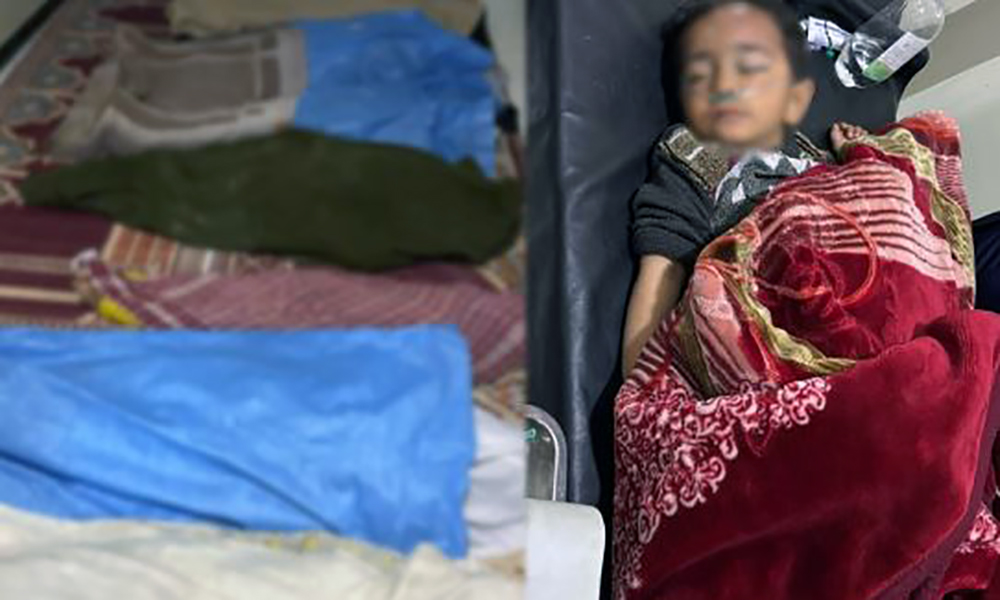
A powerful 5.8-magnitude earthquake struck Afghanistan on Friday, killing at least eight people and injuring a child when a house collapsed in Kabul. According to local officials, the victims were all members of the same family.
Hafiz Basharat, spokesperson for the Kabul Governor, confirmed that the fatalities occurred in the Bagrami district of Kabul. The family members who perished included a father, mother, four daughters, and two sons. In addition to the deaths, a child was reported injured in the incident.
The earthquake, which originated in the Hindu Kush region of Afghanistan, struck at a depth of approximately 177 kilometers, according to the German Research Centre for Geosciences. Tremors were felt across a wide area, including Kabul, Pakistan’s capital Islamabad, and India’s capital New Delhi.
Local authorities have yet to release additional details regarding the extent of the damage or any further casualties caused by the earthquake.
As rescue operations continue, Afghan authorities are assessing the full impact of the earthquake, which has left many concerned about the potential for more aftershocks in the region.
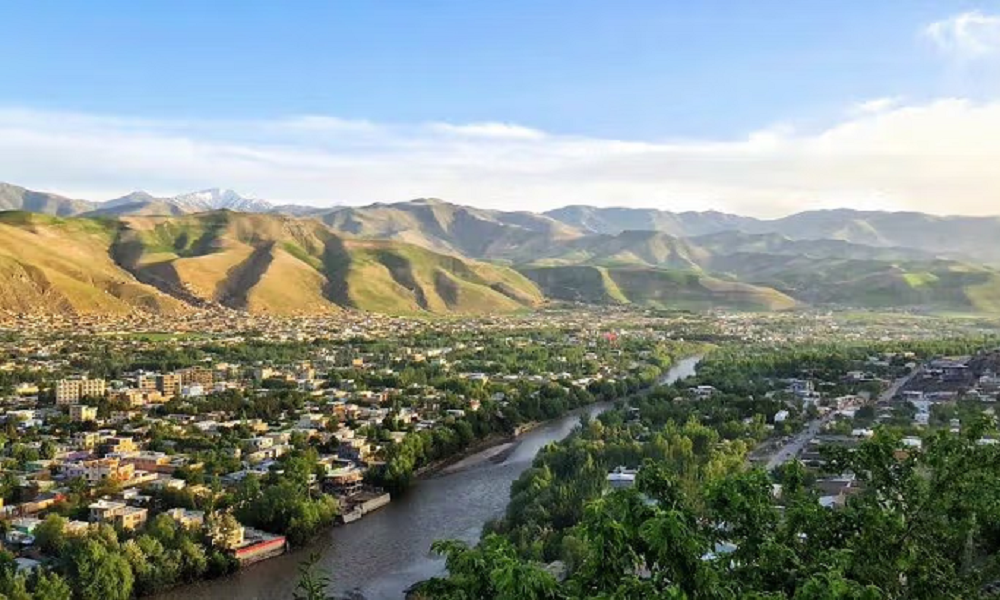
A strong earthquake measuring 5.8 on the Richter scale struck parts of Afghanistan on Friday night, according to the United States Geological Survey (USGS).
The epicenter was reported in Jurm district of Badakhshan province, with a depth of 186 kilometers.
There have been no immediate reports of casualties or damage.
Latest News
China says Afghanistan–Pakistan peace talks show progress
China has positioned itself as a facilitator, aiming to create conditions for dialogue and provide a platform for negotiations.
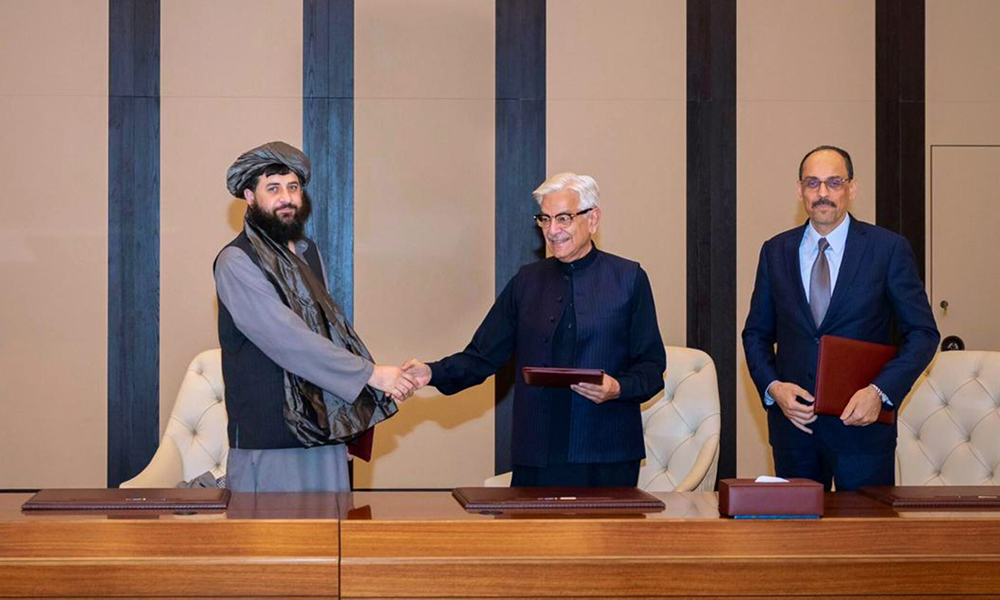
Negotiations between Afghanistan and Pakistan are making steady progress, China said on Friday, as efforts continue to ease tensions in their most serious conflict since the return of the Islamic Emirate of Afghanistan in 2021.
Speaking at a regular press briefing, Chinese foreign ministry spokesperson Mao Ning said both sides had welcomed Beijing’s mediation and were willing to resume dialogue. “This is a positive development,” she said, noting that China remains in close communication with both governments.
Beijing— which shares a border with both countries—has stepped up diplomatic engagement in recent months, including calls with foreign ministers and a visit by a special envoy in March. Previous rounds of talks have reportedly taken place in Urumqi, though officials did not confirm the latest venue.
China has positioned itself as a facilitator, aiming to create conditions for dialogue and provide a platform for negotiations. Mao said further details would be released jointly by the three countries “in due course.”
Clashes between Afghan and Pakistani forces since October have killed dozens on both sides, with Afghan civilians bearing the brunt of the violence. Islamabad has accused Kabul of harboring militants responsible for cross-border attacks—an allegation Afghan authorities deny, calling militancy a domestic issue for Pakistan.
The renewed diplomatic push signals cautious optimism that tensions between the neighbors could ease through sustained dialogue under Chinese mediation.


Eight dead after 5.8-magnitude earthquake hits Afghanistan

Punjab Kings clinch thrilling 5-wicket victory over Chennai Super Kings in IPL 2026

5.8-magnitude earthquake shakes parts of Afghanistan

Tawsia: This week’s key economic developments in Afghanistan discussed

Iran claims it shot down US F-35 jet

Prominent Muslim scholar issues fatwa calling for Afghanistan-Pakistan ceasefire

IEA Supreme Leader issues Eid-ul-Fitr message urging unity and support for Islamic system

14 Pakistani soldiers killed after military post falls along Durand line: MoD

Afghanistan steps in to replace Iran in supplying fruits and vegetables to Russia

Afghan airstrikes target Pakistani military sites in retaliation for air attacks
Tawsia: This week’s key economic developments in Afghanistan discussed

Tahawol: Start of talks between Kabul-Islamabad in China discussed

Saar: Ongoing US and Israeli attacks on Iran discussed

Tahawol: Ongoing US–Israeli war with Iran discussed

Saar: Afghanistan-Pakistan talks in China discussed
-
 Latest News5 days ago
TAPI gas pipeline advances 25 km in Afghanistan
-
 Business5 days ago
Afghanistan opens doors to agribusiness investments amid rising opportunities
-
 Latest News3 days ago
Baradar approves 17 projects worth over one billion AFN
-
 Latest News5 days ago
Afghan diaspora protests in London and Oslo over Pakistan strikes
-
 Business4 days ago
Russia backs Uzbekistan–Afghanistan trade hub, praises regional economic cooperation
-
 Sport4 days ago
ATN secures broadcast rights for inaugural Afghanistan Wrestling Premier League
-

 International Sports5 days ago
Amnesty International raises alarm over deportations, protests ahead of FIFA World Cup
-

 Sport3 days ago
ATN to broadcast second season of Ariana Snooker Championship