
Latest News
Afghan government drops controversial media law amendment

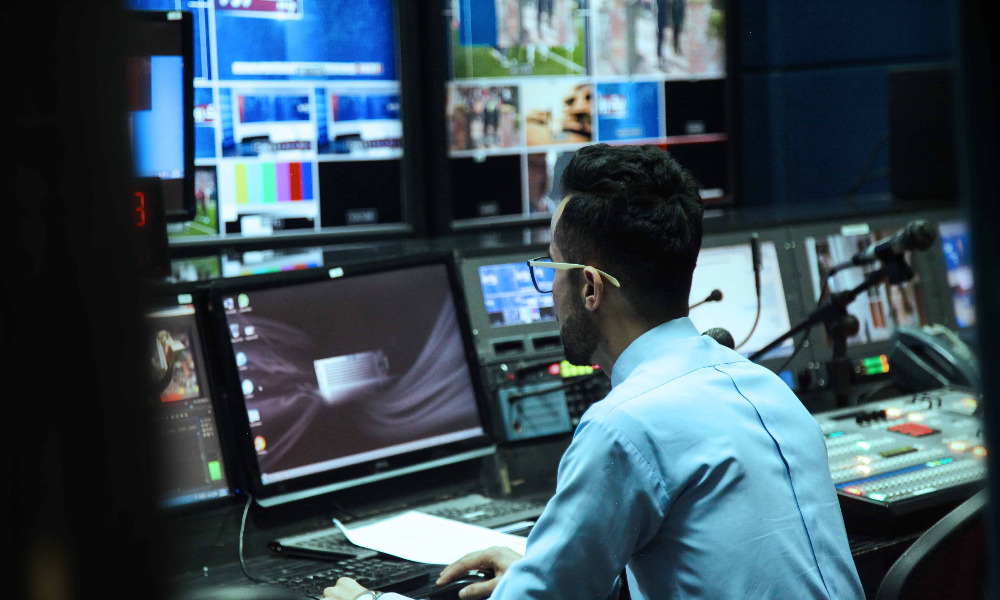
Proposed amendments to the media law, which were introduced to parliament last month, have been recalled by President Ashraf Ghani.
This move comes after media outlets objected to the proposed changes which would have required journalists to disclose their sources and allow the government to censor news reports.
The Afghanistan Journalists Center (AFJC) on Sunday welcomed the president’s move to drop the proposed amendment, which they said would have had a negative effect on media freedom in the country.
This move by the president comes after an outcry by media support organizations, media outlets, and journalists last month. Together they sent an open letter to the government calling for the amendments to be dropped.
Among the proposed amendments was a measure that would require journalists to reveal their sources to government bodies, including the security services.
Also, the rights of media outlets and journalists would have been affected, as would the independence of National Radio and Television (RTA). The government would also have been able to censor stories before and after publication and government monitoring organizations would have been given increased authority.
The proposed amendments would also have allowed for media outlets to have their licenses revoked in the absence of transparency regarding financial resources.
However, a major outcry by the media in Afghanistan was unleashed last month when the proposed amendments were tabled to parliament.
In the wake of this, the government established a 12-member technical team to review the amendment initiative. After several meetings, the team voted against the amendments.
“We welcome the technical committee’s decision to vote against the amendment and the government’s commitment that the initiative will not go ahead,” AFJC director Ahmad Quraishi said.
“At a time when the government is preparing for the peace talks with the hardline Taliban group, any amendment to the media law would have had serious consequences for media freedom in Afghanistan, adding to the growing insecurity and attacks that affect media outlets and journalists in the country,” he said.
The current media law was enacted in 2006 and has 54 articles. The proposed amendments were in contravention of articles 7, 34, 120, and 122 of Afghanistan’s Constitution.
Article 34 of the Constitution says: “Freedom of expression shall be inviolable. Every Afghan shall have the right to express thoughts through speech, writing, illustrations as well as other means in accordance with provisions of this constitution.”
It also stipulates that “every Afghan shall have the right, according to provisions of law, to print and publish on subjects without prior submission to state authorities. Directives related to the press, radio, and television as well as publications and other mass media shall be regulated by law.”







Latest News
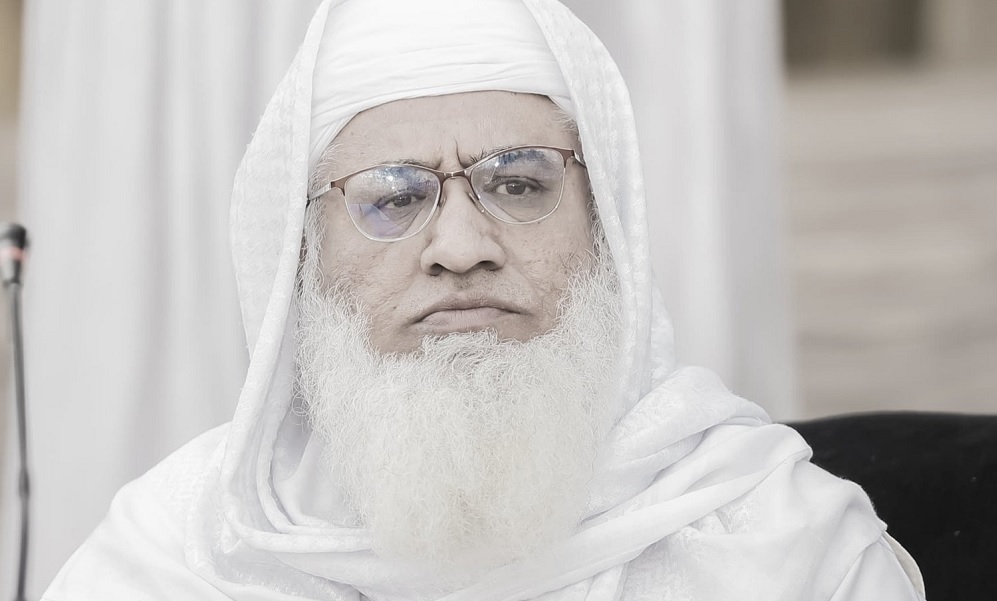
IEA leaders contact Maulana Fazlur Rehman to express condolences over Sheikh Idris’s death
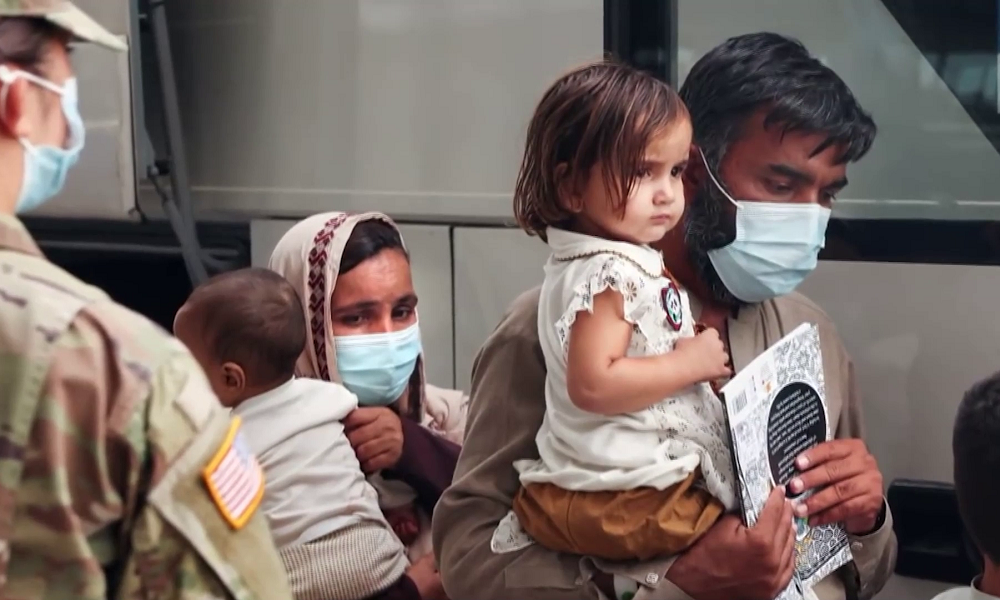
Hundreds of former U.S. officials are calling on Washington to cancel a reported plan to relocate Afghan refugees from Qatar to the Democratic Republic of the Congo.
In an open letter addressed to the U.S. State Department, more than 600 former civilian and military officials, along with around 100 organizations, urged the administration to stop the proposed transfer. The letter was sent to Marco Rubio.
The signatories argue that the Afghan nationals in question were brought to Qatar by the United States to complete legal immigration procedures after undergoing extensive security vetting. The letter states that while the individuals were cleared for resettlement in the United States, they are now being considered for relocation to Congo, a country for which they were never screened.
“Those individuals were vetted and approved for the United States, not for the Democratic Republic of the Congo,” the letter reads.
According to the report, more than 1,100 Afghan allies and their family members are currently being held at Camp As Sayliyah in Qatar under U.S. supervision. Around 800 of them have already completed all security checks and received authorization to travel to the United States. More than half are women and children, and many have remained in transit limbo for over 15 months.
The situation has drawn criticism from former officials and policy observers, who describe the proposed relocation as a betrayal of Afghan allies who supported U.S. missions and risked their lives during the war in Afghanistan. Critics also warn that the move could damage U.S. credibility with future partners.
Several members of the U.S. Congress had previously expressed opposition to the proposal, cautioning that it could significantly undermine trust in the United States among its allies.
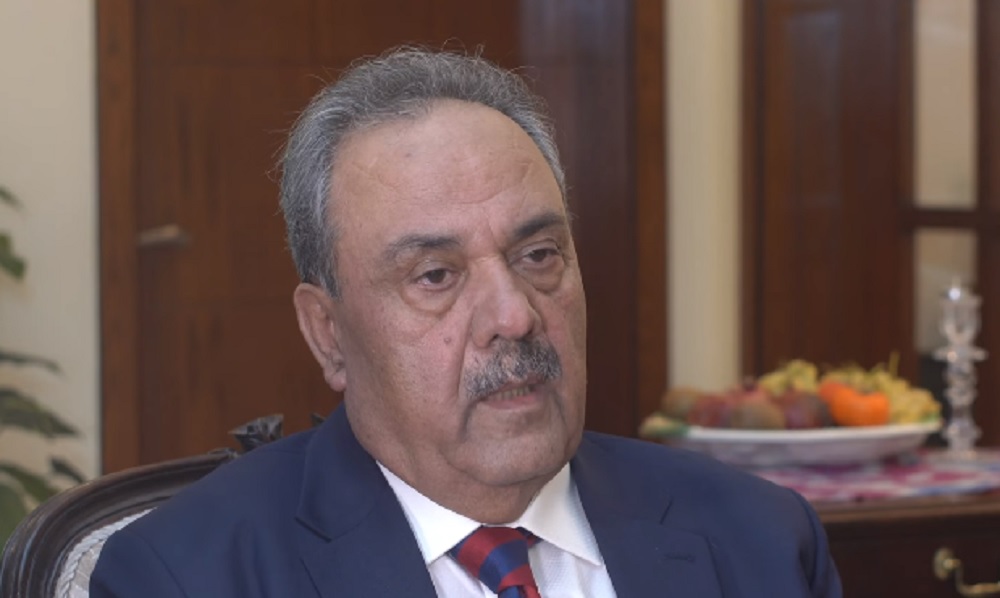


IEA leaders contact Maulana Fazlur Rehman to express condolences over Sheikh Idris’s death

Mexico City to launch 2026 FIFA World Cup with star-studded opening ceremony

Trump releases government UFO files, more expected

Tawsia: Discussion on Afghanistan’s economic path and position

Former US officials urge halt to plan relocating Afghan refugees from Qatar to Congo

Bayat Power extends gas supply deal with Afghan Gas

Etihad Airways to expand Kabul–Abu Dhabi flights to daily service amid surging demand

Afghanistan’s new cricket head coach Richard Pybus arrives in Kabul

Afghanistan moves toward self-sufficiency in car battery production

Germany to launch online visa system for Afghan study and work applicants in Pakistan
Tawsia: Discussion on Afghanistan’s economic path and position

Tahawol: Pressure on Afghan refugees from Tajikistan to Europe discussed

Saar: Ongoing criticism of Pakistan’s Afghanistan policy discussed

Tahawol: Diplomatic turn in Iran–US confrontation discussed

Saar: Expanding interaction between countries and IEA discussed
-
 Sport5 days ago
Afghanistan set for Maldives four-nation tournament
-

 Business5 days ago
Kazakhstan grain exports to Afghanistan jump sharply
-
 Latest News5 days ago
Leadership reshuffle announced across Afghanistan’s admin and security sectors
-
 Latest News4 days ago
Pakistan’s Achakzai pushes for Afghanistan dialogue amid economic strain
-
 Business3 days ago
Afghanistan presses Chinese contractor over delays in Mes Aynak copper project
-
 Business3 days ago
Uzbekistan launches new cargo corridor linking China and Afghanistan
-
 Latest News4 days ago
Food prices surge 20% in Afghanistan as Hormuz crisis disrupts supply routes
-
 Latest News5 days ago
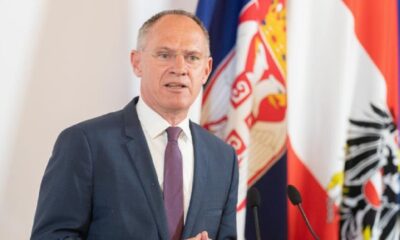
Austrian interior minister heads to Uzbekistan to finalize Afghan deportation deal