
Latest News
Ghani appoints critics to avoid interim govt: politicians

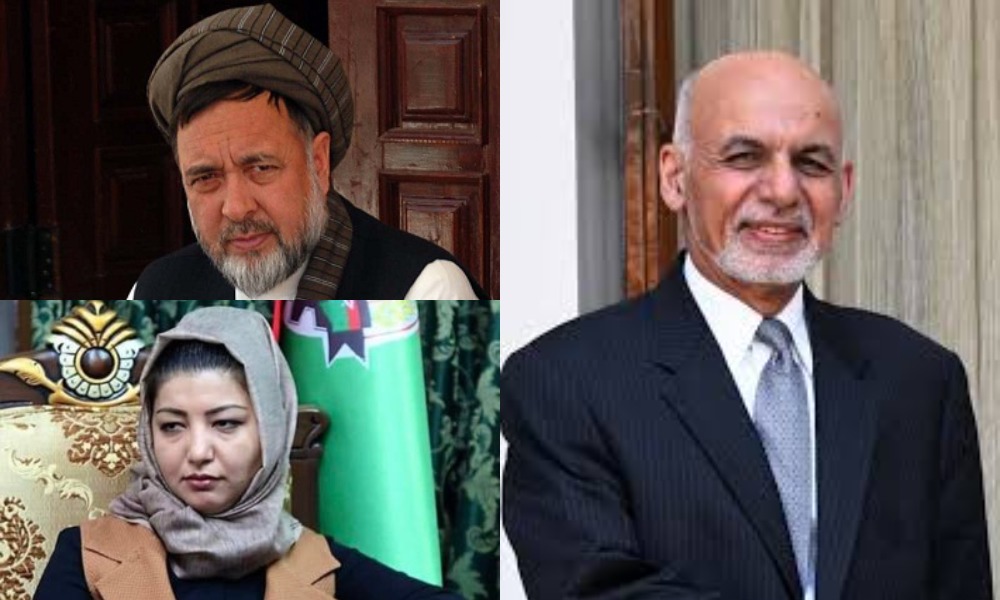
Some Afghan politicians said on Sunday that President Ashraf Ghani has cultivated new friendships with some of his critics in order to avoid an interim government and to stay in power.
This comes after Ghani appointed Mohammad Mohaqiq, head of the Wahdat-i-Islami Party, as his senior political and military adviser and introduced Rahila Dostum as a member of the Wolesi Jirga (Upper House of Parliament).
Mohaqiq’s appointment comes after a reported “cold shoulder” in the past after not having been invited to the Presidential Palace for any meetings.
“All political parties think that an interim government should be established. If Ghani thinks that he will be in power for four year it may be a reason for the appointments,” said Sattar Murad, a leading member of Jamayat-e-Islami party.
Sources close to Mohaqiq said that the move to appoint him was based on his abilities and role in the peace process.
“Well-known figures in the current situation, Afghanistan needs unity in this time. I think it is the root of the issue,” said Zahir Wahdat, deputy head of the Wahdat-i-Islami Party.
This comes after some Afghan politicians called this week for the establishment of an interim government for the sake of the peace process.
However some politicians have said government and the Taliban should agree to keep the structure but change the leadership.
“Both sides should agree to a government with no changes in the current government system,” said politician Wahidullah Sabawoon.
Rahmatulluh Nabil, former head of the National Directorate of Security (NDS), is one public figure to call for an interim government but said the government structure should remain the same.
The Presidential Palace has not commented about the recent appointments but on Saturday vowed to retain Afghanistan as a republic and only hand over power to an elected successor.



Latest News
Afghanistan ranks third globally in deaths from unexploded ordnance, UNAMA warns
UNAMA urged people not to touch unfamiliar or suspicious objects and to report them immediately to the relevant authorities.
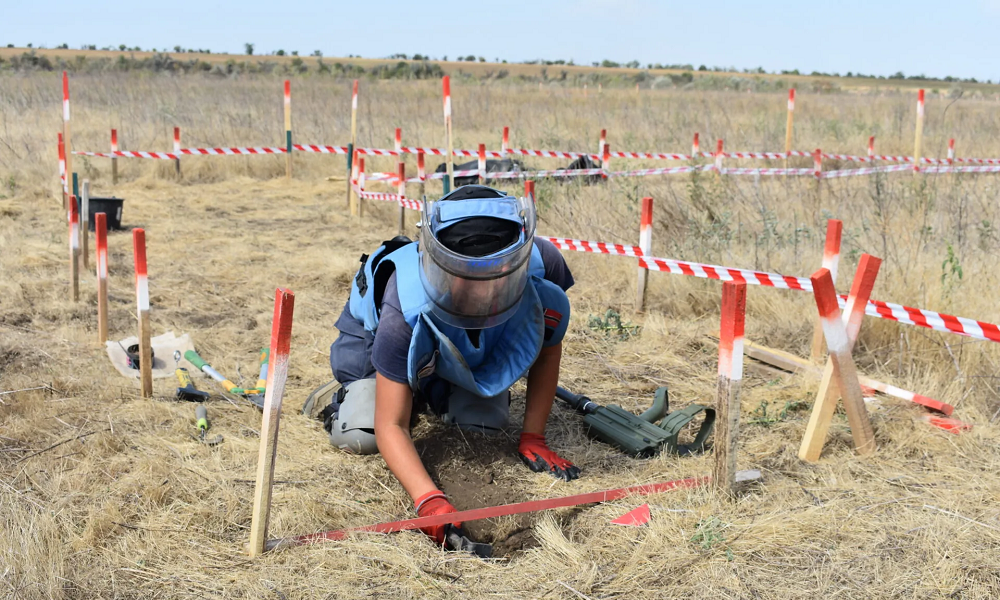
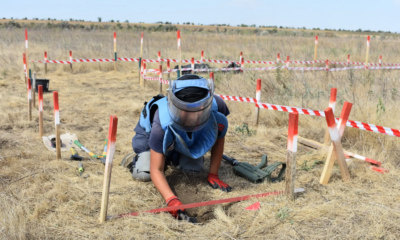
Afghanistan ranks third worldwide in fatalities caused by unexploded ordnance, with large areas of the country still contaminated by landmines and explosive remnants of war, the United Nations Assistance Mission in Afghanistan (UNAMA) has warned.
In a public message, UNAMA said the United Nations continues to seek funding for mine-clearance organizations working to remove landmines and other explosive remnants of conflict. These organizations also conduct awareness campaigns to educate communities about the dangers posed by unexploded devices.
Children are particularly vulnerable, accounting for 80 percent of all casualties caused by these explosive hazards, according to UNAMA. Many are injured or killed after encountering unexploded ordnance while playing.
The UN mission stressed that public awareness and collective action are essential to preventing further casualties and saving lives.
UNAMA urged people not to touch unfamiliar or suspicious objects and to report them immediately to the relevant authorities.
The warning highlights the continuing humanitarian consequences of decades of conflict in Afghanistan, where landmines and unexploded ammunition remain a serious threat to civilians, particularly children.
UNAMA called for sustained support for mine-clearance operations and stronger community awareness initiatives to reduce casualties and make contaminated areas safer.
Latest News
Afghan education advocate establishes $2.5 million Oxford scholarship fund for women
Recipients will also have access to leadership development opportunities through Oxford’s Weidenfeld-Hoffmann Trust.
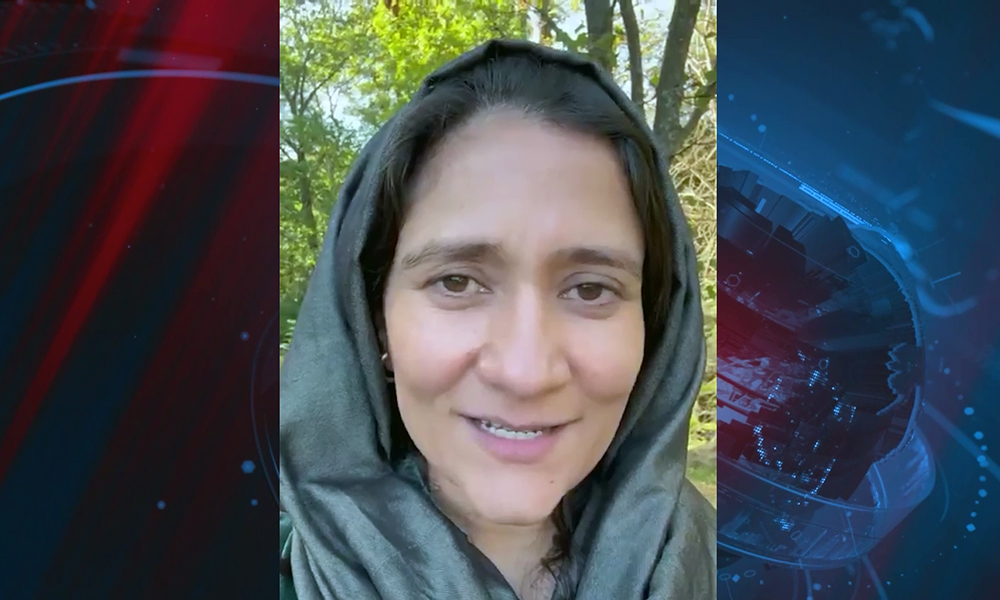
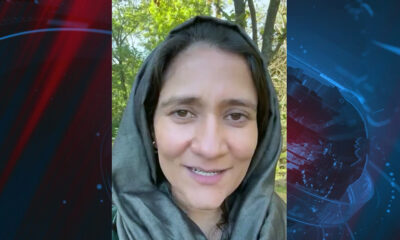
Shabana Basij-Rasikh, founder of the School of Leadership Afghanistan (SOLA), has announced a permanent $2.5 million fund to support Afghan women pursuing master’s degrees at the University of Oxford in the United Kingdom.
The scholarship programme is expected to launch in September 2027, funding at least one Afghan woman each year. It will cover the full cost of study, including tuition fees, accommodation, living expenses and other essential costs.
Recipients will also have access to leadership development opportunities through Oxford’s Weidenfeld-Hoffmann Trust.
Basij-Rasikh said the initiative should not be interpreted as a political statement, referring to restrictions affecting access to UK visas. She also stressed that the fund is separate from SOLA’s operational budget.
SOLA supports Afghan girls’ education through its boarding school in Rwanda and SOLAx, its online learning programme. Together, the initiatives provide educational opportunities to more than 40,000 students.
The scholarship comes amid continuing restrictions on girls’ and women’s access to education in Afghanistan. It aims to provide a pathway for Afghan women to pursue advanced studies at an internationally recognised university while developing their leadership skills.
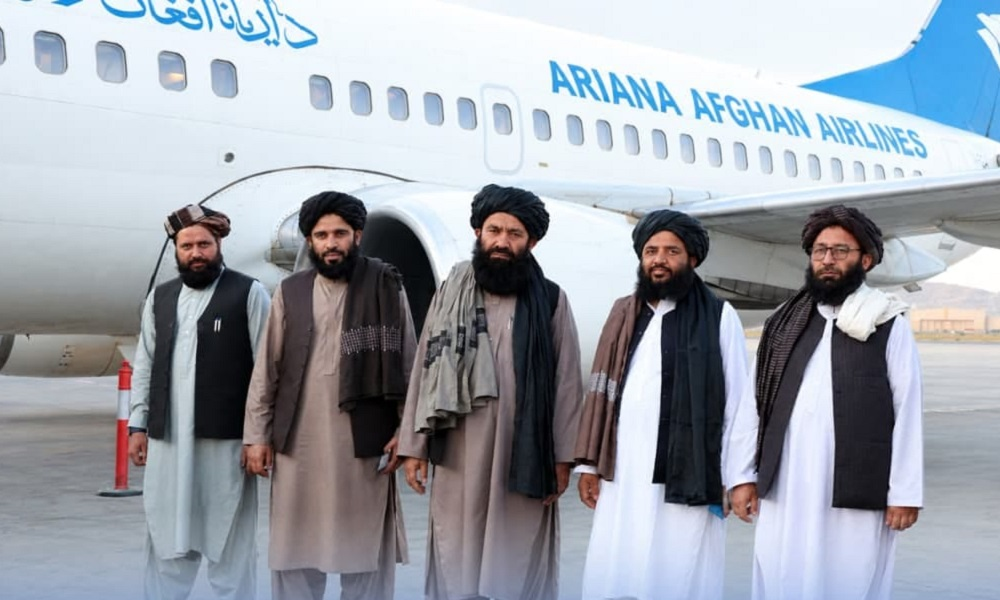
Mohammad Younus Akhundzada, the Islamic Emirate’s Minister of Energy and Water, departed for Riyadh, the capital of Saudi Arabia, on Saturday to attend the 17th World Energy Forum.
Ministerial-level representatives from around 100 countries are expected to participate in the forum to discuss energy cooperation, opportunities, and the exchange of experiences.
The Ministry of Water and Energy said Afghanistan’s participation in the forum provides an opportunity to strengthen relations with countries around the world, exchange expertise, and attract international cooperation in the energy sector.


Afghanistan ranks third globally in deaths from unexploded ordnance, UNAMA warns

Houthis warn airlines to avoid Saudi airports after deadly Riyadh attack

Afghan education advocate establishes $2.5 million Oxford scholarship fund for women

14 killed in two separate mass shootings across the United States

Houthi attack on Saudi airport kills 12, over 300 wounded, authorities say

EU and FAO launch €5m programme to strengthen Afghanistan’s agrifood sector

Omar Zawak, Toofan Herat secure victories in Afghanistan Champions League

Cricket Bonanza: Afghanistan set for packed international schedule

Houthi advance in Yemen puts U.S. in a new bind

New warnings reignite debate over AI threat to humanity

Saar: Ongoing expulsion of Afghan refugees from Iran and Pakistan discussed

Tahawol: CSTO meeting on Afghanistan reviewed

Saar: Guterres’s talks with Pakistani officials on Afghanistan discussed

Tahawol: Consequences of US war in Afghanistan reviewed

Saar: Expulsion of Afghan refugees from Pakistan discussed
-
 Sport5 days ago
Aino Mina Kandahar defeat Istiqlal Kabul 3–2
-

 Regional2 days ago
Trump says US will not attack Iran before midterm elections in November
-
 Business4 days ago
Baradar opens Fifth Imam Abu Hanifa International Exhibition in Kabul
-

 International Sports4 days ago
Lionel Messi bids tearful farewell to Argentina after 3-0 win over Benin
-
 Business3 days ago
Russia-Afghanistan trade surges 150% in first seven months of 2026
-

 World4 days ago
Vance says Iran must cut enrichment to end war
-
 World3 days ago
Denmark says Russia has conducted sabotage attacks against its defense firms
-
 Latest News4 days ago
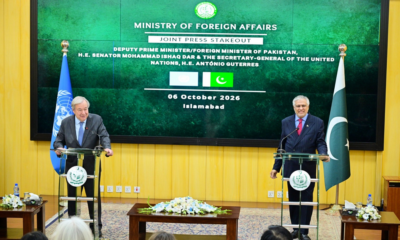
Afghan returns from Pakistan must be voluntary, safe and dignified: Guterres