
Latest News
Peace talks ‘under threat’ as Taliban prepare for major spring offensive

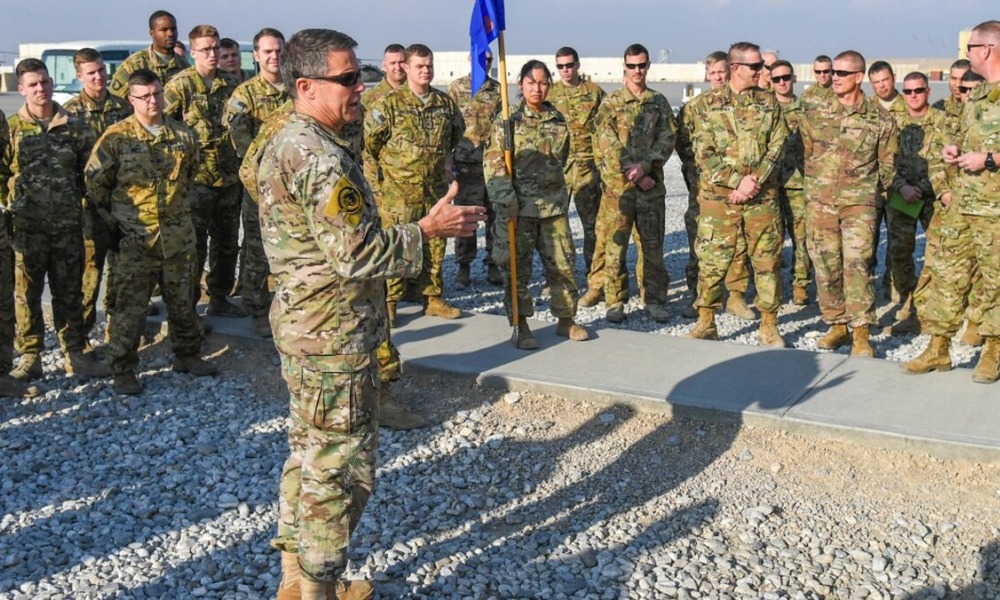
Unusually intense fighting in the winter by Taliban insurgents has spurred Afghan government preparations for more violence in the warmer spring, which international players fear will further endanger the nation’s fragile peace process, Reuters reported.
This comes after a sharp increase in attacks by the group since the signing of the US-Taliban agreement in Doha in February last year.
General Scott Miller, the head of US forces and the NATO-led Resolute Support mission told Reuters that “Taliban violence is much higher than historical norms.”
“It just doesn’t create the conditions to move forward in what is hopefully a historic turning point for Afghanistan,” he said.
Typically fighting quietens down during the snowy winter months before the Taliban launch a “spring offensive” around March. However, this winter, fighting has been intense.
Miller said that the fighting now was an indicator that not only would there be a spring offensive – a move many diplomats view as against the spirit of the Doha agreement – but that it could be more intense than before, Reuters reported.
This also comes as negotiations have largely stalled in Doha in recent weeks and Taliban leaders have left Qatar, a senior state department official said, leading to growing fears that talks could be on the brink of collapse.
“If the violence isn’t reduced, it’s going to make a peace process very, very difficult; it would be very difficult for any side to make the necessary compromises,” Miller said.
The Afghan government has instructed security forces to carry out a comprehensive troop restructuring and design operations to prepare for a “tough and hard” spring offensive, two government sources told Reuters.
They added that Afghanistan’s special forces from different institutions such as the military and police are being streamlined to operate under one command. Highly experienced commanders have been appointed to key areas, and security forces were planning to conduct more airstrikes to avoid losses on the ground.
An Afghan National Security Council spokesman said they were “ready for any kind of war”, though they remained in “active defence” mode.
Four Taliban sources said that most of their commanders had in recent weeks cut short annual training sessions after being called back to the battlefield to prepare for intensive fighting.
Three residents in areas dominated by the Taliban in north-eastern Afghanistan had noticed a pick-up in the group’s activity in recent weeks, telling Reuters they had seen Taliban fighters moving en masse, holding meetings in mosques and beginning food and recruitment drives.
“In the past two weeks the topics Taliban preachers preach, especially on Friday prayers… have changed,” said a tribal elder from Kunduz province who asked not to be named for security reasons. “They preach about… fighting against invasion, and they openly invite people to join them. It’s a clear message that they are preparing for another fight this spring.”
A member of what the Taliban considers its special forces told Reuters that the group was preparing to act when there was an announcement about foreign troops.
“If they don’t leave Afghanistan on the preset date then the USA, NATO and the world will face a dangerous war, a war that never happened in the past 20 years,” he said.
A Taliban spokesman did not reply to a request for comment on the spring offensive.
The administration of US President Joe Biden is reviewing its plans for Afghanistan, including whether to stick to the May 1 deadline in the troop withdrawal agreement former President Trump’s administration signed with the Taliban in February 2020.
Miller said his command recognised that foreign forces could be a target if the Taliban view the deal as breached.
Experts and diplomats see a vanishing window of opportunity for talks to survive, although sides say they are committed negotiating, Reuters reported.
“Talks seem already very close to falling apart,” said Ashley Jackson, co-director of the Centre for the Study of Armed Groups at the Overseas Development Institute. “The trouble is that (Washington) seems to grossly underestimate just how bad things could get and how quickly that could happen.”












Kazakhstan’s Foreign Minister Mukhtar Tileuberdi has called for pragmatic and coordinated international engagement with Afghanistan, saying the country’s long-term stability is closely linked to the security and sustainable development of Central Asia.
Speaking during the general debate of the 81st session of the United Nations General Assembly in New York on Friday, Tileuberdi said humanitarian assistance to Afghanistan remains essential but alone cannot break the cycle of poverty, displacement and dependency.
He said Kazakhstan supports a “pragmatic, coordinated and step-by-step” approach to international engagement with Afghanistan, with the United Nations playing a central role.
Tileuberdi also said Kazakhstan is working with the UN to operationalize the United Nations Regional Centre for the Sustainable Development Goals for Central Asia and Afghanistan in Almaty.
He said the success of the centre should be measured by the results and assistance it delivers to the region.


Abu Muslim Farah defeat Khurasan Faryab 2-0 in ACL season six

Saar: Concerns over Pakistan’s political crisis discussed

Afghanistan Champions League: Omar Zawak Herat beat Toofan Herat 1-0

Blast in Pakistan’s Dera Ismail Khan kills 11, injures 30

Ariana Afghan Airlines increases Kabul-Delhi cargo flights

Saudi energy group signs major Afghanistan deals covering gas exploration and pipeline plans

Trump floats idea of renaming Atlantic or Pacific Ocean

US hits Egyptian bank branches with Iran sanctions as war marks six months

Nepal flood rescue mission enters critical phase as thousands remain missing

Iranian clubs to face Gulf opponents at neutral venues in Asian Champions League Elite
Saar: Concerns over Pakistan’s political crisis discussed

Exclusive interview with Abdul Latif Mansoor, Minister of MRRD

Tawsia: Overview of Afghanistan’s iron mines

Tahawol: Discussion on fresh Pakistani airstrikes on Afghanistan

Saar: Calls for international support for Afghanistan discussed
-

 World5 days ago
CNN, MS NOW and Politico sue Trump, challenging White House ban
-

 Latest News3 days ago
Ariana Afghan Airlines ranks seventh among 45 Central Asian airlines
-

 Latest News4 days ago
UN reiterates call for respect for international law after Kunar airstrikes
-

 Regional3 days ago
US and Iran hold first talks since June after Trump’s ‘annihilation’ threat
-

 Latest News3 days ago
Silk Road highway in Wakhan corridor now reaches the China border
-

 Latest News4 days ago
Afghan Official: Pakistan’s airstrikes will not go unanswered
-

 Sport4 days ago
Afghan boxing referee heads to China for international festival
-
 Regional5 days ago
G7 foreign ministers call on Iran to stop arming Houthis