
Health
Child malnutrition cases rise nearly 50% in Afghanistan as hunger hits record levels

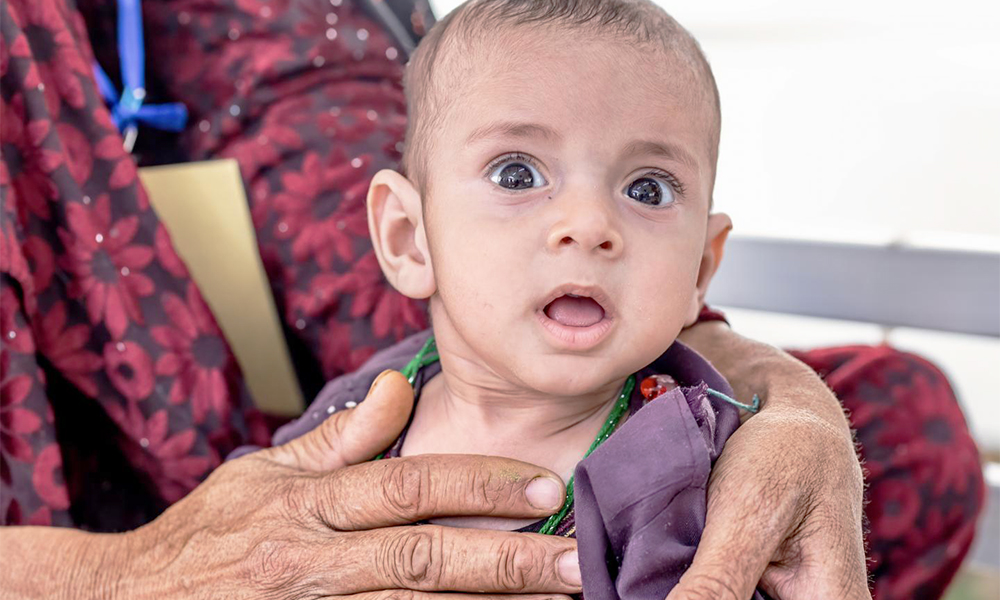
The number of dangerously malnourished children admitted to Save the Children’s mobile health clinics in Afghanistan has increased by 47% since January this year, with some babies dying before managing to receive any treatment, the children’s charity said on Monday.
Demand for malnutrition treatment services has surged in recent months as families struggle to cope with Afghanistan’s worst hunger crisis on record.
In January, Save the Children’s 57 mobile health teams admitted about 2,500 malnourished children for treatment. By September, that number had jumped to around 4,270 children admitted by 66 teams, according to newly released data.
Save the Children’s Country Director in Afghanistan, Chris Nyamandi, said:“Humanitarian organizations like Save the Children are stretched to the absolute limit trying to stop children dying from hunger every day in Afghanistan. But the truth is, with so many children facing life-threatening levels of hunger, we simply do not have the resources to save them all.
“Every day we’re faced with the heart-wrenching decision – which children do we save? It’s outrageous and horrifying to think that international leaders have the power to save these children’s lives – by working to solve the economic crisis and reinstating humanitarian funding and long-term development assistance that was withdrawn when the Taliban (IEA) retook control – but they have been too slow to find solutions and now children are dying as a result.
“Humanitarian organizations have been sounding the alarm on Afghanistan for more than a year now. It’s time the world stopped ignoring this catastrophic crisis and took action before many more children lose their lives.”
Experts had hoped to see a drop in hunger levels in Afghanistan during the recent summer harvest season, but the ongoing drought has led to failed crops and harvests have been much smaller than normal, forcing many rural families to sell land and livestock to buy food to feed their children.
The other major driver of the food crisis – the collapse of the country’s economy – has caused unemployment, poverty and food prices to skyrocket, with many families now only surviving on bread and water for weeks at a time.
Humanitarian organizations have provided vast amounts of life-saving food, but the needs are so high that 50% of Afghanistan’s population is still facing extreme hunger, with 6 million children and adults – nearly one eighth of the population – one step away from famine, the organization reported.
Save the Children doctors say they are overwhelmed with malnourished children – especially young girls who are often deprioritised.
Since the Islamic Emirate of Afghanistan (IEA) regained control in August 2021, Save the Children has scaled up its response to support the increasing number of children in need and is delivering health, nutrition, education, child protection, shelter, water, sanitation and hygiene and food security and livelihoods support.
Save the Children has reached more than 3.3 million people, including 1.8 million children since September 2021.





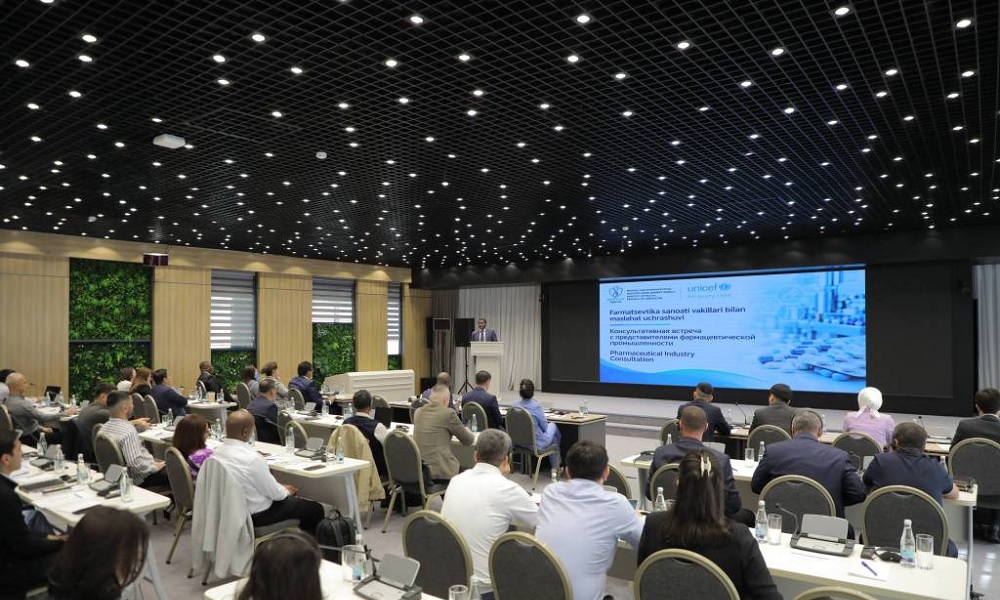
Uzbekistan’s Agency for the Development of the Medical and Pharmaceutical Industry has held talks with UNICEF representatives and local pharmaceutical companies on expanding cooperation and opportunities to supply medicines to Afghanistan.
The meeting was attended by Agency Director Abdulla Azizov, UNICEF Representative in Afghanistan Tajudeen Oyewale, and UNICEF Deputy Representative in Uzbekistan Geoffrey Ijumba.
According to Uzbekistan’s National News Agency, discussions focused on expanding access to international procurement platforms for Uzbek-made medicines, ensuring compliance with international quality standards, and improving transparency in pharmaceutical procurement and tender procedures.
The participants also explored mechanisms for bilateral agreements and potential medicine supplies to Afghanistan.
During the visit, the delegation toured BioPharma City, a pharmaceutical cluster under construction in the Tashkent region, and the Pharmaceutical Technical University. They were briefed on projects aimed at expanding domestic pharmaceutical production and training qualified specialists.
Health
WHO calls for greater mental health support in Afghanistan
World Mental Health Day is observed annually on October 10 to raise awareness of mental health challenges, reduce stigma and encourage access to appropriate care and support.
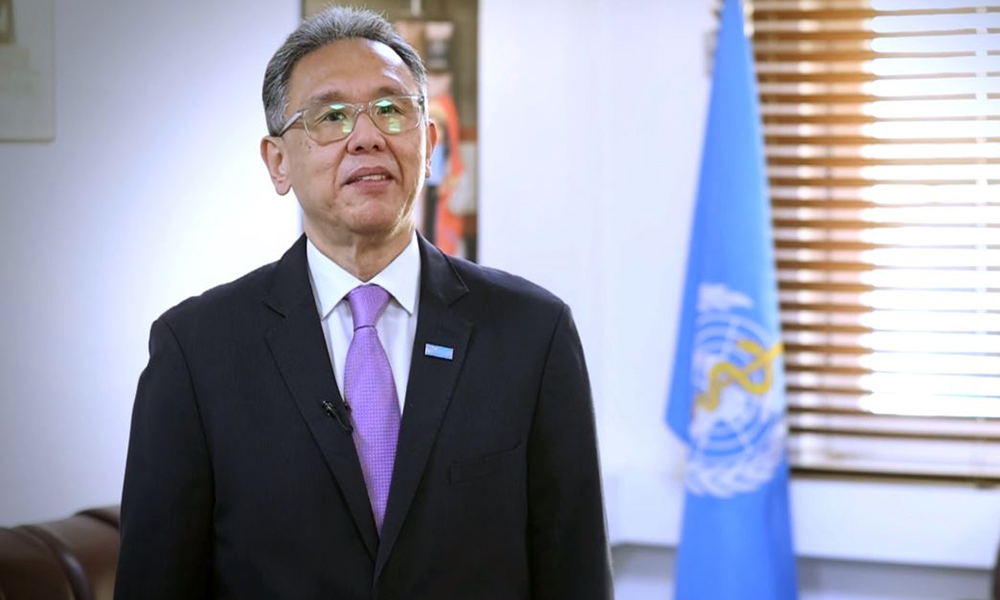
The World Health Organization (WHO) has called for greater attention to mental health care in Afghanistan, warning that many Afghans are experiencing psychological distress due to the loss of loved ones and the challenges of daily life.
Dr. Edwin Ceniza Salvador, the WHO representative in Afghanistan, made the remarks on Saturday, October 10, marking World Mental Health Day. He emphasized that mental health deserves the same level of attention as physical health and urged people experiencing psychological difficulties to seek support and recognize that they are not alone.
Salvador said that listening with empathy and without judgment, supporting one another and speaking openly about mental health issues can help build stronger families and healthier communities.
Highlighting this year’s World Mental Health Day theme, “Mental health in humanitarian emergencies,” he stressed the importance of listening to people’s personal experiences and ensuring their concerns and needs are heard.
He also called on Afghans to show greater compassion, support those facing emotional and psychological challenges, and strengthen community solidarity so that no one is left without care or assistance.
World Mental Health Day is observed annually on October 10 to raise awareness of mental health challenges, reduce stigma and encourage access to appropriate care and support.
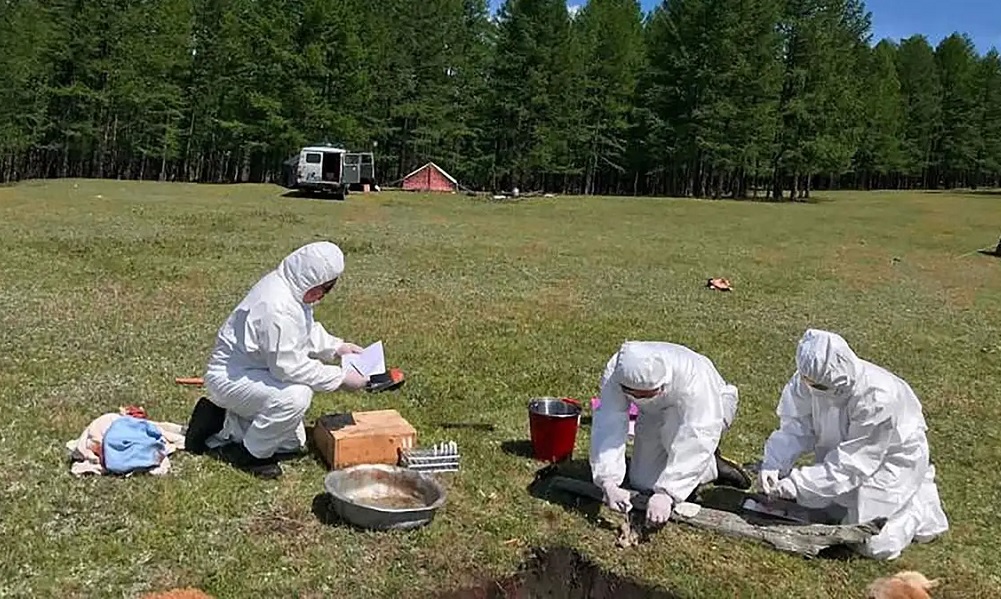
President Donald Trump says the United States is ready to help Russia after reports of a suspected pneumonic plague case in Siberia, as authorities monitor nearly 200 people who may have come into contact with the woman who died.
The woman, a laboratory worker at the Irkutsk Anti-Plague Research Institute, identified in reports as 28-year-old Darya Shipilova, became seriously ill while working at the institute and later died in hospital.
Reports initially suggested she may have been exposed to plague bacteria following an incident at the laboratory. However, Russian health authorities have rejected that account and said she died from pneumonia of unknown origin.
Officials said testing had not detected microorganisms associated with her professional activities and that there was no confirmed laboratory accident involving dangerous pathogens.
As a precaution, authorities have placed people who may have had contact with the woman under medical observation. Five hospitals in the region have also been placed under quarantine measures.
No additional cases of plague have been confirmed, and officials have said those under observation are not showing symptoms associated with the disease.
Pneumonic plague is a severe form of plague that affects the lungs and can spread between people through respiratory droplets. It can, however, be treated with antibiotics when treatment begins promptly.
Trump offers US assistance
The reports have also drawn attention in Washington.
Trump said the United States was closely monitoring the situation and was prepared to assist Russia.
“We’re looking at it very strongly, we just heard about it,” Trump told reporters when asked about the reported risk of pneumonic plague coming from Russia.
“We’ll help them, we’ll help them as much as we can,” he said.
Trump also said he had not spoken with Russian President Vladimir Putin about the reported case.
US Secretary of State Marco Rubio said Washington was monitoring developments but indicated there was no immediate cause for alarm. The US State Department said it was coordinating with the Centers for Disease Control and Prevention and other agencies.
No confirmed outbreak
Despite reports describing the incident as a plague outbreak, Russian authorities have not confirmed a wider outbreak of pneumonic plague.
The cause of the laboratory worker’s illness remains a key point of uncertainty. Russian officials maintain that she died from pneumonia of unknown origin and that tests have not established a connection to plague bacteria.
The monitoring and quarantine measures are precautionary and are intended to identify any potential infections while the investigation continues.
Nearly 200 people are being monitored — but there are currently no confirmed cases of pneumonic plague among them.


Tawsia: New opportunities in Afghanistan’s energy, trade and agriculture sectors discussed

IEA rejects Pakistan’s allegations linking Afghanistan to insecurity

Exclusive interview with Ali Bilal, runner-up in Mr. Olympia Men’s Physique category

Khalilzad warns of worsening relations between Afghanistan and Pakistan

IMF forecasts 1.3 percent regional economic contraction in 2026

Cricket Bonanza: Afghanistan set for packed international schedule

Afghanistan says 28 killed, 32 captured in Nuristan operation

Afghanistan on climate front line as Kabul faces groundwater warning

ACB announces Afghanistan squads for Bangladesh, Zimbabwe series

Trump rejects Iranian proposal to open Hormuz and end fighting
Tawsia: New opportunities in Afghanistan’s energy, trade and agriculture sectors discussed
Exclusive interview with Ali Bilal, runner-up in Mr. Olympia Men’s Physique category

Tahawol: Doha meeting and Afghanistan’s political and economic future discussed

Saar: Concerns over expansion of conflict between Iran and US discussed

Governments warn citizens over security risks in France after riots
-

 Sport5 days ago
Afghanistan finish runners-up after 6-0 defeat to Brazil in futsal final
-

 World5 days ago
Violent protests spread across Europe as Albanian PM blames ‘foreign hand’
-
 Business5 days ago
Iran calls for extending Herat railway to Uzbekistan border
-
 Latest News3 days ago
Russian troops arrive in Uzbekistan for joint military exercises
-

 World5 days ago
Trump endorses Netanyahu in close Israeli election
-

 Latest News2 days ago
Afghanistan’s new Wakhan road to China faces major hurdles
-
 Latest News3 days ago
Qatar calls for shift from humanitarian aid to economic recovery in Afghanistan
-
 World3 days ago
Governments warn citizens over security risks in France after riots