
Health
Kunduz health officials report 28 cases of Congo fever, and 3 dead

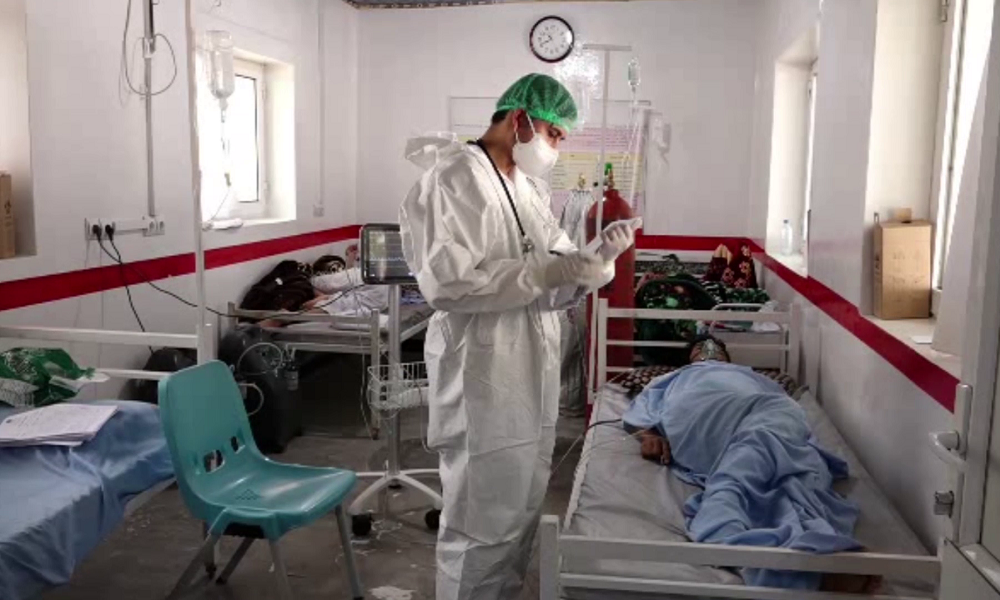
Kunduz Public Health Department says this year 28 cases of Crimean–Congo hemorrhagic fever have been recorded in the province, of which three people have died.
Najibullah Sahil, Kunduz Public Health Director, said they activated a special department for the treatment of Congo fever at the infectious diseases hospital.
“We were fully prepared before the Congo fever [outbreak], we activated the infectious disease hospital, all services are free,” said Sahil.
“Whatever the patients need; medicines, food … all these are free, so there are no problems and people should not worry,” he added.
Meanwhile, butchers in the province say their sales have dropped considerably due to the spread of this disease and people are afraid of eating meat.
“Since Congo fever appeared, business has dropped; it used to be good, but we don’t even sell five kilos of meat a day,” said a butcher.
Chicken sellers, however, say that this market is booming in Kunduz.
“In the past, the chicken business was not good, sometimes the market was good and sometimes not, after the outbreak of Congo fever, the chicken market has improved,” said a chicken seller in Kunduz.
The residents of Kunduz have meanwhile welcomed the awareness campaigns around Congo fever that have been launched by the authorities.
Congo fever is a virus, primarily transmitted to people from ticks and livestock animals. Human-to-human transmission can occur resulting from close contact with the blood, secretions, organs or other bodily fluids of infected persons.
There is no vaccine available for either people or animals, according to the World Health Organization. The virus causes severe viral hemorrhagic fever outbreaks, with a case fatality rate of between 10 and 40%.
The hosts of the virus include a wide range of wild and domestic animals such as cattle, sheep and goats.




Health
Kandahar Red Crescent: More than 3,000 mental health patients treated in five years
Doctors said patients considered a serious danger to society are kept at the center on a permanent basis and receive regular treatment.
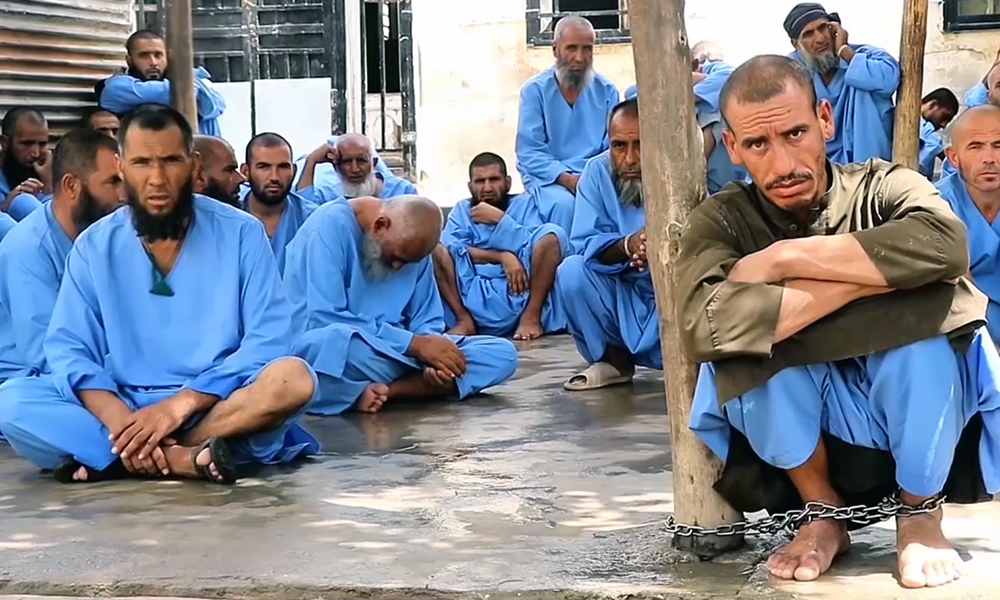
The Kandahar branch of the Afghan Red Crescent Society says more than 3,000 mental health patients, including men and women, have received treatment at home across southern Afghanistan over the past five years.
Officials said 405 patients were also treated at the Afghan Red Crescent’s mental health treatment center in Kandahar and returned to their homes. The center is the only facility in southern Afghanistan providing treatment to mental health patients from the region.
According to officials, during the past five years, 1,936 male and 1,331 female mental health patients received treatment at their homes.
Currently, 158 patients, including men and women who pose a risk to themselves or others, are being kept and treated at the center, while treatment for another 804 patients is continuing at their homes.
Doctors said patients considered a serious danger to society are kept at the center on a permanent basis and receive regular treatment.
Meanwhile, some patients who were previously brought to the center in poor condition are now recovering and have expressed satisfaction with the services they have received.
The development comes as officials from the Red Crescent’s southern regional branch say mental health problems linked to poverty and family difficulties are increasing.
Despite the challenges, they said efforts are underway to expand mental health services so that more patients can receive treatment.
Health
Health minister visits Belarus to expand medical cooperation
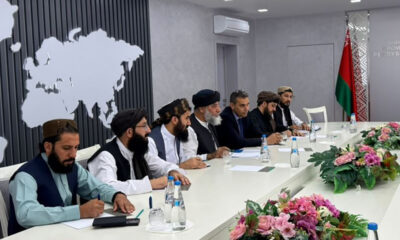
Belarusian Deputy Health Minister welcomed Jalali and his delegation, describing the visit as an important step toward strengthening health cooperation between Afghanistan and Belarus.
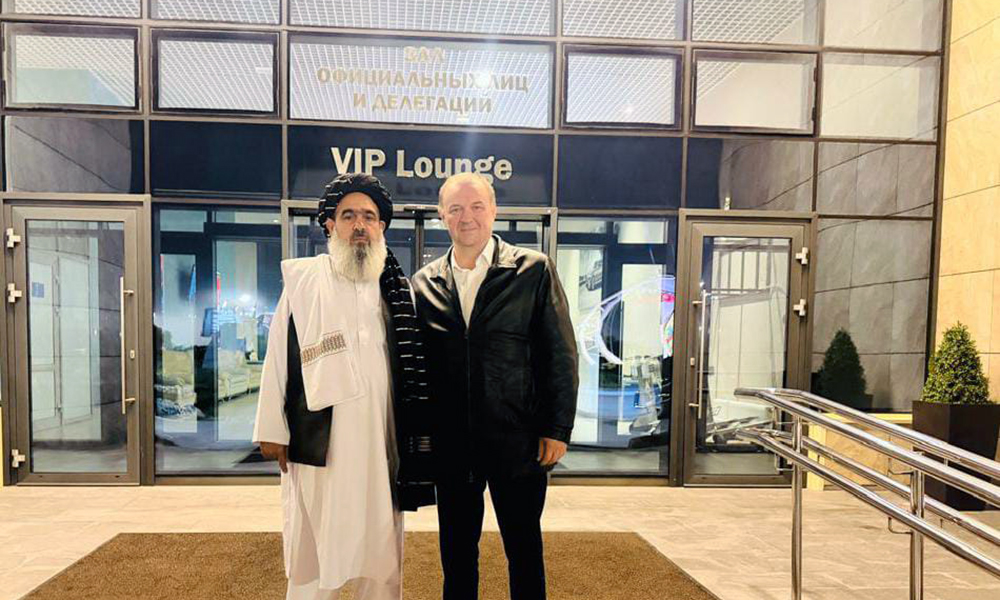
Afghanistan’s Minister of Public Health, Noor Jalal Jalali, has travelled to Belarus at the head of a delegation to strengthen health cooperation and exchange medical expertise between the two countries.
According to Afghanistan’s Ministry of Public Health, the visit will focus on expanding bilateral cooperation, reviewing Belarus’s healthcare institutions and sharing experience in medical services and specialized healthcare.
Belarusian Deputy Health Minister Barys Andrasyuk welcomed Jalali and his delegation, describing the visit as an important step toward strengthening health cooperation between Afghanistan and Belarus.
During the visit, Jalali is expected to meet with senior officials at Belarus’s Ministry of Health and visit several medical and research institutions, including the Belarusian State Medical University, a state pharmaceutical production company, specialized cardiac and oncology centers, the Republican Centre for Hygiene and Epidemiology, and an emergency clinical hospital.
The two sides are also expected to discuss cooperation in medical education, healthcare services, pharmaceutical production and specialized treatment, as well as opportunities to expand technical exchanges.
The visit comes as Afghanistan seeks to expand international cooperation in the health sector and improve access to medical expertise, training and pharmaceutical resources.
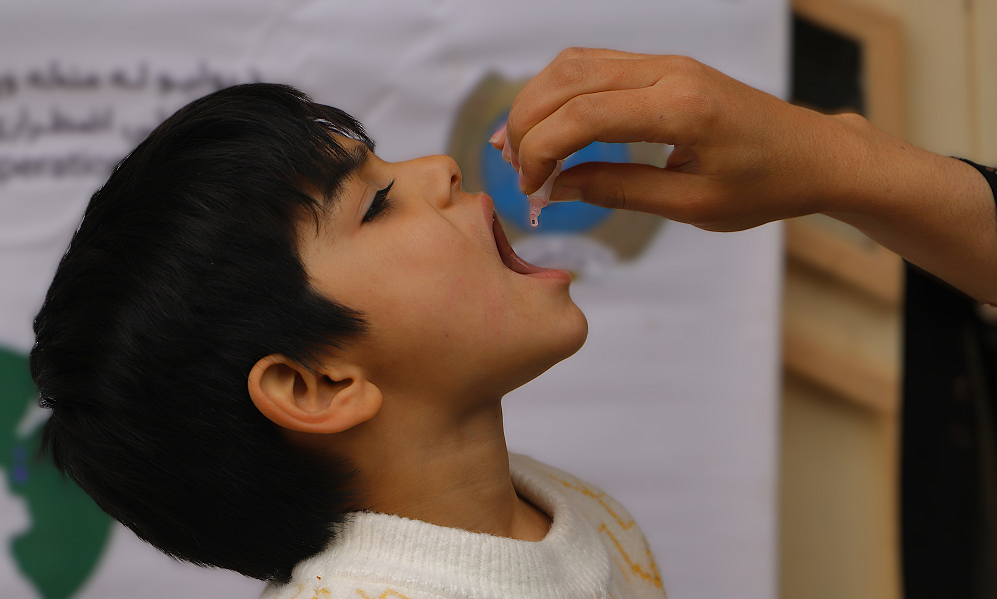
A nationwide polio vaccination campaign got underway across Afghanistan on Monday.
The four-day campaign aims to vaccinate around 12.77 million children under the age of five against polio.
Officials said the campaign is aimed at strengthening protection for children against polio and preventing the spread of the virus.
However, in the southern zone of the country, the polio vaccination campaign will begin one day later, on Tuesday, to ensure better implementation.
According to the information provided, Afghanistan has conducted one nationwide and two sub-national polio vaccination campaigns so far this year. The current campaign is the fourth of the year. In addition, localized campaigns and public awareness programs have also been carried out.
Officials said some environmental samples linked to the polio virus have tested positive. However, the Ministry of Public Health has not so far confirmed any human cases of polio.
According to officials, investigations into suspected cases are ongoing, and information on confirmed human cases will be shared once the assessments are completed and sufficient evidence is available.


Four members of one family killed in Helmand in Pakistan airstrike

UNAMA acting chief visits Islam Qala border to assess support for returnees

Rashid Khan, Azmatullah Omarzai maintain top spots in ICC ODI rankings

Trump: Unlike Afghanistan, US took all equipment from Iraq

Afghanistan, Belarus discuss expanding industrial and trade cooperation

Saudi energy group signs major Afghanistan deals covering gas exploration and pipeline plans

Iranian clubs to face Gulf opponents at neutral venues in Asian Champions League Elite

Khalilzad: Afghanistan ready to attract major investment

Ariana Television Network secures exclusive rights to Afghanistan’s 2026/27 cricket series

El Niño likely to intensify, may become strongest ever recorded, WMO says

Tahawol: Improvement in Afghanistan-China relations discussed

Saar: Expanding ties with regional and global countries discussed

Tahawol: Absence of Afghanistan’s envoy at UNGA discussed

Saar: Assessment of war between Afghanistan and US discussed

Saar: Afghanistan’s image at UNGA
-

 Sport4 days ago
Afghan bodybuilder Ali Bilal finishes runner-up at Mr Olympia for third straight year
-
 Latest News4 days ago
Afghanistan says 28 killed, 32 captured in Nuristan operation
-

 World4 days ago
Trump rejects Iranian proposal to open Hormuz and end fighting
-

 Sport5 days ago
Afghanistan Champions League: Omar Zawak Herat beat Toofan Herat 1-0
-

 Sport3 days ago
Afghanistan vs India Asian Games quarter-final abandoned without a toss
-
 Latest News4 days ago
UNDP, UN Women launch financing initiative for Afghan women entrepreneurs
-
 Latest News4 days ago
Germany reports 488 Afghans for possible deportation, 267 have no criminal convictions
-

 Regional4 days ago
Aimal Wali Khan calls Dera Ismail Khan attack a ‘state failure’