
Latest News
Abdullah calls out Taliban for stalled peace talks

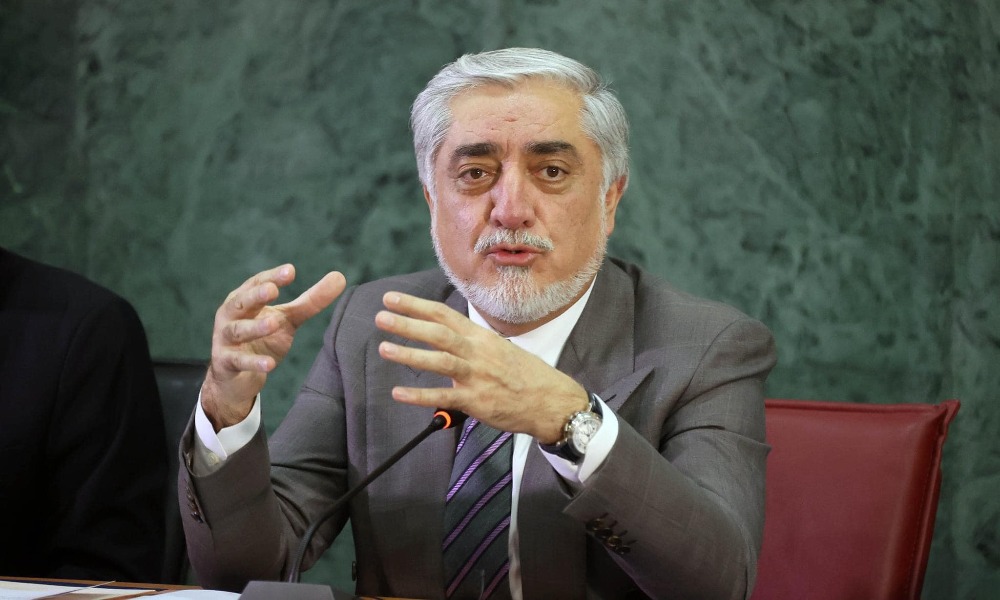
Abdullah Abdullah, Chairman of the High Council for National Reconciliation, on Thursday spoke out against the Taliban who he says has taken a “harsh stance” in relation to the current peace talks.
Addressing an event to mark the establishment of a commission for political parties under the HCNR, Abdullah said: “At this moment, the Taliban has taken a hard stance, which unfortunately is not helping the situation.”
“Our delegation is still in Doha and we are in contact and we hope this deadlock is only short term,” he said.
“We know that nobody will win through war,” Abdullah said, adding that the same applied to peace – that “neither will anyone lose in peace.”
“At this point, the Taliban’s stance is pretty harsh and this does not help as we proceed with the job at hand; they say that the prisoners should be released, the foreigners must withdraw, they should be dropped from the (UN) blacklist,” he said adding that the Taliban also want other conditions met before they will agree to a ceasefire.
On whether the Taliban has stuck to its commitments as per the agreement signed with the US in February last year, Abdullah said one of the preconditions was a reduction in violence. This has not happened, he said.
“One of the foundations of the agreement is a reduction in violence. Has it happened? Of course not,” said Abdullah.
Meanwhile, Afghan Foreign Minister Haneef Atmar also weighed in on the stalled peace process issue on Thursday and called on the international community to review legal options available in order to force the Taliban to stick to its commitments as per the Doha deal.
Addressing a press conference, Atmar said: “All our international partners reiterated that the Taliban must return to the peace process and restart negotiations; if they want the international community to trust them in the peace process, then they should stick to the commitments made in the Doha agreement.”
Atmar also stated that the new Biden administration is working with Afghanistan on a joint program regarding the peace process.

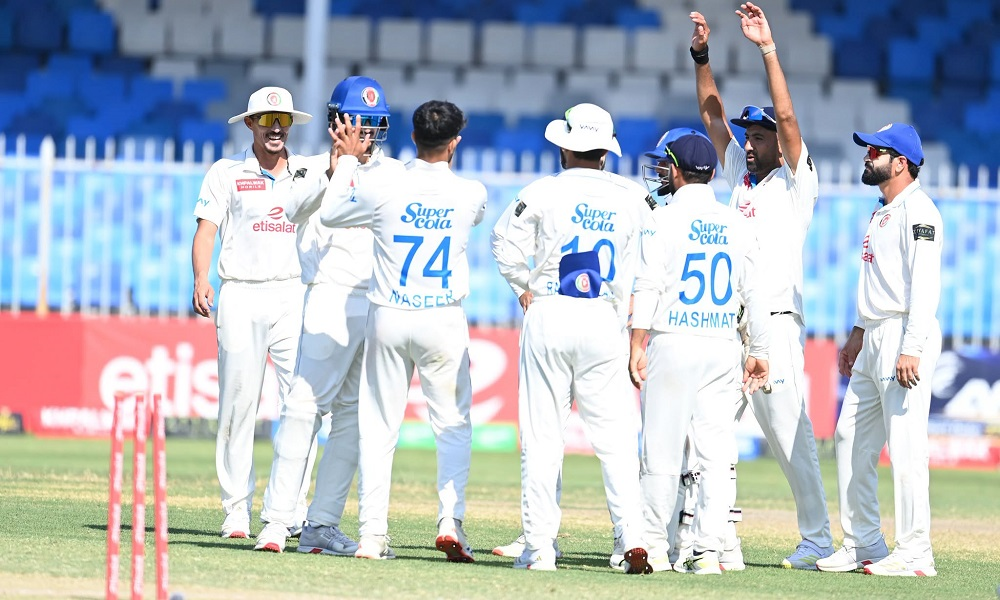
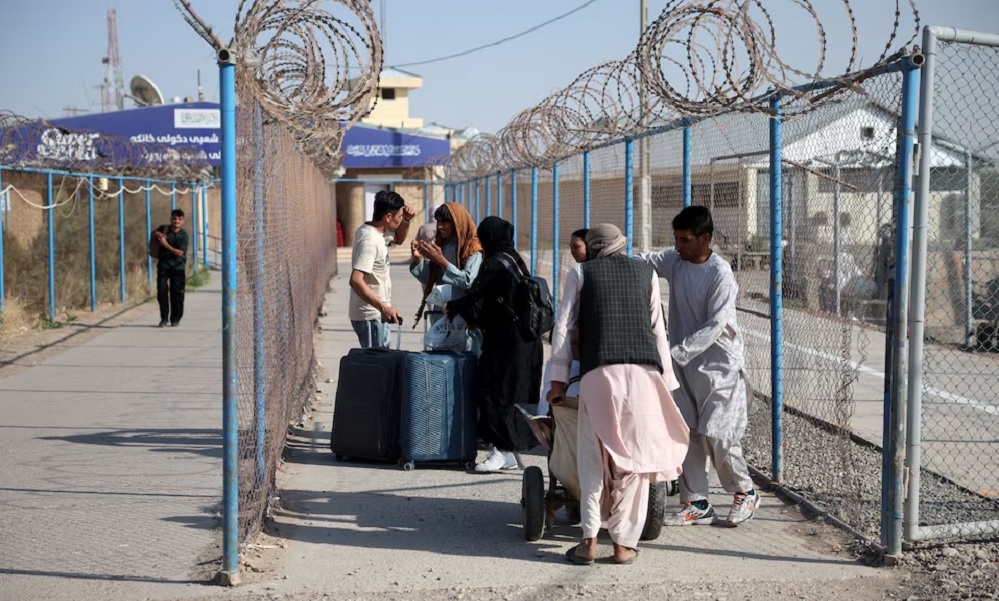
The International Organization for Migration (IOM) recorded 95,489 movements into Afghanistan between October 25 and November 7, 2026, according to its latest Flow Monitoring Update.
The report shows that 64,732 of the recorded movements were from Iran, accounting for 68 percent of the total, while 30,757 were from Pakistan, representing 32 percent.
During the same period, IOM recorded 44,899 movements out of Afghanistan, including 34,206 towards Iran and 10,693 towards Pakistan.
Islam Qala was the busiest monitored crossing point for arrivals, accounting for 40.5 percent of recorded inflows, followed by Pul-e-Abrisham (Milak) at 25.7 percent and Spin Boldak at 17.6 percent.
The report also shows that 84 percent of those recorded entering Afghanistan were over the age of five, while two percent were under five.
IOM noted that its figures represent movements recorded at monitored border crossings, not necessarily unique individuals. The data may include returnees, deportees and people making repeated or temporary cross-border trips.
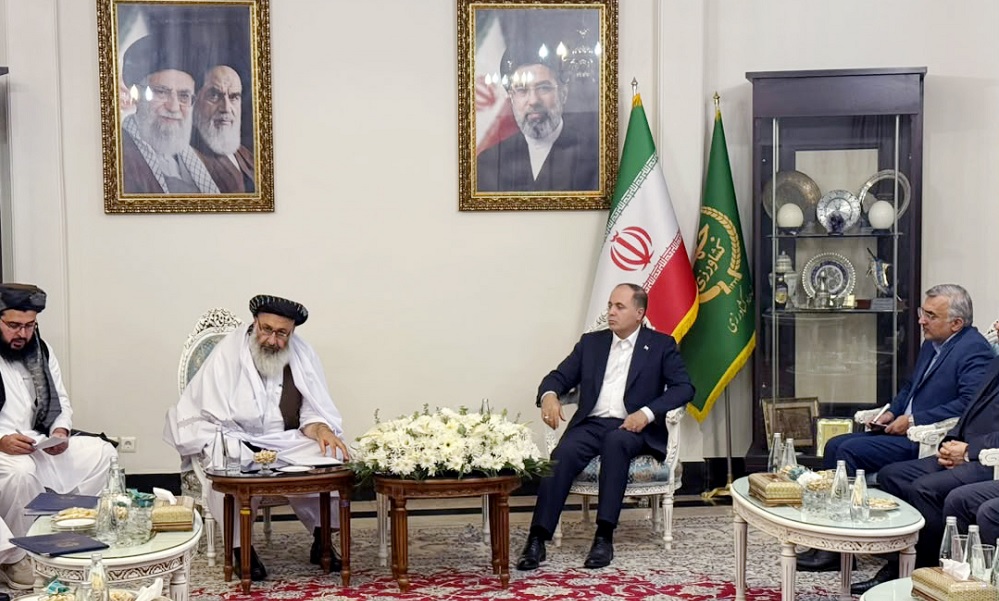
Afghanistan’s Finance Minister Mohammad Nasir Akhund has met with Iran’s Agriculture Minister Gholamreza Nouri Ghezeljeh to discuss expanding bilateral economic and trade cooperation.
The meeting took place during Akhund’s official visit to Iran.
According to a statement from the Ministry of Finance, the discussions focused on preparations for the next meeting of the joint economic commission, exports of Afghan agricultural products to Iran, and ensuring 24-hour operations at customs facilities.
The two sides also discussed addressing challenges faced by Afghan traders, preventing the smuggling of illegal goods, and other trade and economic issues.
Iran’s agriculture minister expressed readiness to cooperate with Afghanistan in the fields of agriculture, livestock and irrigation. He also assured the Afghan delegation that Iran would make the necessary preparations for the upcoming meeting of the joint economic commission and continue efforts to strengthen cooperation in these areas.
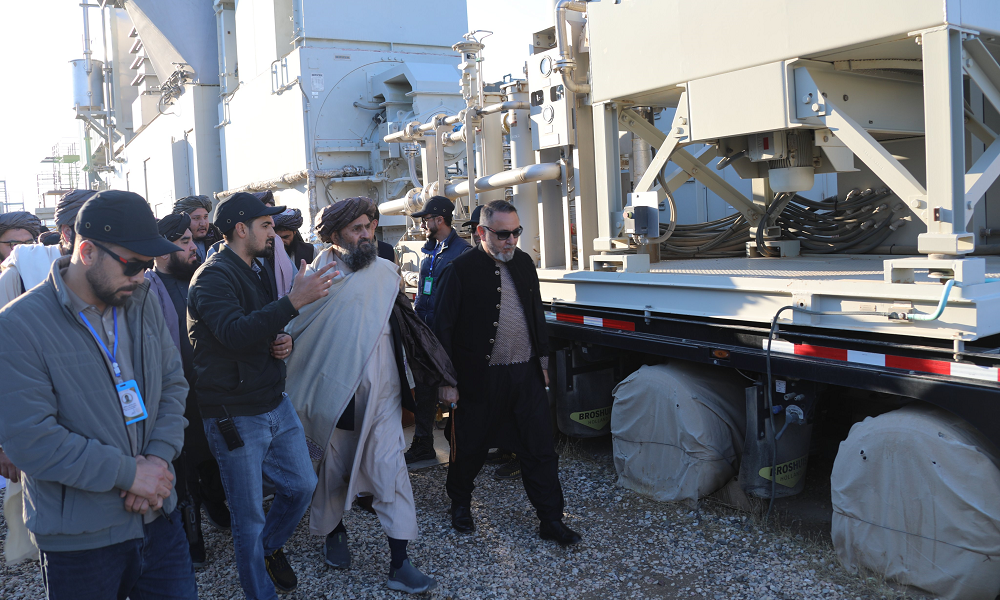
Bayat Power’s 40-megawatt gas-fired electricity turbine has resumed operations in Jawzjan province following an inauguration ceremony attended by Mullah Abdul Ghani Baradar Akhund, Deputy Prime Minister for Economic Affairs, on Saturday.
The resumption marks an important step in Afghanistan’s efforts to strengthen domestic electricity production, reduce reliance on imported power and improve energy security.
During the ceremony, Mullah Baradar praised Bayat Power’s investment in gas-fired electricity generation and encouraged other investors to support the country’s energy sector and wider economy.
He said the Islamic Emirate of Afghanistan had taken significant steps towards economic growth and industrialization, creating favorable opportunities for investment. He also urged investors and industrialists to contribute to reconstruction, economic development and job creation.
Bayat Power’s return to operation comes amid a series of long-term agreements aimed at securing the future of domestic electricity generation. In May, the company extended its power production agreement with the Ministry of Energy and Water for another 10 years, guaranteeing the continued generation of 40 megawatts from domestic natural gas resources in Jawzjan.
The agreement was signed by Bayat Power CEO Ali Kasemi and Minister of Energy and Water Mawlavi Mohammad Younus Akhundzada. It followed a separate 10-year extension of the company’s natural gas supply agreement with Afghan Gas in April and an earlier power production and distribution agreement with Da Afghanistan Breshna Sherkat (DABS).
Bayat Power operates Bayat Power-1, Afghanistan’s first modern gas-to-electricity plant, which uses Siemens Energy’s SGT-A45 mobile gas turbine technology. The facility has the capacity to generate more than 300 million kilowatt-hours of electricity annually, supplying hundreds of thousands of consumers.
The company is Afghanistan’s largest private electricity producer, and its operations form part of broader efforts to expand domestic energy infrastructure and reduce dependence on electricity imports.
The resumption of the turbine is expected to reinforce the country’s local power supply while highlighting the role of private investment in Afghanistan’s energy development.

IOM records more than 95,000 border movements into Afghanistan in two weeks
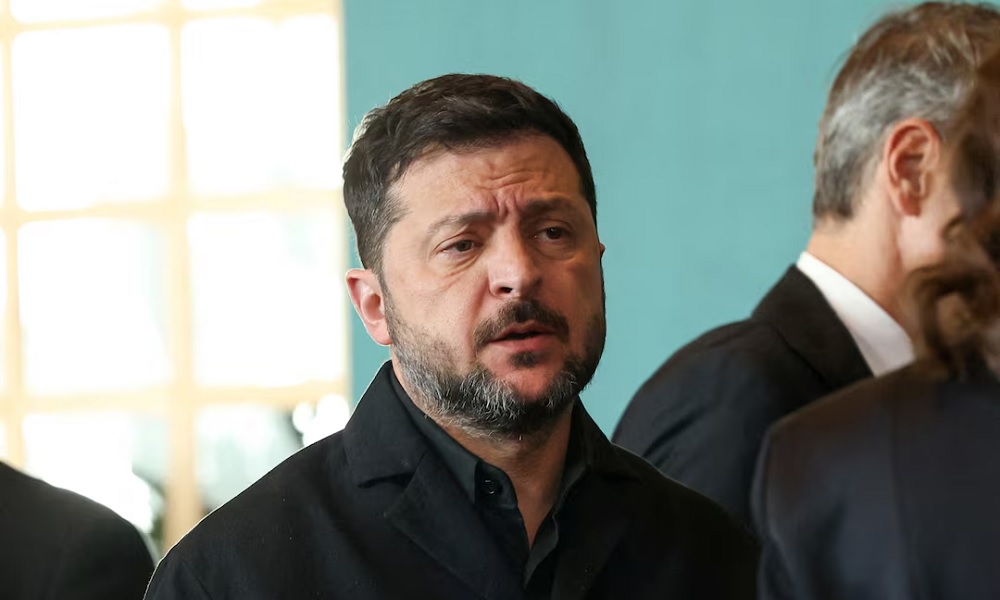
US floated idea of Ukraine ceding Donbas for NATO membership, Zelenskiy says
Afghan, Iranian ministers discuss agricultural exports and trade facilitation
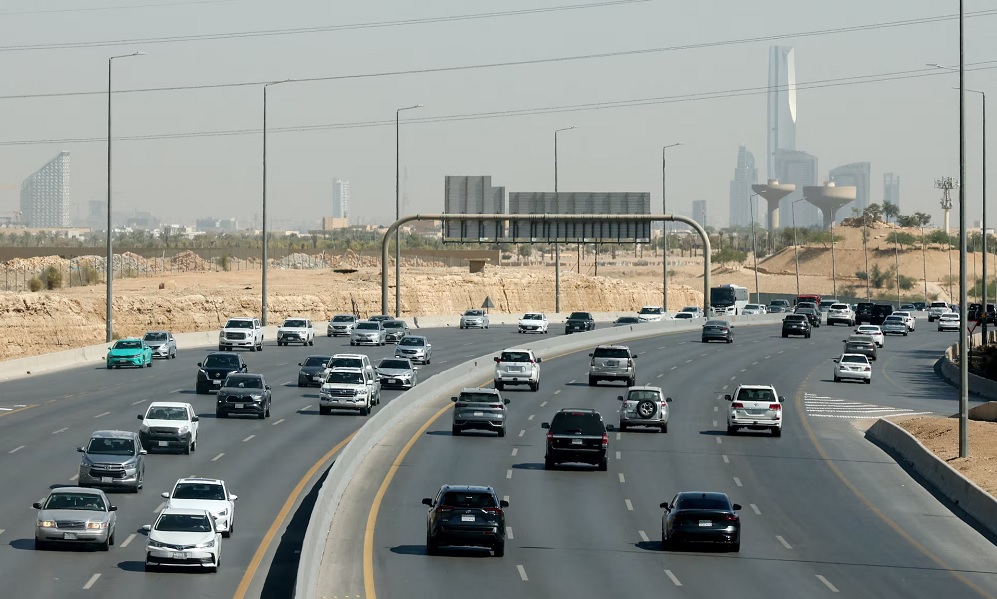
Saudi-led coalition intercepts missiles towards Riyadh, drones in Eastern Province
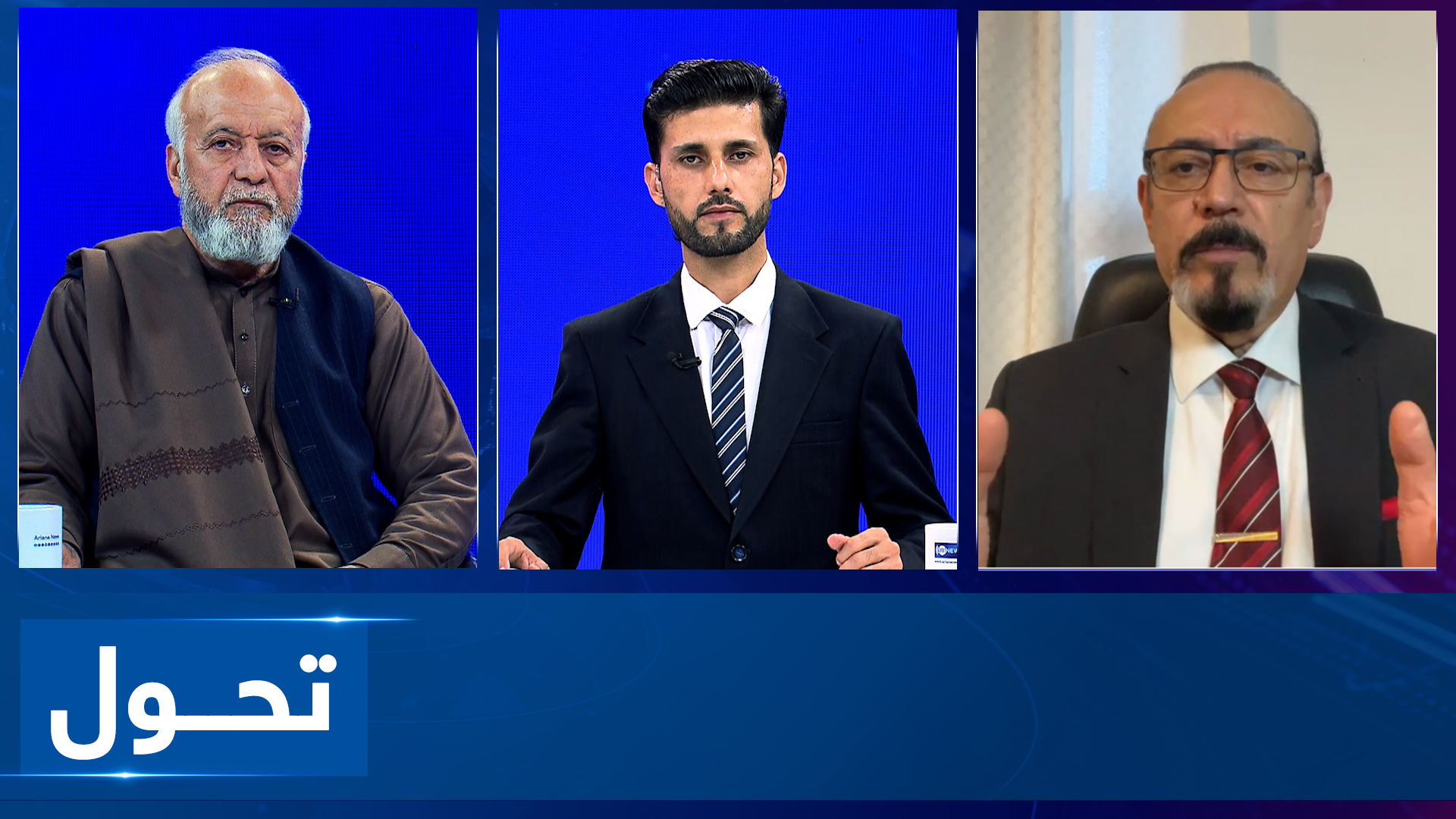
Tahawol: Concerns grow over worsening regional humanitarian crises discussed

Afghanistan finish runners-up after 6-0 defeat to Brazil in futsal final

Trump says US may strike Iran’s ‘Pickaxe Mountain’ nuclear facility

Rubio heads to Central Asia while other US officials hit foreign policy hot spots

Violent protests spread across Europe as Albanian PM blames ‘foreign hand’

Governments take websites offline as critical cyber flaws trigger global alert
Tahawol: Concerns grow over worsening regional humanitarian crises discussed
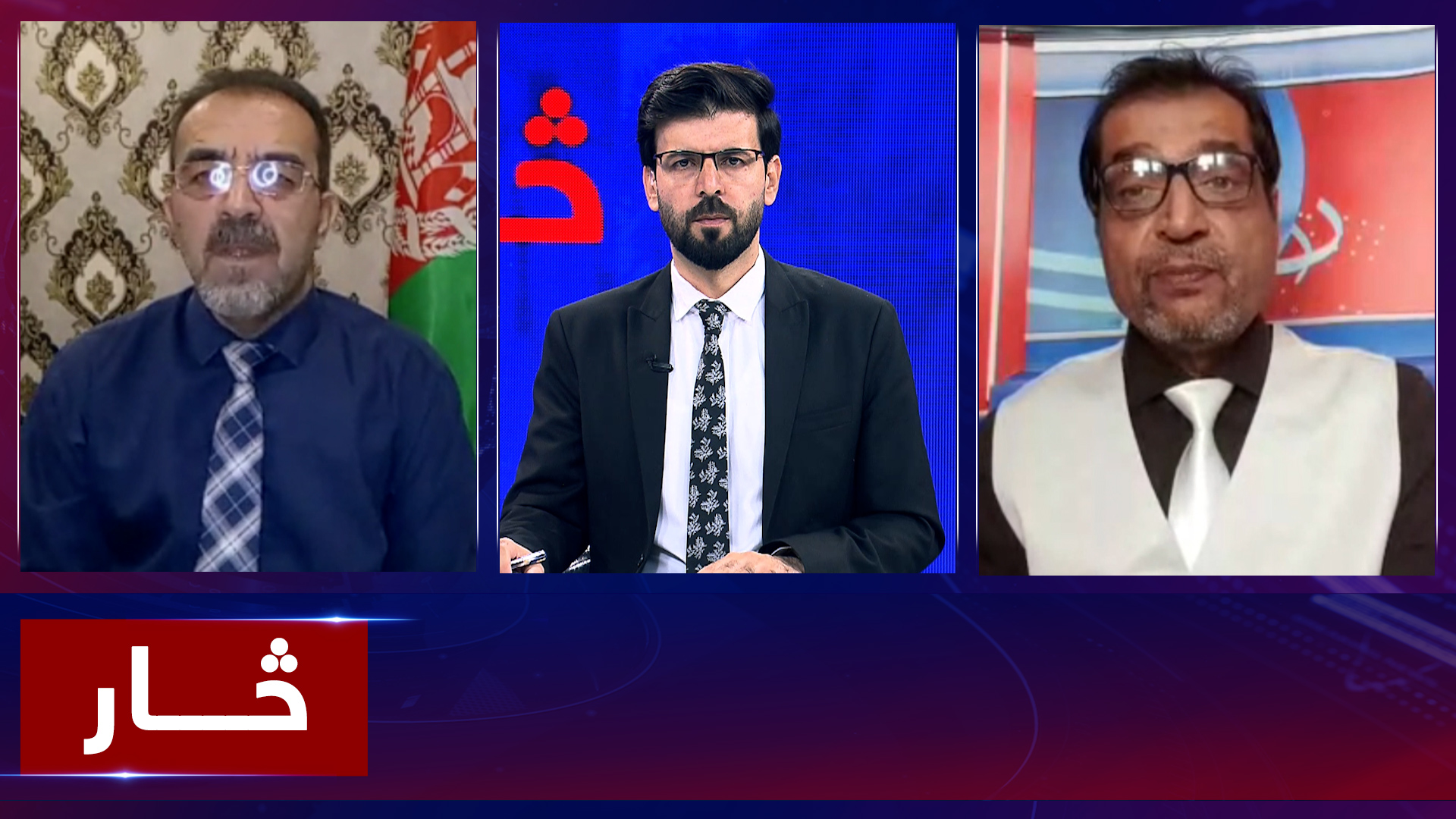
Saar: Forced deportation of Afghan refugees from Iran and Pakistan discussed
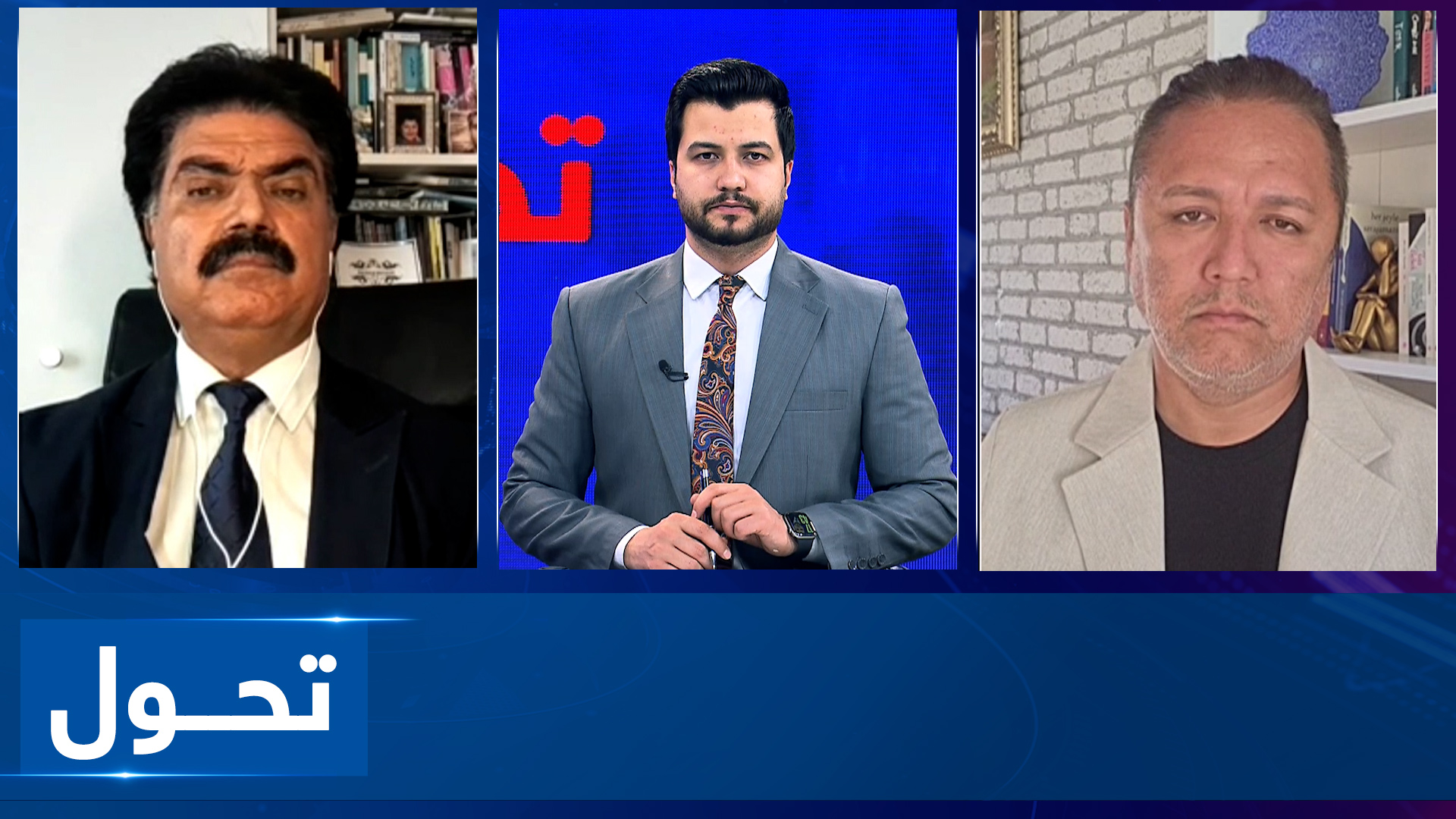
Tahawol: Russia’s special attention to situation in Afghanistan discussed
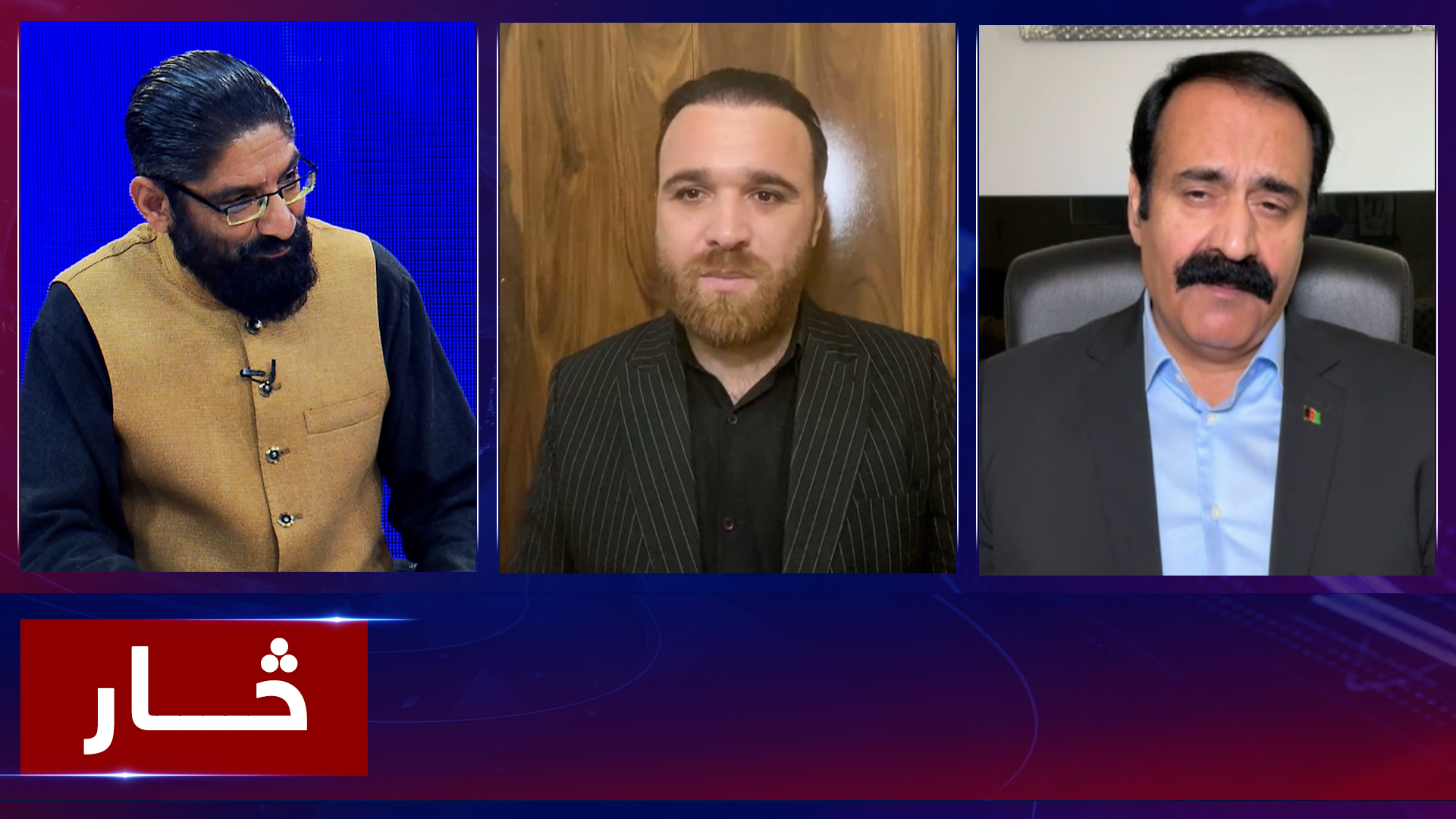
Saar: Discussion on US’s humiliating defeat in Afghanistan
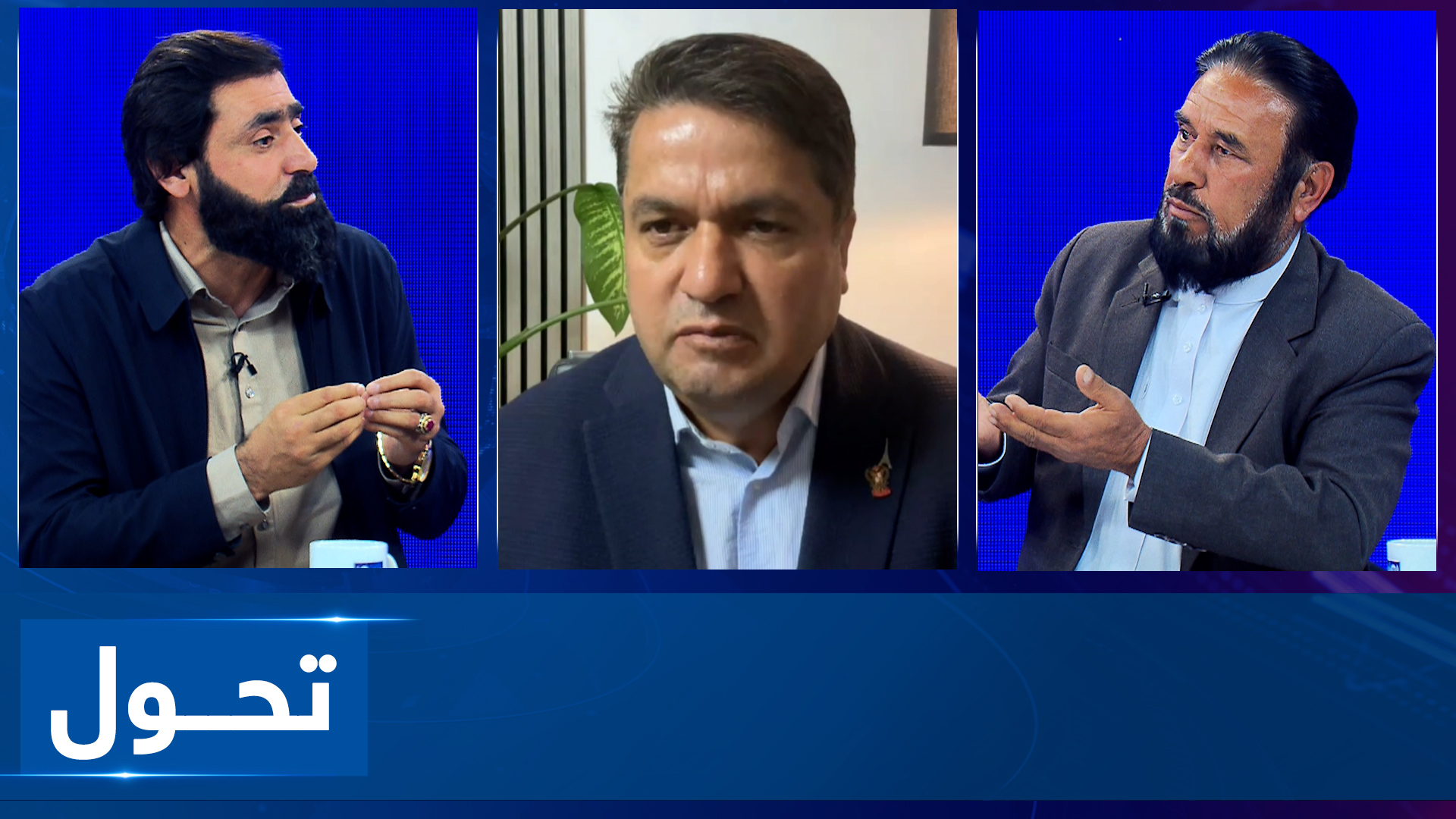
Tahawol: High-level Russian delegation’s visit to Kabul discussed
-
 Sport5 days ago
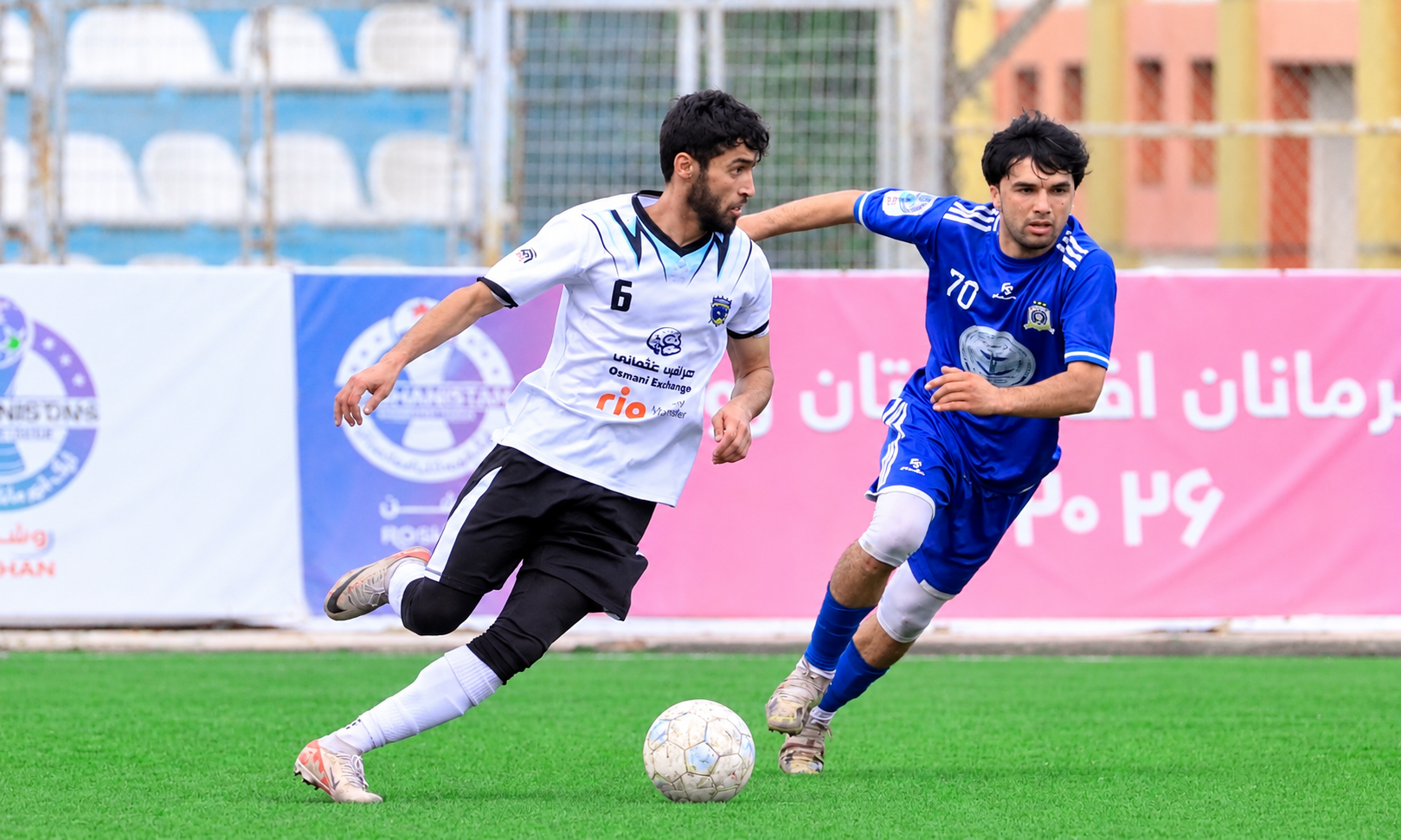
Omar Zawak thrash Istiqlal Kabul 5-1 in ACL
-
 Latest News4 days ago
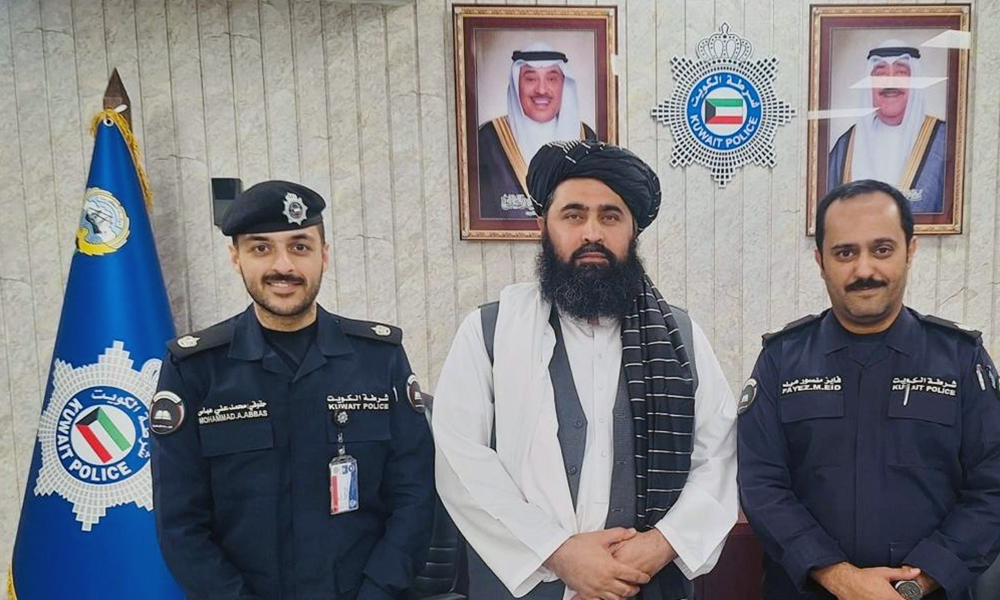
Afghan embassy in Kuwait discusses situation of Afghan prisoners with Kuwaiti officials
-
 Business4 days ago
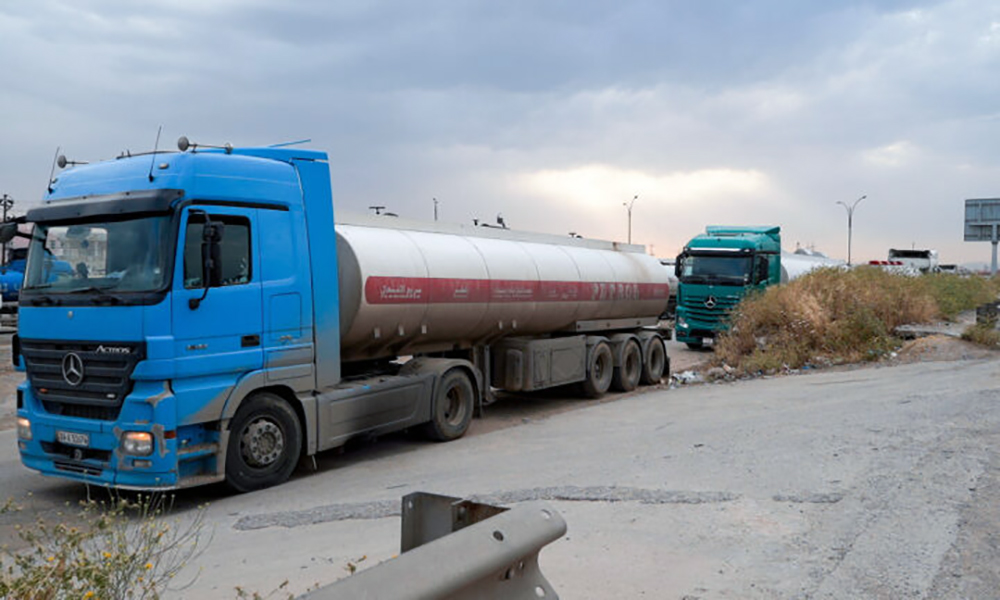
Iraqi intelligence report alleges oil smuggling network supplying Afghanistan and Turkey through Iran
-
 Latest News5 days ago
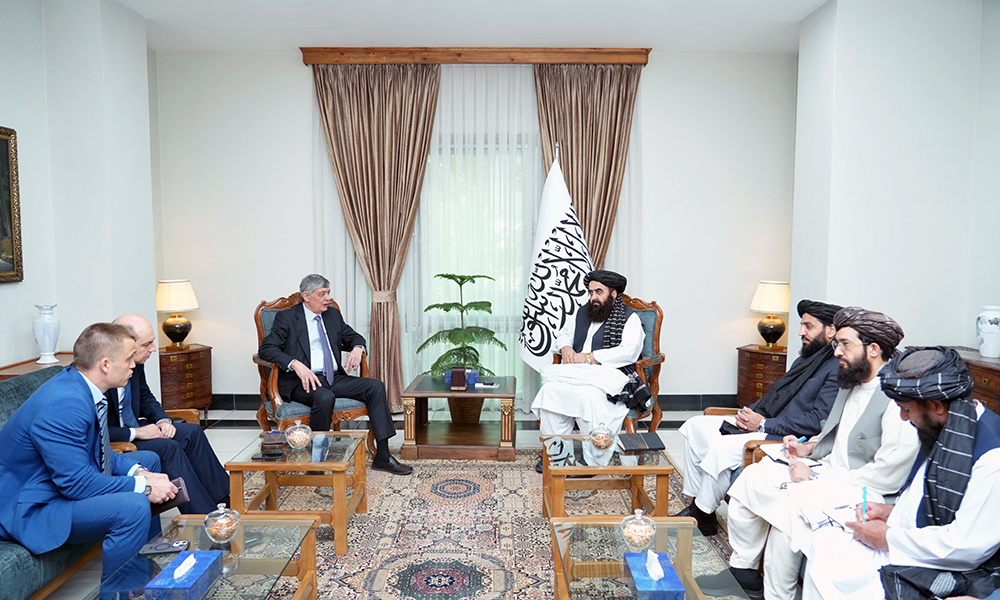
Afghanistan and Russia discuss expanding economic ties and boosting bilateral trade
-
 Tahawol5 days ago
Tahawol: Efforts to halt deportation of Afghan refugees from US discussed
-
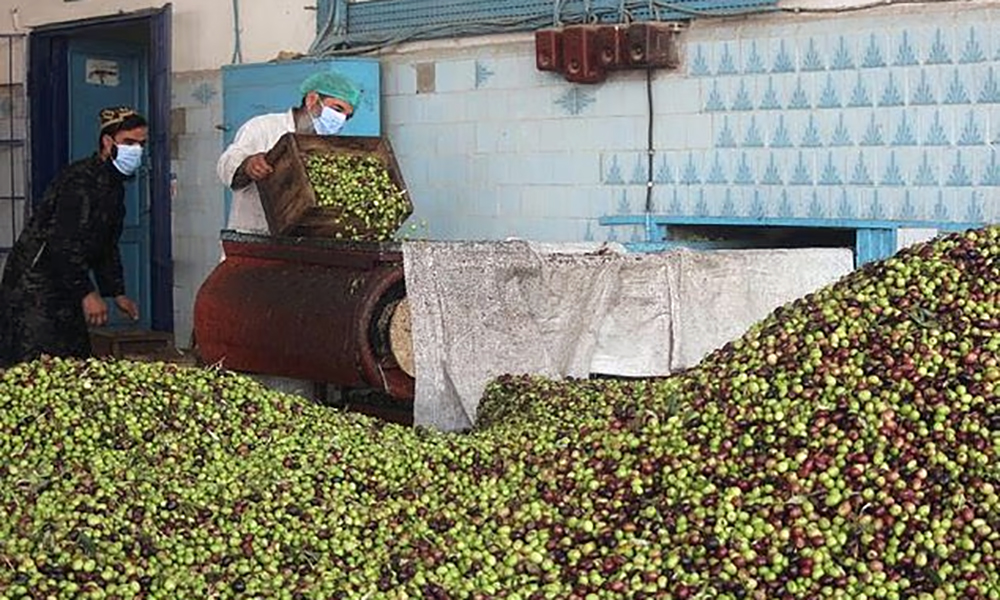 Latest News3 days ago
Olive farming offers new hope to Afghan farmers amid growing climate challenges
-
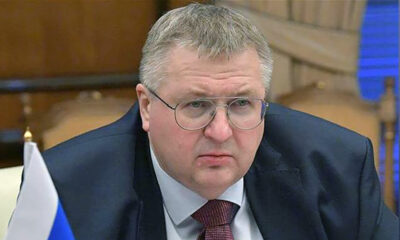
 Latest News4 days ago
Russian deputy prime minister to visit Kabul with high-level economic delegation
-
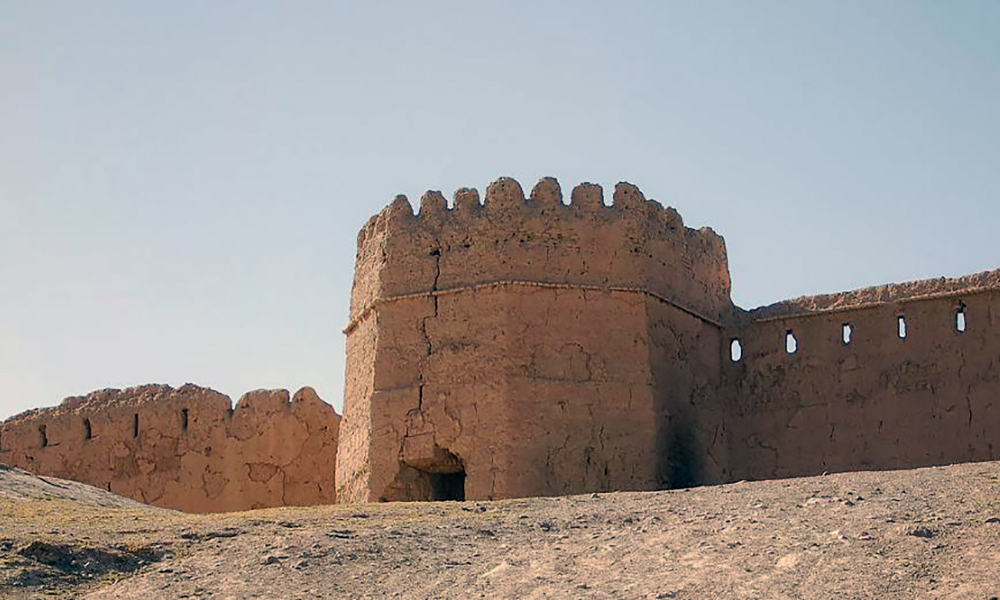 Latest News4 days ago
Ancient treasures unearthed at Kabul’s historic Bala Hissar