
World
Biden, Kadhimi seal agreement to end U.S. combat mission in Iraq

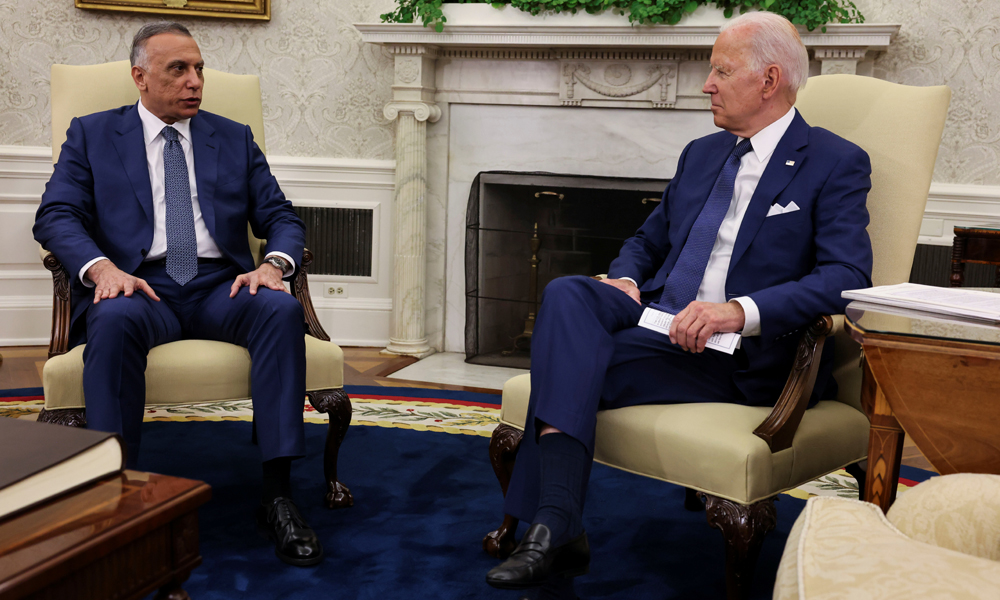
U.S. President Joe Biden and Iraqi Prime Minister Mustafa al-Kadhimi sealed an agreement on Monday formally ending the U.S. combat mission in Iraq by the end of 2021, but U.S. forces will still operate there in an advisory role.
The agreement comes at a politically delicate time for the Iraqi government and could be a boost for Baghdad.
Kadhimi has faced increasing pressure from Iran-aligned parties and paramilitary groups who oppose the U.S. military role in the country.
Biden and Kadhimi met in the Oval Office for their first face-to-face talks as part of a strategic dialogue between the United States and Iraq.
“Our role in Iraq will be … to be available, to continue to train, to assist, to help and to deal with ISIS as it arises, but we’re not going to be, by the end of the year, in a combat mission,” Biden told reporters as he and Kadhimi met.
There are currently 2,500 U.S. troops in Iraq focusing on countering the remnants of Islamic State. The U.S. role in Iraq will shift entirely to training and advising the Iraqi military to defend itself.
The shift is not expected to have a major operational impact since the United States has already moved toward focusing on training Iraqi forces.
Still, for Biden, the deal to end the combat mission in Iraq follows decisions to carry out an unconditional withdrawal from Afghanistan and wrap up the U.S. military mission there by the end of August.
Together with his agreement on Iraq, the Democratic president is moving to formally complete U.S. combat missions in the two wars that then-President George W. Bush began under his watch nearly two decades ago.
A U.S.-led coalition invaded Iraq in March 2003 based on charges that then-Iraqi leader Saddam Hussein’s government possessed weapons of mass destruction. Saddam was ousted from power, but such weapons were never found.
In recent years, the U.S. mission was focused on helping defeat Islamic State militants in Iraq and Syria.
“Nobody is going to declare mission accomplished. The goal is the enduring defeat of ISIS,” a senior administration official told reporters ahead of Kadhimi’s visit.
The reference was reminiscent of the large “Mission Accomplished” banner on the USS Abraham Lincoln aircraft carrier above where Bush gave a speech declaring major combat operations over in Iraq on May 1, 2003.
“If you look to where we were, where we had Apache helicopters in combat, when we had U.S. special forces doing regular operations, it’s a significant evolution. So by the end of the year we think we’ll be in a good place to really formally move into an advisory and capacity-building role,” the official said.
U.S. diplomats and troops in Iraq and Syria were targeted in three rocket and drone attacks earlier this month. Analysts believed the attacks were part of a campaign by Iranian-backed militias.
The senior administration official would not say how many U.S. troops would remain on the ground in Iraq for advising and training. Kadhimi also declined to speculate about a future U.S. drawdown, saying troop levels would be determined by technical reviews.
Kadhimi, who is seen as friendly to the United States, has tried to check the power of Iran-aligned militias. But his government condemned U.S. air strikes against Iran-aligned fighters along its border with Syria in late June, calling it a violation of Iraqi sovereignty. read more
In remarks to a small group of reporters after the talks, Kadhimi stressed that his government was responsible for responding to such attacks. He acknowledged that he had reached out to Tehran to address them.
“We speak to Iranians and others in an attempt to put a limit to these attacks, which are undermining Iraq and its role,” he said.
The United States plans to provide Iraq with 500,000 doses of the Pfizer/BioNTech (PFE.N), COVID-19 vaccine under the global COVAX vaccine-sharing program. Biden said the doses should arrive in a couple of weeks.
The United States will also provide $5.2 million to help fund a U.N. mission to monitor October elections in Iraq.
“We’re looking forward to seeing an election in October,” said Biden.

World
US to resume flights after air traffic network failure sparks chaos
More than 6,600 flights were canceled and 8,600 delayed, with another 1,500 already canceled for Sunday, according to FlightRadar24. Aviation analysts said the four-hour nationwide grounding could disrupt airline schedules for days.

The FAA lifted a nationwide ground stop on Friday after a communications failure at air traffic control centers caused chaos at US airports and triggered the longest shutdown since the September 11, 2001, attacks.
Transportation Secretary Sean Duffy said US airspace reopened at 8:15 p.m. Eastern Time (0115 GMT), but warned that departures would resume gradually and it would take time for airlines to restore normal operations, Reuters reported.
“It’s going to be slow,” Duffy told reporters at the White House.
More than 6,600 flights were canceled and 8,600 delayed, with another 1,500 already canceled for Sunday, according to FlightRadar24. Aviation analysts said the four-hour nationwide grounding could disrupt airline schedules for days.
Duffy said tens of thousands of passengers were stranded at airports around the country. Duffy said he and Homeland Security Secretary Markwayne Mullin had met with President Donald Trump in the Oval Office to discuss the outage.
The failure is the latest and most dramatic sign of strain on a US air traffic control system beset by aging technology, equipment and communications problems and a shortage of several thousand controllers.
Duffy said the trouble began at 3:36 p.m., when air traffic control centers experienced instability in radar and communications systems.
“Our switches, our routers actually got overloaded with data and they started to give us inconsistencies in the data from those routers and because of that we shut the system down,” Duffy said, adding that at no stage did they completely lose radar or communications and they were able to safely land thousands of planes.
Duffy said the immediate problem had been fixed and that flying was safe, but warned that a broader overhaul of the aging air traffic control system was needed to prevent similar failures.
$50 BILLION AVIATION OVERHAUL
Duffy blamed Congress for failing to fund a new system that he said could prevent such outages, and called for $50 billion to modernize it.
Earlier on Friday, before the outage, the White House and Department of Transportation had urged Congress to approve $30.1 billion to upgrade the nation’s aging airports and air traffic control infrastructure.
“What we have is an incredibly old air traffic control system,” Duffy said.
“Give us the money to fix it.”
Homeland Security Secretary Mullin said there was “zero evidence” so far that the outage resulted from a cyberattack or a rogue AI system, though investigators had not ruled out either possibility.
“It appears this was mechanically driven, however, we’re still looking,” Mullin said.
The National Security Agency was working with the Department of Homeland Security on the investigation, he added.
The outage appeared to be affecting a telecommunications network overseen by L3Harris Technologies, according to two airline officials. The network handles critical radio frequencies used by air traffic controllers to communicate with pilots. L3Harris did not respond to a request for comment.
PAIN NOT OVER FOR PASSENGERS
Though the ground stop was lifted, the disruption for passengers was far from over. From Boston to Seattle and New York to Los Angeles, passengers crowded departure halls and airline desks as delays and cancellations mounted and aircraft remained parked at gates.
Thousands of passengers faced being stranded overnight. Edward Kargbo, 50, from West Chester, Pennsylvania, had been scheduled to take a 9 p.m. Ethiopian Airlines flight to Lomé, Togo. Instead, he planned to spend the night at the airport before a rescheduled flight at 6 a.m. on Saturday.
“I have to squat the night here,” he said. “I’m stranded.”
Louise Maher, 47, was also caught up in the disruption at Newark after her British Airways flight to London was caught up in the aviation meltdown.
“I might cry at some point but not yet,” she said.
US airlines will not be required to provide compensation to stranded passengers because the carriers were not responsible for the FAA system failures.
The only other nationwide ground stop since the September 11 attacks came in January 2023, when the FAA halted domestic departures for about 90 minutes.
Investors were already pricing in a financial hit to airlines. Shares of American Airlines (AAL.O), opens new tab, United Airlines (UAL.O), opens new tab and Delta Air Lines fell between 1% and 2% in after-hours trading, while JetBlue Airways dropped about 3%.
American Airlines said it was prioritizing flights to smaller cities outside its major hubs and international destinations to position aircraft and crews for a faster recovery.
World
Rubio assails international court in speech to conservative legal group
The US, Rubio said, would not “submit to the sterile vision of radical judges or soulless global bureaucrats,” repeating his assertion that the court would try to prosecute US officials or service members that he used to justify sanctions against the ICC announced last month.
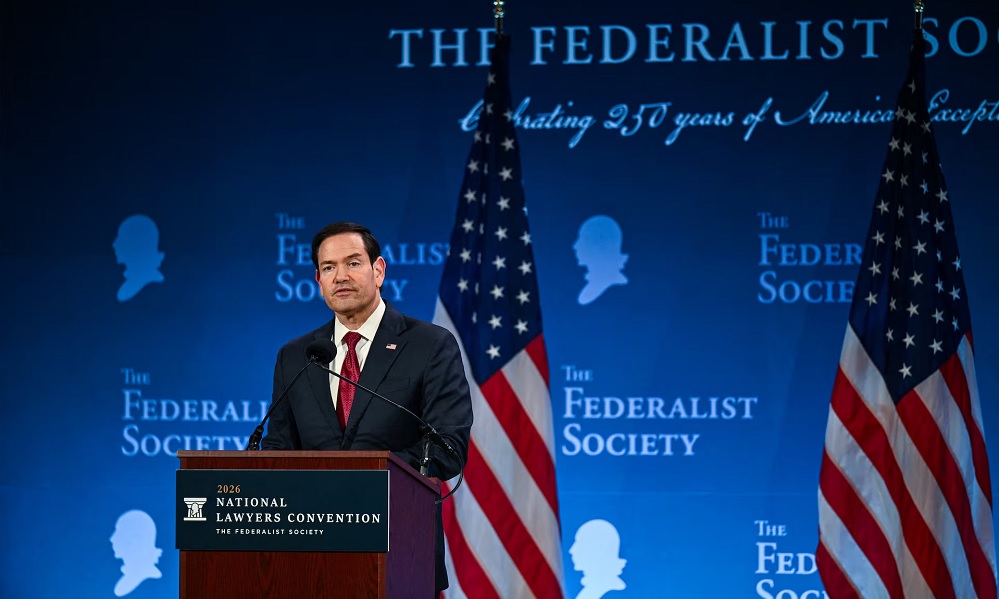
Secretary of State Marco Rubio attacked the International Criminal Court in a speech to a conservative legal group on Friday, arguing for a muscular foreign policy and against international law restraining US actions.
Rubio’s speech to the Federalist Society in Washington, his first prepared remarks since Republicans were routed in the midterm elections on November 3, heightens speculation over whether he will leave his roles as national security adviser and top US diplomat to run for president in 2028, Reuters reported.
Rubio, who has at times sought to provide an intellectual justification for President Donald Trump’s “America First” foreign policy, has firmly denied reports he will soon embark on a presidential campaign, but the Federalist Society is an occasional stop for Republican hopefuls.
He has dismissed criticisms that the Trump administration has broken international law by such actions as seizing Venezuelan then-President Nicolas Maduro and striking boats in the Caribbean and Eastern Pacific that it says were carrying drugs.
In his speech, Rubio said the goal of the US-Israeli war against Iran was to prevent Tehran from ever developing a nuclear weapon, which he said was particularly urgent because the Islamic Republic’s “radical Shia clerics” had an “expansionist mentality.”
He contrasted this with the government of North Korea’s Kim Jong Un, whom Trump has met three times. “I’m not excusing the terrible things that have happened there,” Rubio said of North Korea. “I’m just saying he (Kim) is not expansionist. He’s not trying to invade Japan or, you know, China or whatever.”
The US, Rubio said, would not “submit to the sterile vision of radical judges or soulless global bureaucrats,” repeating his assertion that the court would try to prosecute US officials or service members that he used to justify sanctions against the ICC announced last month.
“Americans have never agreed to submit to the ICC’s authority, but that court and its allies in the global bureaucracy have appointed themselves judge and jury and executioner of the international order,” Rubio said.
The Trump administration has long been hostile to the Netherlands-based court, founded in 2002 to prosecute war crimes, crimes against humanity and genocide, and has previously imposed sanctions on its prosecutors and judges. The ICC has received strong backing from most member states, which include all EU countries and all members of the NATO alliance apart from the United States and Turkey.
Washington has denounced the court over arrest warrants issued for Israeli officials including Prime Minister Benjamin Netanyahu, and an investigation into actions of US soldiers in Afghanistan, which the ICC says is “deprioritized.”
The US sanctions, designed to stifle the ICC’s ability to operate, will take effect in April unless supporters of the Netherlands-based court can reach an agreement with the US to avert them.
Rubio suggested that if the court tried to enforce its rulings against Americans, Washington would respond with force. Quoting the Roman general Pompey, Rubio said the US response would be: “Stop quoting laws to men with swords.”
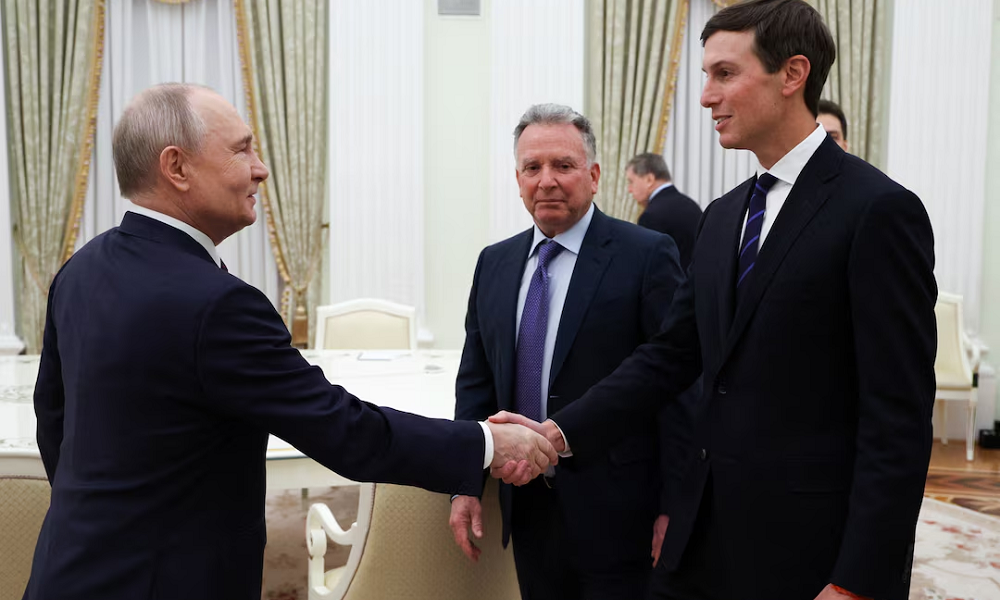
Russian President Vladimir Putin has agreed to include European representatives in the next round of Ukraine peace talks, a US envoy said, while Ukrainian President Volodymyr Zelenskiy welcomed the prospect, calling it an important step towards advancing diplomatic efforts.
US special envoy Steve Witkoff announced the development following his meeting with Putin at the Kremlin on Thursday. He said European participation was important, as the countries were partners in efforts to resolve the conflict.
Witkoff and fellow US envoy Jared Kushner later travelled to Ireland, where they met with Zelenskiy on the sidelines of a European summit in Dublin.
The Ukrainian president welcomed the prospect of European involvement and expressed hope that the next round of negotiations would focus on de-escalation and possible ceasefire arrangements.
Zelenskiy said it was important to remove obstacles to the negotiations and establish an agenda that could help reduce tensions and move the conflict towards a peaceful resolution.
However, Putin stressed that Moscow had never opposed dialogue with European countries, claiming that European governments had been responsible for ending direct engagement with Russia.
The Russian president also warned that deploying Western troops in Ukraine under a potential peace agreement would be considered a security threat by Moscow and could lead to a resumption of hostilities.
Putin urged Washington to work with its European allies to determine whether they genuinely wanted peace or continued conflict in Ukraine.
Meanwhile, Kremlin aide Yuri Ushakov did not confirm European participation in the next round of talks and criticised the current European position on the conflict, describing it as a path towards an endless war.
The latest developments follow two days of trilateral negotiations between Russian, Ukrainian and US representatives in Abu Dhabi, marking the first direct US-mediated talks between Moscow and Kyiv in nine months.
Both sides reported some progress but acknowledged that major disagreements remain, particularly over territorial issues. Russia currently controls about one-fifth of Ukraine, while Kyiv continues to reject surrendering the remaining parts of the eastern Donbas region.
Separately, Zelenskiy raised concerns over restrictions affecting Starshield satellite communications, saying the disruptions had affected the entire front line. The Ukrainian president warned that limitations on the US-made system could have significant implications for Ukraine’s military operations.
The developments highlight continued diplomatic efforts to end the war, although major differences between Russia, Ukraine and their Western partners remain unresolved.

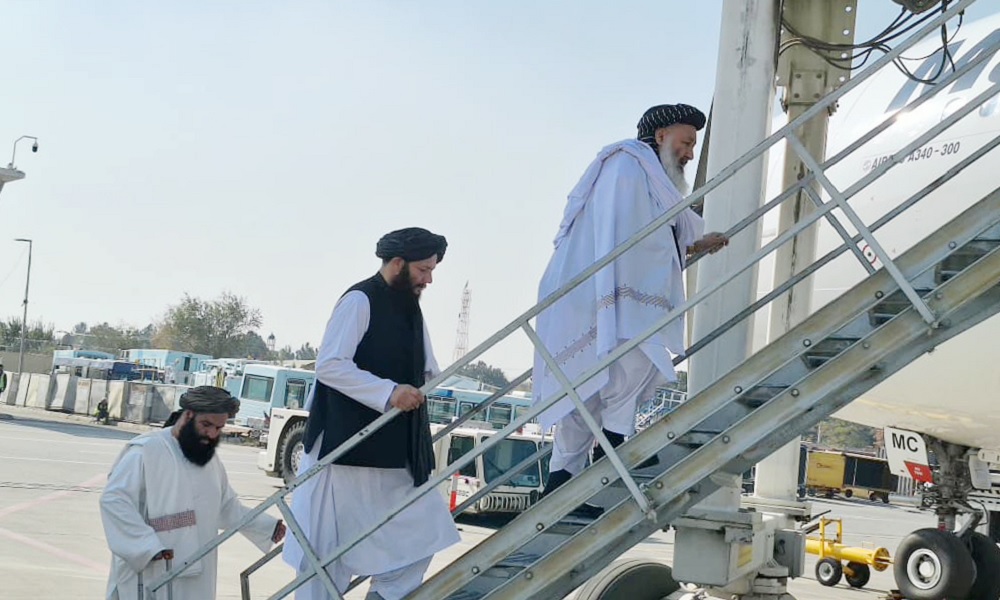
Afghanistan’s finance minister travels to Iran for official visit
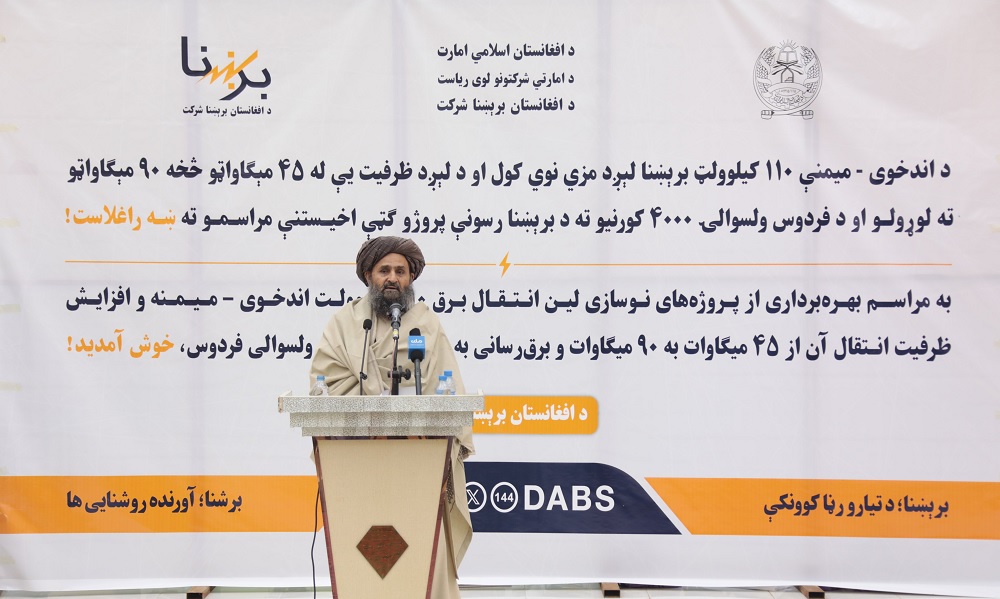
Newly rehabilitated power line to benefit 60,000 consumers in Faryab
US to resume flights after air traffic network failure sparks chaos
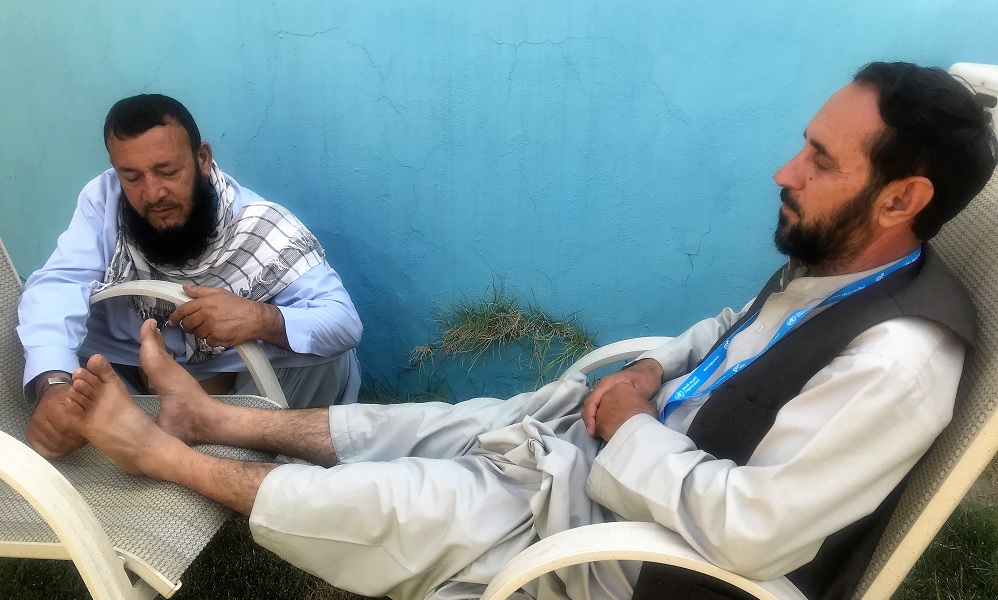
Diabetes screening available in only one in 20 public health facilities in Afghanistan: WHO
UNHCR representative urges continued international support for Afghanistan

Afghanistan finish runners-up after 6-0 defeat to Brazil in futsal final

Trump says US may strike Iran’s ‘Pickaxe Mountain’ nuclear facility

Rubio heads to Central Asia while other US officials hit foreign policy hot spots

Violent protests spread across Europe as Albanian PM blames ‘foreign hand’

Governments take websites offline as critical cyber flaws trigger global alert
Tahawol: Russia’s special attention to situation in Afghanistan discussed
Saar: Discussion on US’s humiliating defeat in Afghanistan
Tahawol: High-level Russian delegation’s visit to Kabul discussed
Saar: Afghanistan’s situation in focus at CSTO discussed
Tahawol: Efforts to halt deportation of Afghan refugees from US discussed
-
 Sport5 days ago
Portugal beat Afghanistan 2-0 in Dakar Youth Olympics futsal semi-finals
-
 World5 days ago
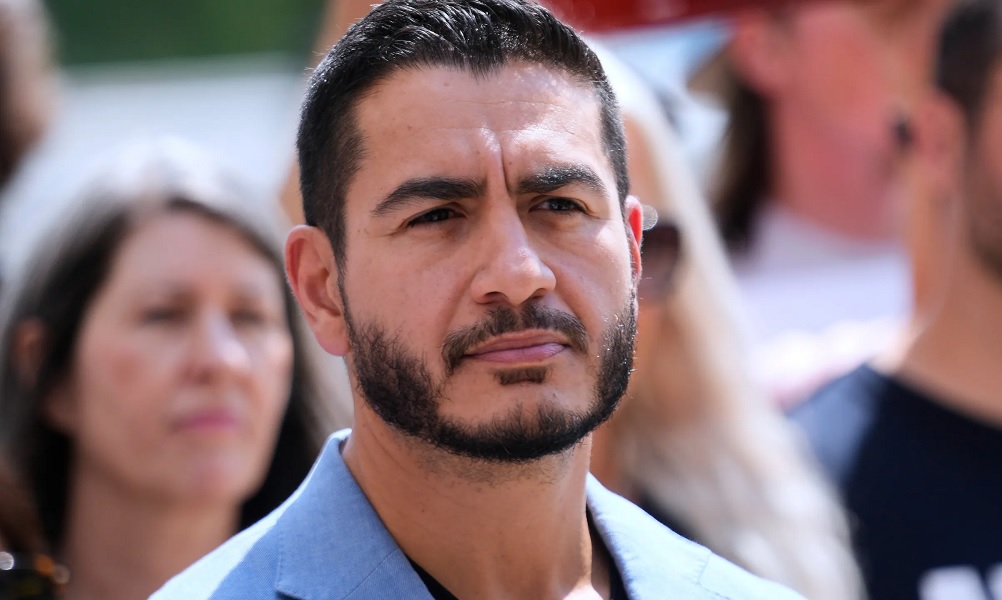
First Muslim US senator-elect El-Sayed calls for review of aid to Pakistan
-
 Sport4 days ago
Omar Zawak thrash Istiqlal Kabul 5-1 in ACL
-

 World4 days ago
Trump says further US attacks on Iran ‘highly unlikely’ as peace talks gain momentum
-
 Sport5 days ago
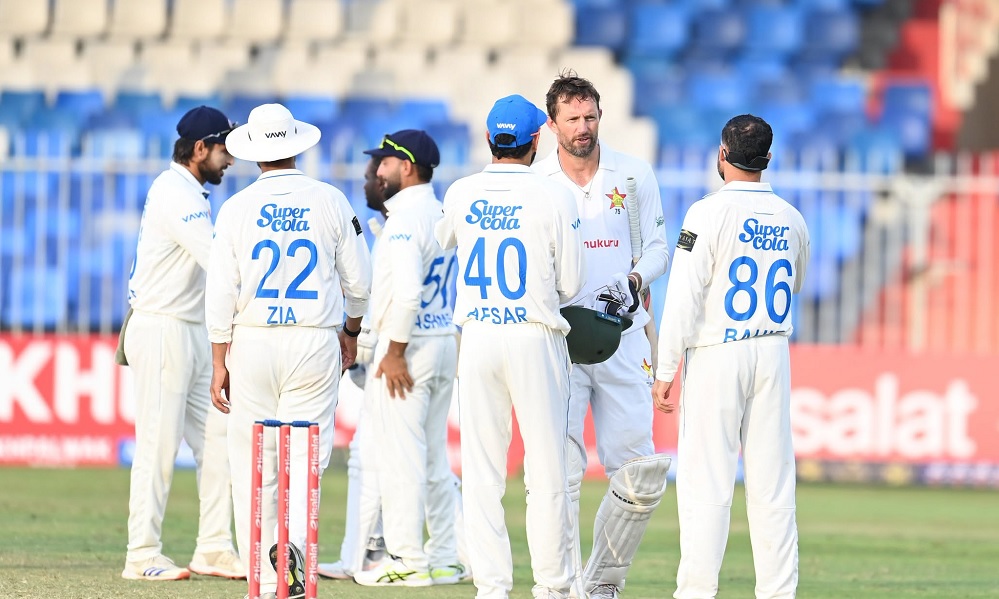
First Test between Afghanistan and Zimbabwe ends in a draw
-
 Latest News3 days ago
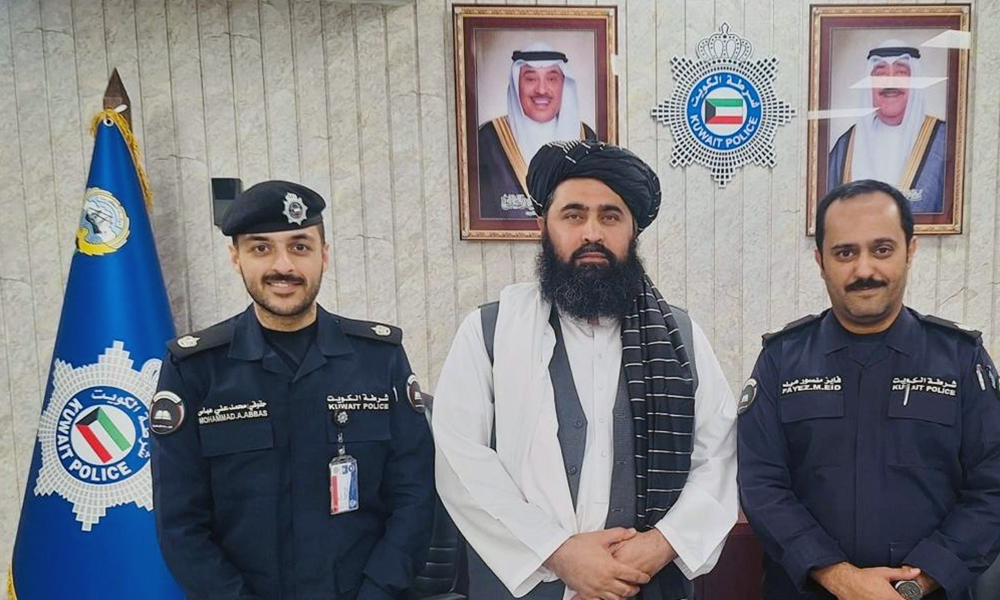
Afghan embassy in Kuwait discusses situation of Afghan prisoners with Kuwaiti officials
-
 Health4 days ago
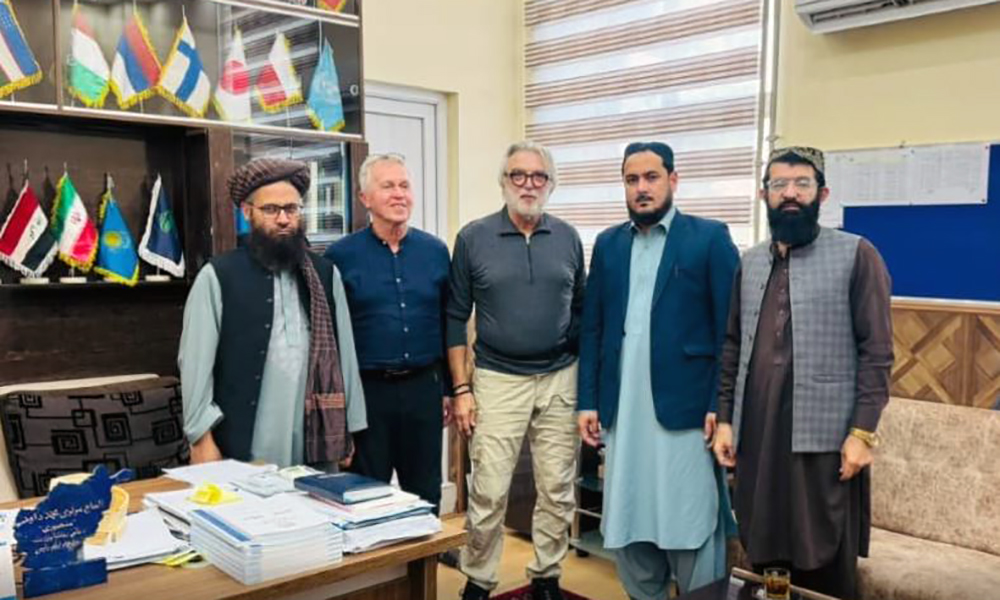
German medical team launches free surgical mission at Bamiyan provincial hospital
-
 Business3 days ago
Iraqi intelligence report alleges oil smuggling network supplying Afghanistan and Turkey through Iran