
Climate Change
COP29’s $300 billion deal ‘insufficient’ to fight climate change
After days of negotiations in Azerbaijan, rich countries agreed to raise their contribution from $250 billion to $300 billion a year by 2035

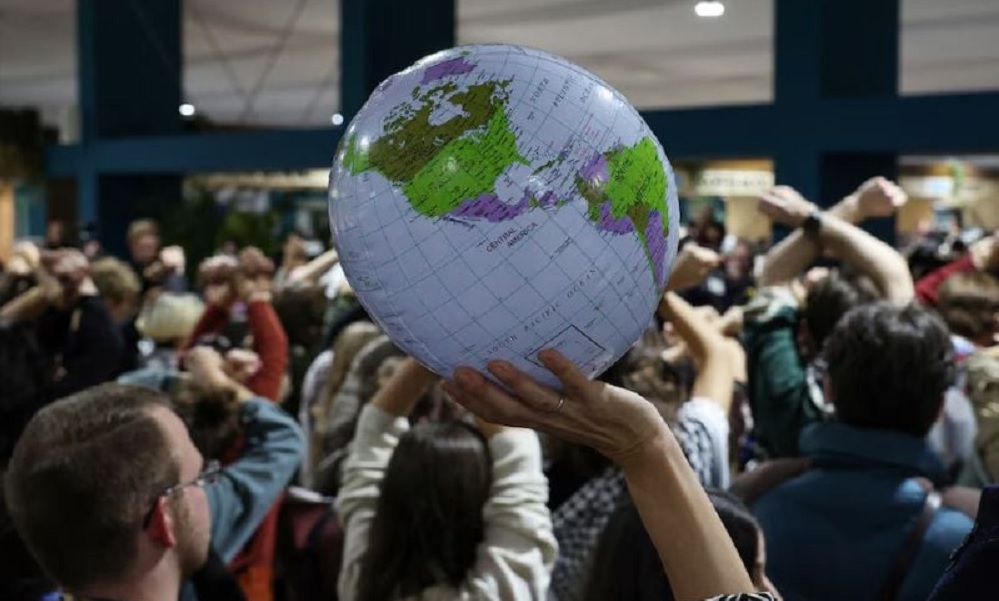
The finance agreement reached at the COP29 summit late Sunday night has sparked outrage around the world as countries criticize negotiators for failing to meet the scale of the challenge.
After days of negotiations in Azerbaijan, rich countries agreed to raise their contribution from $250 billion to $300 billion a year by 2035.
According to BBC, the African Group of Negotiators described it as “too little, too late”; the representative from India dismissed the money as “a paltry sum” and a group of NGOs warned that the $300 billion pledge does not go far enough to help those most vulnerable to climate change.
Poorer countries had asked for $1.3 trillion to help them fight the climate battle.
Meanwhile, China and India are still defined by the United Nations as “developing” countries and as a result they have no formal obligation to cut their greenhouse gas emissions or to provide financial help to poorer countries.
Both countries are technically eligible to receive climate aid, although China chooses not to do so. Beijing, one of the world’s largest economies, does step in to support countries with the impact of global warming, via bilateral agreements.
India, however, does accept support from “developed” nations.
Speaking to BBC, one source said there had been one positive during the summit. This was China.
“The only bright spot in all of this is China,” the source said.
According to him, not only was Beijing’s negotiating style markedly different to previous years, but “China could be stepping forward”.
In the past, China has released minimal information about its climate policies and plans, but this year, for the first time, officials said they have paid developing countries more than $24 billion for climate action since 2016.
“That’s serious money, almost nobody else is at that level,” another COP insider said.
Where does Afghanistan fit into this?
Afghanistan is considered one of the most vulnerable countries when it comes to climate change and for the first time in three years, the Islamic Emirate was able to participate at the summit.
Leading a delegation to COP29 was Matuil Haq Khalis, who’s head of the country’s environment protection agency. He said Afghanistan needs international support to deal with extreme weather like erratic rainfall, prolonged droughts and flash floods.
“All the countries must join hands and tackle the problem of climate change,” said Khalis.
Afghanistan has been hard hit by climate change, with a recent assessment by experts ranking it the sixth most climate vulnerable country in the world.
In March, northern Afghanistan experienced heavy rains resulting in flash floods, killing over 300 people. Climate scientists have found that extreme rainfall has gotten 25% heavier over the last 40 years in the country.
Khalis meanwhile said Afghanistan has prepared national action plans to deal with climate change and will be updating its climate goals within the next few months.
Contributing nations
There are 23 “developed” nations, which are industrialized countries with a strong economy, that have to contribute and reach the annual target of $300 billion.
However, many developed countries want to see this group expanded, arguing that the global landscape has shifted a lot since these classifications were drawn up as part of the original UN Framework Convention on Climate Change in 1992.
China, India and the Gulf states, for example, are still classed as developing nations despite their increasing contributions to global warming.
Outcry over deal reached
Sunday’s night’s finance deal has sparked heated reaction from developing nations but some global leaders, however, maintain that the agreement will keep climate action going.
US President Joe Biden said: “While there is still substantial work ahead of us to achieve our climate goals, today’s outcome puts us one significant step closer”.
EU Climate Commissioner Wopke Hoekstra, who attended the talks, said COP29 “will be remembered as the start of a new era on climate finance” and the deal was “an ambitious and realistic goal and an increased contributor base”.
UN Secretary General Antonio Guterres said: “I had hoped for a more ambitious outcome – on both finance and mitigation – to meet the scale of the great challenge we face, but the agreement reached provides a base on which to build.”
But for many others, the deal was not welcomed.
ActionAid UK described the agreement as “a complete catastrophe and farce” and warned the amount is “a drop in the ocean” compared with “the trillions needed to help climate-hit communities”.
Environmental group Friends of Earth said the talks have “failed to solve the question of climate finance”, adding that developing nations are being “hammered by climate extremes”
India’s representative meanwhile lashed out and said the $300 billion deal showed that intense frustration still remained over the agreement.
“We cannot accept it … the proposed goal will not solve anything for us. [It is] not conducive to climate action that is necessary to the survival of our country,” Chandni Raina told the conference, saying the amount was too small.
Raina said the decision-making process was unfair and excluded nations, a comment which was met with cheers and applause in the room.
Meanwhile, Nigeria’s envoy Nkiruka Maduekwe described the deal as an “insult”.









Climate Change
El Niño likely to intensify, may become strongest ever recorded, WMO says
A very strong El Niño can significantly shift rainfall and temperature patterns worldwide, and fuel extreme weather, like typhoons.
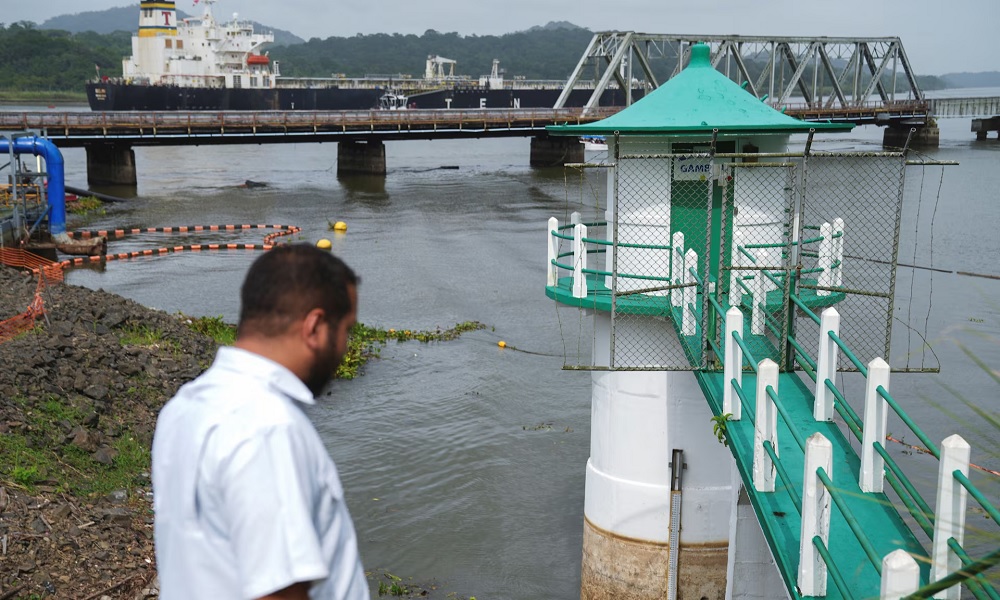
The El Niño weather phenomenon is set to intensify further into 2027 and could be the strongest ever, raising risks of extreme weather into next year, the World Meteorological Organization said on Thursday.
“If this trajectory continues, it may be stronger than anything since our monitoring began. So literally off the charts we have used for the past four decades,” WMO Secretary-General Celeste Saulo told a Geneva press conference, Reuters reported.
The U.N. weather agency said its forecasts showed a near 100% likelihood that El Niño will persist through February 2027, fuelled by exceptionally warm Pacific Ocean temperatures. This is the first time it has expressed such a degree of certainty, the WMO said.
A very strong El Niño can significantly shift rainfall and temperature patterns worldwide, and fuel extreme weather, like typhoons.
“El Niño is being supersized before our eyes. The science leaves no room for doubt: The planet is in uncharted waters, and those waters are heating up,” said United Nations Secretary-General Antonio Guterres.
El Niño is a periodic warming of sea surface temperatures in the eastern Pacific caused by weakening trade winds. It occurs naturally every two to seven years and tends to last up to 12 months, causing intense rains and droughts across Latin America.
This year’s phenomenon has already had an impact on soft commodities in tropical areas, causing a severe food crisis across Central America’s Dry Corridor.
It is set to peak towards the end of this year, the WMO said in a statement. But its effects will continue into 2027 and are set to leave higher global temperatures next year in its wake, Saulo said.
Saulo said the WMO was stepping up preparedness and early warning efforts in preparation.
“WMO is committed to working closely with partners across the United Nations and humanitarian system to provide the climate intelligence and insights needed to support disaster management and climate-sensitive sectors like agriculture, health, energy and water resources,” she said.
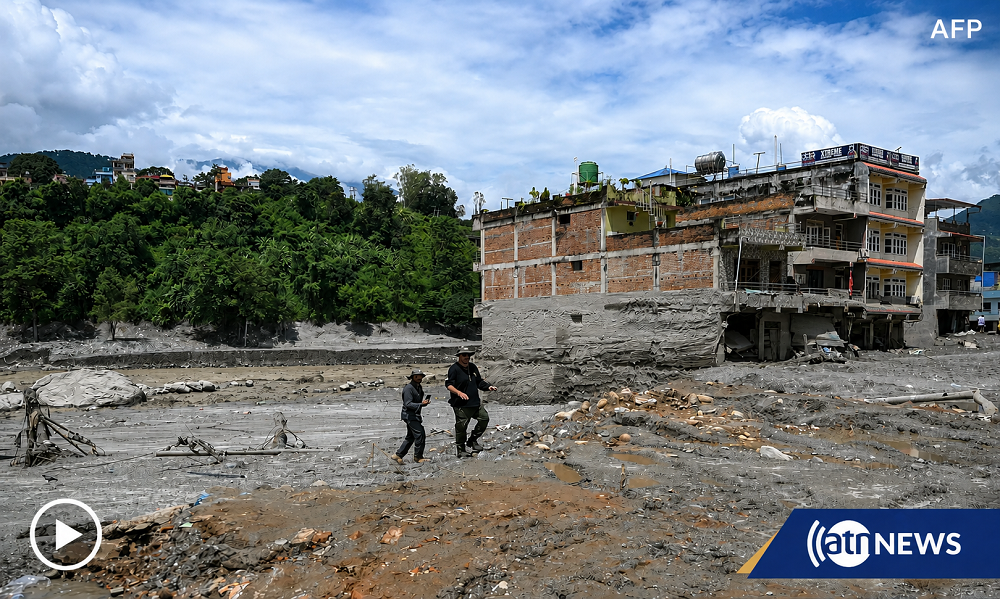
Nepal’s search, rescue and recovery operation has entered a critical phase after devastating flash floods swept through communities along the Bhotekoshi and Trishuli river systems, leaving hundreds dead and thousands of people still unaccounted for.
The latest figures put the death toll at 734, with 2,498 people still missing. More than 8,000 people have been rescued or evacuated, including foreign nationals.
The disaster struck on August 26 when a massive surge of water and debris tore through communities in northern and central Nepal. The precise cause remains under investigation, although the catastrophe has been linked to a glacier collapse or ice-and-rock avalanche in the Himalayan region.
Rescue teams race to reach trapped workers
Among the most urgent rescue operations is the search for workers believed to be trapped inside hydropower tunnels along the Trishuli corridor.
Authorities say 933 hydropower workers are among those reported missing. At the Trishuli 3A hydropower project, rescuers have inserted a pipe into a tunnel and begun pumping air inside as teams work to reach people who may still be alive.
Specialist teams from neighbouring India and China are assisting with the difficult tunnel operations. Access remains extremely challenging, with roads and bridges destroyed, tunnel entrances buried and sections of infrastructure cut off by mud and floodwater.
Helicopters remain vital
With large sections of the affected region inaccessible by road, helicopters have become a crucial part of the rescue effort.
Military and other rescue aircraft are being used to evacuate survivors, transport food and medical supplies and reach communities cut off by the destruction. Poor weather, mountainous terrain and rising river levels, however, continue to hamper operations.
Authorities have also warned residents to remain vigilant as water levels rise in some rivers and new landslides create additional risks.
Search turns to recovery
As hopes of finding survivors continue, rescue teams are also facing the grim task of recovering and identifying victims.
Hundreds of bodies and human remains have been recovered from flood-affected districts, with some carried considerable distances downstream. The scale of the disaster has placed enormous pressure on local identification facilities, while additional forensic and DNA-testing support is being sought.
Families of missing people have gathered at hospitals, rescue centres and military bases, searching lists of survivors and recovered victims for information about relatives who remain unaccounted for.
International assistance grows
International support is also arriving as Nepal begins the enormous task of providing emergency assistance and planning for reconstruction.
India has deployed specialist rescue personnel and relief supplies, while China is assisting with tunnel rescue operations. Other countries and international organisations are also providing humanitarian assistance and specialist equipment.
The destruction of roads, bridges, homes, power infrastructure and hydropower facilities is expected to create a major long-term reconstruction challenge.
A race against time
For rescuers, the immediate priority remains finding those who may still be alive beneath collapsed structures and inside flooded tunnels.
For families, the operation is becoming a desperate search for answers.
Across the devastated river valleys, rescue workers continue digging through mud and debris while helicopters move between isolated communities. But with thousands still missing and the threat of further flooding and landslides, authorities face a race against time to locate survivors and recover those who did not make it.
Climate Change
China evacuates thousands as Typhoon Narra brings torrential rain
Flooding and waterlogging were also reported in Pingxiang City and Ningming County, with rural roads submerged and farmland inundated.
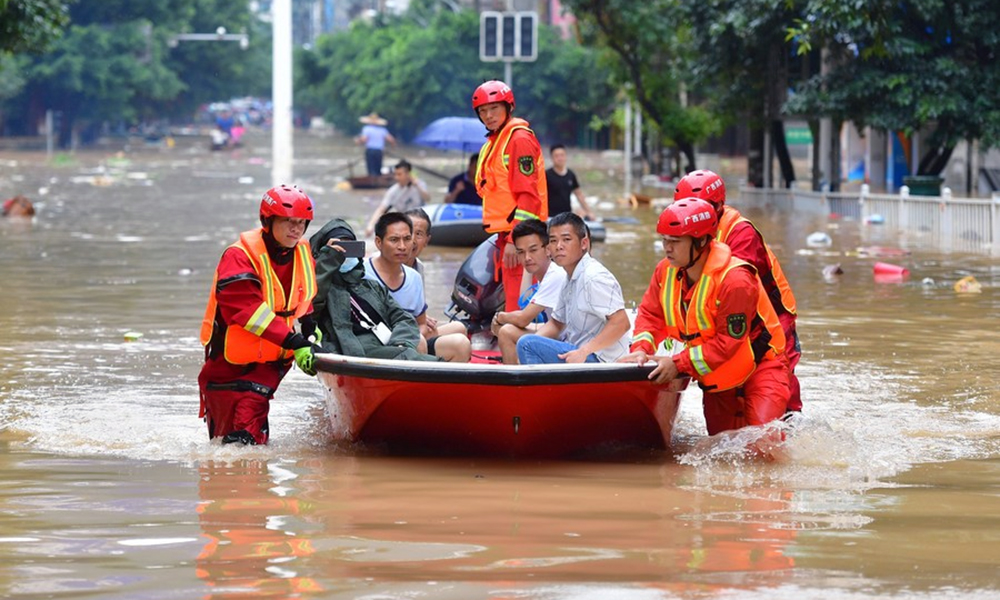
Authorities in China’s southern Guangxi Zhuang Autonomous Region are evacuating residents trapped by flooding as Typhoon Narra brings heavy rain to the area.
In Shangsi County of Fangchenggang City, floodwater reached around 1.5 metres in some urban areas, inundating major roads and leaving several villages without drinking water, electricity or communications.
Local authorities deployed 50 militiamen to search for and rescue residents overnight using rubber boats and relief supplies. At least 203 people have been safely evacuated.
Flooding and waterlogging were also reported in Pingxiang City and Ningming County, with rural roads submerged and farmland inundated.
More than 400 militiamen were deployed to help evacuate residents, including door-to-door operations. In one severely affected village in Ningming, inflatable boats were used to ferry villagers across a flooded river.
In Youyi Township of Pingxiang, rescuers helped elderly people and children with limited mobility reach safer areas. By Monday morning, local militiamen had assisted 1,499 people trapped by the floods.
Typhoon Narra, the 19th typhoon of the year, was located in the Beibu Gulf early Monday, about 185 kilometres southwest of Beihai, with maximum winds of 23 metres per second near its centre.
The storm was expected to move eastward before turning north, travelling at 5 to 10 kilometres per hour toward coastal areas of Guangxi and western Leizhou Peninsula in neighbouring Guangdong Province.


Abu Muslim Farah defeat Khurasan Faryab 2-0 in ACL season six

Saar: Concerns over Pakistan’s political crisis discussed

Afghanistan Champions League: Omar Zawak Herat beat Toofan Herat 1-0

Blast in Pakistan’s Dera Ismail Khan kills 11, injures 30

Ariana Afghan Airlines increases Kabul-Delhi cargo flights

Saudi energy group signs major Afghanistan deals covering gas exploration and pipeline plans

Trump floats idea of renaming Atlantic or Pacific Ocean

US hits Egyptian bank branches with Iran sanctions as war marks six months

Nepal flood rescue mission enters critical phase as thousands remain missing

Iranian clubs to face Gulf opponents at neutral venues in Asian Champions League Elite
Saar: Concerns over Pakistan’s political crisis discussed

Exclusive interview with Abdul Latif Mansoor, Minister of MRRD

Tawsia: Overview of Afghanistan’s iron mines

Tahawol: Discussion on fresh Pakistani airstrikes on Afghanistan

Saar: Calls for international support for Afghanistan discussed
-

 World5 days ago
CNN, MS NOW and Politico sue Trump, challenging White House ban
-

 Latest News3 days ago
Ariana Afghan Airlines ranks seventh among 45 Central Asian airlines
-

 Latest News5 days ago
UN reiterates call for respect for international law after Kunar airstrikes
-

 Regional4 days ago
US and Iran hold first talks since June after Trump’s ‘annihilation’ threat
-

 Latest News3 days ago
Silk Road highway in Wakhan corridor now reaches the China border
-

 Latest News5 days ago
Afghan Official: Pakistan’s airstrikes will not go unanswered
-

 Regional5 days ago
G7 foreign ministers call on Iran to stop arming Houthis
-

 Regional3 days ago
Iran airlines cancel flights as US sanctions hit