
Latest News
EU condemns ‘atrocious, planned assassinations’ of three TV staffers

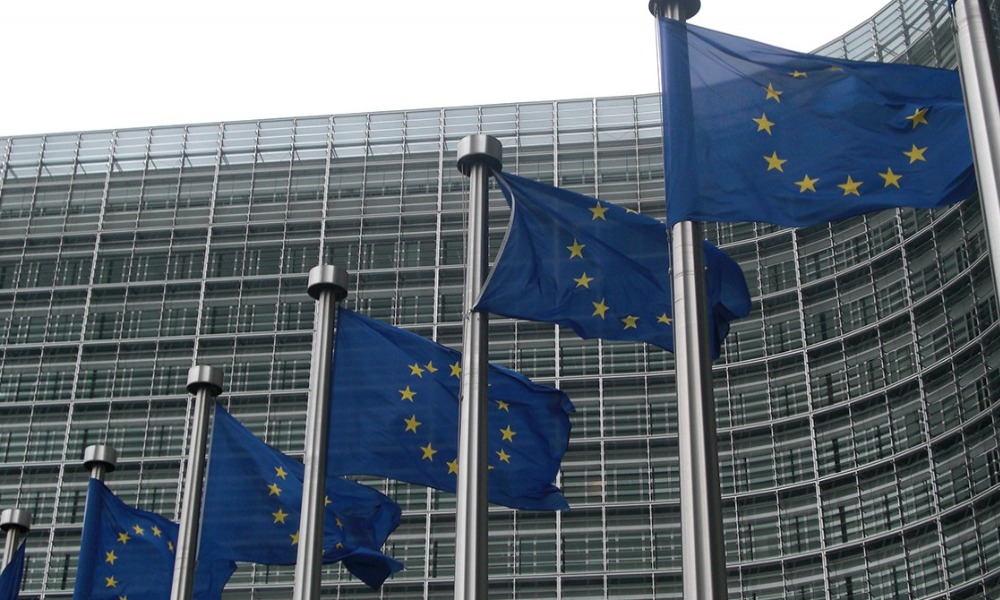
The European Union on Wednesday night condemned the killing of three female media workers in Jalalabad on Tuesday and said the targeting of journalists and of women must stop.
According to a statement issued by the EU Spokesperson, the killing of Mursal Wahedi, Shahnaz Raofi and Sadya Sadat “in atrocious, planned assassinations deprives three young individuals of their future, and their families, friends and colleagues of loved ones.”
The three women worked for Enikas TV – the same news channel where slain Malalai Maiwand had worked.
Maiwand was killed, along with her driver, in a targeted assassination in December.
The EU said in its statement that following the killing of Maiwand, these attacks further illustrate the vulnerable and dangerous situation that media workers, especially women, face.
“It also continues a worrying trend of systematic, targeted attacks and killings of journalists, human rights defenders, civil society representatives and civil servants, which cost the lives of 1,200 civilians in 2020, a 45% increase compared to 2019.
“The Taliban remain responsible for the majority of civilian casualties and targeted assassinations, either directly or by opposing a ceasefire. Targeting journalists must stop. Targeting women must stop. The violence in Afghanistan must stop,” read the statement..
The European Union said it expects transparent and thorough investigations of all these attacks and assassinations. “We mourn together with those affected and reiterate the European Union’s resolve to support media and the freedom of speech in Afghanistan.”
Earlier in the day reports emerged that Islamic State (Daesh) had reportedly claimed responsibility for the attack that killed the three women on Tuesday evening.
According to SITE Intelligence group, Daesh said on Tuesday night its fighters had targeted the three female employees of Enikas TV.
However, Interior Minister Massoud Andarabi said later Wednesday that although Daesh has claimed responsibility for the attack, the claim needs to be investigated.
He said a team has been sent from Kabul to Nangarhar to find out which group was behind the killings
Provincial police chief Juma Gul Hemat said on Tuesday night the suspected lead attacker had been arrested and that he was connected to the Taliban.
The three women, aged between 18 and 20, were gunned down while on their way home from work.
However, the Taliban denied the group was involved in the attack.
Tuesday’s tragedy comes amid a wave of attacks against journalists, media workers, civil society activists and government officials.
The Taliban have said they are not responsible but Afghan officials and some foreign powers have blamed the attacks largely on the group.
The US Embassy in Kabul on Tuesday night called the killings “devastating news,” and said these “attacks are meant to intimidate; they are intended to make reporters cower; the culprits hope to stifle freedom of speech in a nation where the media has flourished during the past 20 years. This cannot be tolerated.”











Kazakhstan’s Foreign Minister Mukhtar Tileuberdi has called for pragmatic and coordinated international engagement with Afghanistan, saying the country’s long-term stability is closely linked to the security and sustainable development of Central Asia.
Speaking during the general debate of the 81st session of the United Nations General Assembly in New York on Friday, Tileuberdi said humanitarian assistance to Afghanistan remains essential but alone cannot break the cycle of poverty, displacement and dependency.
He said Kazakhstan supports a “pragmatic, coordinated and step-by-step” approach to international engagement with Afghanistan, with the United Nations playing a central role.
Tileuberdi also said Kazakhstan is working with the UN to operationalize the United Nations Regional Centre for the Sustainable Development Goals for Central Asia and Afghanistan in Almaty.
He said the success of the centre should be measured by the results and assistance it delivers to the region.


Abu Muslim Farah defeat Khurasan Faryab 2-0 in ACL season six

Saar: Concerns over Pakistan’s political crisis discussed

Afghanistan Champions League: Omar Zawak Herat beat Toofan Herat 1-0

Blast in Pakistan’s Dera Ismail Khan kills 11, injures 30

Ariana Afghan Airlines increases Kabul-Delhi cargo flights

Saudi energy group signs major Afghanistan deals covering gas exploration and pipeline plans

Trump floats idea of renaming Atlantic or Pacific Ocean

US hits Egyptian bank branches with Iran sanctions as war marks six months

Nepal flood rescue mission enters critical phase as thousands remain missing

Iranian clubs to face Gulf opponents at neutral venues in Asian Champions League Elite
Saar: Concerns over Pakistan’s political crisis discussed

Exclusive interview with Abdul Latif Mansoor, Minister of MRRD

Tawsia: Overview of Afghanistan’s iron mines

Tahawol: Discussion on fresh Pakistani airstrikes on Afghanistan

Saar: Calls for international support for Afghanistan discussed
-

 World5 days ago
CNN, MS NOW and Politico sue Trump, challenging White House ban
-

 Latest News3 days ago
Ariana Afghan Airlines ranks seventh among 45 Central Asian airlines
-

 Latest News5 days ago
UN reiterates call for respect for international law after Kunar airstrikes
-

 Regional4 days ago
US and Iran hold first talks since June after Trump’s ‘annihilation’ threat
-

 Latest News3 days ago
Silk Road highway in Wakhan corridor now reaches the China border
-

 Regional3 days ago
Iran airlines cancel flights as US sanctions hit
-

 Latest News5 days ago
Afghan Official: Pakistan’s airstrikes will not go unanswered
-

 Sport5 days ago
Afghan boxing referee heads to China for international festival