
Latest News
IEA marks fourth anniversary in power, highlights achievements and addresses global concerns

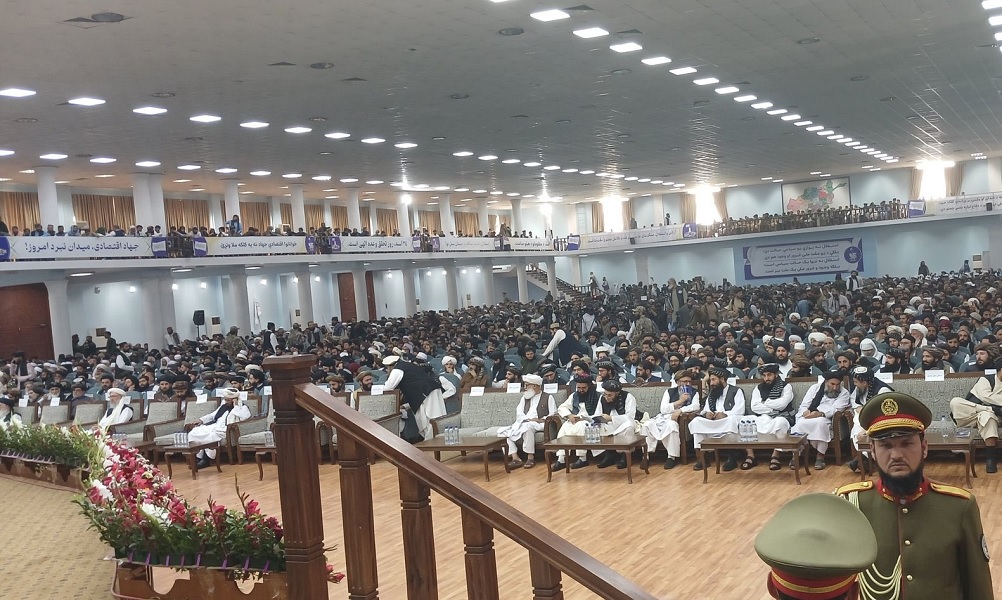
Senior officials of the Islamic Emirate of Afghanistan (IEA) marked the fourth anniversary of their return to power with a high-profile ceremony at the Loya Jirga Hall in Kabul on Friday, where they highlighted progress in security, economic self-reliance, infrastructure, and education — while responding to ongoing international concerns.
Amir Khan Muttaqi, Minister of Foreign Affairs, underscored the IEA’s commitment to a balanced foreign policy and constructive engagement with all nations.
“Our positive relations with regional countries do not mean we oppose engagement with Western nations,” he said. “If others are hesitant to engage, that’s their decision. But our diplomats have already traveled to some European countries.”
Muttaqi also urged Afghans living abroad to return home and leave behind what he called “illusions and false hopes,” declaring: “Afghanistan is now truly a shared home for all Afghans.”
He stressed that the government’s entire operational and development budgets are now financed through domestic revenue, reflecting growing economic independence.
Highlighting progress in education, Muttaqi noted the construction of hundreds of madrasas and schools, bringing the total number of students to 10 million — including 2.8 million girls. He also cited a rise in property values as an indicator of public confidence in stability and long-term security.
Meanwhile, Interior Minister Sirajuddin Haqqani emphasized that the purpose of the jihad was never personal gain but the end of foreign occupation and the establishment of an Islamic system.
He addressed accusations made by international actors, stating: “Some accuse Afghanistan of harboring international terrorists to serve their own political interests, but we remain committed to our obligations under the Doha Agreement.”
Haqqani acknowledged global misunderstandings about the IEA but stressed that these can be resolved through genuine dialogue.
He, however, noted that each country must solve its internal issues independently.
Deputy Prime Minister for Administrative Affairs Abdul Salam Hanafi reiterated the IEA’s stance on justice, stating that no one is allowed to commit oppression under the guise of political disputes or past rivalries.
“If any such incidents occur, they will be treated as individual crimes, and perpetrators will be punished according to Islamic Sharia — no matter where they are,” Hanafi affirmed.

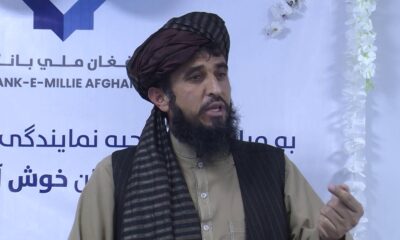

Local officials in Afghanistan’s northeastern Badakhshan province have called on traders to help prevent drug trafficking and invest their capital in legal and productive sectors.
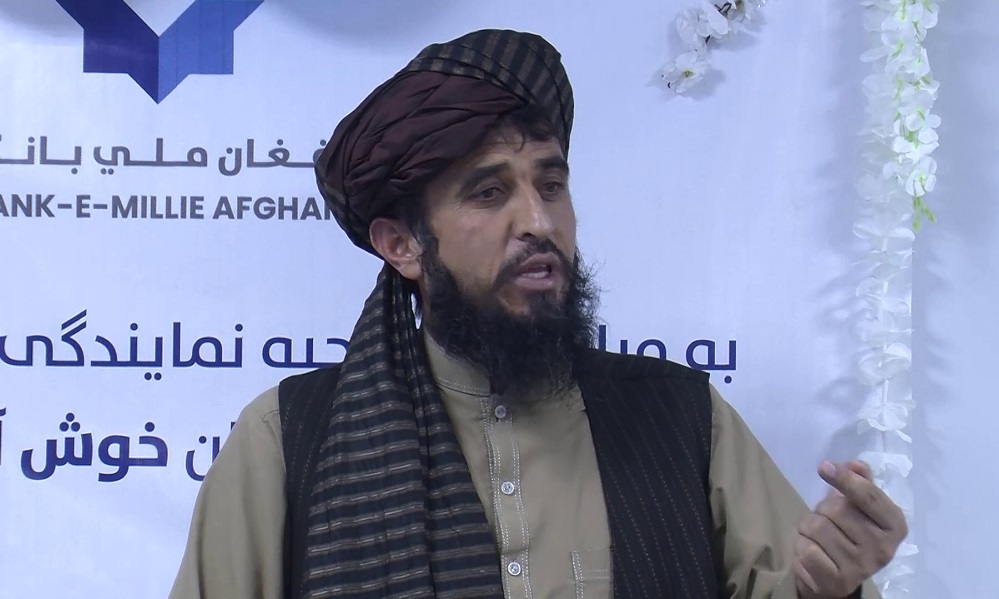
Jamaluddin Haqjo, deputy governor of Badakhshan, made the remarks during the opening of the first branch of the Bank-e-Millie Afghan in Fayzabad, the provincial capital.
Haqjo said thousands of people across Afghanistan are currently addicted to drugs and urged traders not to invest in drug trafficking.
Meanwhile, other local officials attending the ceremony called on people to contribute to the country’s economic development rather than oppose the government.
They said expanding economic activities could help reduce poverty and other challenges affecting thousands of families.
Officials also urged banks and traders to conduct their activities in accordance with Islamic principles.
The newly opened Bank-e-Millie Afghan branch is expected to provide banking services to residents of Badakhshan. Bank officials said government employees receiving their salaries through the bank would also be eligible for loan services in accordance with the bank’s policies.
Residents welcomed the opening of the branch, saying it would make banking services more accessible. They also called for banks to establish branches in remote districts of Badakhshan.
Officials urged traders and government institutions to support the bank by investing and using its services.
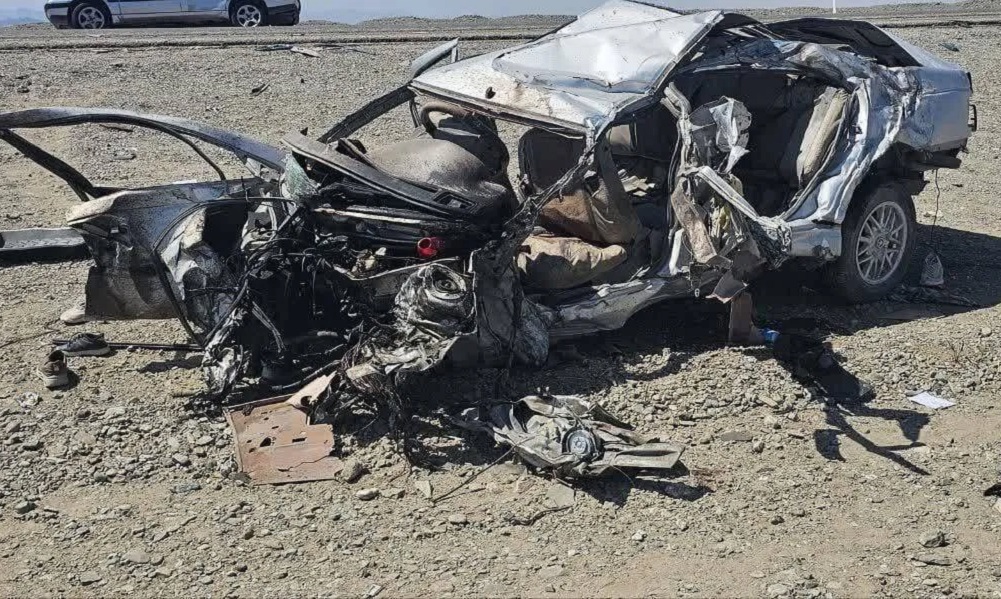
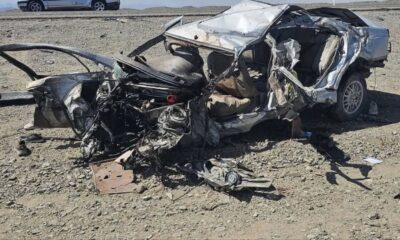
Seven Afghan migrants have been killed after a vehicle carrying Afghan migrants collided with a fuel-carrying vehicle in Iran’s Sistan and Baluchestan province.
According to the human rights organization HalVash, the accident occurred on Friday in the Sarbaz area of Sistan and Baluchestan.
Siyavash Mohbi, the head of Iran’s traffic police in Sistan and Baluchestan, said the Afghan nationals had entered Iran illegally.
He added that nine other people were injured in the incident.
Mohbi attributed the accident to the negligence of the driver of the vehicle carrying the migrants.


Badakhshan official calls on traders to help prevent drug trafficking

World leaders return to UN amid wars in Middle East and Ukraine

Asian Games open in Japan as Afghanistan sends 34 athletes

Seven Afghan migrants killed in traffic accident in Iran’s Sistan and Baluchestan

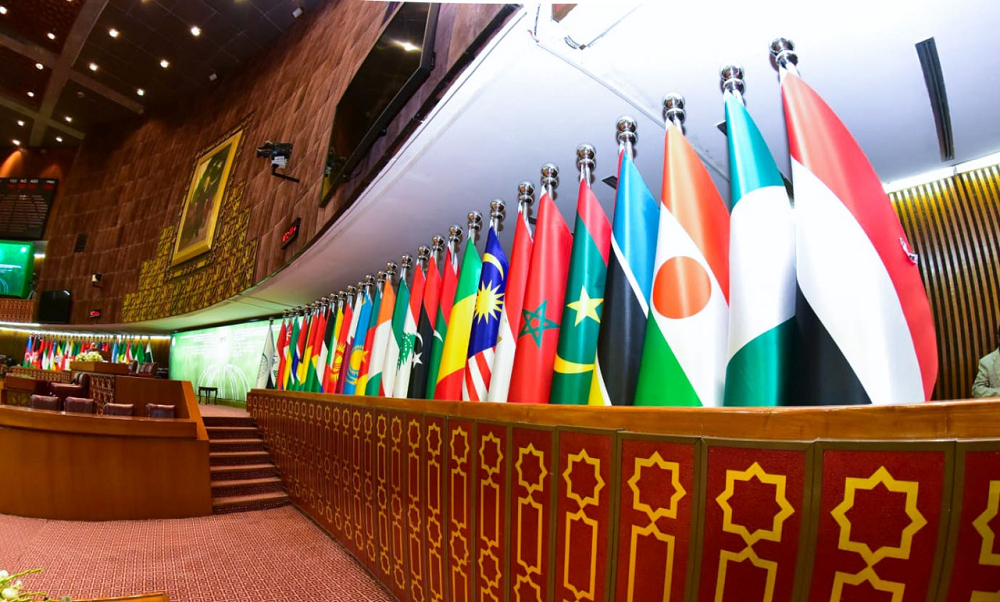
OIC to hold Afghanistan Contact Group meeting on sidelines of UN General Assembly

Four mediators struggle to secure lasting Pakistan-Afghanistan ceasefire

Syria and Saudi Arabia condemn Kabul bombing, express solidarity with Afghanistan

Afghanistan’s trade diversification challenges Pakistan

Saudi energy group signs major Afghanistan deals covering gas exploration and pipeline plans

ATN secures exclusive rights to broadcast T20I series in India across Afghanistan

Tahawol: Kabul’s warning over any threat from Pakistan discussed

Debate on Afghanistan and New Investment Opportunities

Tahawol: Reasons behind Qatari, Turkish security officials’ Kabul visit discussed

Saar: Outcome of UN Security Council meeting on Afghanistan discussed

Tahawol: Afghanistan’s readiness for US relations discussed
-
 Latest News4 days ago
UN warns of mounting humanitarian and human rights pressures in Afghanistan
-
 Regional4 days ago
Saudi Arabia calls alleged Mecca attack a ‘red line’ as Houthis deny involvement
-
 Latest News4 days ago
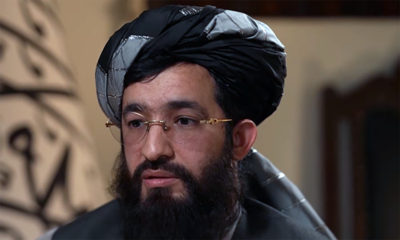
Five Years On: IEA touts economic growth despite international isolation
-
 Sport4 days ago
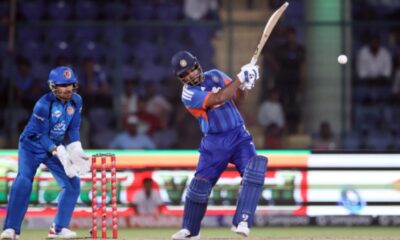
India take 2-0 lead in 3-match series against Afghanistan
-
 Sport5 days ago
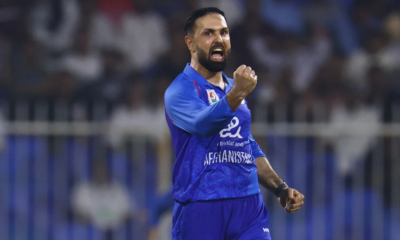
Nabi reaches 2,500 T20I runs
-
 Latest News3 days ago
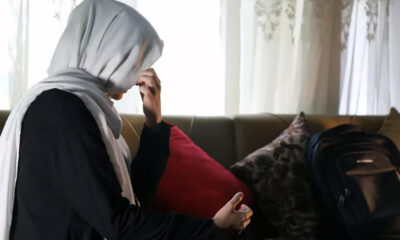
Five years out of school: Amnesty raises alarm over Afghan girls’ education
-
 Latest News3 days ago
Russia urges dialogue and economic support for Afghanistan, warns against excessive pressure
-
 Sport4 days ago
ACL: Ariana Khost win, Aino Mina and Khurasan Faryab draw