
Latest News
Japan and WHO strengthen partnership to improve health care in Afghanistan

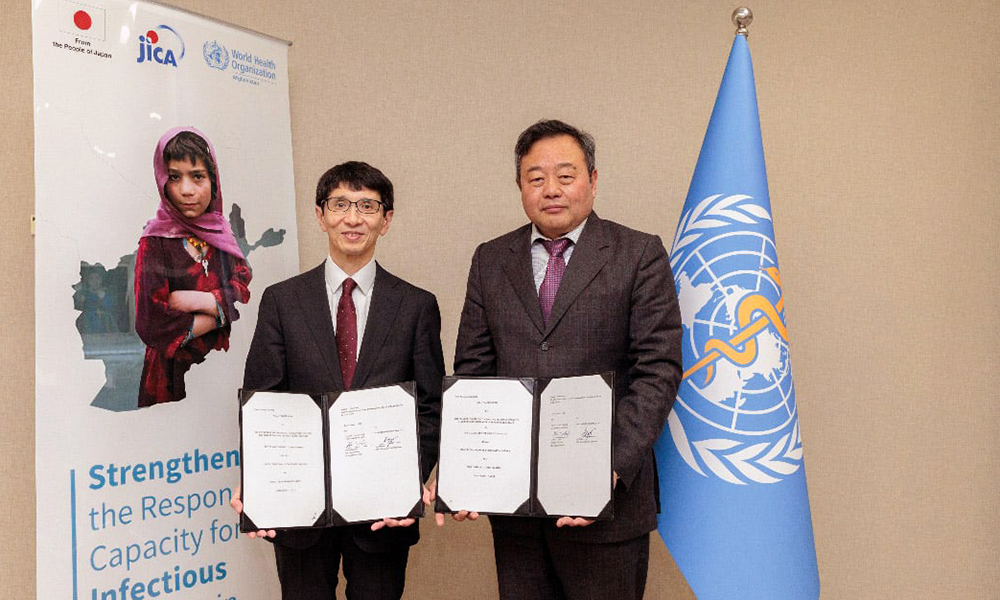
A delegation from the World Health Organization (WHO) in Afghanistan, led by Dr Luo Dapeng, recently visited Japan to discuss strategic directions for the ongoing partnership. The visit coincided with the signing ceremony for a $6.9 million joint project with the Japan International Cooperation Agency (JICA), which aims to enhance the response capacity for infectious diseases in referral hospitals in Afghanistan.
The joint project, which seeks to address and mitigate the impact of communicable diseases on the people of Afghanistan, is set to benefit more than 76,000 people across the country. The project has a specific focus on two health facilities dedicated to the treatment of infectious diseases: Afghan–Japan Hospital and the National Infectious Disease Hospital, both in Kabul province.
Kiyoshi Amada, Chief Representative of JICA, expressed his optimism for the project’s impact.
“I sincerely hope that this project will keep the people, including mothers, children and others, healthier and save their lives to contribute to human security in Afghanistan.”
The WHO delegation also engaged in a series of meetings with directors of the Ministry of Foreign Affairs of Japan and Takayoshi Kuromiya, Ambassador of Japan to Afghanistan. The discussions centred on new funding of $500,000 given by Japan to support WHO’s work in Afghanistan.
This funding is dedicated to reducing morbidity and mortality due to communicable diseases among the Afghan population, with a focus on children aged under 5 years.
Dapeng meanwhile highlighted Japan’s pivotal role in supporting the health system in Afghanistan: “Japan has a long history of cooperation in the fight against infectious diseases in Afghanistan. As one of the major partners, Japan has been working with Afghan health professionals to improve health care delivery and to develop Afghanistan’s human resources within the health sector.”

Latest News
Afghanistan, Turkmenistan discuss Herat gas pipeline expansion and distribution networks
During the visit, the Afghan Gas chief also met with representatives of international companies to explore opportunities for technical and commercial cooperation.
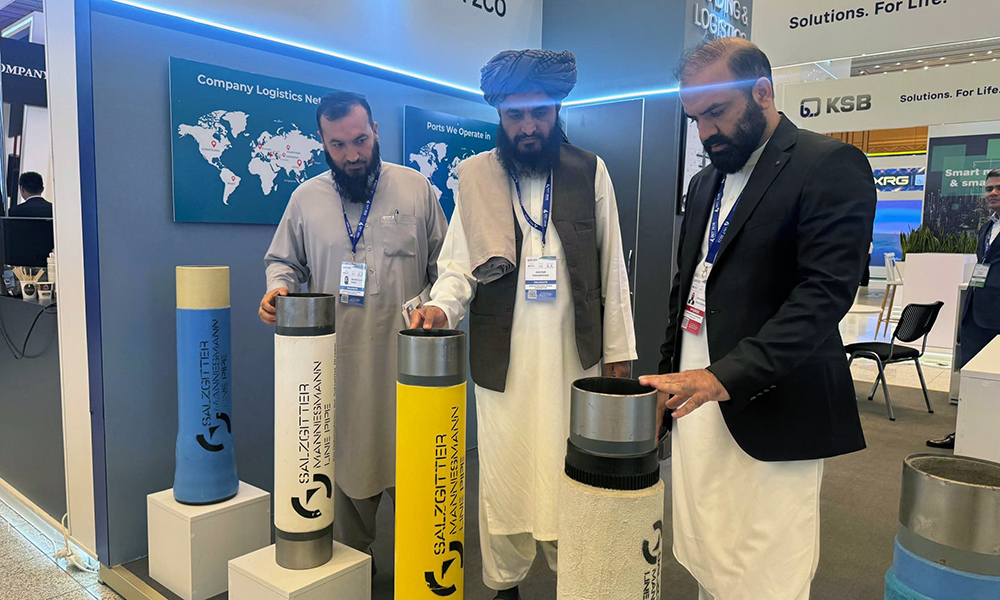
Afghanistan and Turkmenistan have held discussions on the development of the Herat gas pipeline and the expansion of gas distribution networks, as Kabul seeks to attract investment and introduce modern technologies to the country’s energy sector.
Akhtar Mohammad Mansour, Chief Executive Officer of the state-owned Afghan Gas Company, held talks with officials from Turkmenistan’s state-owned Turkmengaz company and representatives of the Turkmenistan-Afghanistan-Pakistan-India (TAPI) gas pipeline project during a visit to Turkmenistan, where he attended the country’s international oil and gas conference.
According to Afghanistan’s General Directorate of State-Owned Companies, the discussions focused on issues related to gas transmission and distribution, as well as the use of advanced equipment and internationally recognized technical standards in the sector.
Mansour reportedly identified the adoption of modern technologies in gas extraction, transmission and distribution as a key priority for Afghan Gas.
Focus on Investment and Technical Cooperation
During the visit, the Afghan Gas chief also met with representatives of international companies to explore opportunities for technical and commercial cooperation.
The discussions emphasized direct cooperation, the exchange of technical expertise and experience, and the adoption of new technologies. Mansour also highlighted the importance of attracting investment to Afghanistan’s gas sector.
The General Directorate of State-Owned Companies said the meetings provided an opportunity to strengthen ties with international firms, identify potential areas for joint cooperation and present investment opportunities in Afghanistan’s gas industry.
TAPI Project Remains a Key Regional Energy Initiative
The TAPI gas pipeline project is designed to transport natural gas from Turkmenistan through Afghanistan to Pakistan and India, making it one of the region’s major energy cooperation initiatives.
The expansion of gas transmission infrastructure and distribution networks could help improve access to energy in Afghanistan while creating opportunities for investment and strengthening regional economic cooperation.
Latest News
Balkhi: 1,119 Afghan civilians killed or injured in Pakistani attacks since 2022
He also referred to a Pakistani military strike on the Omid Addiction Treatment Centre in Kabul, claiming that hundreds of people were killed in the attack.
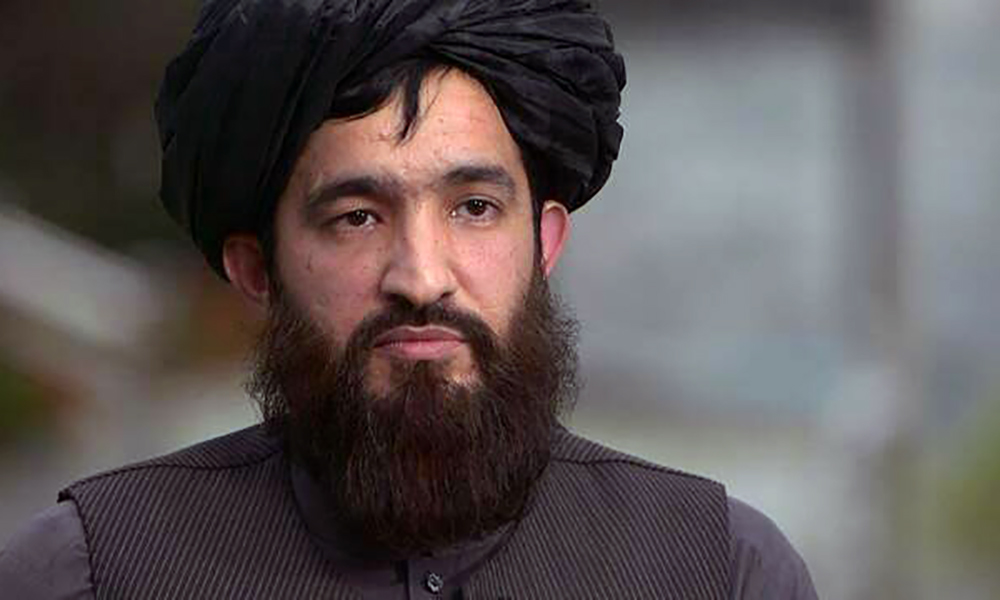
Abdul Qahar Balkhi, spokesperson for Afghanistan’s Ministry of Foreign Affairs, says 1,119 Afghan civilians have been killed or injured in Pakistani military attacks on Afghanistan since the beginning of 2022.
In an interview with CNN, Balkhi said women and children accounted for most of the casualties.
He also referred to a Pakistani military strike on the Omid Addiction Treatment Centre in Kabul, claiming that hundreds of people were killed in the attack.
“Rather than making unsubstantiated allegations, Pakistan should address its security challenges through responsible engagement with its own people and genuine diplomacy with Afghanistan,” Balkhi told CNN.
His remarks come amid continued tensions between Kabul and Islamabad over security concerns.
Latest News
Haqqani calls for national unity, public cooperation and better conduct by security forces
He also alleged that certain individuals were attempting to create concern and anxiety among the public despite the current security situation.
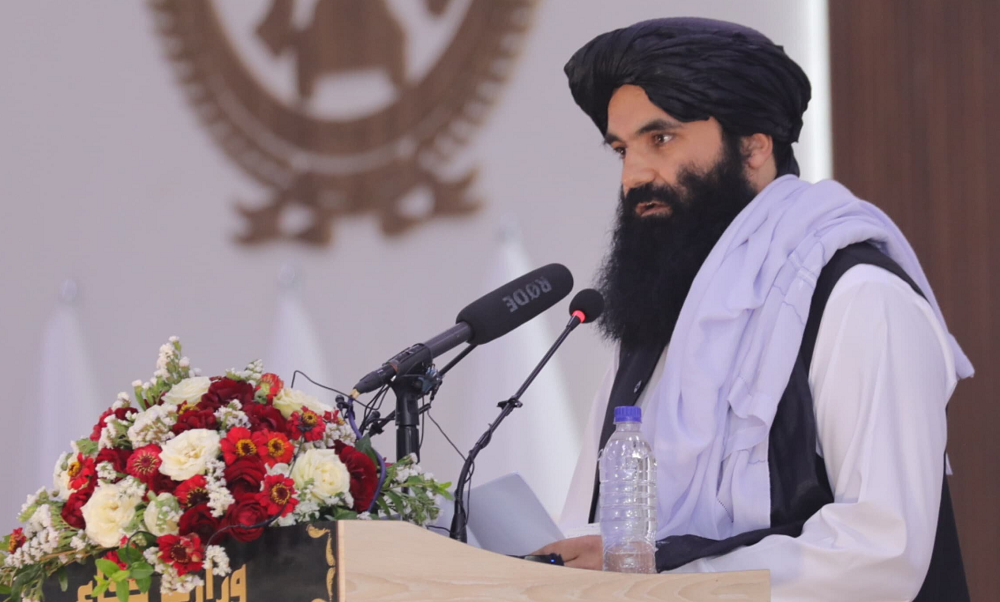
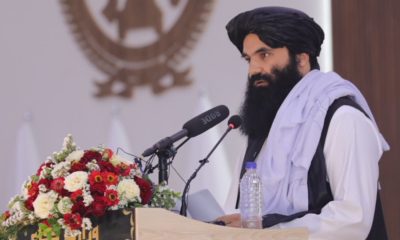
Afghanistan’s Interior Minister Sirajuddin Haqqani has called for stronger national unity, improved relations between citizens and security personnel, and greater public awareness to help end longstanding rivalries and hostilities.
Speaking in Khost province, Haqqani said maintaining security was a shared responsibility and should not be considered solely the duty of police personnel.
He urged religious scholars, preachers and tribal elders to raise public awareness, encourage reconciliation and use the current opportunity to strengthen peace and solidarity among communities.
Haqqani also called on security officials to serve the public in accordance with the directives of the Islamic Emirate’s leadership, emphasizing respectful conduct, brotherhood and good manners in their interactions with citizens.
Addressing the country’s broader situation, the interior minister expressed optimism about Afghanistan’s progress toward self-sufficiency and reconstruction, describing the development as a blessing from God following years of hardship and difficulties.
He said security had improved, divisions and hostilities had declined, and unity among Afghans had strengthened. Haqqani further claimed that security incidents across the country had fallen to nearly zero.
He also alleged that certain individuals were attempting to create concern and anxiety among the public despite the current security situation.
Haqqani’s remarks focused on shared responsibility for security, public service, reconciliation and the role of community leaders in promoting social cohesion.

Afghanistan, Turkmenistan discuss Herat gas pipeline expansion and distribution networks
Balkhi: 1,119 Afghan civilians killed or injured in Pakistani attacks since 2022

Haqqani calls for national unity, public cooperation and better conduct by security forces
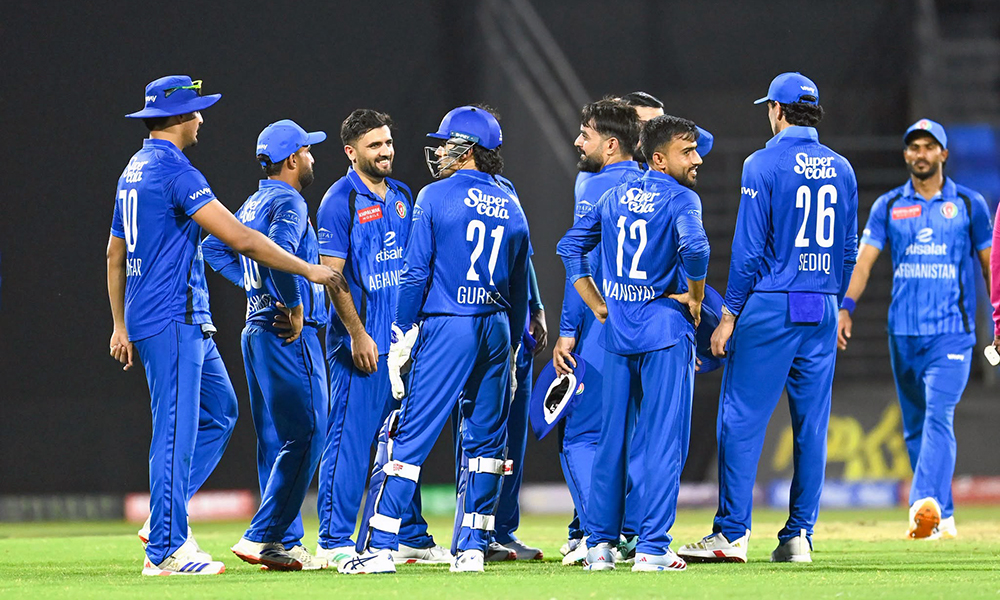
Afghanistan rise above England to match their highest-ever ODI ranking
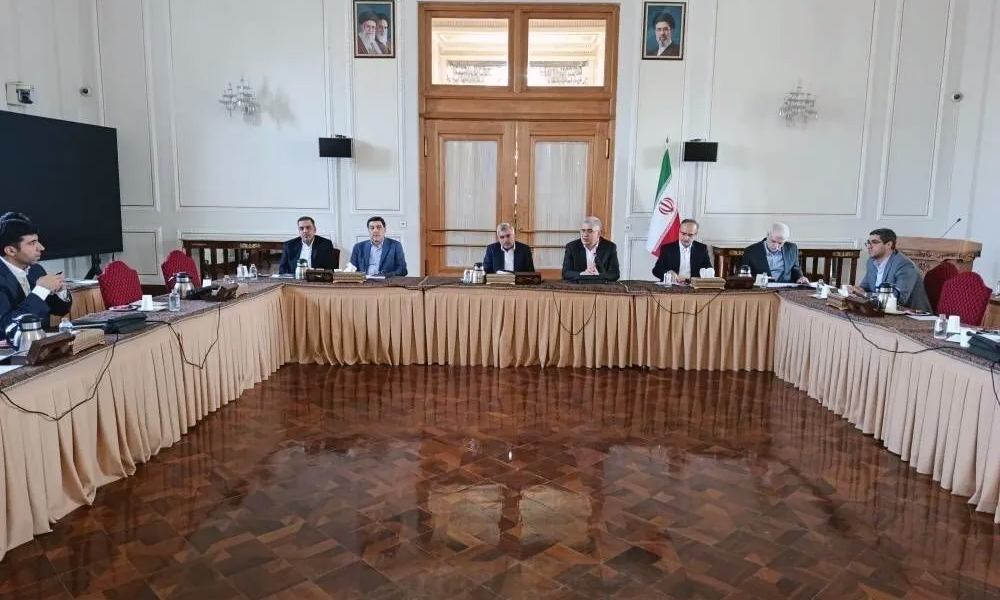
Iran moves to ease export barriers to Afghanistan, Pakistan and Iraq

Cricket Bonanza: Afghanistan set for packed international schedule

Afghanistan says 28 killed, 32 captured in Nuristan operation

Afghanistan on climate front line as Kabul faces groundwater warning

ACB announces Afghanistan squads for Bangladesh, Zimbabwe series

Trump rejects Iranian proposal to open Hormuz and end fighting
Tahawol: UN’s role in tackling global crises discsused
Saar: Pakistan’s blame on Kabul for its own failures discussed
Tawsia: New opportunities in Afghanistan’s energy, trade and agriculture sectors discussed

Exclusive interview with Ali Bilal, runner-up in Mr. Olympia Men’s Physique category

Tahawol: Doha meeting and Afghanistan’s political and economic future discussed
-
 Latest News3 days ago
Afghanistan’s new Wakhan road to China faces major hurdles
-
 Latest News5 days ago
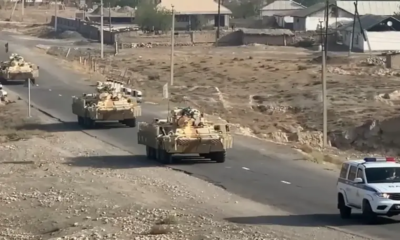
Russian troops arrive in Uzbekistan for joint military exercises
-
 Latest News4 days ago
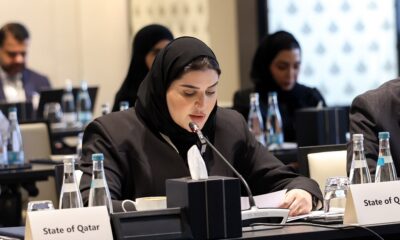
Qatar calls for shift from humanitarian aid to economic recovery in Afghanistan
-

 World4 days ago
Governments warn citizens over security risks in France after riots
-

 Science & Technology3 days ago
Governments take websites offline as critical cyber flaws trigger global alert
-

 Sport5 days ago
Arman FC begin second half of Afghanistan Champions League with 2-0 win
-
 Business4 days ago
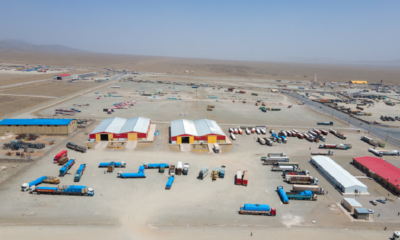
Transit of Afghan goods through Sheikh Abu Nasr Farahi border crossing doubles
-
 Latest News3 days ago
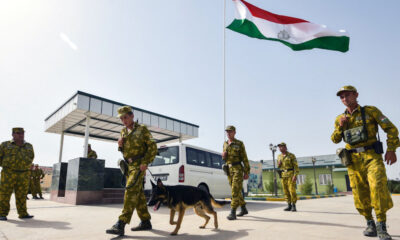
CSTO to supply Tajikistan with weapons to strengthen Afghan border