
Latest News
Part of Taliban opposes Mullah Akhtar Mansour leadership; Calling for a new leader

![TALIBAN 11-09-2015 DARI - SOT.avi_snapshot_00.11_[2015.09.11_17.40.38]](https://ariananews.af/wp-content/uploads/2015/09/TALIBAN-11-09-2015-DARI-SOT.avi_snapshot_00.11_2015.09.11_17.40.38.jpg)
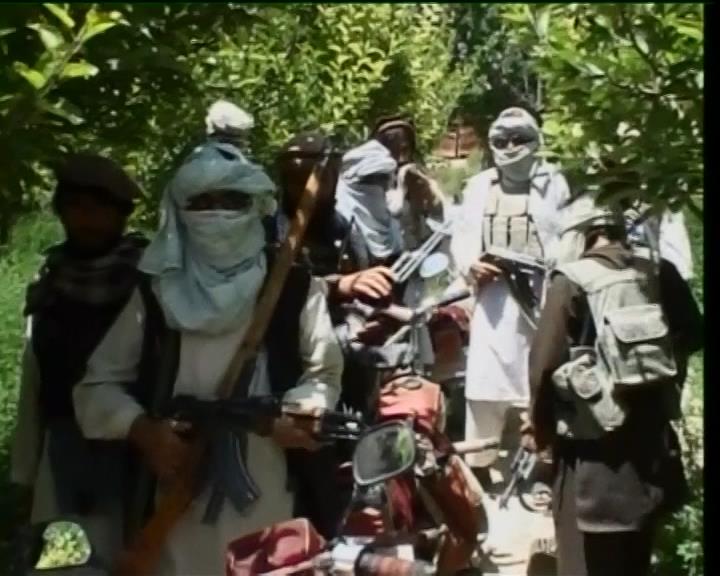
Some of Taliban members are saying that they do not accept the leadership of Mullah Muhammad Akhtar Mansour and calling for a new leader (Amir).
Mullah Akhtar Mansoor, who has reportedly been appointed leader of the Taliban, was Mullah Omar’s number two.
The man chosen, Mullah Akhtar Mansoor, had long been the de facto leader of the insurgent movement, leading its powerful Quetta Shura.
He served as aviation minister in the Taliban government that led Afghanistan from 1996 to the 2001 US invasion, and became deputy leader of the Taliban when Abdul Ghani Baradar was captured in Karachi in 2010 by a joint operation between the CIA and Pakistan’s Inter-Services Intelligence agency.
However, his appointment – announced by unnamed Taliban figures after a meeting of the shura – will almost certainly be disputed by other commanders who were still digesting details of their supreme leader’s death. In a fractious movement long held together by oaths of allegiance to Mullah Omar, analysts believe it could promote a new round of splits and internal warfare.
Afghan analysts say that the Afghan government can use this division of Taliban and is a great opportunity for Afghanistan but if does not attempts it will lead to the strengthening of terrorist forces.
The new Taliban leader is broadly considered a pragmatist who has been a leading proponent of peace talks, although he is thought to be sceptical of the latest Pakistani-sponsored round.
Like Mullah Omar, he draws his political base from around Kandahar, considered the cradle of the Taliban. He comes from the Durrani line of the Pashtun tribe, a group that comprises much of the fighting force around the city.
Also like Mullah Omar he studied at the Darul Uloom Haqqania madrassa, outside Peshawar, across the border in Pakistan.
And like Mullah Omar few other biographical details – or photographs – exist.
The opposed part of Taliban have called for holding a court and appointment of a new leader.
“Mullah Muhammad Akhtar Mansour has not the ability and merit to be Taliban’s leader. There are disputes over his leadership between us,” part of Taliban’s declaration reads.
The divisions threaten a formal split in the Taliban. They also provide an opening to rival Islamic State (IS), the Middle East-based extremist movement that has attracted renegade Taliban commanders in both Afghanistan and Pakistan.
Opponents of Mansour criticize him for being too close to Pakistan’s military, which has long been accused of supporting the Afghan insurgency to maintain regional influence.
Pakistan has pushed Taliban leaders based in its territory hard to come to the negotiating table at the request of ally China and Afghan President Ashraf Ghani.
Despite the opposition, Mansour retains a personal power base within the Taliban, and if he can keep the movement together it could lead to a new era for the insurgents.

Latest News
Afghanistan hosts inaugural Afghanistan–Central Asia Consultative Dialogue to strengthen regional cooperation
On the issue of Pakistan, Muttaqi reiterated Afghanistan’s commitment to resolving bilateral issues through dialogue and diplomacy, while safeguarding its sovereignty.
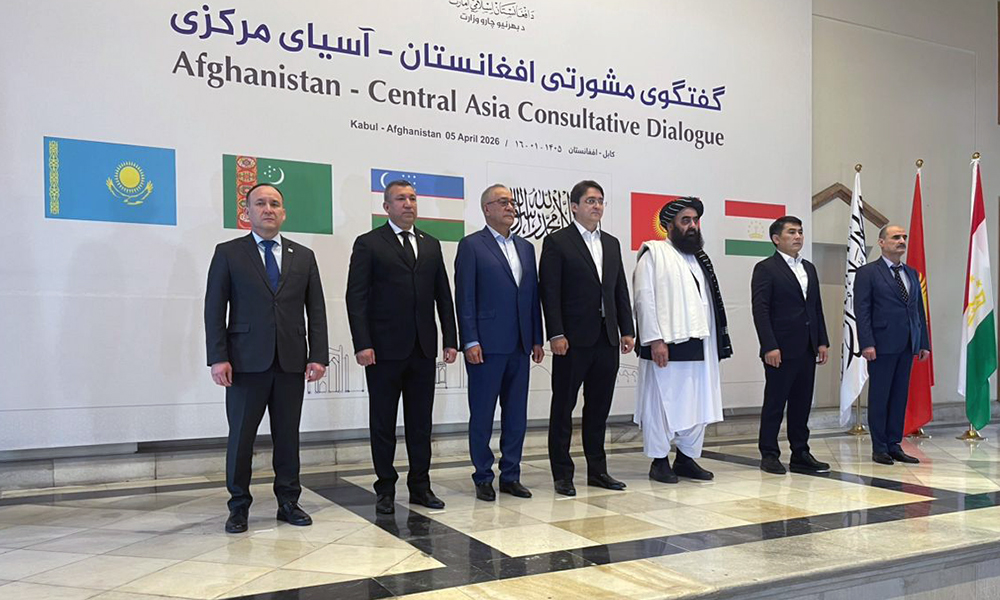
In a significant step towards regional cooperation, Afghanistan hosted the first-ever Afghanistan–Central Asia Consultative Dialogue on Sunday. The high-level event took place in Kabul, bringing together key representatives from five Central Asian nations—Uzbekistan, Kyrgyzstan, Turkmenistan, Tajikistan, and Kazakhstan. The dialogue, initiated by the Ministry of Foreign Affairs of the Islamic Emirate of Afghanistan, aims to establish a multilateral political mechanism to foster diplomatic coordination, enhance economic cooperation, and promote connectivity across the region.
Key Themes of the Dialogue
The meeting, which marked an important milestone in regional diplomacy, was inaugurated by Amir Khan Muttaqi, the Foreign Minister of Afghanistan. In his address, he expressed his satisfaction at hosting such a crucial gathering, emphasizing the platform’s role in advancing mutual trust, stability, and regional collaboration.
“The dialogue aims to enhance political dialogue, promote economic integration, and strengthen diplomatic coordination between Afghanistan and Central Asia,” said Muttaqi. “It will also focus on exploring opportunities for cooperation in key areas such as trade, transit, and regional connectivity.”
Historical Ties and Shared Challenges
Muttaqi took the opportunity to highlight the deep historical, cultural, and geographical bonds between Afghanistan and the Central Asian nations. He referenced the region’s rich intellectual and cultural history, pointing to influential figures such as Imam Abu Hanifa, Imam Bukhari, and other notable scholars and thinkers from the region who have contributed to a shared heritage.
He underscored that the current narrative between Afghanistan and Central Asia is one of opportunity and cooperation, rather than confrontation. “Our collective aim is to address regional challenges in a coordinated manner to achieve prosperity, stability, and development,” he said.
Regional Context and Afghanistan’s Role
The foreign minister also highlighted Afghanistan’s role in a rapidly changing global context, where geopolitical shifts and regional challenges are reshaping the international landscape. He stressed the need for Afghanistan and Central Asia to navigate these challenges together, particularly in relation to the ongoing security dynamics in West Asia.
On the issue of Pakistan, Muttaqi reiterated Afghanistan’s commitment to resolving bilateral issues through dialogue and diplomacy, while safeguarding its sovereignty. “Afghanistan seeks peaceful resolutions based on mutual respect and dialogue, but we also retain the right to protect our territorial integrity,” he added.
Afghanistan’s Foreign Policy and Achievements
Outlining the key principles of Afghanistan’s foreign policy, Muttaqi emphasized the importance of balance, economic cooperation, and good neighborly relations. He noted that Afghanistan’s foreign policy framework has been centered on strengthening ties with its neighbors, particularly Central Asia, to foster regional stability and development.
Among Afghanistan’s notable achievements in recent years, he pointed to the establishment of a stable Islamic governance system, the elimination of widespread corruption, and the near-complete eradication of narcotics cultivation. He also highlighted the country’s economic policy, which aims to attract foreign investment and foster economic growth, particularly through trade with Central Asia.
Economic and Trade Cooperation
The dialogue also served as a platform to discuss economic cooperation, with Muttaqi sharing promising trade figures. In 2025, Afghanistan’s trade with Central Asia reached approximately $2.7 billion, marking a significant growth compared to previous years. The goal, he said, is to expand trade volume to $10 billion within the next 3-4 years.
Afghanistan’s strategic position, linking Central Asia to South and West Asia, positions it as a vital hub for regional trade. Key projects that were discussed included:
TAPI Gas Pipeline: Significant progress on the Herat–Turkmenistan border, with 120 km of pipeline ready for construction.
CASA-1000 Energy Project: Advancing energy transmission between Kyrgyzstan, Tajikistan, Afghanistan, and Pakistan.
Lapis Lazuli Trade Route and Six-Nation Corridor: Prioritizing regional connectivity for enhanced trade.
Security and Border Cooperation
Another critical area of discussion was security and border cooperation. Afghanistan shares over 2,300 kilometers of borders with Central Asian countries, including Tajikistan, Uzbekistan, and Turkmenistan. The dialogue included discussions on joint security efforts, particularly in tackling cross-border threats such as drug trafficking, illegal migration, and extremism. The Afghan security forces’ efforts in maintaining stable borders were also highlighted as a key factor in ensuring regional security.
Proposals for Strengthening Regional Integration
Muttaqi proposed several measures to further strengthen regional cooperation:
1. Institutionalizing the Afghanistan–Central Asia Consultative Dialogue to meet regularly.
2. Organizing expert conferences to develop actionable cooperation roadmaps.
3. Creating a joint security framework to address shared regional challenges.
4. Coordinating efforts to combat climate change and address environmental concerns.
5. Expanding regional participation in initiatives like the Shanghai Cooperation Organization and Green Central Asia.
Conclusion: A New Era of Cooperation
In his closing remarks, Muttaqi expressed his gratitude to all participating nations for their support and commitment to the dialogue. He reaffirmed Afghanistan’s pragmatic and cooperative approach to regional engagement, calling the dialogue a historic step towards building a stable, prosperous, and interconnected region.
This inaugural Afghanistan–Central Asia Consultative Dialogue signals the beginning of a new chapter in regional cooperation, focused on shared economic growth, security, and sustainable development. With continued dialogue and collaboration, the nations of Central Asia and Afghanistan are set to chart a path towards a more integrated and prosperous future.
Latest News
Flash floods and natural disasters leave dozens dead, thousands affected across Afghanistan
The warning comes as Afghan authorities report significant losses caused by recent heavy rainfall and natural disasters across the country.
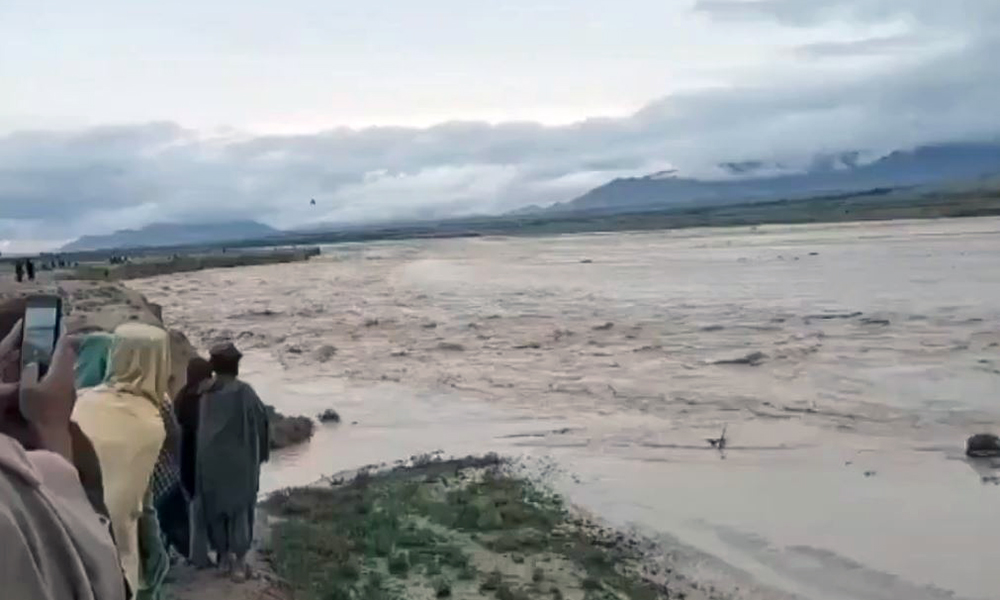
More than 31,000 people were affected by flash floods in Afghanistan in 2025, the United Nations Human Settlements Programme said on Sunday, warning that the country is increasingly vulnerable to climate-related disasters.
In a statement, the agency highlighted Afghanistan’s growing exposure to extreme weather events and stressed the urgent need for disaster-resilient infrastructure. The organization also noted that it is working with the Special Trust Fund for Afghanistan to help communities strengthen their ability to withstand future environmental shocks.
The warning comes as Afghan authorities report significant losses caused by recent heavy rainfall and natural disasters across the country.
According to Zabihullah Mujahid, at least 61 people have died and 116 others have been injured following severe weather and flooding in several provinces. Authorities say four people remain missing as search and rescue efforts continue.
The disasters have also caused widespread destruction to homes, farmland, and livestock. Mujahid said 2,448 houses were destroyed either completely or partially, leaving thousands of families displaced.
In addition, 26,841 acres of agricultural land were severely damaged, dealing a major blow to rural communities that depend heavily on farming and livestock for their livelihoods. Officials also confirmed that 1,045 livestock animals were killed during the storms.
Mujahid said the Islamic Emirate has mobilized available resources to support affected communities, emphasizing that relief efforts are underway to deliver emergency assistance such as shelter, medical supplies, and food to those impacted.
He added that alongside immediate humanitarian aid, authorities are also focusing on long-term reconstruction and recovery efforts to rebuild damaged infrastructure and restore livelihoods.
The United Nations has repeatedly warned that Afghanistan remains highly vulnerable to climate-related disasters, including floods, droughts, and landslides, which continue to threaten millions of people across the country.


IEA supreme leader orders replacement of foreign terminology in official documents

IPL 2026: Rajasthan Royals, Delhi Capitals go top as double-header delivers thrills

Afghanistan hosts inaugural Afghanistan–Central Asia Consultative Dialogue to strengthen regional cooperation

Iran claims it shot down US C-130 support aircraft in Isfahan

Flash floods and natural disasters leave dozens dead, thousands affected across Afghanistan

Prominent Muslim scholar issues fatwa calling for Afghanistan-Pakistan ceasefire

IEA Supreme Leader issues Eid-ul-Fitr message urging unity and support for Islamic system

14 Pakistani soldiers killed after military post falls along Durand line: MoD

Afghanistan steps in to replace Iran in supplying fruits and vegetables to Russia

Afghan airstrikes target Pakistani military sites in retaliation for air attacks

Tahawol: Continuation of Middle East crisis discussed

Saar: Ongoing Kabul-Islamabad talks in China discussed

Tawsia: This week’s key economic developments in Afghanistan discussed

Tahawol: Start of talks between Kabul-Islamabad in China discussed

Saar: Ongoing US and Israeli attacks on Iran discussed
-
 Latest News5 days ago
Baradar approves 17 projects worth over one billion AFN
-

 Sport5 days ago
ATN to broadcast second season of Ariana Snooker Championship
-
 Business3 days ago
Tripartite agreement to launch new Russia–Turkmenistan–Afghanistan transit corridor
-
 Latest News5 days ago
Afghan delegation heads to China for talks with Pakistan
-
 Latest News3 days ago
China says Afghanistan–Pakistan peace talks show progress
-

 Sport5 days ago
Punjab Kings edge Gujarat Titans in thrilling IPL clash as tournament gathers pace
-
 Regional5 days ago
Emirates airline says Iranian nationals barred from entering or transiting UAE
-
 Latest News5 days ago
Peshawar jirga urges Pakistan, Afghanistan to halt clashes and pursue peace through dialogue