
Latest News
Taliban says conditionally ready to start negotiations after Eid al-Adha

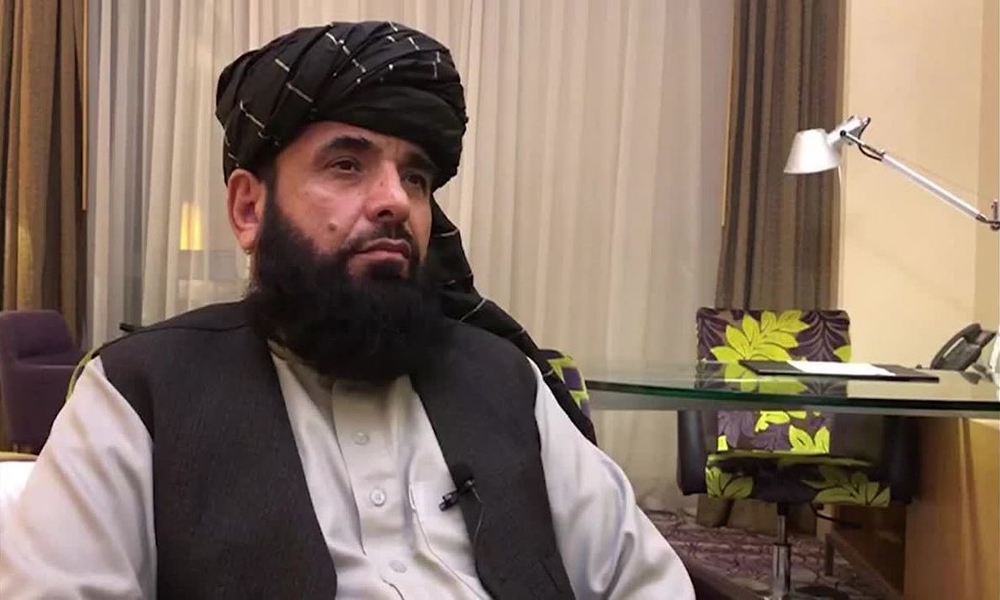
Suhail Shaheen, a spokesman for the Taliban’s political office in Qatar, said the group is ready to release the remaining government prisoners by Eid al-Adha, in case the government also releases the remaining 600 prisoners of the Taliban according to the list already shared with the government.
The Taliban are ready to start negotiations between Afghans immediately after Eid, provided the government releases the group’s 600 prisoners on a pre-arranged list.
Shaheen said in a tweet that the group is “ready to release all remaining prisoners of the #Afghan gov’t before the eve of Eid al-Adha provided they release our prisoners as per our list already delivered to them.”
However, the government says the Taliban must reduce violence to start peace talks.
The failure to release some 600 Taliban prisoners from government custody is a controversial issue, and the Independent Human Rights Commission has backed the decision.
“We call on the government to investigate the situation of 592 prisoners. Prisoners who violate human rights and civil rights should not be released at all,” said Zabihullah Farhang, spokesman for the Human Rights Commission.
Some experts say the government is challenging the peace talks by not releasing 600 Taliban prisoners.
“We urge the Afghan government and the US Special Representative for the Afghan peace to take a major action that can be taken to start inter-Afghan talks,” said Negina Yari, a member of the Afghanistan Peace House board.
“There is a good opportunity for negotiations and the demand for the release of their prisoners is a legitimate demand and the government must act,” said Shahzada Massoud, a political analyst.
But the NSC office said that although Taliban prisoners had promised not to return to the war after their release, a number of released prisoners are now fighting against security forces.







Latest News
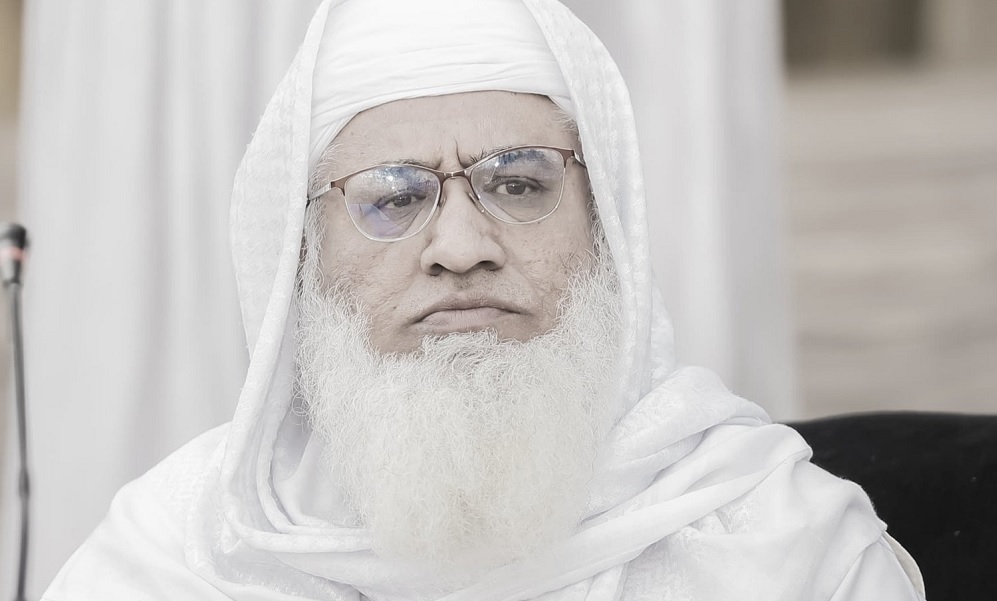
IEA leaders contact Maulana Fazlur Rehman to express condolences over Sheikh Idris’s death
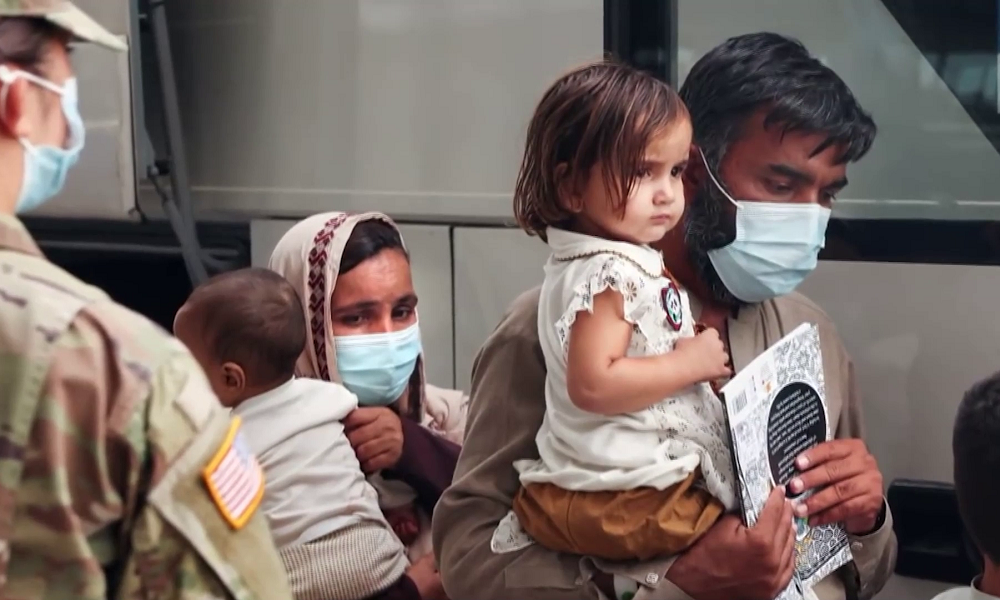
Hundreds of former U.S. officials are calling on Washington to cancel a reported plan to relocate Afghan refugees from Qatar to the Democratic Republic of the Congo.
In an open letter addressed to the U.S. State Department, more than 600 former civilian and military officials, along with around 100 organizations, urged the administration to stop the proposed transfer. The letter was sent to Marco Rubio.
The signatories argue that the Afghan nationals in question were brought to Qatar by the United States to complete legal immigration procedures after undergoing extensive security vetting. The letter states that while the individuals were cleared for resettlement in the United States, they are now being considered for relocation to Congo, a country for which they were never screened.
“Those individuals were vetted and approved for the United States, not for the Democratic Republic of the Congo,” the letter reads.
According to the report, more than 1,100 Afghan allies and their family members are currently being held at Camp As Sayliyah in Qatar under U.S. supervision. Around 800 of them have already completed all security checks and received authorization to travel to the United States. More than half are women and children, and many have remained in transit limbo for over 15 months.
The situation has drawn criticism from former officials and policy observers, who describe the proposed relocation as a betrayal of Afghan allies who supported U.S. missions and risked their lives during the war in Afghanistan. Critics also warn that the move could damage U.S. credibility with future partners.
Several members of the U.S. Congress had previously expressed opposition to the proposal, cautioning that it could significantly undermine trust in the United States among its allies.


Canada to host opening ceremony for FIFA World Cup 2026 in Toronto

Afghanistan rises 7 places to 21st in FIFA Futsal World Rankings

IEA leaders contact Maulana Fazlur Rehman to express condolences over Sheikh Idris’s death

Mexico City to launch 2026 FIFA World Cup with star-studded opening ceremony

Trump releases government UFO files, more expected

Bayat Power extends gas supply deal with Afghan Gas

Etihad Airways to expand Kabul–Abu Dhabi flights to daily service amid surging demand

Afghanistan’s new cricket head coach Richard Pybus arrives in Kabul

Afghanistan moves toward self-sufficiency in car battery production

Germany to launch online visa system for Afghan study and work applicants in Pakistan

Tawsia: Discussion on Afghanistan’s economic path and position

Tahawol: Pressure on Afghan refugees from Tajikistan to Europe discussed

Saar: Ongoing criticism of Pakistan’s Afghanistan policy discussed

Tahawol: Diplomatic turn in Iran–US confrontation discussed

Saar: Expanding interaction between countries and IEA discussed
-

 Sport5 days ago
Afghanistan set for Maldives four-nation tournament
-

 Business5 days ago
Kazakhstan grain exports to Afghanistan jump sharply
-

 Latest News5 days ago
Leadership reshuffle announced across Afghanistan’s admin and security sectors
-

 Latest News4 days ago
Pakistan’s Achakzai pushes for Afghanistan dialogue amid economic strain
-

 Business1 day ago
New Afghanistan-China transport corridor launched via Turkmenistan
-
 Business3 days ago
Afghanistan presses Chinese contractor over delays in Mes Aynak copper project
-
 Business3 days ago
Uzbekistan launches new cargo corridor linking China and Afghanistan
-
 Latest News4 days ago
Food prices surge 20% in Afghanistan as Hormuz crisis disrupts supply routes