
World
US-Iran peace talks called off, clouding prospects for lasting truce
Trump has become openly critical of Israel’s operations in Lebanon, opening one of the biggest rifts between the two countries in decades.

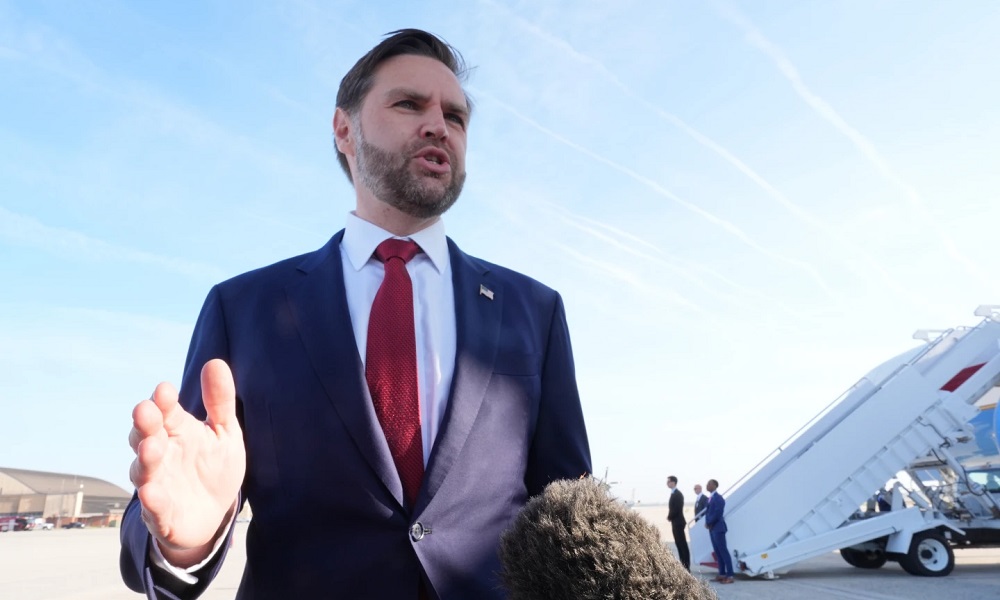
Switzerland said U.S. talks with Iranian negotiators on a pact to end the Middle East conflict, would not take place on Friday, as Vice President JD Vance dropped plans to travel to Geneva, adding to uncertainty whether a lasting truce can be found, Reuters reported.
“The logistics of these negotiations have never been simple or predictable,” the White House spokesperson said in a statement on Thursday night. Vance and the U.S. delegation had been ready to depart as soon as plans were finalised.
The talks, set for the mountaintop resort of Burgenstock, would not take place, Switzerland’s foreign ministry confirmed, but gave no details.
There was no immediate response from Iran, which had earlier said it was ready to begin technical talks after Wednesday’s 14-point accord extended a tenuous ceasefire by at least 60 days.
Iran’s negotiators first needed to see signs of the U.S. implementing the interim deal, and there was no confirmation its delegation would travel to Geneva, the semi-official Tasnim news agency said before Vance’s Thursday announcement.
U.S. officials had also said they would hold a formal signing ceremony for the U.S.-Iran agreement in Switzerland, but Iran’s foreign ministry had cast doubt on the plan, calling it unnecessary after both countries’ presidents signed the pact.
The war, which began on February 28 with U.S. and Israel air attacks on Iran, has killed at least 7,000 people, sent energy prices soaring and shaken global markets.
Israel, left out of the peace talks, has distanced itself from the U.S.-Iran accord and kept up fighting against the Iranian-allied Hezbollah militant group in Lebanon, also raising questions about whether the agreement would hold.
In Washington, some of U.S. President Donald Trump’s Republican allies in Congress questioned whether he had conceded too much in order to end the conflict, unpopular with most Americans in the run-up to mid-term elections in November, read the report.
Trump had sworn to end the war only with Iran’s “UNCONDITIONAL SURRENDER.”
But the memorandum signed with Iran instead provides relief from economic sanctions, unfreezes assets worth tens of billions of dollars and immediate U.S. waivers for its exports of oil.
Iran’s Supreme Leader Ayatollah Mojtaba Khamenei said Trump had signed the deal “out of desperation” and signalled that approaching talks over Iran’s nuclear program, among Trump’s stated reasons for starting the war, would not be easy.
“If the American side wants to be too demanding, we will not accept it,” he said in a message.
The deal gives negotiators 60 days to agree on the status of Iran’s nuclear program, unless an extension is agreed, and set up a $300 billion reconstruction fund for Iran and other financial incentives.
Vance said Washington would also seek to limit Iran’s long-range missiles.
The growing cost of the war also drew the spotlight, as the U.S. defence department told lawmakers it needed $80 billion to cover the costs and some unrelated bills, the Wall Street Journal said.
When the U.S. and Israel launched the war nearly four months ago, Trump said he aimed to destroy Iran’s nuclear capabilities to ensure it could never develop such weapons.
He also sought to end Tehran’s ability to strike its neighbours, prevent it from backing allied anti-Israel militants in the region and make it possible for Iranians to topple their theocratic government.
None of those objectives had been met when Trump signed the agreement, in which Iran restated its decades-long assertion not get or develop nuclear weapons, a position doubted by a succession of U.S. presidents, Reuters reported.
It also agreed to the onsite “down blending” of its highly enriched uranium stockpile and inspections by the International Atomic Energy Agency as a Non-Proliferation Treaty member, rejecting Trump’s wish to remove the material from the country.
U.S. officials say the negotiations could still yield a strong agreement on Iran’s nuclear program, aiming to better one dating from 2015 between Iran, the U.S. and other countries that Trump tore up in his first term.
But critics say Iran is in a stronger position now, having withstood a superpower attack, demonstrated its control of the Strait of Hormuz and gained valuable waivers to financial sanctions.
Iran has said it will still exert control over Hormuz in partnership with Oman, its neighbour across the critical waterway, and intends to charge ships service fees that did not exist before the war, although not during the 60-day talks.
Oil prices dipped on Friday as prospects brightened for more supply after tankers began moving through the reopening Strait, which had carried nearly a fifth of global crude oil and liquefied natural gas supplies before the war.
In Lebanon, where more than a million people have been displaced by the fighting, fresh Israeli strikes on Friday killed at least 15, the state news agency NNA said, in attacks Israel said were directed at Hezbollah targets.
That raised doubt about how far Trump will go to force his wartime ally to halt an offensive he has now pledged to end.
The deal calls for “permanent termination” of the war in Lebanon, but Israel has said it has no intention of withdrawing, instead depicting an expanded occupation zone in a new map.
Trump has become openly critical of Israel’s operations in Lebanon, opening one of the biggest rifts between the two countries in decades.


World
Houthi-run health ministry says airstrikes kill 33 near Yemen capital
The ministry said the strikes hit homes in the town of Bani Hushaysh, a Houthi stronghold east of Sanaa, and that most of those killed were women and children.
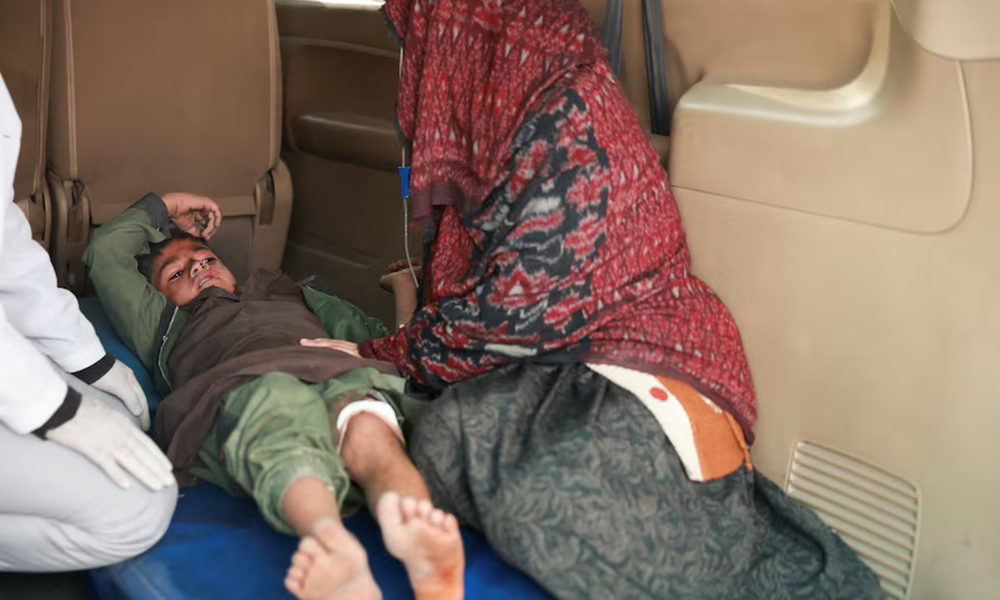
At least 33 people were killed and 39 wounded in what the Houthi-run Saba news agency said were Saudi airstrikes on a village near Yemen’s capital Sanaa on Saturday, in one of the deadliest reported attacks since fighting between Saudi Arabia and the Iran-aligned group resumed in July.
Reuters could not independently verify the account. Saudi Arabia’s Center for International Communication said it was investigating the report.
The renewed fighting between Saudi Arabia and the Houthis has shattered a 2022 UN-brokered truce that largely halted attacks between the Saudi-led coalition and the group, which controls Sanaa. The Houthis have since launched missile and drone attacks on Saudi airports and oil facilities, while Riyadh has carried out airstrikes in Yemen in support of its Yemeni allies.
The ministry said the strikes hit homes in the town of Bani Hushaysh, a Houthi stronghold east of Sanaa, and that most of those killed were women and children.
Abdul-Aziz al-Dailami, director of Sehatuna Hospital in Sanaa, said many victims remained trapped under the rubble, including first responders.
“The strikes keep coming. Just as rescuers arrive, another strike hits. We have even lost some of our own medical responders, who have been martyred,” he told Reuters.
“We received a number of wounded individuals in very critical condition, with injuries to the head, chest and legs, as well as fractures,” al-Dailami added.
The fighting, a spillover from the wider US-Iran conflict, has revived a complex 12-year war in Yemen that has caused one of the worst humanitarian crises globally and fragmented the Arab world’s most impoverished country.
The number of people displaced since the latest round of fighting began has climbed to more than 200,000, the International Organization for Migration said in October.
World
White House declares ‘Trump is still your president’ after Republicans suffer sweeping midterm defeats
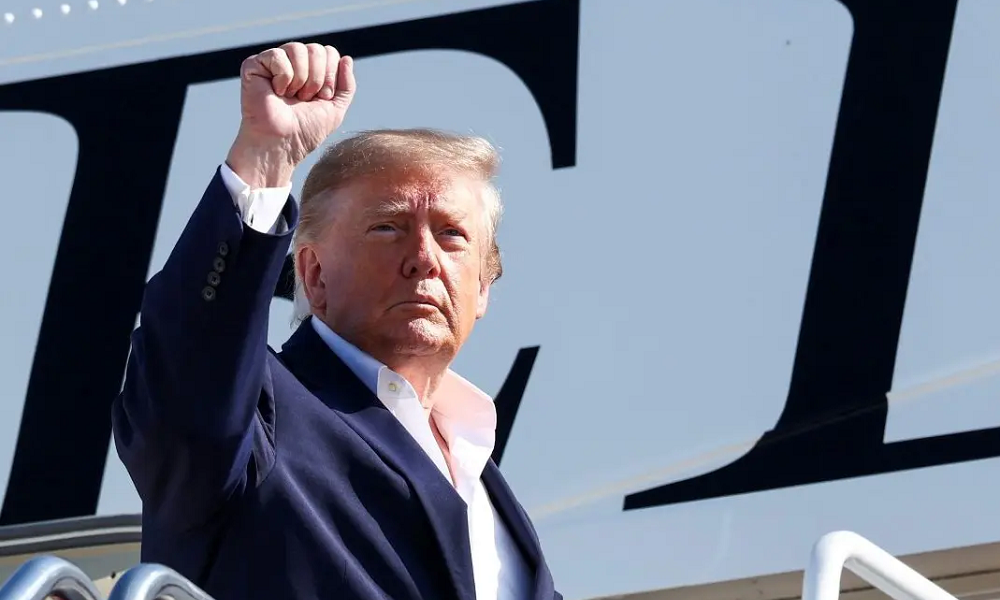
The White House has issued a defiant message following a crushing performance by Republicans in the US midterm elections, declaring that Donald Trump remains president despite significant gains by the Democrats.
In a post on X on Wednesday, the White House shared an image of Trump bearing the words: “TRUMP IS STILL YOUR PRESIDENT.” The accompanying message added: “Thank you for your attention to this matter.”
The statement came after Democrats secured a Senate majority and made major gains in traditionally Republican strongholds, including Texas, Kansas, South Carolina and Ohio.
The midterm elections, which determine control of Congress, were widely viewed as a referendum on Trump’s presidency. All 435 seats in the House of Representatives and 35 of the 100 Senate seats were contested.
The war in Iran and mounting cost-of-living pressures were among the issues believed to have contributed to the Republican setbacks.
Trump acknowledged that the conflict with Iran had affected the election results, particularly through its impact on fuel prices, but defended his decision to pursue the war.
Speaking to Politico, he said the conflict had pushed gasoline prices higher in the short term, but maintained that military action was necessary in the long run.
Iranian officials welcomed the election outcome. Parliament Speaker and chief negotiator Mohammed Bagher Ghalibaf wrote on X that American voters had rejected war, saying: “Conscience or the cost of living, Americans said NO TO WAR.”
Trump also reflected on his campaign rallies, saying the enthusiasm surrounding his appearances had failed to translate into support for Republican candidates.
“They just couldn’t transfer that love,” he said.
Although Trump indicated he was prepared to work with Democrats, he warned that political gridlock could follow, threatening to use his presidential veto to block their legislative agenda.
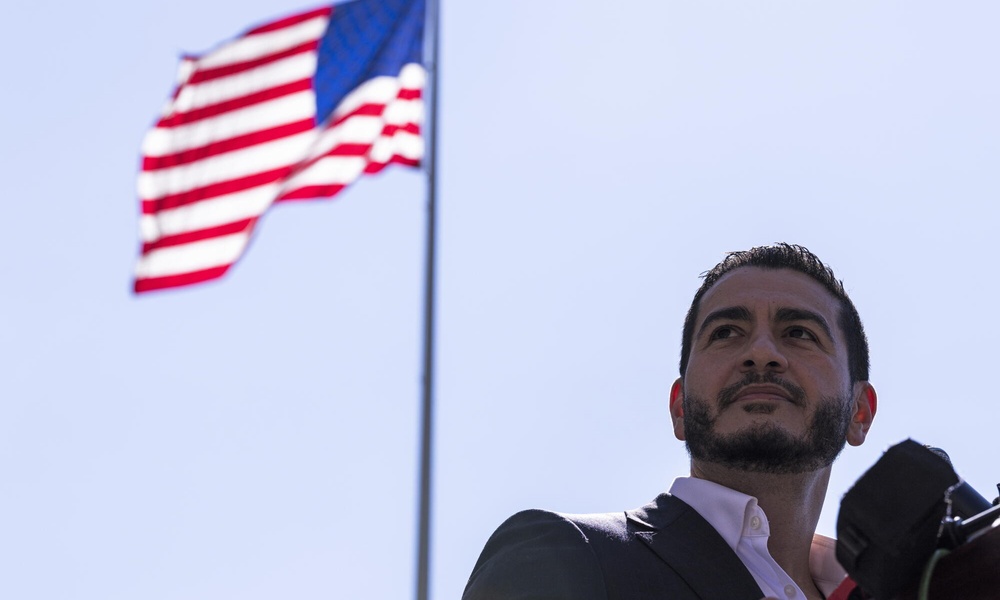
Democrat Abdul El-Sayed has won Michigan’s US Senate race, defeating former Republican lawmaker Mike Rogers and becoming the first Muslim elected to the US Senate, according to US television networks.
“Michigan, we did it!” El-Sayed declared at his victory celebration in Detroit, where hundreds of supporters gathered to celebrate.
“I am so proud and honoured to stand here as your senator-elect from the great state of Michigan,” the 42-year-old said.
El-Sayed secured the victory despite a late campaign setback when Democratic Congresswoman Haley Stevens, whom he defeated in the party primary, endorsed Rogers shortly before election day.
A former medical administrator, El-Sayed campaigned on progressive promises, including universal healthcare, reducing the influence of money in politics and tackling the rising cost of living.
He replaces retiring Democratic Senator Gary Peters and held a lead of nearly six percentage points over Rogers when US networks called the race.
His campaign attracted large crowds across Michigan, including in traditionally Republican areas, while drawing support from labour unions, activists and younger voters.
Republicans had launched a fierce campaign against El-Sayed, portraying him as a radical and questioning his patriotism. He also faced Islamophobic attacks and mockery over his Arabic name from President Donald Trump and Vice President JD Vance.
Addressing Vance during his victory speech, El-Sayed said the vice president was constitutionally obligated to swear him into office in January.
The victory came amid a strong showing by Democrats in several races, prompting jubilant supporters at El-Sayed’s headquarters to chant: “Tsunami! Tsunami!”

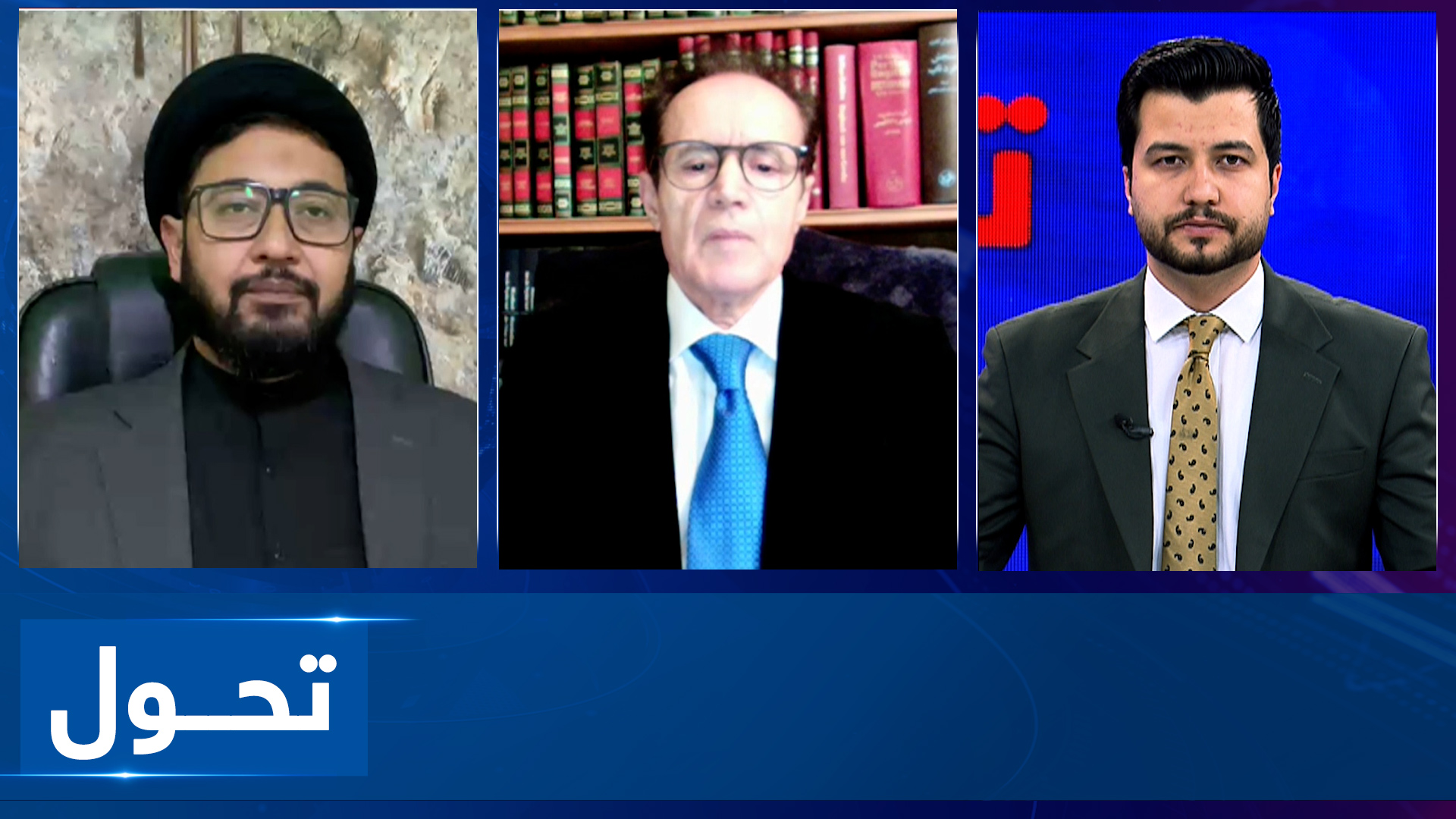
Tahawol: Geopolitical developments in the Middle East

Afghanistan thrash Senegal 6-0 to reach Dakar Youth Olympics futsal semi-finals
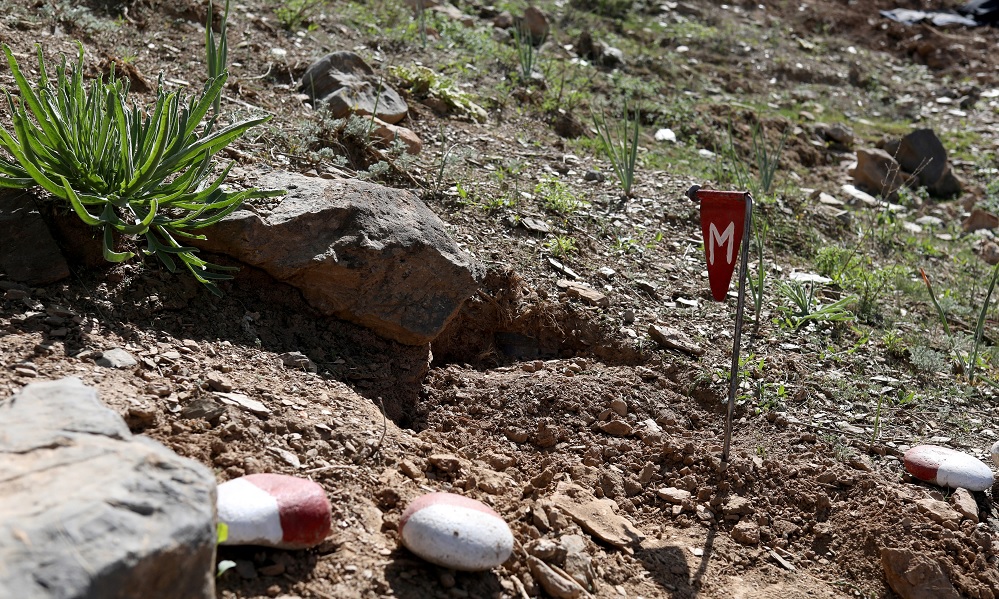
Unexploded ordnance contaminates 901 square kms of land in Afghanistan
Saar: EU’s engagement with Afghanistan

Afghanistan’s record partnership highlights fourth day of Test against Zimbabwe

Afghanistan finish runners-up after 6-0 defeat to Brazil in futsal final

Trump says US may strike Iran’s ‘Pickaxe Mountain’ nuclear facility

Afghan futsal coach: Brazil tournament is first step towards new goals and World Cup

WHO calls for greater mental health support in Afghanistan

Houthis warn airlines to avoid Saudi airports after deadly Riyadh attack
Tahawol: Geopolitical developments in the Middle East
Saar: EU’s engagement with Afghanistan
Tahawol: Afghanistan’s participation in Shanghai Plus security meeting discussed
Saar: Afghanistan’s declining humanitarian aid funding discussed
Tahawol: Calls for stronger joint action against terrorism discussed
-
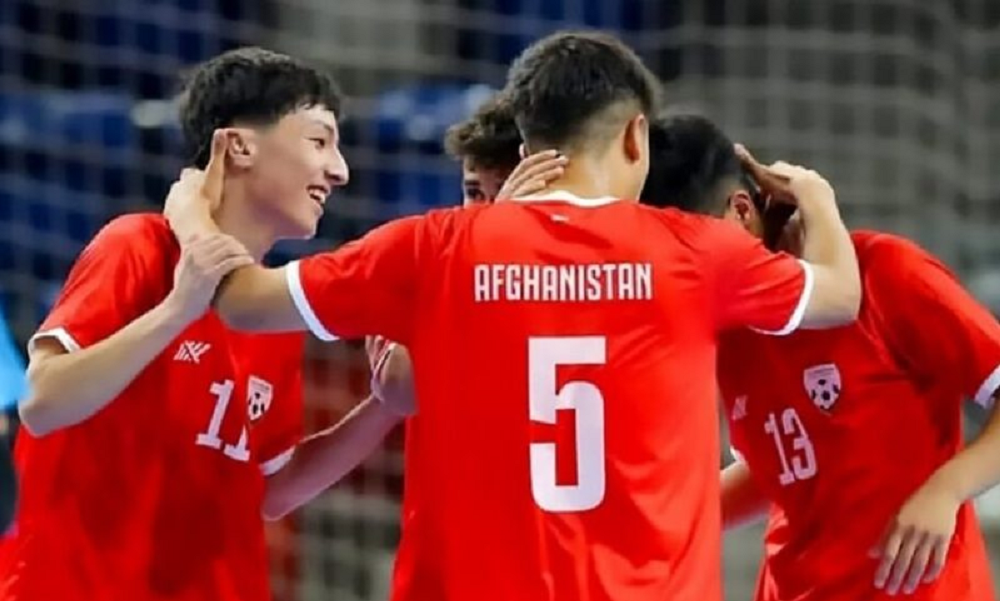 Sport4 days ago
Afghanistan suffer narrow defeat against Argentina at Dakar Youth Olympics
-
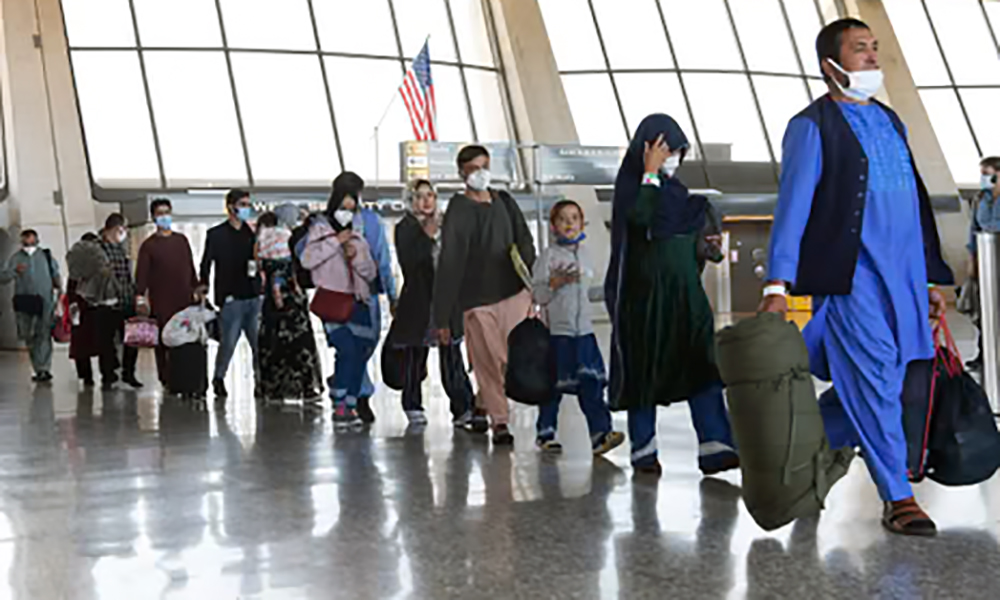 Latest News5 days ago
US judge temporarily blocks deportation of detained Afghans
-
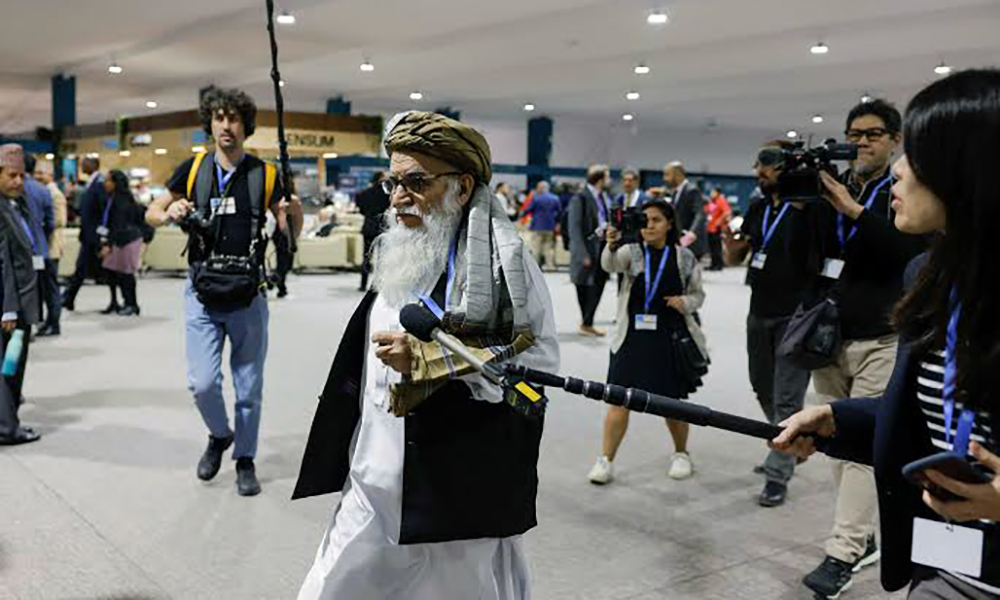 Climate Change5 days ago
IEA to attend UN climate summit for second time since returning to power
-
World5 days ago
Democrat Abdul El-Sayed becomes first Muslim elected to US Senate
-
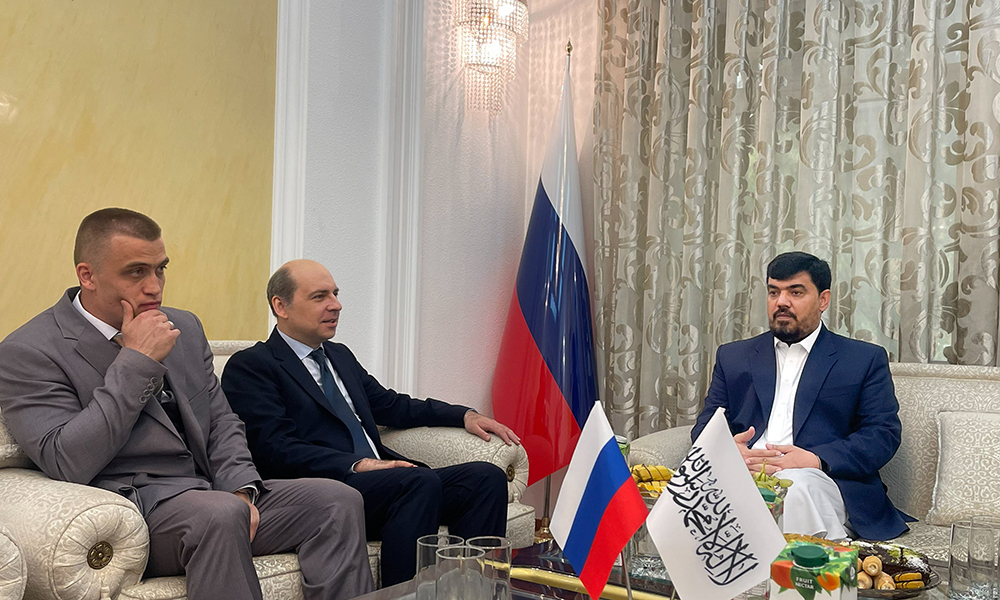 Business5 days ago
Afghanistan and Russia discuss expanding trade and investment ties
-
 Latest News5 days ago
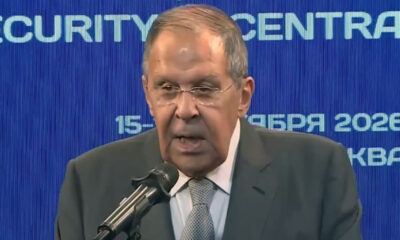
Lavrov says Moscow Format remains key platform for Afghanistan talks
-
 Latest News5 days ago
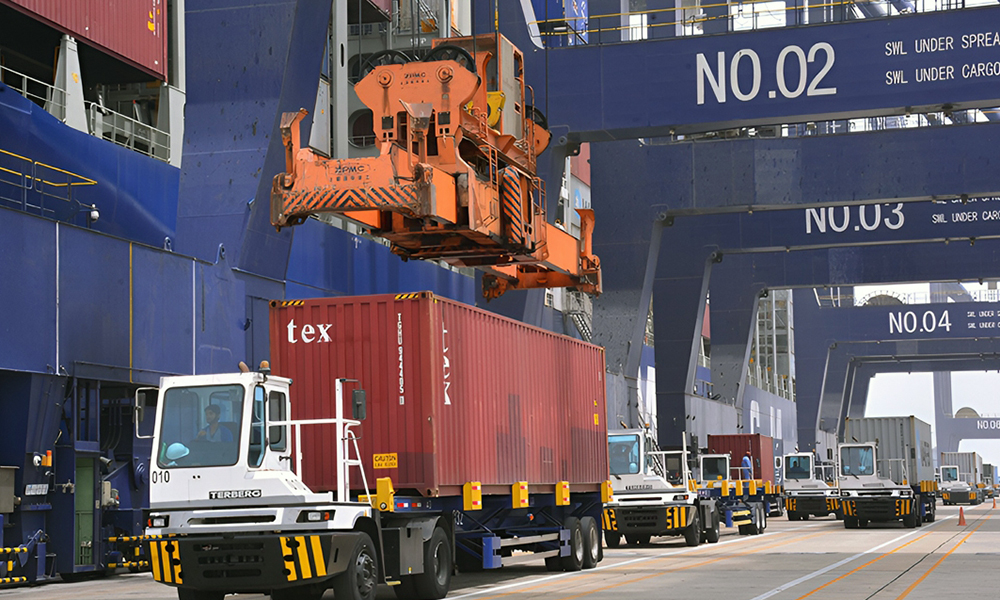
Afghanistan-Pakistan tensions threaten Central and South Asian trade ambitions
-
 World5 days ago
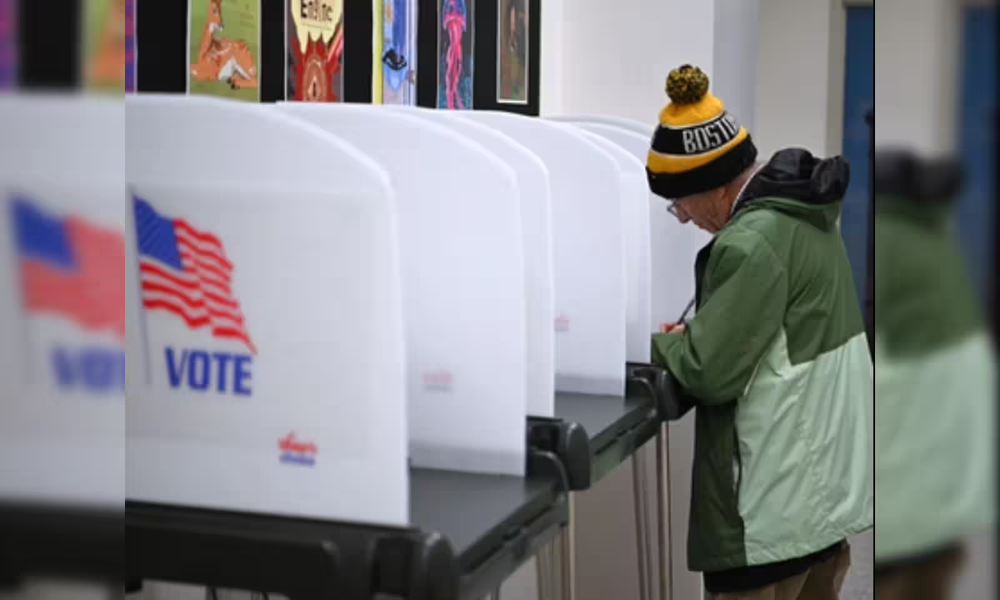
Democrats seize control of Congress in major setback for Trump