
Latest News
Washington struggling to isolate the Islamic Emirate

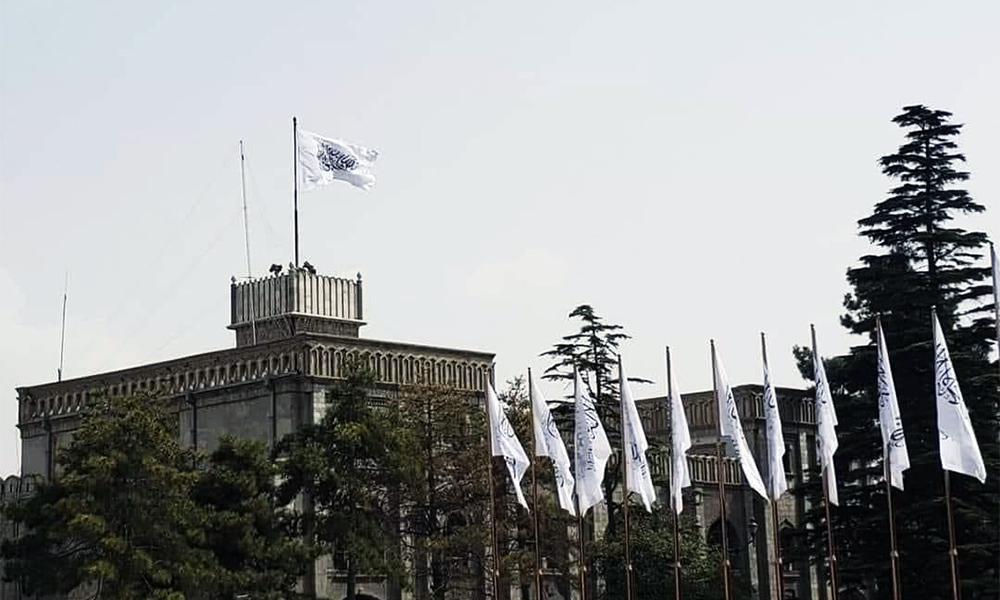
A growing number of governments, including China, are going against Washington’s approach and are not treating the Islamic Emirate as a pariah regime.
According to an article published in Foreign Affairs, the United States and its allies’ approach has been to isolate the Islamic Emirate of Afghanistan (IEA), by withholding diplomatic recognition and the benefits that usually come with normal diplomatic relations.
The approach that the United States and its allies and partners ultimately converged on was a commitment to continue engaging with the Afghan people—for example by providing substantial humanitarian aid—while withholding diplomatic recognition of the IEA and the benefits that usually come with normal diplomatic relations.
In fact, over the past two years, the United States has sought to build on this approach—not only by withholding its own recognition of the IEA but also by sustaining an international consensus on nonrecognition.
However, in the wake of concerted diplomatic efforts by the IEA to court neighboring countries and others in the region, several nations have been willing to accommodate the Islamic Emirate.
As Foreign Affairs reported, these states are among foreign governments that have embassies in Kabul and that host Afghan embassies overseas.
In January, several of these powers, including China, Iran, and Russia, even took part in a multilateral conference of their own hosted by the IEA.
Meanwhile, the IEA appears to be unmoved by global shaming, in particular when it comes to what they deem domestic affairs, such as the question of girls’ access to higher education and women’s right to work, Foreign Affairs reported.
Instead, Afghanistan’s leaders have portrayed international pressure as a violation of the country’s sovereignty, framing calls by Western leaders to uphold international norms as the latest episode in a long history of interference and intervention.
As the IEA has become more established in power, they have doubled down on a posture of resistance. As a result, rather than moderate their policies, they have pressed forward with further restrictions on women and social norms, Foreign Affairs reported.
The article stated that the erosion of the consensus on diplomatic isolation of the IEA raises important questions for Washington and its partners.
Nonrecognition is no longer a credible coercive tool, and if the United States seeks to influence the Islamic Emirate’s behavior, it must find other ways to achieve its desired aims.
Moreover, the Afghan case echoes similar situations Washington has faced with other difficult regimes, including its failure to prevent Arab countries from normalizing ties with Syrian leader Bashar al-Assad, despite crimes committed during the Syrian civil war, or to enforce a global consensus on the isolation of Russian President Vladimir Putin following Russia’s invasion of Ukraine.
Today, attempts by the United States to impose pariah status on regimes it doesn’t like are running up against serious limits.
However, analysts disagree on why Russia and China have not taken the final step of recognizing the IEA. One possibility is that both powers still seek more assurances from Kabul, especially concerning potential terrorist threats from (Daesh) Islamic State Khorasan and a number of other groups.
And as long as the United States actively promotes a nonrecognition strategy, Moscow and Beijing can reap many of the benefits of recognizing the IEA without having to formally buck the international consensus, Foreign Affairs reported.
“Thus, they can reassure the Taliban (IEA) they are on their side (for example by backing them in last December’s UN Security Council proceedings, defending Taliban positions on the recommendations of a recent UN assessment) while also withholding full recognition,” the article read.
Overall, the IEA is not being treated as a pariah regime – despite concerted US efforts to maintain an international consensus on nonrecognition. On the contrary, the region, led by China, is gradually normalizing with Kabul—and intends to continue doing so.
The IEA, for their part, are being validated by this expanding engagement. Their sense of confidence and a loss of patience with conditions-based, Western-backed engagement was evident in their refusal to attend the UN meeting of Afghan envoys in February.
The IEA was not invited to last year’s summit, so they rejected the new meeting as “ineffective and counterproductive.” Likely emboldened by Beijing treating them as a normal regime, the IEA responded to the UN’s invitation by insisting they be treated as the legitimate government of Afghanistan.
Foreign Affairs reported that with new sources of support, the IEA has less reason to submit to Western demands on human rights or inclusiveness in their government.
The failure of Washington’s existing IEA approach highlights the growing challenges to US diplomatic power around the world, Foreign Affairs stated.
Amid two major wars and intensifying strategic competition with China, the United States faces new difficulties in forging a collective international response to pressing global crises.
Meanwhile, China and regional actors are charting their own diplomatic paths, and regimes that the United States seeks to pressure can often find enough friends to defy Washington and maneuver for diplomatic gain, Foreign Affairs reported.




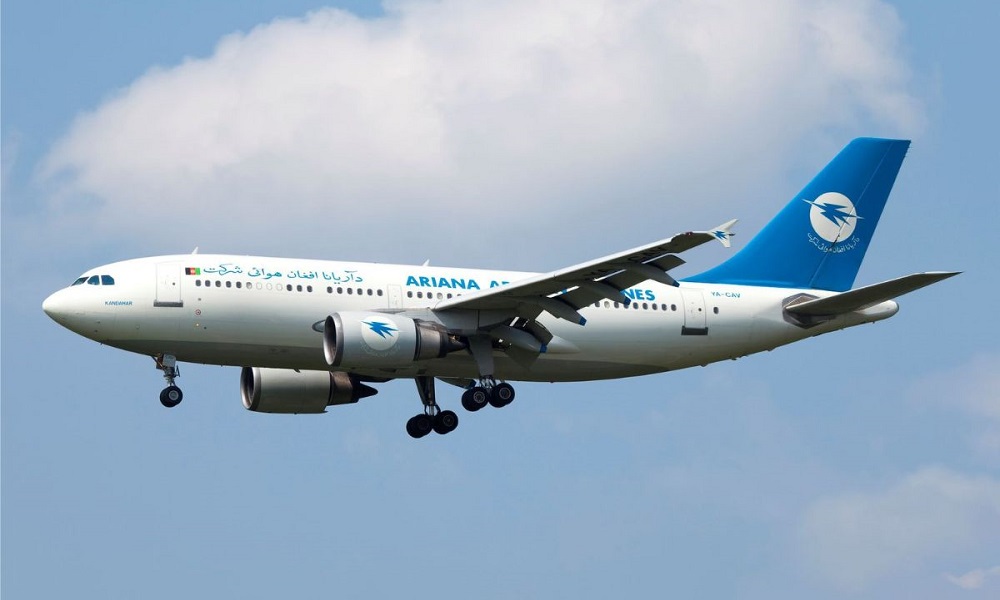
Ariana Afghan Airlines has ranked seventh among 45 airlines in Central Asia in Skytrax’s 2026 rankings.
Company officials say Ariana Afghan ranked eighth on the list in 2025, but moved up one place this year following improvements in service quality and the expansion of its operations.
According to the officials, in 2026 the airline met criteria including service quality, flight safety, professional cabin crew, and experience in the aviation sector, placing it among the top 10 airlines in Central Asia.
Skytrax is an international organization that evaluates and ranks the quality of services in the aviation industry and airlines, assessing and ranking carriers annually based on specific criteria.
Latest News
Silk Road highway in Wakhan corridor now reaches the China border
The road is expected to be officially opened for use in the near future, potentially improving connectivity through the remote Wakhan Corridor.
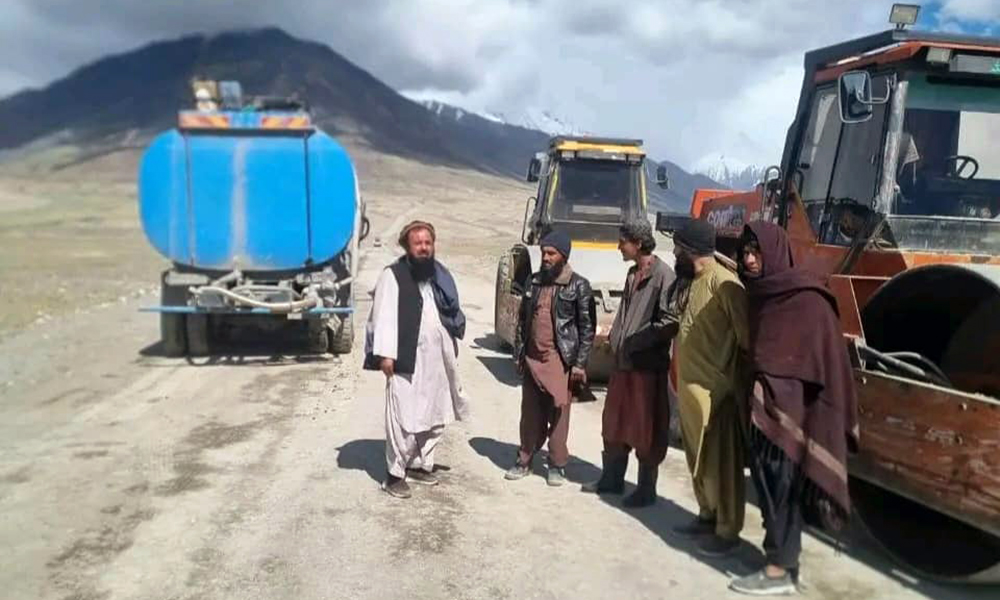
The construction of the Silk Road Highway in Afghanistan’s Wakhan Corridor has been fully completed after five years of work, officials in Badakhshan province said.
Amanullah Chehra, head of Rural Rehabilitation and Development in Badakhshan, said the 121.13-kilometre road begins in the Barghil area and stretches to Bzai Gonbad near the Chinese border.
According to officials, the road is between 7 and 10 metres wide and includes three major bridges, each measuring approximately 20 to 22 metres in length. Numerous smaller drainage structures have also been built along the route to facilitate the flow of water.
The road is expected to be officially opened for use in the near future, potentially improving connectivity through the remote Wakhan Corridor.
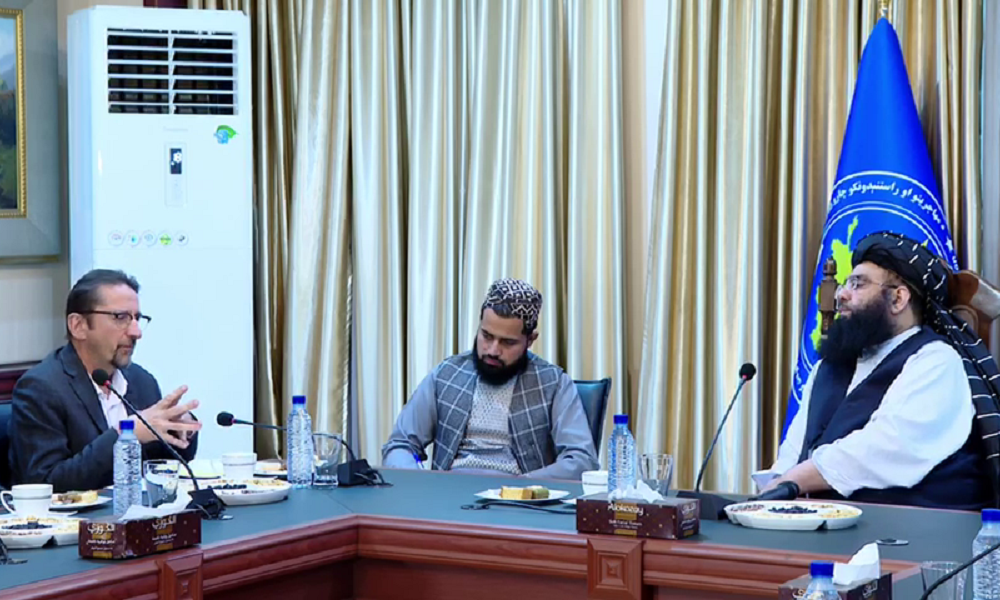
Afghanistan’s Minister of Refugees and Repatriation, Mawlawi Abdul Kabir, met on Wednesday with Bruno Lemarquis, UNAMA’s Deputy Head for Humanitarian Affairs, to discuss the situation of Afghan returnees and humanitarian assistance.
The Ministry of Refugees and Repatriation said Lemarquis briefed the minister on assessments conducted by UN agencies during visits to several provinces to identify the needs of returnee families.
Lemarquis said joint cooperation between UN agencies and the Islamic Emirate is needed to support and resettle returnees. He added that UN agencies are currently assisting thousands of families and called for the expansion of humanitarian assistance.
He also said the international community should pay greater attention to the needs of Afghans, adding that UNAMA is ready to cooperate in addressing challenges facing returnees.
Abdul Kabir welcomed UNAMA’s support and thanked the United Nations for its assistance to Afghans. He said various government institutions have been tasked with addressing returnees’ needs.
The minister also called on aid organizations to continue supporting returnee families, saying a program to resettle thousands of internally displaced families is also underway.
Kabir further said the necessary facilities have been provided for UN agencies to operate and that the Islamic Emirate welcomes UNAMA’s humanitarian cooperation.


Saar: OIC Assessment of Afghanistan’s humanitarian and development situation discussed

Ariana Afghan Airlines ranks seventh among 45 Central Asian airlines

Silk Road highway in Wakhan corridor now reaches the China border

Refugees minister, UNAMA deputy discuss challenges facing returnees

OIC Contact Group reaffirms support for Afghan people

Saudi energy group signs major Afghanistan deals covering gas exploration and pipeline plans

ATN secures exclusive rights to broadcast T20I series in India across Afghanistan

China evacuates thousands as Typhoon Narra brings torrential rain

Trump floats idea of renaming Atlantic or Pacific Ocean

US hits Egyptian bank branches with Iran sanctions as war marks six months
Saar: OIC Assessment of Afghanistan’s humanitarian and development situation discussed

Tahawol: Reactions to Pakistan’s attacks on Afghanistan discussed

Saar: Uncertain fate of Afghanistan’s seat at UN discussed

Tahawol: Uncertain future of Afghanistan’s permanent UN seat

Saar: Pakistan military strikes Afghan provinces discussed
-

 Sport2 days ago
Afghanistan to face Japan and Nepal in Asian Games cricket group stage
-

 World5 days ago
US and Denmark reach deal on Greenland, Trump says
-
 Latest News3 days ago
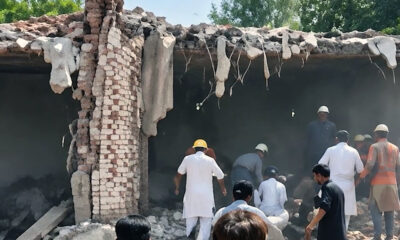
Pakistan says Kohat attackers had roots in Afghanistan
-
 Latest News4 days ago
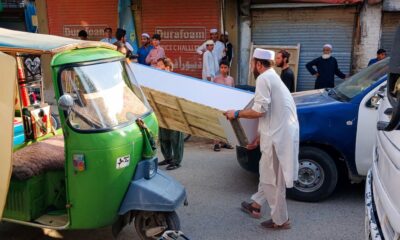
Afghanistan condemns mosque attack in Khyber Pakhtunkhwa
-
 Latest News4 days ago
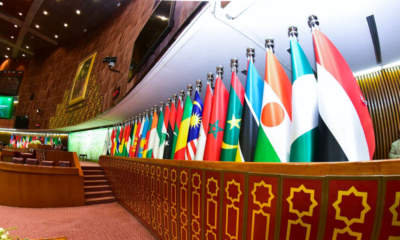
OIC to hold Afghanistan Contact Group meeting on sidelines of UN General Assembly
-
 Latest News4 days ago
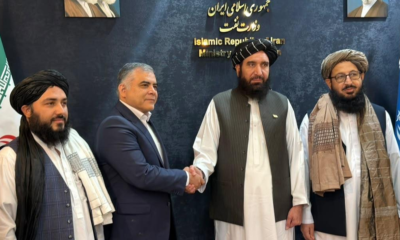
Afghan official meets Iranian oil minister to discuss energy cooperation
-
 Regional4 days ago
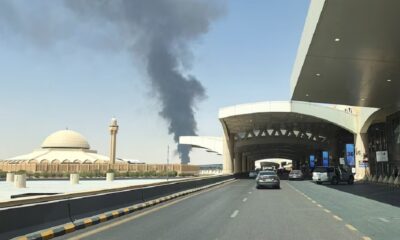
Flames, smoke seen near Riyadh airport; Houthis claim attacks on Saudi capital
-

 Sport5 days ago
ACL: Sarsabz Yashlar edge Istiqlal Kabul 2–1