
Latest News
19 % decrease in poppy cultivation: MoCN

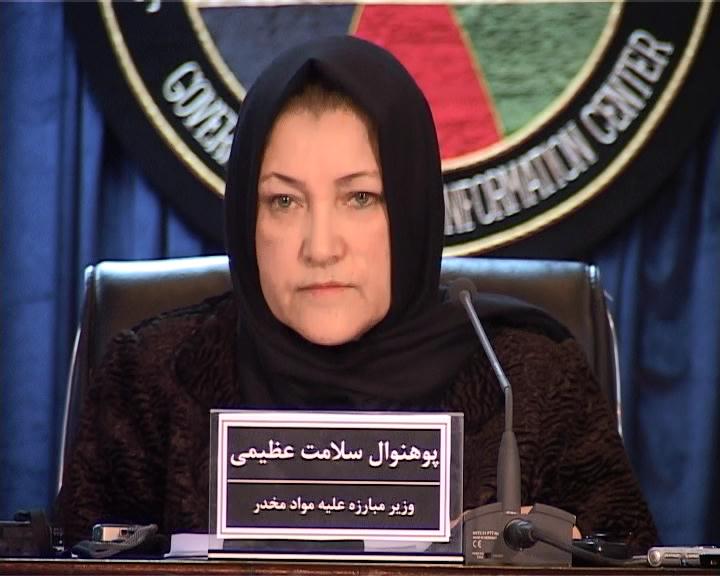
![DRUG 9-12-2015-DARI SOT.mpg_snapshot_00.47_[2015.12.09_18.16.30]](https://ariananews.af/wp-content/uploads/2015/12/DRUG-9-12-2015-DARI-SOT.mpg_snapshot_00.47_2015.12.09_18.16.30.jpg)
The Ministry of Counter Narcotics (MoCN) says that opium poppy cultivation in Afghanistan decreased 19 per cent in 2015, compared to the previous year.
The minister of counter narcotics in a press conference noted that in the year 2015 we witness a decrease in poppy cultivation and many achievements in seizing drugs.
“Of the 224,000 hectares of lands 183000 of them cultivated poppy, which shows a 19 percent decrease,” said Salamat Azimi, minister of counter narcotics.
Azimi emphasized that Afghan Opium Cultivation decreases for the first time in six years.
Lower levels of cultivation translates to a 48 percent reduction in the potential production of opium in 2015 – 3,300 tons compared to 6,400 tons in 2014.
According to a U.N. and Afghan government joint survey, unfavorable weather conditions were a major reason for the decline. They also pointed out there was a change in the methodology used to estimate areas of poppy cultivation, and while there was certainly a decrease, the percentage may not be exact.
In the meantime, deputy of counter narcotics interior ministry said about the lack of enough forces to stop selling drugs.
“We do not have the capacity to prevent selling drugs in the capital. I have to say that we have seized around 2500 kilograms of drugs from Sayed Abad and Ahmad Abad districts of Paktia province,” said Baz Muhammad Ahmadi, deputy of interior ministry counter narcotics.
However, the United Nations announced the increase of poppy cultivation in the north and capital.
“Balkh, Faryab, Badghis, Sar-e Pul, Uruzgan, Ghor, Kunduz and Kabul are those provinces which poppy cultivations show increase in them,” said Regional representative of the UN Office on Drug Control.
Billions of dollars have been spent on counter-narcotics efforts in Afghanistan in the past decade, including programs encouraging farmers to switch to other cash crops like wheat, fruit and saffron.

Latest News
Afghan citizens reported among casualties in US, Israeli attacks, Iran says
As of now, authorities of the Islamic Emirate of Afghanistan have not issued an official response to the claims.
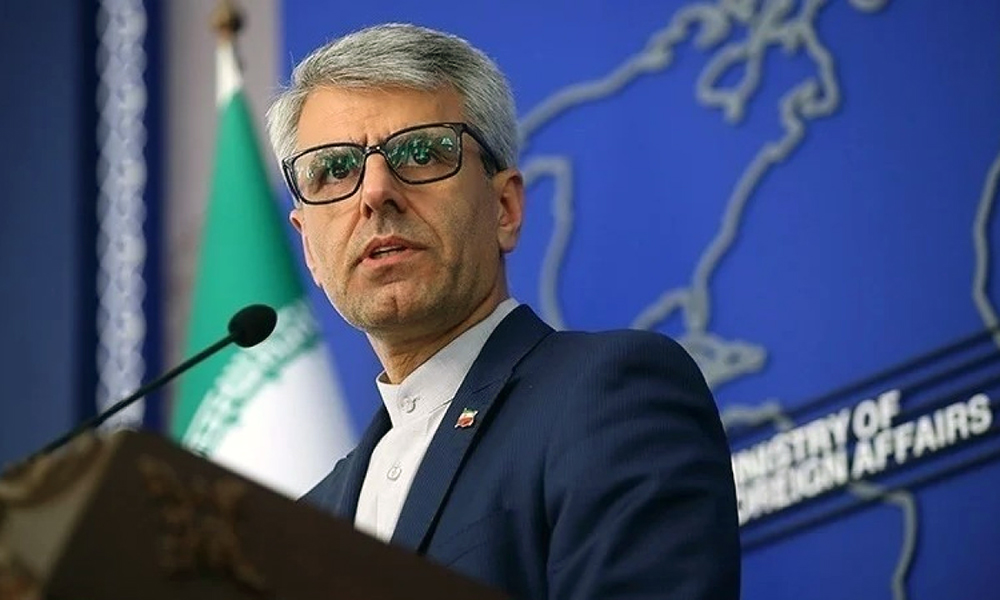
Iran’s Embassy in Kabul, citing Foreign Ministry spokesperson Esmaeil Baghaei, has stated that a number of Afghan citizens were killed or injured during what Tehran described as a 35-day military campaign carried out by the United States and Israel.
According to the statement, the Afghan nationals were living in Iran at the time of the attacks. Baghaei referred to them as “honored guests” of the country, adding that some lost their lives while others sustained injuries during the reported strikes.
He did not provide specific figures regarding the number of Afghan casualties or further details about the incidents.
As of now, authorities of the Islamic Emirate of Afghanistan have not issued an official response to the claims.
Latest News
Save the Children: Nearly one Afghan child killed or injured daily by explosive remnants
Despite the efforts of aid organizations and demining groups, the scale of the contamination remains overwhelming.
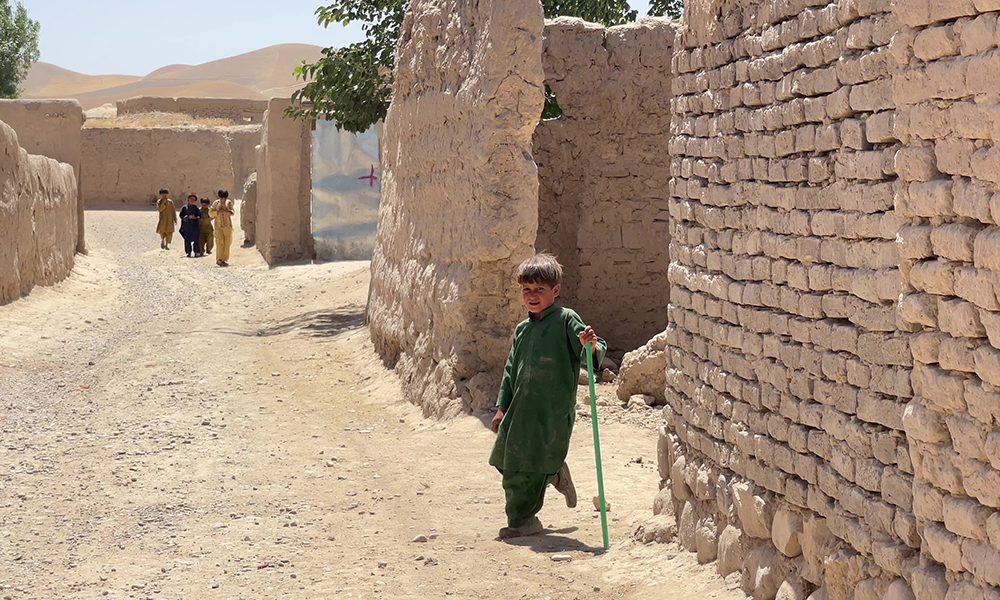
Save the Children has issued a stark warning, revealing that nearly one Afghan child is killed or injured every day by explosive remnants of war (ERW). In its latest report, the global humanitarian organization emphasized the ongoing and deadly impact of landmines and unexploded ordnance scattered across the country, a legacy of decades of conflict.
From January 2025 to January 2026, 338 Afghan children were killed, injured, or permanently disabled by explosive remnants. Shockingly, children represented nearly 70 percent of all casualties from such explosions during this period. Save the Children’s report underscores that Afghanistan continues to have the highest number of child casualties due to explosive remnants worldwide.
The report highlights that vast swathes of Afghanistan remain contaminated with hazardous materials, with more than 2.7 million people – including many children – living within one kilometer of these dangerous zones. These hazardous areas, often located in fields, pastures, and farmlands, remain uncleared despite ongoing demining efforts. Afghanistan is now considered one of the most contaminated countries globally, with nearly 5,000 hazardous sites still awaiting clearance.
The danger is particularly acute for rural and nomadic communities, including the Kuchi, who traverse long distances in search of water and grazing lands. These communities face severe challenges in accessing healthcare, education, and protection services, further compounding the risks posed by unexploded devices.
To address the growing threat, Save the Children has launched mobile awareness programs aimed at teaching children, particularly in remote and underserved regions, how to identify and avoid explosive hazards. These programs are crucial in helping to reduce the number of child casualties, as children are often unaware of the dangers in their environment.
Despite the efforts of aid organizations and demining groups, the scale of the contamination remains overwhelming. Funding shortages continue to hamper the progress of clearance operations, leaving families and children exposed to the deadly remnants of past conflicts.
“Explosive remnants of war are not just a legacy of Afghanistan’s past; they are an ongoing humanitarian emergency that continues to claim innocent lives,” said Save the Children. “The international community must step up its support to ensure the safety of Afghan children and accelerate efforts to clear these life-threatening hazards.”
As the country struggles to recover from years of conflict, the need for comprehensive and sustained demining operations, alongside better access to education and healthcare for at-risk communities, has never been more urgent.
Latest News
Eight dead after 5.8-magnitude earthquake hits Afghanistan
The family members who perished included a father, mother, four daughters, and two sons. In addition to the deaths, a child was reported injured in the incident.
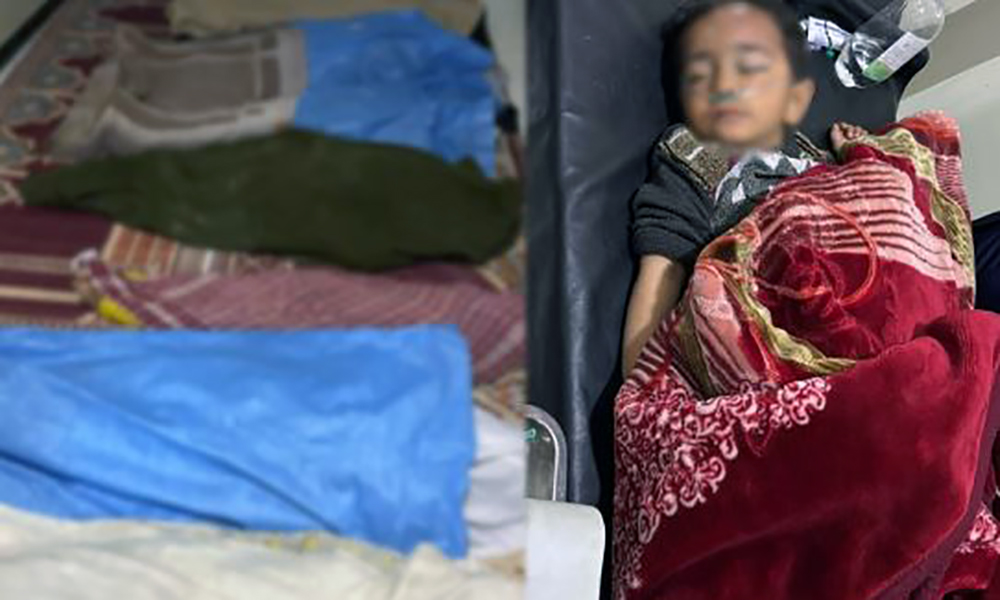
A powerful 5.8-magnitude earthquake struck Afghanistan on Friday, killing at least eight people and injuring a child when a house collapsed in Kabul. According to local officials, the victims were all members of the same family.
Hafiz Basharat, spokesperson for the Kabul Governor, confirmed that the fatalities occurred in the Bagrami district of Kabul. The family members who perished included a father, mother, four daughters, and two sons. In addition to the deaths, a child was reported injured in the incident.
The earthquake, which originated in the Hindu Kush region of Afghanistan, struck at a depth of approximately 177 kilometers, according to the German Research Centre for Geosciences. Tremors were felt across a wide area, including Kabul, Pakistan’s capital Islamabad, and India’s capital New Delhi.
Local authorities have yet to release additional details regarding the extent of the damage or any further casualties caused by the earthquake.
As rescue operations continue, Afghan authorities are assessing the full impact of the earthquake, which has left many concerned about the potential for more aftershocks in the region.


Afghan citizens reported among casualties in US, Israeli attacks, Iran says

Save the Children: Nearly one Afghan child killed or injured daily by explosive remnants

Eight dead after 5.8-magnitude earthquake hits Afghanistan

Punjab Kings clinch thrilling 5-wicket victory over Chennai Super Kings in IPL 2026

5.8-magnitude earthquake shakes parts of Afghanistan

Prominent Muslim scholar issues fatwa calling for Afghanistan-Pakistan ceasefire

IEA Supreme Leader issues Eid-ul-Fitr message urging unity and support for Islamic system

14 Pakistani soldiers killed after military post falls along Durand line: MoD

Afghanistan steps in to replace Iran in supplying fruits and vegetables to Russia

Afghan airstrikes target Pakistani military sites in retaliation for air attacks

Tawsia: This week’s key economic developments in Afghanistan discussed

Tahawol: Start of talks between Kabul-Islamabad in China discussed

Saar: Ongoing US and Israeli attacks on Iran discussed

Tahawol: Ongoing US–Israeli war with Iran discussed

Saar: Afghanistan-Pakistan talks in China discussed
-
 Latest News5 days ago
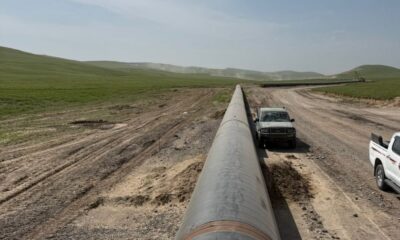
TAPI gas pipeline advances 25 km in Afghanistan
-
 Business5 days ago
Afghanistan opens doors to agribusiness investments amid rising opportunities
-
 Latest News3 days ago
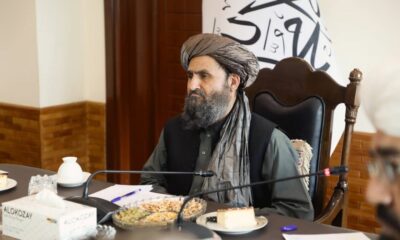
Baradar approves 17 projects worth over one billion AFN
-
 Latest News5 days ago
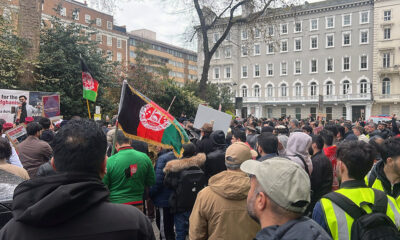
Afghan diaspora protests in London and Oslo over Pakistan strikes
-
 Business4 days ago
Russia backs Uzbekistan–Afghanistan trade hub, praises regional economic cooperation
-
 Sport4 days ago
ATN secures broadcast rights for inaugural Afghanistan Wrestling Premier League
-

 International Sports5 days ago
Amnesty International raises alarm over deportations, protests ahead of FIFA World Cup
-

 Sport3 days ago
ATN to broadcast second season of Ariana Snooker Championship