
Latest News
Afghan artist paints Kabul’s walls of war to help heal city


A city at war, the Afghan capital is among the ugliest in the world.
Wide avenues once lined with rose gardens are today gridlocked streets sandwiched by concrete blast walls protecting those inside from the bombs and bullets that form the backbeat of a 14-year insurgency. After recent deadly attacks, the towering walls multiplied almost overnight, appearing in double rows outside government buildings, businesses, embassies and the homes of powerful people.
The impression is one of division. Inside the walls, the elite are protected; outside, it’s every man for himself.
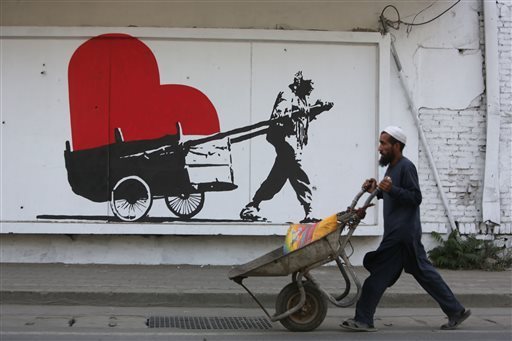
For Kabir Mokamel, an artist who returned to Kabul from the Australian capital Canberra four years ago, the blast walls present the perfect canvas for transforming not only how the city looks, but how its residents think about themselves, each other, their environment, and their future.
Calling his group Art Lords — a swipe at the warlords who still dominate Afghan politics and are publicly celebrated as warrior heroes — Mokamel uses street art to highlight social problems in Afghanistan after almost four decades of war.

“I want people to define who really are the heroes of my city — the people who clean the city, for instance,” the 46-year-old said. “Throughout the history of Afghanistan, it’s all about the people who fought, who have swords, who have guns. We want to include something else, like the people who take part in the betterment of the city and of our lives. It moves people away from the mentality of war and conflict.”
Artists from his group recently painted street sweepers in orange work jackets and traditional scarves on a concrete wall surrounding Afghanistan’s secret service headquarters in Kabul. Alongside is a slogan, stenciled in large black letters clearly seen by motorists in the nearby traffic-choked roundabout: “The Heroes of My City: The Street Sweepers.”
Ahmad Jan, a 26-year-old day laborer, paused on a recent sunny afternoon to look at the mural. “It’s interesting to Afghans. Everybody crossing the street will take a look and read the message and then get a different perspective.”

Volunteer Maryam Kohi comes every day to help paint. “These cement walls are blocking the commuting routes and make the city look like a prison,” she said. “Afghanistan is going through a prolonged fight and the city is polluted with dirt and corruption. With these paintings we want to take our anti-corruption message to the people.”
This week, Ghani singled out corruption as a “cancerous lesion” threatening the survival of the state. He said it was Afghanistan’s shame to be consistently named by graft watchdog Transparency International as one of the most corrupt nations on earth, and that the government had developed a “comprehensive plan” to deal with the problem through reforms and crackdowns.
“People’s perception (of corruption) is always bribery, but it’s much bigger than that,” Mokamel said, listing social ills such as poor work ethics, not standing in line, dangerous driving and street harassment of women.

Kabul was originally built for 450,000 people. The population is now estimated at 4.5 million, though infrastructure such as transport, water and sewage has not kept up. It used to be a congenial and convivial place to live, Mokamel said.
“People were very trusting and very friendly,” he recalled. “These values have disappeared because of the ongoing conflict and the breakdown of normal social behavior and interaction.”
Mokamel hopes to cultivate a return to the pre-conflict values he remembers before fleeing war as a teenager. That was his motivation in returning to Kabul in 2010. In Australia, he was a graphic artist, studying for his Master of Fine Arts at Australian National University. “I learned a lot outside and I wanted to bring it back,” he said.

The Art Lords’ work includes a series that Mokamel described as “healing the wounds of Afghanistan,” featuring red hearts along a stretch of white wall — one is a balloon held by a little girl and one is being pulled in a traditional handcart.
A red map of Afghanistan is covered with a Band-Aid. The next series will center on suicide bombings, which have claimed more than 50 lives in the capital in recent weeks. Mokamel carries an official letter to show to police who fear he might be a vandal.

The first installment of street art appeared in July, at the front entrance of the National Directorate of Security. A pair of beautiful, feminine eyes gazes out from the blast walls, a warning to corrupt officials.
The eyes were a sensation among local residents, who immediately understood the meaning. Along with unemployment, corruption is cited by Afghans as among the toughest problems facing their country.
While visual arts are making a tentative return to Afghanistan, little is accessible to ordinary Afghans, who are overwhelmingly poor.
Fans of the Art Lords’ street art come back day after day to take part. “I tell them it’s really important because the minute you put the stroke of a brush on a wall, that much of the wall has disappeared,” Mokamel said.
By: Associated Press

The National Disaster Management Authority (NDMA) of Afghanistan, in cooperation with international partners, has stepped up emergency response efforts following recent heavy rains, floods and other natural disasters that have caused widespread loss of life, injury and property damage across the country.
In Kandahar province, the NDMA, under a memorandum of understanding with Save the Children, distributed food and non‑food assistance to 109 families whose homes were damaged by recent floods and heavy rain.
With financial and technical support from IOM, WFP, CHA, UNHCR, UNFPA and Save the Children, aid packages were provided following detailed surveys. Items delivered included mattresses, food packages, health and hygiene kits and tents.
The Kandahar NDMA stated that supporting disaster‑affected families remains a core responsibility and expressed gratitude for ongoing humanitarian cooperation.
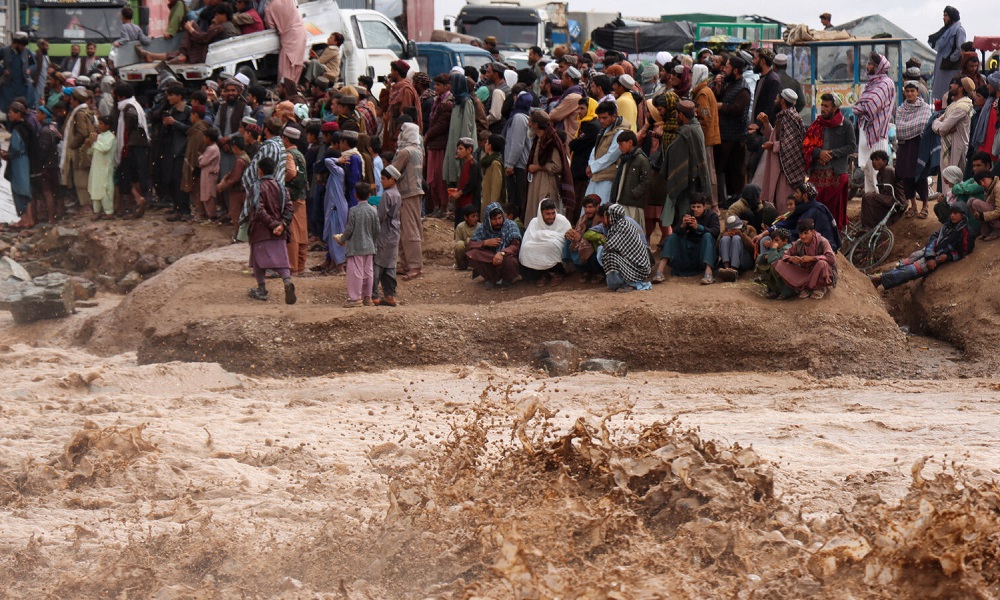
Afghanistan has been hit by intense rainfall and extreme weather over the past week, triggering flash floods, landslides and damage in multiple provinces. According to the NDMA, more than 110 people have died, at least 160 were injured, and seven others were reported missing due to these conditions over the past 11 days.
The flooding has caused extensive destruction, including the complete loss of nearly 1,000 homes, partial damage to over 4,000 houses, and flooding of more than 15,000 acres of farmland.
Roads, irrigation systems and critical infrastructure have also been damaged, disrupting travel and access to essential services.
In Nangarhar province, heavy rains caused the collapse of mud‑brick house roofs, killing at least five people and injuring others, underscoring the vulnerability of rural housing in Afghanistan’s remote areas.
Nationwide impact and weather risks
The NDMA released video updates explaining casualty figures and showing the scale of damage from recent natural disasters nationwide, including impacts from extreme weather over the past 24 hours. The authority continues to monitor conditions and coordinate response efforts.
Meteorological and agriculture agencies have noted that ongoing rainfall could benefit spring crops but also heightens the risk of further flooding in vulnerable regions. The FAO has warned that while increased moisture supports agriculture, heavy precipitation raises flood risks, particularly in urban and rural flood‑prone areas.
Other Natural Disasters
In addition to flooding, a 5.8‑magnitude earthquake struck the Hindu Kush region on April 3, killing at least 8–12 people and injuring several more. Homes were damaged in multiple provinces, demonstrating Afghanistan’s exposure to seismic hazards.
The NDMA continues to issue warnings and advisories to residents across several provinces to stay away from rivers and flood‑prone zones as unstable weather persists. Emergency teams, together with national and international partners, are conducting ongoing assessments to guide further relief efforts and damage mitigation.
Latest News
Former Australian soldier to remain in custody over Afghan war crimes charges
Roberts-Smith was denied bail by police and taken to Silverwater Correctional Complex in western Sydney, where he spent the night.
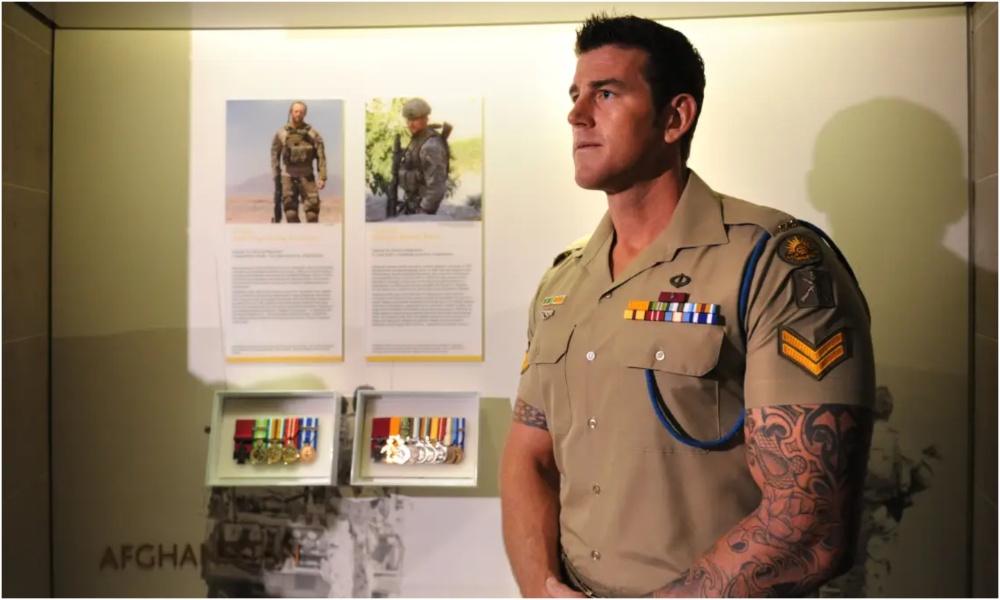
Ben Roberts-Smith, Australia’s most decorated living soldier, will remain in custody following his arrest on multiple alleged war crimes in Afghanistan, local media reported Wednesday.
The 47-year-old former member of the elite Special Air Services Regiment was arrested on Tuesday and charged with five counts of war crimes, relating to the deaths of five civilians between 2009 and 2012. Each charge carries a maximum penalty of life imprisonment.
Roberts-Smith was denied bail by police and taken to Silverwater Correctional Complex in western Sydney, where he spent the night. He did not participate via video link in a bail hearing on Wednesday morning.
His lawyer, Jordan Portokalli, told the court he would not be seeking bail and requested an in-person hearing later in the day. A formal bail review hearing has been scheduled for April 17 in a Sydney courthouse.
Roberts-Smith, a six-tour veteran of Afghanistan from 2006 to 2012, was celebrated as a national hero and awarded several top military honours, including the Victoria Cross, the highest military decoration for members of the armed forces in Britain and the Commonwealth.
The Australian Federal Police allege that the victims were unarmed civilians, detained and under Australian control at the time of their deaths, and were either shot by Roberts-Smith or by his subordinates acting under his orders and presence.
These charges follow a joint investigation launched in 2021 by the AFP and the Office of the Special Investigator, established to examine alleged criminal conduct by Australian defence personnel.
Roberts-Smith has consistently denied any wrongdoing.
Allegations first surfaced in 2018 through a series of articles by Nine Entertainment newspapers. He later contested the claims in what became Australia’s most expensive defamation trial, in which he was found, on the balance of probabilities, to have been involved in the killing of four Afghan civilians.
Latest News
Hundreds displaced as Afghanistan–Pakistan clashes deepen crisis
A new report, covering the period from mid-March to early April, highlights the severe impact of ongoing shelling, airstrikes, and armed clashes along the disputed Durand Line.
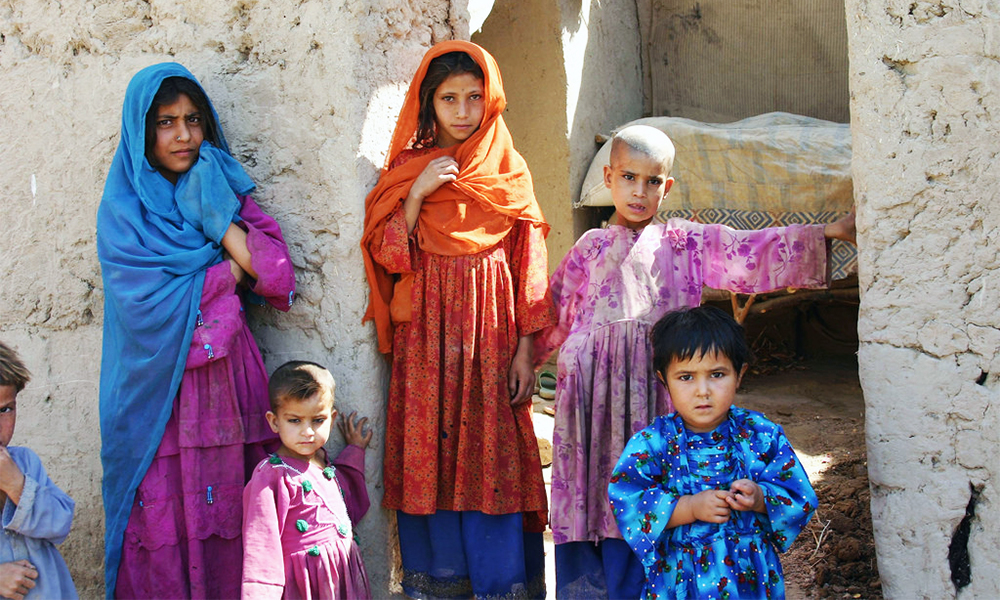
A new report by the United Nations Office for the Coordination of Humanitarian Affairs (UNOCHA) warns that escalating fighting between Pakistan and Afghanistan has triggered a growing humanitarian crisis, with tens of thousands displaced and critical infrastructure damaged.
The situation report, covering the period from mid-March to early April, highlights the severe impact of ongoing shelling, airstrikes, and armed clashes along the disputed Durand Line.
Civilian casualties have reached several hundred, including children and at least one humanitarian worker.
Mass displacement and infrastructure damage
According to the report, more than 94,000 people have been displaced across eastern provinces, including Khost Province, Kunar Province, Nangarhar Province, Paktia Province, and Paktika Province. Assessments are ongoing in other affected areas such as Nuristan Province.
The violence has also taken a heavy toll on public infrastructure. At least 25 health facilities and 41 schools have been damaged, closed, or forced to suspend operations, disrupting access to healthcare, nutrition services, and education.
In one of the most significant incidents, a Pakistani airstrike on March 17 destroyed the Omid Addiction Treatment Hospital in Kabul. Additional damage has been reported to a market in Paktika, a fuel depot in Kandahar, and several religious sites in Kunar and Nuristan. At least 345 homes have been destroyed or severely damaged.
Isolated communities cut off from aid
The report noted that humanitarian access remains a major concern, particularly in remote districts of Nuristan. Nearly 100,000 people in Bargematal and Kamdesh districts have been cut off from assistance since late February due to ongoing hostilities and dangerous access routes.
The main road connecting these areas has become unusable amid reports of cross-Durand Line firing by Pakistan, leaving residents without access to markets or medical services. Severe shortages of food and essential supplies have been reported, while local health facilities are facing critical stock shortages.
Efforts to establish an alternative route through the Poprak Pass are underway, but officials say it is unlikely to become operational in the near term.
Tensions and explosive hazards
The Torkham crossing briefly reopened on March 26, allowing a small number of Afghans to return before closing again hours later. The same day, an unexploded ordnance incident injured three children, underscoring the growing danger posed by explosive remnants of war.
Mine action teams have faced increasing challenges due to insecurity and funding shortages. The number of active teams has dropped significantly over the past two years, limiting the ability to clear hazardous areas despite Afghanistan having one of the highest rates of explosive ordnance casualties globally.
Humanitarian response under strain
Despite the challenges, aid agencies continue to provide assistance. By the end of March, thousands of families had received emergency food supplies, shelter support, medical aid, and cash assistance. Education programs have also resumed in some areas, reaching several thousand students.
However, humanitarian officials warn that needs continue to outpace available resources. Funding gaps and access constraints are hindering efforts to deliver life-saving assistance to those most affected.
Ongoing risks
Although a temporary ceasefire was observed during the Eid period, hostilities have continued before and after the holiday, particularly in eastern and southeastern regions.
Humanitarian agencies caution that without sustained de-escalation and improved access, the crisis could worsen further, leaving vulnerable communities increasingly exposed to displacement, food insecurity, and limited access to basic services.


Snooker fever grows as Kabul prepares for Ariana Championship

Aid distributed to flood-affected families as severe weather causes widespread damage

Pakistan PM holds 45-minute call with Iranian President

Former Australian soldier to remain in custody over Afghan war crimes charges

Hundreds displaced as Afghanistan–Pakistan clashes deepen crisis

IEA Supreme Leader issues Eid-ul-Fitr message urging unity and support for Islamic system

14 Pakistani soldiers killed after military post falls along Durand line: MoD

IEA supreme leader orders replacement of foreign terminology in official documents

Afghan airstrikes target Pakistani military sites in retaliation for air attacks

Turkmenistan, Afghanistan discuss steps to speed up land acquisition for TAPI pipeline

Tahawol: Ongoing negotiations between Kabul-Islamabad discussed

Saar: Afghanistan in spotlight of SCO discussed

Tahawol: Continuation of Middle East crisis discussed

Saar: Ongoing Kabul-Islamabad talks in China discussed

Tawsia: This week’s key economic developments in Afghanistan discussed
-
 Latest News3 days ago
IEA supreme leader orders replacement of foreign terminology in official documents
-
 Latest News3 days ago
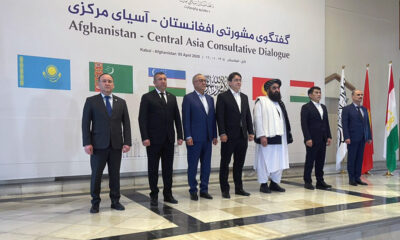
Afghanistan hosts inaugural Afghanistan–Central Asia Consultative Dialogue to strengthen regional cooperation
-

 Business4 days ago
Kazakhstan eyes rare metals mining projects in Afghanistan and Rwanda
-
 Latest News4 days ago
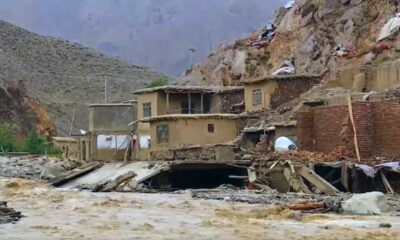
Severe rainfall and natural disasters cause heavy casualties across Afghanistan
-
 Latest News4 days ago
Afghan citizens reported among casualties in US, Israeli attacks, Iran says
-
 Latest News4 days ago
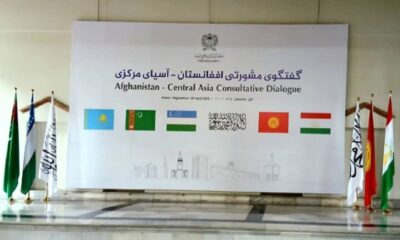
Kabul to host ‘Afghanistan–Central Asia Consultative Dialogue’ tomorrow
-
 Latest News3 days ago
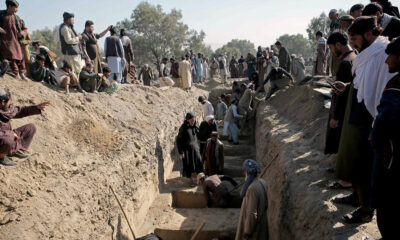
IEA accuses Pakistan of war crimes amid heavy civilian losses
-
 Saar4 days ago
Saar: Ongoing Kabul-Islamabad talks in China discussed