
Latest News
Khalilzad, Central Asian Ministers discuss Afghan peace process

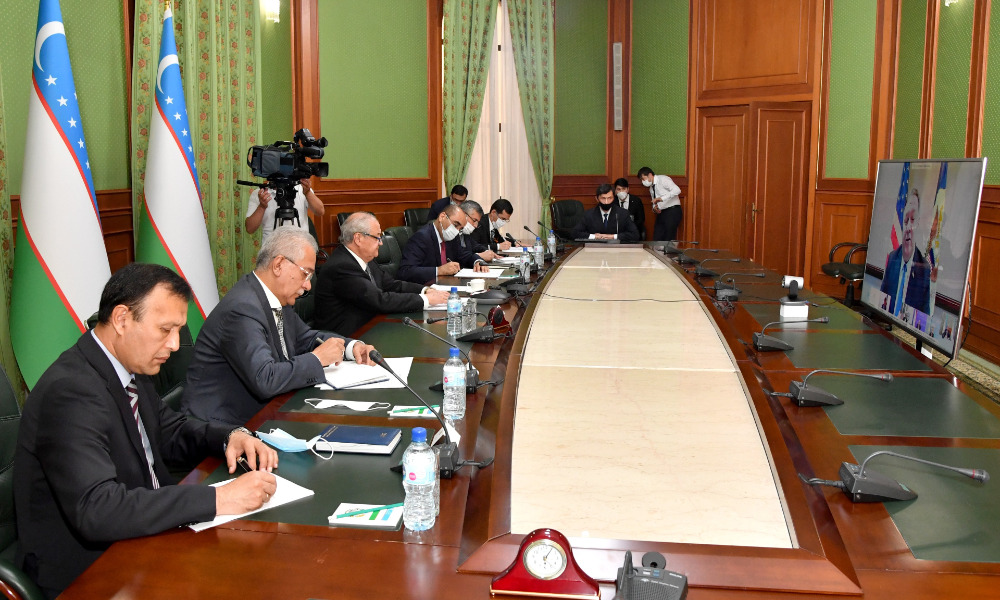
The US Special Representative for Afghanistan Reconciliation Zalmay Khalilzad has discussed the Afghan peace process with Foreign Ministers of the Central Asian countries.
“Adam Boehler – CEO of the U.S. International Development Finance Corporation – and I wrapped up good meetings in Tashkent. Started the day with FM Kamilov and Special Rep Irgashev and then were joined by the Foreign Ministers that make up the remaining C5+1 (Tajikistan, Turkmenistan, Kazakhstan, Kyrgyz Republic),” Khalilzad said.
Khalilzad added that he discussed the latest on the peace process and the critical role Central Asia has played and will continue “to play in pursuit of peace; how it will benefit from peace with increased regional connectivity, trade, and development,” in the C5+1 meeting.
4/5 A stable and prosperous Afghanistan is critical for regional peace, security, and prosperity in Central Asia; a Central Asia made up of sovereign & independent states working together with Afghanistan bridging to South Asia is in the interest of the region and of the US.
— U.S. Special Representative Zalmay Khalilzad (@US4AfghanPeace) July 1, 2020
“U.S. International Development Finance Corporation is prepared to invest in the region’s future,” Khalilzad tweeted.
Khalilzad further said that the US appreciates the cooperation and assistance of the C5+1.
“We will need to work together to promote and encourage a political settlement when intra-Afghan Negotiations begin. Work towards the shared goals of economic resilience, regional connectivity and integration starts now,” he added.
The US official stressed that a stable and prosperous Afghanistan is critical for regional peace, security, and prosperity in Central Asia; “a Central Asia made up of sovereign and independent states working together with Afghanistan bridging to South Asia is in the interest of the region and of the US.”
“We discussed investments in each country and cross-border opportunities. We also explored what a pooled, regional development fund might look like,” the US Envoy noted.
On June 30, Foreign Minister Abdulaziz Kamilov took part in C5+1 ministerial meeting. FMs of Central Asian countries and @SecPompeo discussed regional cooperation, security, economic sustainability, fight against COVID-19, peace process in Afghanistan and Aral Sea issues pic.twitter.com/OlWadqJvcK
— Uzbekistan MFA (@uzbekmfa) July 1, 2020
C5+1 is a format for dialogue and a platform for joint efforts to address common challenges faced by the United States and the five Central Asian states including Kazakhstan, the Kyrgyz Republic, Tajikistan, Turkmenistan, and Uzbekistan. It complements bilateral relationships in the region, particularly in issue areas where regional approaches may provide a comparative advantage.







Latest News
SAARC failure pushes Pakistan toward trilateral ties with Afghanistan, China, Bangladesh: Dar
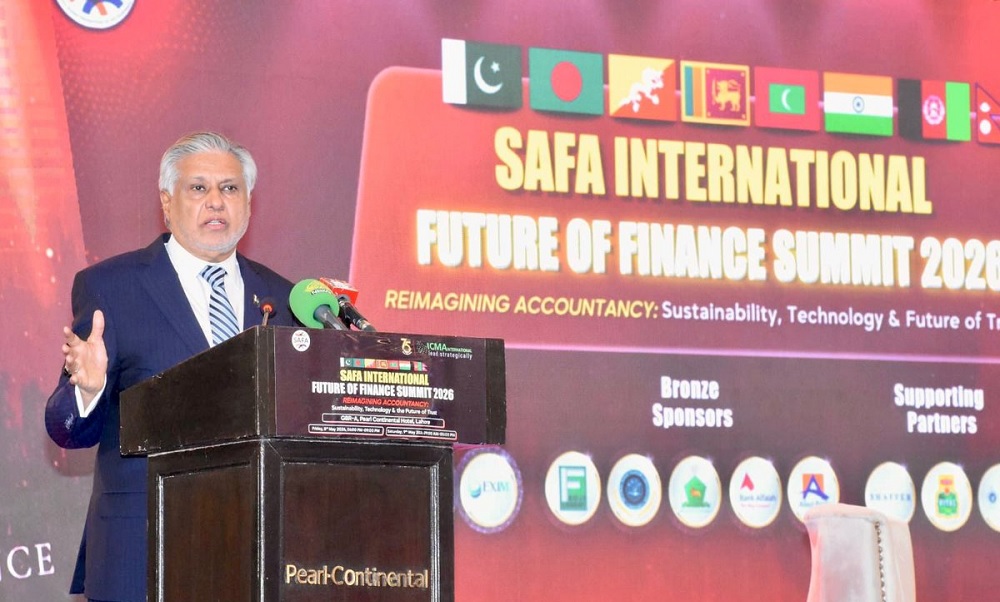
Pakistan’s Deputy Prime Minister and Foreign Minister Mohammad Ishaq Dar has said that the failure of the South Asian Association for Regional Cooperation (SAARC) is pushing Pakistan toward exploring trilateral cooperation frameworks involving Afghanistan, China, and Bangladesh.
Speaking at the South Asian Federation of Accountants (SAFA) Conference in Lahore on Friday, Dar said SAARC has “unfortunately not been able to kick off,” limiting regional economic integration and cooperation.
He said Pakistan is now looking at alternative regional arrangements to strengthen economic connectivity and trade, including trilateral formats such as China–Pakistan–Afghanistan and China–Pakistan–Bangladesh.
Dar stressed that South Asia cannot remain in “isolation,” noting that the region, home to nearly two billion people, is missing significant economic opportunities due to weak cooperation among neighbouring countries.
The South Asian Association for Regional Cooperation (SAARC) was established in 1985 to promote economic and regional integration among South Asian countries, including Afghanistan, Bangladesh, Bhutan, India, Maldives, Nepal, Pakistan, and Sri Lanka.
The organisation was designed to encourage cooperation in areas such as trade, development, education, and cultural exchange. However, in recent years, SAARC’s effectiveness has been significantly limited due to political tensions between member states, particularly between India and Pakistan, leading to stalled summits and reduced regional engagement.
As a result, regional economic cooperation in South Asia has largely remained underdeveloped compared to other regional blocs around the world.
Latest News
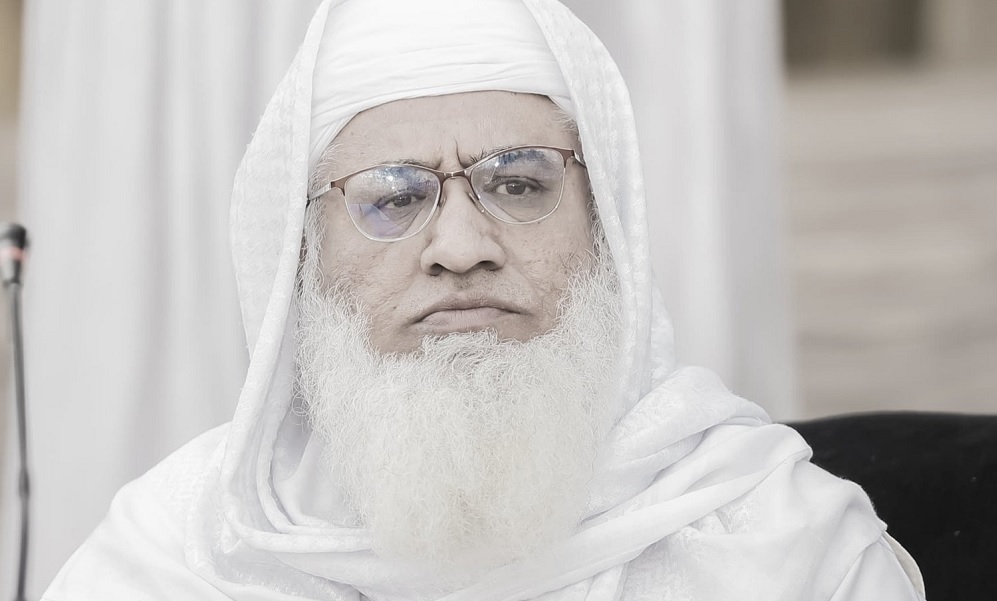
IEA leaders contact Maulana Fazlur Rehman to express condolences over Sheikh Idris’s death
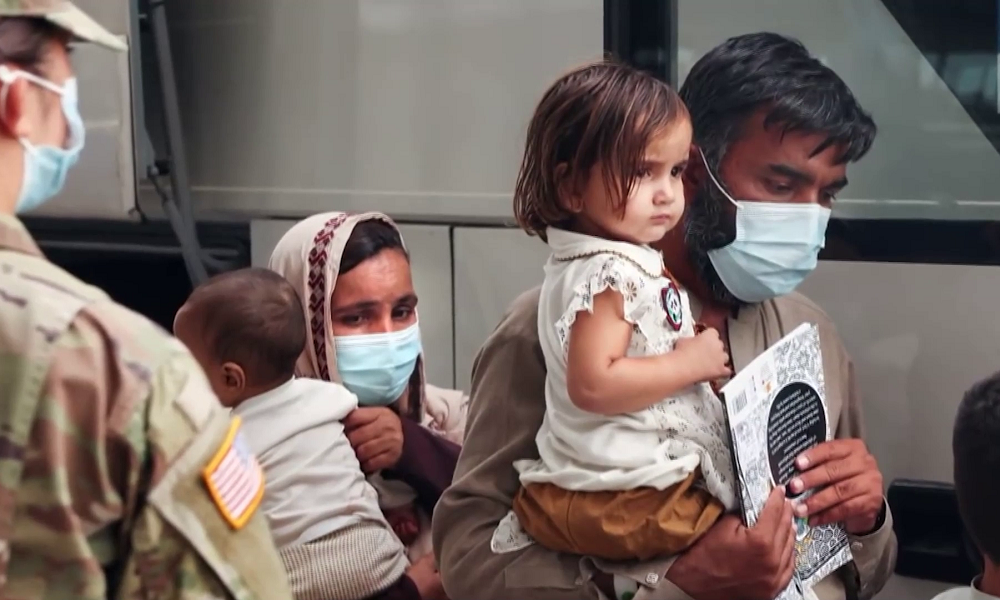
Hundreds of former U.S. officials are calling on Washington to cancel a reported plan to relocate Afghan refugees from Qatar to the Democratic Republic of the Congo.
In an open letter addressed to the U.S. State Department, more than 600 former civilian and military officials, along with around 100 organizations, urged the administration to stop the proposed transfer. The letter was sent to Marco Rubio.
The signatories argue that the Afghan nationals in question were brought to Qatar by the United States to complete legal immigration procedures after undergoing extensive security vetting. The letter states that while the individuals were cleared for resettlement in the United States, they are now being considered for relocation to Congo, a country for which they were never screened.
“Those individuals were vetted and approved for the United States, not for the Democratic Republic of the Congo,” the letter reads.
According to the report, more than 1,100 Afghan allies and their family members are currently being held at Camp As Sayliyah in Qatar under U.S. supervision. Around 800 of them have already completed all security checks and received authorization to travel to the United States. More than half are women and children, and many have remained in transit limbo for over 15 months.
The situation has drawn criticism from former officials and policy observers, who describe the proposed relocation as a betrayal of Afghan allies who supported U.S. missions and risked their lives during the war in Afghanistan. Critics also warn that the move could damage U.S. credibility with future partners.
Several members of the U.S. Congress had previously expressed opposition to the proposal, cautioning that it could significantly undermine trust in the United States among its allies.


SAARC failure pushes Pakistan toward trilateral ties with Afghanistan, China, Bangladesh: Dar

Canada to host opening ceremony for FIFA World Cup 2026 in Toronto

Afghanistan rises 7 places to 21st in FIFA Futsal World Rankings

IEA leaders contact Maulana Fazlur Rehman to express condolences over Sheikh Idris’s death

Mexico City to launch 2026 FIFA World Cup with star-studded opening ceremony

Bayat Power extends gas supply deal with Afghan Gas

Etihad Airways to expand Kabul–Abu Dhabi flights to daily service amid surging demand

Afghanistan’s new cricket head coach Richard Pybus arrives in Kabul

Afghanistan moves toward self-sufficiency in car battery production

Germany to launch online visa system for Afghan study and work applicants in Pakistan

Tawsia: Discussion on Afghanistan’s economic path and position

Tahawol: Pressure on Afghan refugees from Tajikistan to Europe discussed

Saar: Ongoing criticism of Pakistan’s Afghanistan policy discussed

Tahawol: Diplomatic turn in Iran–US confrontation discussed

Saar: Expanding interaction between countries and IEA discussed
-
 Business1 day ago
New Afghanistan-China transport corridor launched via Turkmenistan
-
 Latest News5 days ago
Leadership reshuffle announced across Afghanistan’s admin and security sectors
-
 Latest News4 days ago
Pakistan’s Achakzai pushes for Afghanistan dialogue amid economic strain
-
 Business3 days ago
Afghanistan presses Chinese contractor over delays in Mes Aynak copper project
-
 Business3 days ago
Uzbekistan launches new cargo corridor linking China and Afghanistan
-
 Latest News4 days ago
Food prices surge 20% in Afghanistan as Hormuz crisis disrupts supply routes
-
 Latest News5 days ago
Austrian interior minister heads to Uzbekistan to finalize Afghan deportation deal
-

 Sport5 days ago
All eyes on Jeddah as AFC U-17 Asian Cup 2026 kicks off