
Latest News
Time running out for Afghan peace process, more efforts needed – EU envoy

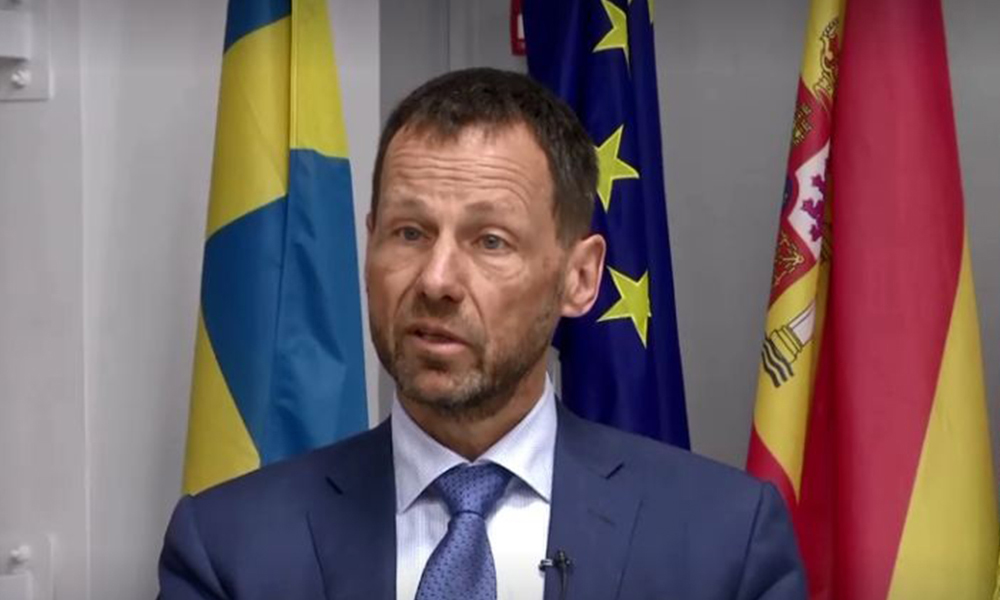
The European Union’s envoy for Afghanistan said on Wednesday time was running out for Afghan peace negotiations and more needed to be done to boost the discussions as international forces withdraw from the war-torn nation.
Afghan government and Taliban negotiators have met in Qatar’s capital Doha over the past two weeks to discuss the peace process after a pause when negotiations largely stalled earlier this year.
Talks began in September but the already-slowing negotiations largely broke off in April, when the United States announced it would withdraw its forces by Sept. 11, after a May 1 deadline the Trump administration had agreed with the Taliban.
“Time is getting shorter as we speak,” Tomas Niklasson, the EU’s acting special envoy for Afghanistan, told Reuters during a visit to Pakistan’s capital. “There has been no or very little progress on substance, so from that perspective more has to be done.”
Taliban spokesman Suhail Shaheen said on Twitter that on Tuesday groups from both negotiation teams had met to discuss “recalibration of order and sequence of talks sessions.”
But Niklasson said that to show true progress, substantive proposals needed to be put on the table on each side’s plans for the country and the outcome of the talks, which the Taliban had not yet provided.
“It’s quite possible that a proposal from the Taliban might be maximalist, maybe they would just put an Islamic Emirate on the table, which is perfectly fine for negotiations and then you can see where you can make compromises and compromises will have to be made by both sides,” he said.
Taliban spokesman Zabihullah Mujahid said the group did have a written plan but would not share it publicly or with foreigners and would save it for substantive negotiations.
The envoy held meetings with officials in Islamabad this week and said he was confident that Pakistan saw it in its interests to encourage a negotiated peace settlement in neighbouring Afghanistan, but reiterated Pakistan should use all leverage it to had to encourage the Taliban to deliver a written peace proposal.
Pakistan’s ties to the Taliban have been criticised in the past by the West but foreign capitals including Washington have in recent years acknowledged Pakistan for working to bring the insurgents to the negotiating table.
Pakistan’s foreign minister has said in recent days that Pakistan was fully supporting the Afghan peace process but did not want to be considered the “scapegoat” and blamed if negotiations fell apart.
“I see so far little progress in terms of (the Taliban) putting a proposal on the table but whether that is because insufficient leverage is there or because the leverage that is there hasn’t been used … fully I don’t really know,” Niklasson said.
“But I have confidence that Pakistan realises the importance and the urgency of the situation and that it is in its own interest to use the leverage it has.”


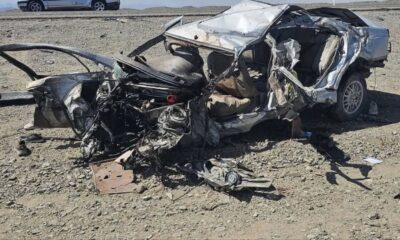



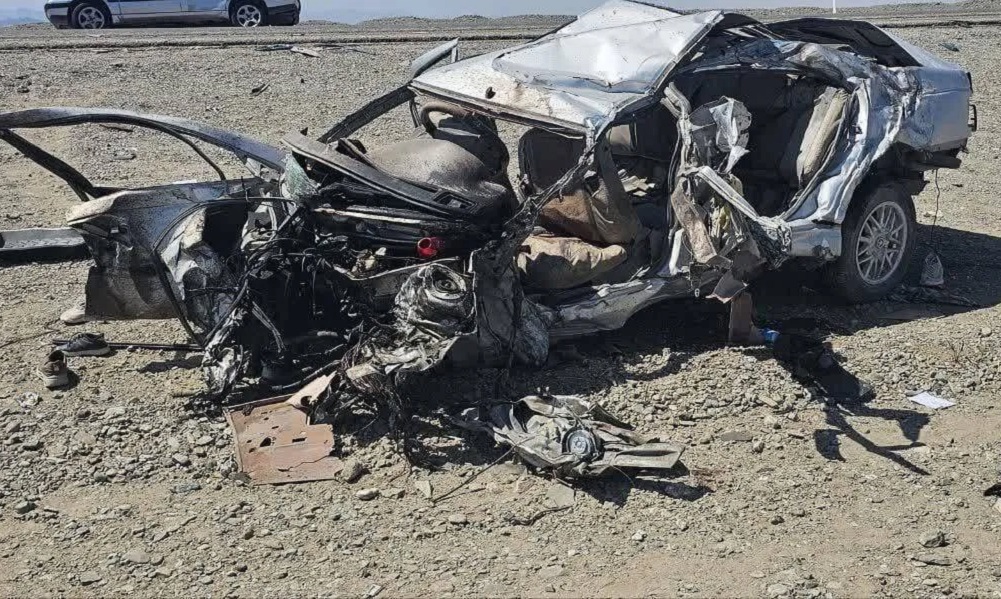
Seven Afghan migrants have been killed after a vehicle carrying Afghan migrants collided with a fuel-carrying vehicle in Iran’s Sistan and Baluchestan province.
According to the human rights organization HalVash, the accident occurred on Friday in the Sarbaz area of Sistan and Baluchestan.
Siyavash Mohbi, the head of Iran’s traffic police in Sistan and Baluchestan, said the Afghan nationals had entered Iran illegally.
He added that nine other people were injured in the incident.
Mohbi attributed the accident to the negligence of the driver of the vehicle carrying the migrants.
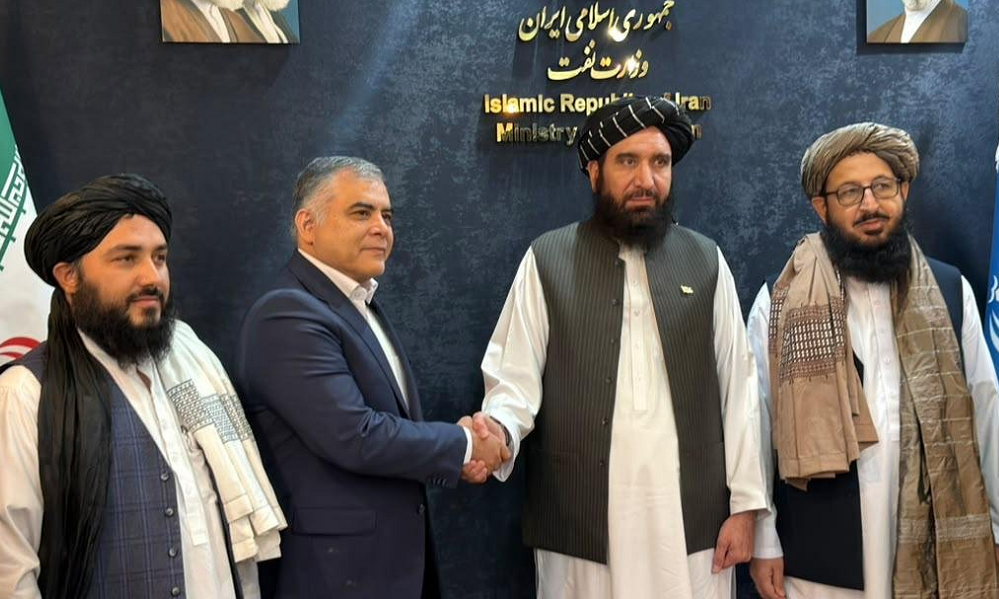
Ahmad Jan Bilal, General Director of State-Owned Corporations, met with Iran’s Oil Minister Mohsen Paknejad during a visit to Iran to discuss expanding cooperation in the oil and gas sector.
Bilal, accompanied by Mohammad Nasir Rahimi, chief executive of the Afghan state-owned Oil and Gas Corporation, held talks with the Iranian minister on supplying Afghanistan with its oil and gas needs, technical and vocational training, and joint cooperation in oil and gas exploration.
Bilal and his delegation also visited the Iranian Oil Ministry’s research center and oil refineries in Tehran, where they reviewed the facilities’ technical and professional activities and capabilities.
The Iranian side expressed readiness for comprehensive cooperation, necessary coordination and implementation of joint projects in the areas discussed.
At the end of the meeting, both sides introduced joint technical teams tasked with coordinating and following up on the necessary measures to implement the agreed areas of cooperation.


Asian Games open in Japan as Afghanistan sends 34 athletes

Seven Afghan migrants killed in traffic accident in Iran’s Sistan and Baluchestan

OIC to hold Afghanistan Contact Group meeting on sidelines of UN General Assembly

Flames, smoke seen near Riyadh airport; Houthis claim attacks on Saudi capital

Tahawol: Kabul’s warning over any threat from Pakistan discussed

Four mediators struggle to secure lasting Pakistan-Afghanistan ceasefire

Syria and Saudi Arabia condemn Kabul bombing, express solidarity with Afghanistan

Afghanistan’s trade diversification challenges Pakistan

Saudi energy group signs major Afghanistan deals covering gas exploration and pipeline plans

ATN secures exclusive rights to broadcast T20I series in India across Afghanistan
Tahawol: Kabul’s warning over any threat from Pakistan discussed

Debate on Afghanistan and New Investment Opportunities

Tahawol: Reasons behind Qatari, Turkish security officials’ Kabul visit discussed

Saar: Outcome of UN Security Council meeting on Afghanistan discussed

Tahawol: Afghanistan’s readiness for US relations discussed
-
 Latest News4 days ago
UN warns of mounting humanitarian and human rights pressures in Afghanistan
-

 Regional4 days ago
Saudi Arabia calls alleged Mecca attack a ‘red line’ as Houthis deny involvement
-
 Latest News5 days ago
Petition filed in Islamabad High Court against PMDC directive affecting Afghan students
-
 Latest News4 days ago
Five Years On: IEA touts economic growth despite international isolation
-

 Sport4 days ago
India take 2-0 lead in 3-match series against Afghanistan
-
 Sport5 days ago
Nabi reaches 2,500 T20I runs
-
 Latest News5 days ago
At least 17 Afghan migrants reportedly die of thirst near Iran border
-

 Latest News3 days ago
Five years out of school: Amnesty raises alarm over Afghan girls’ education