
Latest News
Germany faces mounting criticism over alleged IEA coordination
However, the investigations allege that not only convicted individuals but also some single Afghan men without criminal records may have been targeted, intensifying criticism.


Germany’s deportation of Afghan nationals is drawing growing scrutiny following reports of closer-than-acknowledged coordination with the Islamic Emirate of Afghanistan (IEA).
An investigation by Germany’s public-serve TV broadcaster ZDF and its program ZDF Magazin Royale found that deportations were facilitated through multiple meetings between German officials and IEA representatives.
These reportedly took place at the Bonn office of the Federal Office for Migration and Refugees (BAMF) and at Berlin Brandenburg Airport, with a parallel probe by another Germany media company Norddeutscher Rundfunk confirming the contacts.
According to the reports, Afghan nationals were presented to IEA-linked officials to prepare deportation documents. Footage captured in April showed individuals identified as consular representatives leaving BAMF premises after meetings tied to deportation planning. German authorities described the interactions as “federal police measures,” insisting contacts remain technical and do not amount to formal recognition of the IEA.
The deportations form part of a broader tightening of migration policy. Interior Minister Alexander Dobrindt has defended the removals, particularly of convicted offenders, as a “crucial element” of enforcement. In recent months, Germany has carried out several deportations, including direct flights to Kabul and charter removals of Afghan men convicted of crimes.
However, the investigations allege that not only convicted individuals but also some single Afghan men without criminal records may have been targeted, intensifying criticism.
Human rights groups warn that deportations to Afghanistan could breach international law.
More than 250 NGOs have accused Berlin of failing to uphold protection commitments, while legal advocates caution that deportations may be carried out without adequate individual assessments.
The issue reflects a wider European dilemma. Several countries, including Austria, Greece, and the Netherlands, are exploring external arrangements such as “return hubs” to manage deportations. At the same time, EU engagement with IEA authorities — including recent visits to Kabul — has fueled concern among lawmakers that coordination could lend the group greater legitimacy.
Despite the criticism, Berlin has signaled it will continue deportations as part of a stricter migration approach, even as debate intensifies over the legal, ethical, and political implications of returning Afghans to Afghanistan.

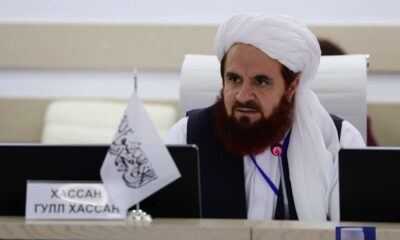

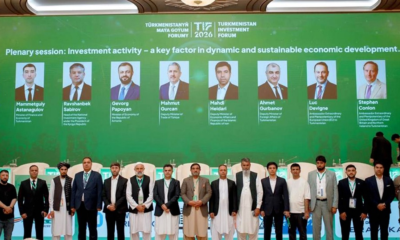

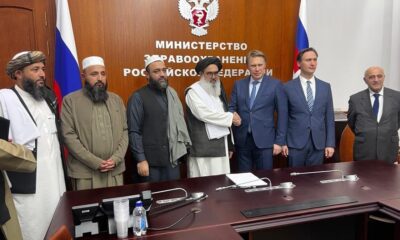

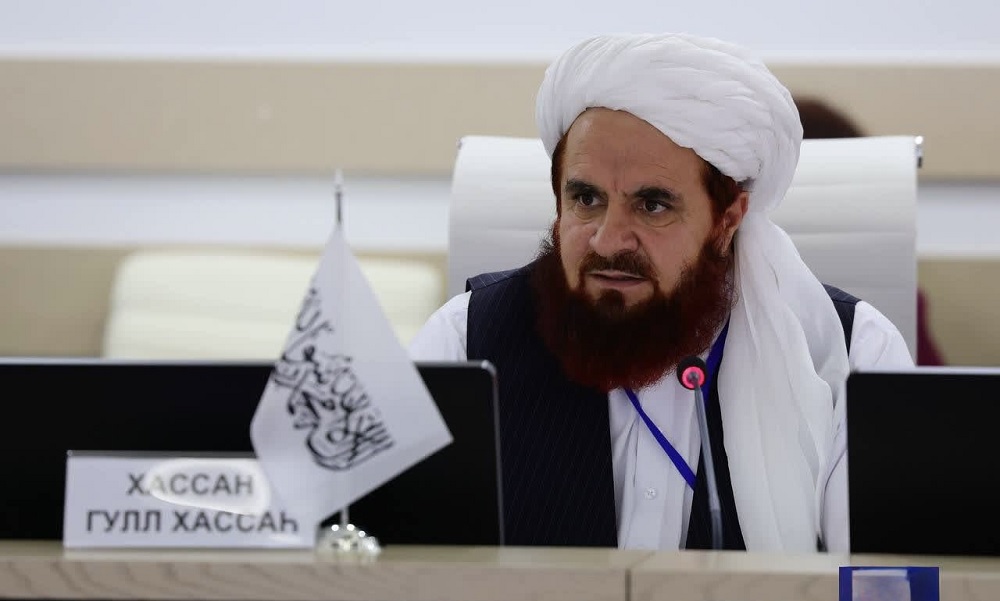
In his speech, Hassan emphasized the importance of mutual respect, dialogue, economic cooperation and joint development between Afghanistan and countries in the region.
On the sidelines of the forum, the Afghan ambassador met with Anton Borisovich Doronin, Minister of Economic Development of Russia’s Stavropol region. The two discussed ways to expand trade, investment and economic cooperation.
Hassan also met with a number of Afghan businessmen and representatives of the Afghan community in Russia, listening to their concerns and suggestions.
He assured them that the Afghan embassy would provide necessary support and cooperation in addressing their concerns.
Latest News
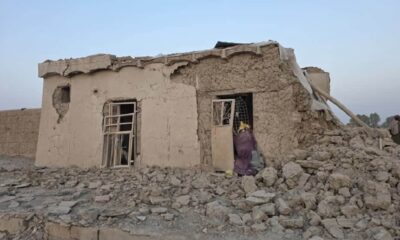
Russian embassy expresses concern over civilian casualties in Pakistani airstrikes on Afghanistan
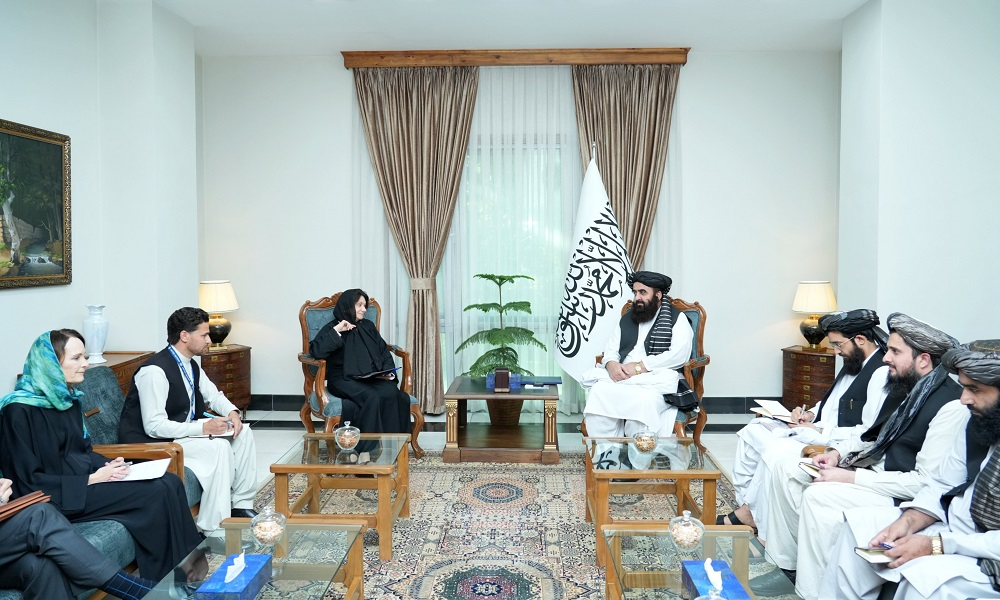
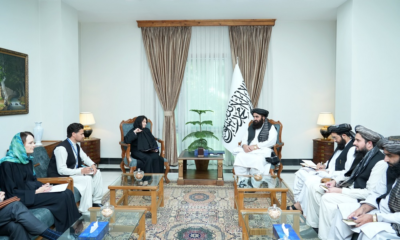
Amir Khan Muttaqi, Minister of Foreign Affairs of the Islamic Emirate, and Rosemary DiCarlo, UN Under-Secretary-General for Political and Peacebuilding Affairs, discussed the state of cooperation between Afghanistan and the United Nations, humanitarian assistance, and the needs of returning Afghan migrants.
According to a statement from the Ministry of Foreign Affairs, the two sides emphasized the importance of joint and coordinated efforts for the sustainable reintegration of returnees.
Afghanistan’s needs in the areas of climate change and water, increased cooperation in these sectors, and the regional situation were also among the topics discussed.
The two sides also exchanged views on ways to identify new opportunities within the framework of the Doha Process.


Afghan envoy in Moscow stresses economic cooperation with region

Russian embassy expresses concern over civilian casualties in Pakistani airstrikes on Afghanistan

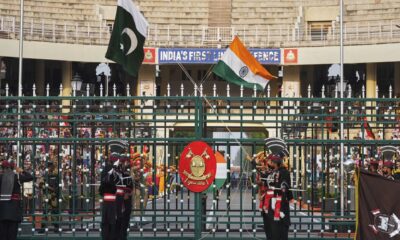
India, Pakistan summon top diplomats over border incident

Tahawol: Escalation of internal political crisis in Pakistan discussed

Saar: Continuation of crisis in the Middle East discussed

Saudi energy group signs major Afghanistan deals covering gas exploration and pipeline plans

Khalilzad: Afghanistan ready to attract major investment

Khyber Chamber demands reopening of Torkham crossing

Messi returns to Inter Miami after Argentina retirement

Imam Abu Hanifa exhibition to draw exhibitors from more than 20 countries
Tahawol: Escalation of internal political crisis in Pakistan discussed
Saar: Continuation of crisis in the Middle East discussed

Tawsia: Review of three key economic developments in Afghanistan

Tahawol: Pakistan’s airstrikes on civilians in Afghanistan discussed

Tahawol: Improvement in Afghanistan-China relations discussed
-
 Regional4 days ago
US imposes sanctions on 13 tied to Iran weapons procurement
-
 Latest News3 days ago
Four members of one family killed in Helmand in Pakistan airstrike
-

 Sport5 days ago
Istiqlal Kabul beat Khurasan Faryab 2-0 with late goals
-

 Climate Change5 days ago
Afghanistan on climate front line as Kabul faces groundwater warning
-

 Sport5 days ago
Afghanistan Champions League: Toofan Herat and Aino Mina Kandahar draw 1-1
-
 Latest News5 days ago
US Afghanistan War Commission meets Asim Munir over Pakistan’s role in conflict
-
 Business5 days ago
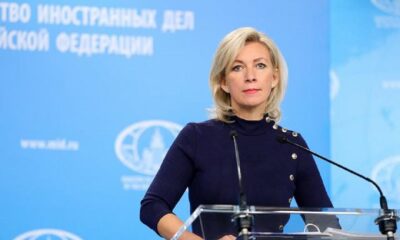
Russia accuses West of double standards over deportation of Afghans
-

 Business5 days ago
Kazakhstan grain shipments to Afghanistan rise over 4-fold